

Living spaces in small homes can feel cramped, crowded, or unfinished, especially when there is no clear plan for storage or decoration. Narrow terraces, boxy flats, and low-light rentals often collect too many objects and too little calm, making everyday routines feel busier than they need to be.
If you want your small room to feel quieter, you will learn how to use fewer, more natural pieces for a clearer look, removing what competes, choosing what anchors, and placing each thing on purpose. This works especially well in a rented flat with little storage when you want less clutter because it helps focus the room on comfort, not on stuff.
The short version: Start with a clear layout and fewer focal points to calm living spaces, then use natural materials and simple groupings to cut visual noise. A small room feels less crowded when you limit your color blocks and let light and texture stand out. You can style without showroom furniture.
Key takeaways
- A living space feels clearer when you leave parts of shelves or floors visible instead of filling every gap.
- One or two strong textures, like jute or linen, add warmth but do not crowd the room.
- Scaled-down furniture keeps small rooms from feeling blocked off or narrow.
- Neutral wall colors help blend furniture and soften visual stops.
- Layering light sources, not just overhead fixtures, makes a space feel larger.

Where this works best
Calm styling works best in small living rooms with awkward layouts, busy hallways, or open studio spaces where storage competes with comfort. An edited mix of textures and clear pathways lets the room breathe.
Terraced cottages, modern urban flats, and shared rental spaces benefit most from editing down. These places often collect odd-sized furniture and items from many moves, making the main area feel choppy. Every piece you keep should clear a path or soften a line, never crowding walkways.
Keeping to two seating areas in a flat with an open kitchen lets the eye rest and reduces clutter. A wool rug can anchor a sofa and make a room feel grounded, even if it sits close to the front door. Focus on clear surfaces and vertical storage for items like books or plants, not horizontal sprawl.
Avoid forcing too much seating into a narrow lounge. Trying to fit three armchairs and a large coffee table breaks up the flow and blocks movement. Picking fewer but slightly larger pieces feels calmer because the edges are simpler and the sightlines remain open. Place a single low shelf under a window to hold a few things off the ground but keep the view open.
What makes a small room feel busy?
A small room feels busy when too many small objects, contrasting colors, or oversized furniture crowd the line of sight, a clear floor and quiet palette calm things fast.
Spaces with open storage, like wire shelving or open cube units, collect distractions, mugs, bags, keys, with every guest. Unlike a closed dresser, open units show every extra item, so rooms never settle down visually. Too many patterns also break up surfaces, which can make walls and floors jittery.
Flats that have to combine dining, working, and resting zones often pack in more chairs and side tables than needed. A single clean tabletop, such as a round wood table in clear view, helps create a focal anchor. If a room is full of small items without a clear anchor, the feeling is almost always unsettled, like you are still moving in.
A bare white wall may look neat at first, but if the furniture in front of it is dark, the contrast blocks flow. Instead, a soft clay or sand shade, like those found in the furniture store and described in their collections, can warm up the look and make furniture, walls, and accessories blend quietly.
How do you build a calming focal point?
A calming focal point in a small room starts with one grounded piece, like a textured rug or large framed print, and keeps surrounding objects simple to avoid crowding.
A simple way to avoid scattered attention is to define one area for the eye to settle. Set a jute rug under a single low-profile table, then pull seating close so legs and edges nearly touch the rug. Use a single tall vase or lamp on the table, rather than a cluster, this adds height without noise.
Surfaces with too many small decorations look fussy. Anchoring each vignette with one vertical shape, such as a clay lamp or sculptural branch, keeps the area pulled together and gentle. Compared to three or four small frames or candles, one larger natural object feels quieter and reads as a full stop for the eye.
A calming corner often includes a soft throw and basket next to a window seat, just enough to soften the floor and invite use, not overwhelm. If you select one texture and let it repeat (for example, a woven basket and linen curtain in the same corner), the room feels consistent and restful.
Furniture scale: what actually fits?
Scaled-down furniture keeps narrow rooms open and easy to move through; a sofa or table that fits the longest wall leaves space for storage and walking lanes.
In most compact flats, a deep, blocky sofa cuts off movement and swallows light, especially when paired with a full-sized coffee table. Instead, pick a slim, armless loveseat that sits low and leaves space on either side. Lightweight chairs with open legs feel less bulky than padded armchairs and make it easier to navigate from doorway to window.
The best dining tables for small living rooms often have a round top and slim pedestal. Unlike rectangular styles, these tables allow more clearance and do not corner off the space. Match with a single low side table for mugs or books, multiple large side tables in a small footprint quickly start to crowd the room.
Most floating shelves in small living room designs sit shallow enough to store books or plants without jutting out into tight corners. A sideboard that fits along the shortest wall, rather than filling both the side and back walls, keeps the floor uncluttered and the room easy to adapt.

Styling and placement
Simple groupings, layering one or two natural textures, avoiding full surfaces, and leaving air between objects, make even rented furniture look more finished and calm.
Start by editing out all but the strongest two textures for shelves or coffee tables. Pair a rough-woven basket with a smooth bowl or a clay planter. The point is not to fill empty space but to use the gaps as part of the design, a bare shelf reads colder than one with just a basket, but chaos begins as soon as you add too much.
Maintaining clear surfaces helps objects feel chosen, not accidental. Instead of multiple small plants or candles, use one larger shape at the end of a console. In narrow hallways, place a bench under a row of hooks rather than a table with baskets underneath, the bench softens vertical lines and offers storage without crowding shoes and bags together.
Quick calm checklist:
- Choose only two key textures (such as linen and wood) for each surface.
- Let every shelf or tabletop show some clear space, never fill all the way across.
- Stick with a light palette plus one deep or warm color for depth.
- Anchor each group with a taller vertical object (vase, lamp, or plant).
- Keep larger pieces near walls and leave walkways open.
Applying these principles in a jute rug styling scheme works well for small corners: one natural rug, a single chair, and a clay side table set off the space cleanly.
How can you use colour to define space?
Neutral palettes, off-whites, warm greys, and soft clay, let walls and large objects fade into each other, while a single color block can define a zone without sharp breaks.
Small homes feel quieter when wall colors blend with the largest furniture. Off-white or muted greys suit small living rooms because they do not stop the eye abruptly and help blend the lines of a sofa or shelf. Instead of four painted walls, picking one accent wall or block helps create a focus, leaving the rest calm.
Rooms with lots of inherited or mixed furniture, old dressers, rental sofas, stay cleaner when the walls are in a mid-tone warm grey. The pieces settle into the background, giving you the chance to add one or two accent objects in clay or olive. Compared to painting every wall or using contrasting colors, this approach leaves fewer visual stops and makes things easier to combine.
According to Living Spaces, neutral palettes and natural textures are a strong base for mixing collections without the eye bouncing from piece to piece. Use soft throws and plain curtains to keep zones feeling connected, especially if you have to use multipurpose spaces for both resting and working.
How does light change small living rooms?
Soft, layered light makes a small space feel larger; wall lamps or shaded sconces open up dark corners better than a single ceiling bulb.
One reason many flats feel gloomy is that overhead lighting casts shadows along corners, making the whole room look shrunken at night. Adding a floor lamp in a corner or a sconce above the sofa spreads the light wider, softening edges and showing off natural textures on shelves or rugs.
Cotton or linen shades take the glare off bright bulbs. Compared to glass or metal shades, these let light out gently and make it easier to read or rest. In rooms with few windows, a light placed behind or below eye level, like a lamp on a cabinet, opens up the space without throwing shadows onto the floor.
Wall mirrors can bounce the last of the daylight back into the center of the room. A single wide mirror behind a low sofa keeps the look soft and adds depth, not clutter. Keep the number of extra lamps low, two at most, and use them to mark seating zones, not to scatter light in all directions.
What tends to hold up with styling small living spaces
Reviewing how small homes are photographed and lived in, a clear trend stands out: open space matters as much as the furniture you pick. Designers and renters alike often recommend choosing one palette and leaving parts of the floor and wall visible, rather than blocking off every corner with storage. Matte finishes, especially in low light, get recommended again and again for surfaces near windows or lamps, because they do not show fingerprints or throw glare.
Natural fibers wear in and soften over time, which makes a room look more settled. Pieces that allow you to change the arrangement, like baskets or simple side tables, keep a small living room practical without adding clutter. Most people find calm not by adding more, but by keeping less and letting the rest of the space breathe.
, Mara, Loom & Glow
Common questions
Is Living Spaces a good furniture company?
Living Spaces is a well-known home decor and furniture store that offers a large selection, with regular clearance and summer deals, according to Living Spaces. Customer reviews are found on their Trustpilot page. Product range, return policy, and style collection variety help many buyers find what fits their home and budget.
What styles of furniture can I find at Living Spaces?
Living Spaces carries a broad mix of designs, from modern and Scandinavian pieces to classic wooden or upholstered collections. The store brings in new arrivals regularly, including outdoor chairs and neutral styles, so customers can match different home looks easily. Collections often focus on practical, rental-friendly options.
What is the warranty coverage on Living Spaces furniture?
Living Spaces furniture usually comes with a manufacturer’s warranty, which covers main structural issues for a set period outlined at purchase. Details can differ between product types and collections, so it’s best to review the policy for your exact piece. Financing and aftercare are also available through their customer service team.
Is Living Spaces better than IKEA?
Living Spaces and IKEA each have strengths: Living Spaces focuses on a wide variety and regular deals, while IKEA emphasizes functional, flat-pack solutions. Living Spaces customer reviews often highlight style variety, but some prefer IKEA for unique storage items or compact items for smaller homes. The right choice often depends on your budget and style needs.
Explore more calm combinations inside our Shop The Look .
Shop the Look
Small-footprint pieces that anchor a small room without stealing space.
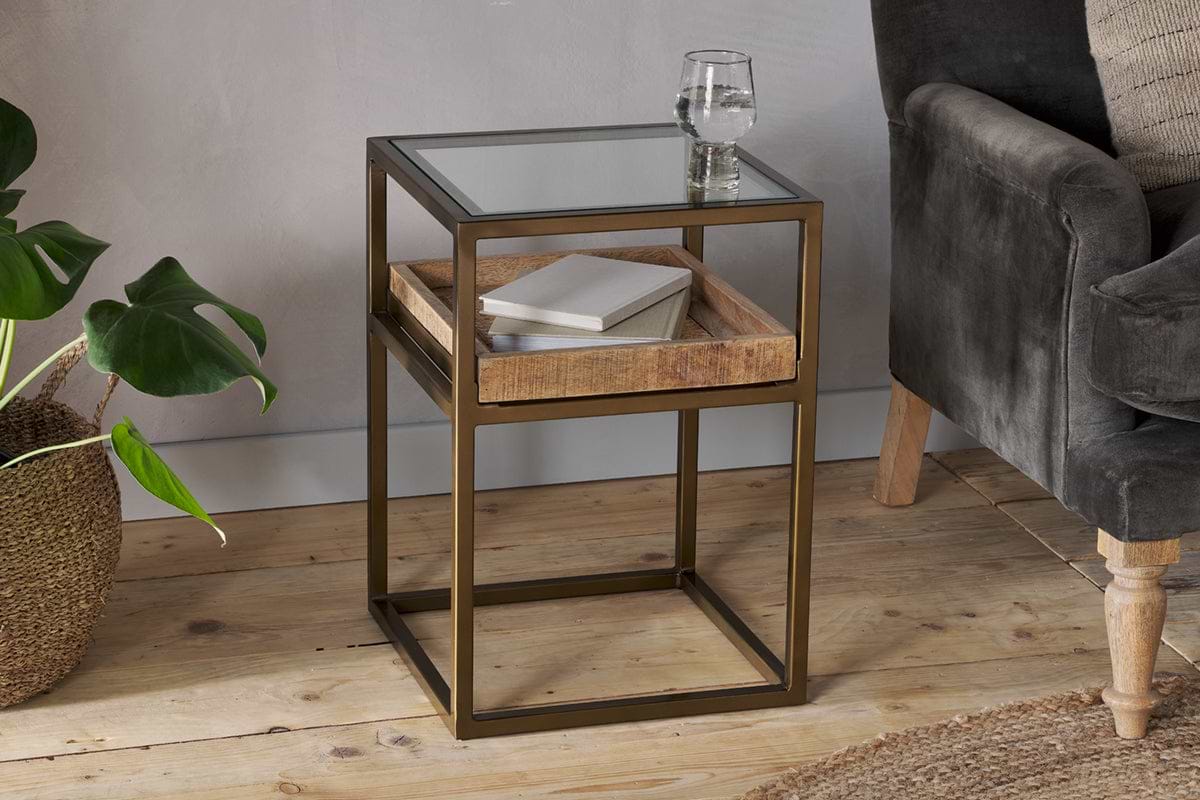
Luzon Side Table
Iron and mango wood with display shelf, small footprint, double function.
View at Nkuku →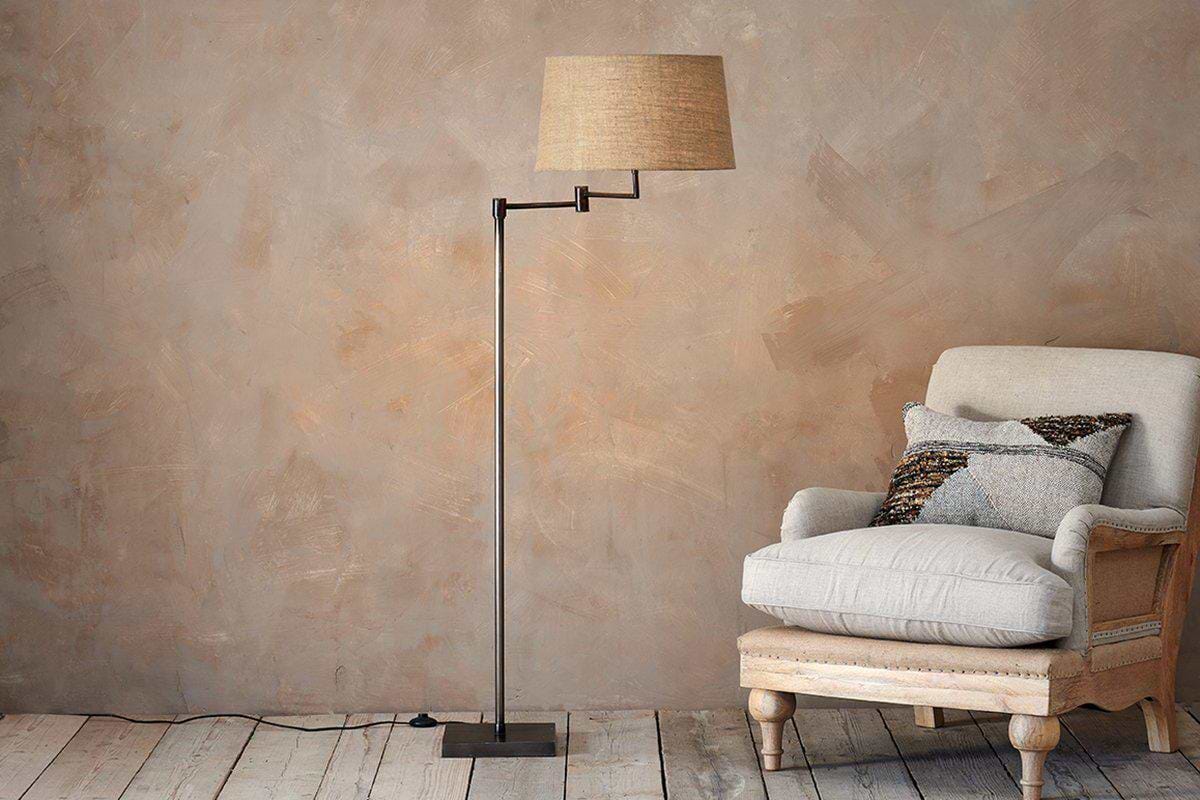
Some links above are affiliate links. If you buy through them we may earn a small commission at no extra cost to you. We only suggest pieces we think fit a calm, lived-in home.
Free guide
The Calm Shelf
12 styling ideas to help you compose calm, balanced shelves in natural texture homes.