

In a small flat, a decorative bookshelf often becomes a magnet for clutter, random chargers, or mismatched objects. Even when you start with good intentions, mixing books with too many decorations can make shelves feel busy rather than calm.
Today, you’ll see what to keep, what to let go, and how small changes in what you display can make your bookcase look tidy, soft, and settled. This works especially well in a main living area when floor space is tight because every visible surface counts.
The short version: The best way to get a calm look from a decorative bookshelf is to edit down the objects and anchor each shelf with one main shape or texture. When most shelves have space around each object, the whole room feels lighter and looks more intentional. A bookshelf can work as display and storage if you treat each layer as part of the room’s design.
Key takeaways
- A decorative bookshelf works best with a limited color palette and repeated textures.
- Most shelves look calm when about one-third is left open and uncluttered.
- Baskets, art, and houseplants help soften straight lines and break up heavy book rows.
- An engineered wood sculptural piece is a simple and affordable way to add interest, according to Wayfair.
- Handmade or vintage bookshelves are easy to find on Etsy UK, which lists over 1,000 options.
- Where this works best
- How do you keep a decorative bookshelf from looking messy?
- What materials give the calmest look on a bookshelf?
- Styling and placement
- How to use color and texture to avoid visual noise
- What is the right scale for a small space bookshelf?
- How to choose a decorative bookshelf under 80 EUR

Where this works best
A decorative bookshelf suits a small living room or hallway best when you need both storage and display but can’t crowd the space. Place the shelf where it adds something to the view, not just because it fits.
Shared spaces where storage is always tight, like a lounge that doubles as a workspace, make the strongest case for using a bookshelf as a display piece. Even a narrow hallway can handle a shallow, sculptural bookcase if you limit what’s shown. In open-plan rooms, a simple shelf can break up a big wall and add texture without feeling heavy.
A practical way to use a bookshelf as part of the design is to choose one material, such as pale wood, painted white, or matte black, and let that set the tone for anything you place on it. Baskets in matching natural fiber soften hard lines and keep cords or stationery out of sight. Overcrowding with too many objects ruins the benefit, leaving the shelf looking cluttered instead of calm.
Avoid anchoring a bright plastic cube shelf in a room full of soft fabric or vintage finds. That contrast will pull attention and look out of place, breaking the visual flow. Stick to one main finish across bookcases and accent pieces for a more unified look.
Use a sculptural, open-back shelf in a tight corner to frame a reading chair or in a hallway to draw the eye forward without blocking light.
How do you keep a decorative bookshelf from looking messy?
A decorative bookshelf looks orderly when each shelf has one main focal object, plenty of blank space, and nothing stacked in front of the other. Keep displays low and edit them often.
Lots of small objects or papers quickly make a bookshelf look crowded and random, especially in small rooms. Try using low bowls, lidded baskets, or a single stack of magazines to ground each shelf, then leave open space on both sides. This way, everything feels deliberate, not just stashed out of the way.
A calm shelf has space around each group, leaving about one-third empty is a good rule. According to design pros at Good Housekeeping, mixing books upright with a few objects like art or a plant softens the straight lines and breaks up monotony.
Unlike using deep shelves stuffed full of mismatched items, a shallow decorative bookshelf in a small bedroom or kitchen can double as a gentle display. The less you put on a shelf, the more each thing stands out and the easier it is to dust and update the look.
Put your current reads on the lower shelf near the sofa and use slim trays or bowls for loose keys or headphones to stop piles from building up.
What materials give the calmest look on a bookshelf?
The most calming bookshelf styles use matte finishes, natural fibers, and solid or engineered wood with a subtle grain. Avoid shiny surfaces and bright plastics for less visual noise.
Some materials visually shout, while others sit quietly in the room. Pale oak, birch, or painted wood with a soft texture read softer and more inviting, catching daylight gently. Engineered wood shelves in a cube or open-back form often cost less and look sculptural without being heavy or ornate, as outlined on Wayfair’s collection.
A bookshelf made of metal or high-gloss lacquer can look sharp but tends to stand out, not sink in. Compare that to a shelf with linen-lined baskets or a touch of rattan, these materials swallow glare and help other colors in the room settle down.
Soft, textured baskets and a folded linen throw add a relaxed layer. Put a jute basket on a bare shelf to soften wood and corral clutter in an entryway or next to a sofa.
Styling and placement
A bookshelf sits best against a quiet wall, anchored by one main piece, a lamp, art frame, or a low plant. Place larger items off-center for a casual, lived-in look.
Many small rooms can’t take a lot of extra furniture, so the placement of a decorative bookshelf matters more than people think. A shelf on a window wall can look harsh if the light shows every cord and edge; beside a soft armchair or at the end of a hallway, the effect is gentler. Place tallest objects toward the ends and let lighter pieces fill the center.
Styling often works best when you set down one larger anchor, such as a basket or sculpture, and then cluster no more than two or three smaller things nearby. Compared to placing objects in strict rows, loose, slightly asymmetrical groups feel softer and less formal.
Many small-space decorators now use picture lights above a low bookshelf to frame art or a plant, as seen in many gallery bookshelf features. Put lights or objects where they won’t glare on nearby screens or block traffic.
Quick calm checklist:
- Use natural wood or matte finishes for shelves and baskets
- Keep no more than three colors visible on any shelf
- Repeat one material (like rattan) at least twice
- Leave the top shelf mostly open or finished with one low bowl
Set a cube bookcase low against a window ledge, or line up two smaller shelves as a room divider behind the sofa.

How to use color and texture to avoid visual noise
Limiting color and repeating textures keep a decorative bookshelf from looking too busy. Stick to neutrals and natural textures for the calmest feel.
Color jumps out more than most objects, too many bright book jackets or random ceramics can pull the eye in different directions and make the shelf look untidy. Instead, group books by similar palette, cool blues with whites, or warm browns and tans together, so the shelves feel pulled together. Stack some books horizontally and keep a plant or bowl in between to soften color blocks. This breaks up hard lines and helps the shelf fade into the overall room palette.
One good way to manage texture is to repeat the same weave or finish in different places. A linen-covered box, a clay vase, and woven baskets work well because the eye understands the pattern and relaxes. Bold, shiny objects stick out. Unlike a glass shelf that catches every reflection, natural finishes keep the look steady from morning to night.
When placing art, stick to a single frame color on any given shelf. Lay a soft throw or basket nearby to repeat a natural shape. Display a favorite art print propped up behind a row of upright books to add depth without adding another busy layer.
Anchor a shelf of books with a plant in a clay pot, and echo the pot’s color elsewhere for a cleaner, softer look.
What is the right scale for a small space bookshelf?
A bookshelf should match the height of nearby furniture and not block light or doorways. Small flats work best with shelves no taller than the tallest windowsill or sofa back.
Tall bookshelves can feel top-heavy in a low-ceiling room. In a small apartment, a low, wide shelf works as a divider, media stand, or extra storage. The scale matters as much as the style: a shelf that “leans in,” such as a ladder or open-back cube, gives storage but keeps things from feeling crowded.
Compare a solid, floor-to-ceiling bookcase, which can read heavy in a tight bedroom, with a modular cube unit. The cube shelf offers display but doesn’t close in the space. Most floating shelves sit about as deep as a hand from wall to edge, enough for hardcovers but not deep enough to pile random items behind others.
A bookshelf works best when it lines up with the biggest piece in the space, according to many small living room decorators. If a shelf is wider than the sofa, it can feel off; if it’s smaller, it acts almost like a bench or console. Pair the right proportions with less “stuff” for a lighter look.
Fit a shallow, open-back bookshelf behind a sofa or in a bedroom nook, and keep the height lined up with nearby surfaces for best balance.
How to choose a decorative bookshelf under 80 EUR
Affordable decorative bookshelves are easy to find if you focus on engineered wood, cube shapes, or simple painted finishes from retailers like Wayfair or handmade sellers on Etsy UK.
Budget is a real factor in most home projects, especially for renters or those just starting out. Major furniture brands now offer a range of sculptural or cube bookcases made from engineered wood. Wayfair’s selection includes simple open designs that sit well in any calm living room, often priced under 80 EUR. Most are easy to assemble and lightweight enough for frequent moves.
For something less common, Etsy UK has over 1,000 results for “decorative bookcase”, from both handmade sources and vintage sellers. These bring extra texture and character not found in mainstream stores, think reclaimed pine, painted compact corner shelves, or hand-woven baskets as stacking modules. Meanwhile, a solid wood cube shelf usually costs more, but lasts longer and stands up better to daily use.
| Type | Material | Best Room Use |
|---|---|---|
| Engineered wood cube | Affordable, lightweight | Bedroom, small entry, corner |
| Painted MDF | Smooth, modern | Living room, workspace |
| Solid wood | Sturdy, longer-lasting | Larger spaces, visible walls |
| Metal frame | Slim, sharp lines | Studios, urban looks |
Pick a sculptural bookshelf style that’s right for your own space: corner bookcases redefine a spare nook, cube bookcases organize a bedroom, and open-back shelves divide a small studio or living kitchen. Check secondhand and vintage sources for even more affordable options in solid wood, rattan, or hand-painted finishes.
Line up a light cube shelf in a bedroom corner, and use stackable woven baskets for extra storage without adding chaos.
What tends to hold up with styling decorative bookshelves
Having seen many rooms and bookcase setups, some patterns show up again and again. Matte finishes tend to get recommended for bookshelves near daylight because they don’t create distracting reflections. Editors, decorators, and homeowners consistently say that shelves look better when at least a third is empty, which gives each shape room to settle. Even more, repeating one type of basket, color, or plant softens the visual noise and makes the shelf seem more woven-in to the rest of the room.
One fix that keeps coming up is using art, houseplants, or a sculptural vase to break up long rows of spines. It’s rarely the amount of money or the rarity of the bookcase, it’s the restraint and the way you show what you keep. A bookshelf works best when you use its shape as a quiet backdrop, not the whole story.
, Mara, Loom & Glow
Common questions
How do you make bookshelves look attractive and intentional?
The most effective way to make bookshelves look attractive and intentional is by limiting objects and leaving open space for each item to breathe. Using repeated materials and sticking to a soft, neutral color range draws everything together. Shelves styled this way feel more balanced and less scattered.
What is the basic rule for styling a bookshelf?
The basic rule for styling a bookshelf is to group items in sets of one to three, mixing books with a few decorative pieces while leaving gaps. Most decorators also suggest changing the arrangement seasonally for a fresh look, rather than filling every gap permanently.
What should you look for in a good-looking bookshelf?
A good-looking bookshelf uses clean lines, matte textures, and a solid or simple engineered wood structure for stability. Open-back or modular cubes are practical for both small and larger spaces. Sturdy construction and a finish that resists marks help the shelf stay attractive with everyday use.
What are some unique, quirky ideas for a decorative bookcase?
Quirky decorative bookcase ideas include stacking art prints behind books, using low picture lights, or mixing in houseplants and baskets. Handmade or vintage shelves add character, as do painted finishes in soft, grounding tones. Open cubes or ladder bookcases also create a sculptural element in quiet rooms.
Explore more calm combinations inside our Shop The Look .
Shop the Look
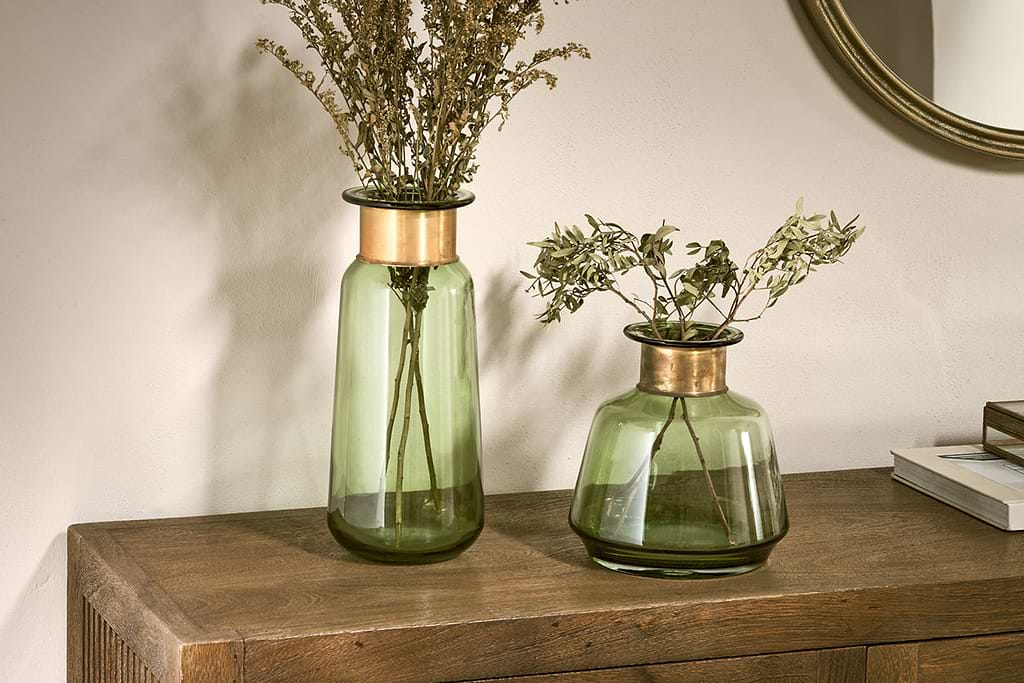
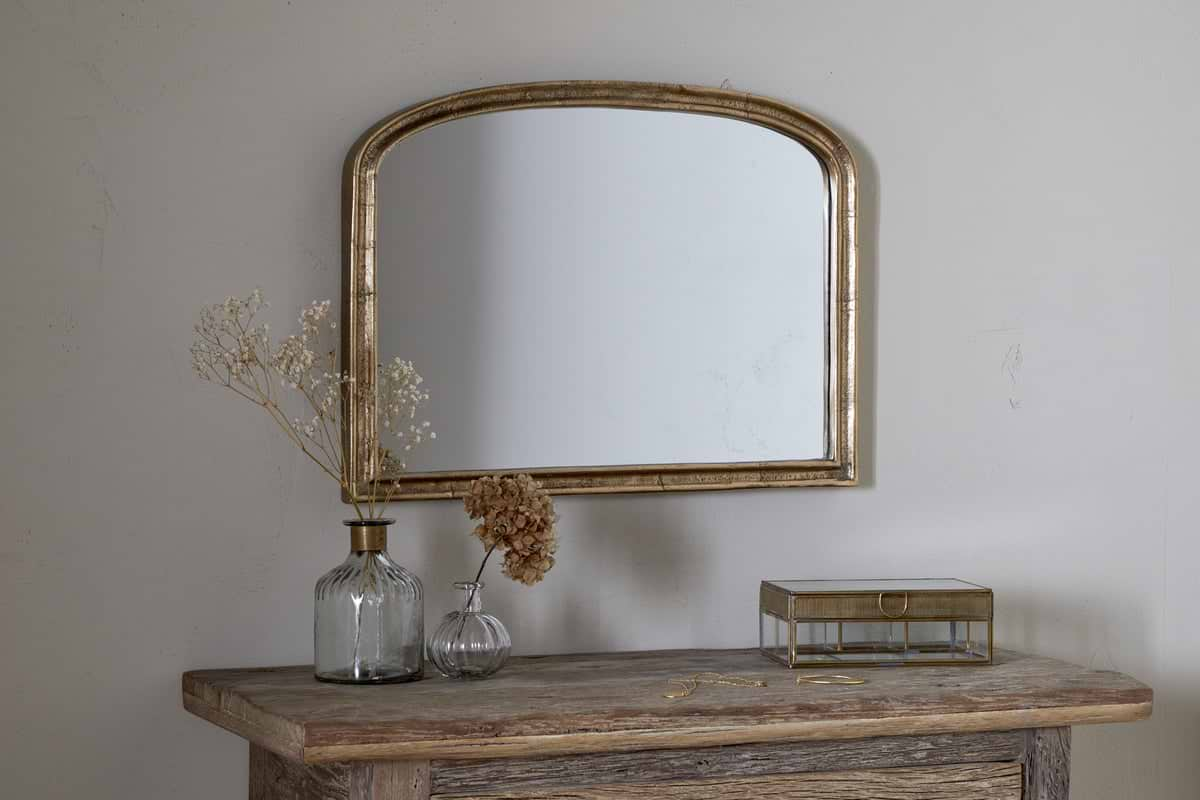
A few Nkuku accents that bring texture to a curated bookcase without adding noise.
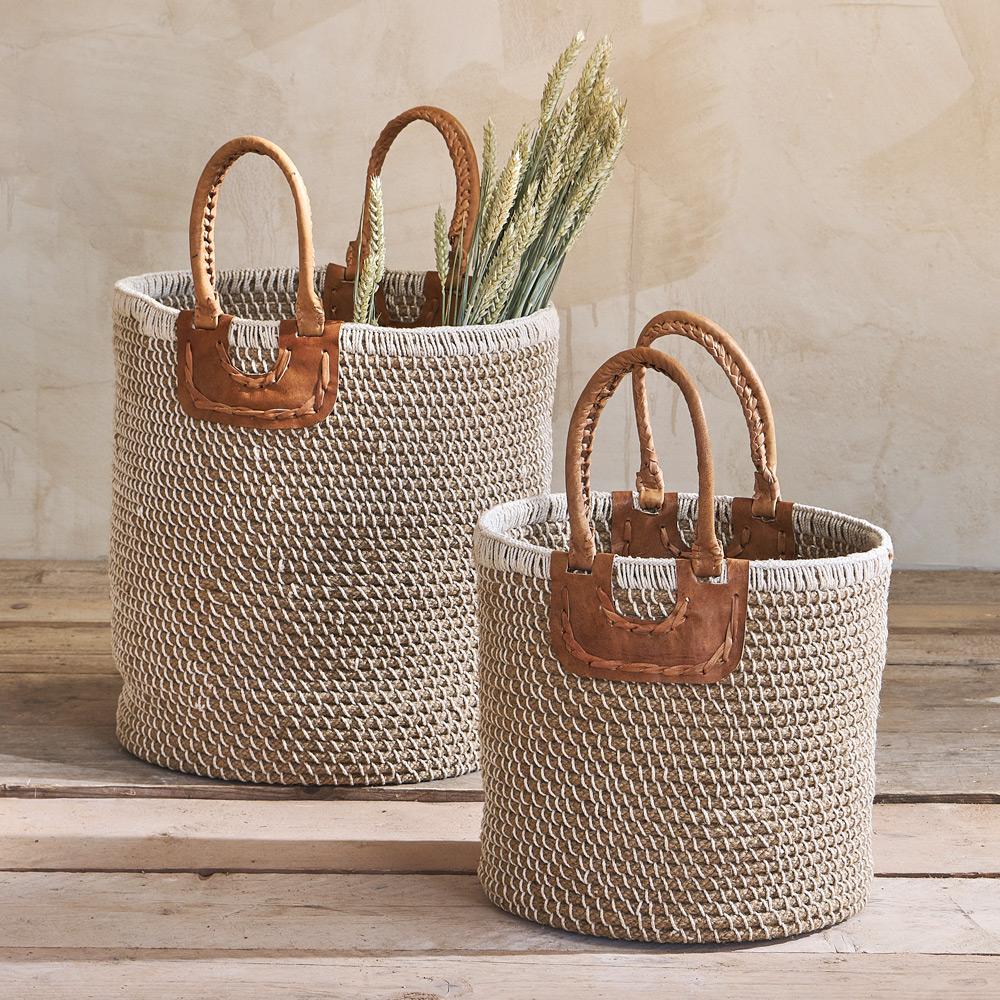
Indra Coil Basket
Natural coil weave, neat enough to leave out, large enough to hide clutter.
View at Nkuku →Some links above are affiliate links. If you buy through them we may earn a small commission at no extra cost to you. We only suggest pieces we think fit a calm, lived-in home.
Free guide
The Calm Shelf
12 styling ideas to help you compose calm, balanced shelves in natural texture homes.