

Even a clean room can feel cluttered when too many objects crowd a small space. If you search for tiny bedroom ideas, most guides show clever tricks, but few help the room actually feel calm every day. Extra shoes under the bed, a wardrobe that blocks the window, or bedding in the wrong colour can tip the balance from cosy to cramped.
Today, you will see which layouts, furniture, and design decisions can free up space and support real-life routines. You will know what to keep, move, or remove, without guessing. This works especially well in city flats with low light and awkward corners when you have to fit sleep, storage, and downtime into one compact area because there’s simply no extra room for trial and error.
The short version: The most reliable tiny bedroom ideas rely on keeping the largest item, usually the bed, anchored in one zone, then selecting storage that fits above or below and removing visual clutter. One or two small material or placement changes can steady the room, making it feel open enough for both sleep and daily use.
Key takeaways
- A bed with storage drawers or a day bed creates open floor area and hides everyday items.
- Vertical shelving and wall sconces keep tabletops and walking space clear.
- Selecting one light and one pale main colour stops the walls from feeling heavy.
- A day bed with storage can pull out to a super king size for guests, according to Dreams.
- A narrow, high wardrobe uses less floor compared to a wide chest or double dresser.

How do you pick the right bed position in a tiny room?
The best bed position in a tiny bedroom is usually with the head against a short or windowless wall, leaving open floor next to the entry and closets. Anchoring the bed clears walking space and prevents blocked drawers or doors.
In many small bedrooms, especially in rented flats or converted attic spaces, the bed often claims most of the real estate. Placing it flush in a corner may free up more open floor, but it can leave one person feeling boxed in and make sheet-changing awkward.
When the bed sits lengthwise against the longest wall, you get a wider passage near the door and enough room for a narrow table or basket beside it. Centering the bed only works in a square-shaped room that has the same empty space on both sides; otherwise, it makes the space feel tight on entry.
A corner bed with a floating nightstand lets you reach the lamp or a glass of water with nothing bulky underfoot. Unlike a traditional layout with nightstands on both sides, this setup gives you more wiggle room to stand or open a wardrobe.
For anyone sharing a small space or outfitting a guest bedroom, try a day bed with an under-bed drawer. According to Dreams, these can extend into a super king size for company and tuck away again for solo use.
The key rule: A bed reads lighter when the frame leaves space underneath for storage or air. Use a slim platform or a classic day bed, it makes cleaning easier and keeps visual weight down.
Place a narrow, non-glossy rug next to the bed to soften steps and keep sound low. This arrangement opens up the centre of the room and looks tidier with shoes and baskets stored beneath.
Where this works best
Corner beds and integrated storage work best in small apartments, attic rooms, or teen rooms where every inch matters. Moving the bed to a wall or corner makes more of the floor useable.
Tiny bedroom ideas are most practical in flats with no spare storage: places where you have to walk past the bed to get anywhere, or where landlords ban built-in cupboards. The right layout helps you keep a space flexible instead of fighting with bulky furniture that only fits one way.
In shared rooms or guest spaces, anchoring the bed to a short wall (even under a window) allows you to add a sofa bed or storage bench against another wall. This arrangement gives you a spot to sit, stack folded laundry, or tuck away bags without crowding the bed area. It’s also easy to switch up.
Avoid squeezing a double bed into a room where it blocks doors or windows. These rooms function better with a single bed, a daybed, or a slim profile loft bed. When the bed sits under a window, use floor-length curtains in a pale colour to keep the light soft, not harsh.
Try this in a studio or box bedroom where the corners are otherwise wasted, and it’s too easy for clothes or bedding to pile up near the door.
How can you use storage that does not look like storage?
The best storage for small bedrooms is disguised as benches, headboards, or floating shelves, which double as display or seating. Furniture with closed drawers or hidden compartments prevents clutter from building up in plain sight.
A wardrobe with long, narrow doors instead of drawers along the floor leaves more of the walls clear and gives the room a lighter look. Floating shelves and slim book ledges use wall height for books or baskets without sticking out into the path.
A low platform bed with built-in drawers lets you store bedding, jumpers or seasonal shoes where they stay out of sight but easy to reach. A bed with visible under-bed storage looks busier than a design with a solid skirt or pressure-closed fronts.
Unlike storage cubes or open bins, a wooden storage bench at the foot of the bed serves both as a seat and as storage for blankets and sheets. According to Dreams, multi-purpose furniture works especially well for rooms under pressure to do more than just sleep guests.
For a small studio or guest bedroom, consider a wardrobe with mirrored doors, this hides storage and gives the sense of extra depth. Keep only a quarter of visible shelf space filled to avoid a cluttered effect.
Use vertical wall space to put up floating hooks or a narrow shoe rack where the space near the door usually goes unused. A row of wall pegs above a storage bench is a simple, apartment-friendly solution for throwing off jackets or bags after a long day.
How do you zone a bedroom for sleep and living?
Zoning a small bedroom works by using furniture or fabric to gently divide sleep, storage, and dressing areas without building extra walls. Lightweight screens or a change of height can mark different zones.
Many bedrooms have to serve more than one purpose, getting dressed, watching a film, or working at a desk. A loft bed over a work nook instantly frees up space for a small table below, using the air above for sleep and the corners below for storage.
Low open shelving or a slim storage bench can act as a “soft wall” to give a hint of boundary between the bed and the rest of the room. Placing a striped rug perpendicular to the bed visually stretches the space and brings a sense of order to busy floor plans.
Compared to a clothes rail in the open, a tall narrow wardrobe keeps clothes hidden and creates a calming line from floor to ceiling. A linen curtain draped over a wall hook can shield clutter or a hanging rail, while still moving with the light.
Use a bed frame with drawers if you dress in the bedroom and need to keep floors bare. The space under the loft bed works for a compact desk or a storage bench, which supports homework, hobbies, or laundry day.

Styling and placement
Styling a tiny bedroom means using a tight palette, repeating a few natural materials, and spacing pieces so nothing overlaps or fights for attention. Calm styling starts by letting the largest piece lead.
In a small room, every extra object stands out. The fewer colours and patterns you use, the more open the room feels. Plain bedding in a clay or oat colour blends into the wall instead of popping out visually the way bright patterns or dark velvets do.
Organic materials such as linen, jute, and pale birch let you mix soft and hard surfaces without clashing. A clay bowl or a seagrass basket takes up less visual space than a stack of trinkets or rigid organisers. Natural textures look lighter than glossy or plastic finishes.
Compared to shelving stacked with mismatched accessories, leaving only a few books or a single woven basket on a floating shelf is quieter for the eye. Following the principle of “one focus per wall” works best when you want to prevent the room from feeling messy.
Quick calm checklist:
- Keep to two main hues and one accent (off-white, sand, soft clay).
- Use linen, clay, wood, and woven baskets instead of plastics.
- Leave at least half of each open shelf empty or with one object.
- Choose one bold shape per wall: headboard, bench, art piece, or plant.
Set up the bed first, then space out storage items so each wall feels clear when you walk in. Adding a storage bench under the window or a floating nightstand beside the bed leaves the centre open and gives everything a home.
What is the one-colour rule for small bedrooms?
Using one soft colour for most of the walls, bedding, and curtains keeps a tiny bedroom from feeling choppy or small. Pale, muted colours reflect more light and steady the mood.
Light and calming colours are repeatedly recommended for small bedrooms because they help walls “recede,” giving the impression of a larger space (Dreams). A muddy white, soft clay, or washed sand looks better across wall, duvet, and curtains than a mash of brights or deep shades.
The one-colour rule works because when the eye moves across similar tones and textures, it picks up fewer awkward breaks or jumps. Unlike rooms with three or four competing patterns, a single soft colour lets the shape of the space breathe quietly.
Curves and soft shapes, a rounded headboard, a linen curtain, a rolled bolster, make the most of a monochrome room. The light looks even, not patchy or busy, with only a few contrast points (such as a clay bowl or a simple print) to draw focus.
If your rental rules ban painting, use bedding, curtains, and a rug in close shades, and introduce one contrasting object, such as a wooden bench or framed art, so the room feels finished, not sterile.
Applying this rule means less time spent matching, and a better sense of calm on busy mornings.
The two light sources that do the work of four
A wall sconce and a small table lamp together provide enough adjustable light for nearly every task in a tiny bedroom. Fewer lights mean fewer cords and more freedom for other essentials.
Using two well-placed light sources is simpler and cleaner than relying on a strip of overhead spots or bulky floor lamps. A wall sconce, preferably one that points down or bounces softly off the wall, gives gentle light for reading or preparing for bed, while a modest table or clip lamp covers tasks like dressing or folding laundry.
Compared to four separate lamps, a paired setup uses less surface and floor space and keeps high-traffic corners open. A table lamp with a linen or opaque glass shade softens bright bulbs and diffuses light across the room.
Floor lamp cords and giant shades eat up precious walking space, while small fixed lights or sconces can clear surfaces for trays, books, or a glass of water. For rented spaces, battery-operated wall sconces or clamp lights work without new wiring.
Mirrors also magnify any available daylight, especially when placed opposite the window or bedside light. One solid-framed mirror creates the illusion of more depth without doubling up visual clutter.
Put the sconce by the bed and the table lamp at the dressing spot or desk, making sure both are easy to reach without knocking things over in low light.
There’s a moment midway through setting up a tiny bedroom when it feels like something is still “off”, the room stays busy no matter how much you tidy, or your eye keeps tripping over bold colours, cables, or too many small objects. Usually, the problem isn’t that you have too little storage or not enough decor, it’s that too many shapes or surfaces compete at once. Choosing one anchor, a bed against a wall, one colour, or one shelf, gives everything else a place to rest, so the room stops feeling busy and starts working for you.
The difference shows quickly: once the main focus is set and loose ends are hidden, even a very small bedroom feels open and easier to keep clear.
Save this idea for later.
What tends to hold up with tiny bedroom layout and storage choices
Reviewing hundreds of small spaces and plenty of reader questions, two patterns stand out. Neutral bedding and consistent pale wall colours get recommended over and over by decorators, especially in clutter-prone rooms with little light, because they calm down hard lines and busy edges. Storage benches and floating shelves also stay popular because they avoid crowding the floor, keeping spaces flexible for renters and anyone who changes up a room often.
Matte finishes on furniture and wall lamps tend to wear better near windows since they don’t reflect every shaft of light or mark as easily as gloss. In almost every case, using one or two clear focal points, such as a corner bed and a wall sconce, makes even awkward-sized rooms feel calmer. The right storage disappears when not in use, rather than drawing notice.
, Mara, Loom & Glow
How do you style a compact bedroom for guests?
Styling a compact guest bedroom requires multi-purpose furniture that tucks away easily and a calm colour palette to make the space feel welcoming. A day bed with an under-bed drawer can extend into a super king size for company and be stored again for solo use, as noted by Dreams. Using plain bedding in a clay or oat colour helps it blend into the wall, while a storage bench at the foot of the bed provides both seating and hidden space for blankets.
Keep visible shelf space only a quarter full to avoid a cluttered effect, and use vertical wall space with floating hooks or a narrow shoe rack near the door. A linen curtain over a wall hook can shield a hanging rail, maintaining a tidy appearance for guests without needing built-in storage that many rented flats prohibit.
Common questions
How do you style a tiny bedroom to feel spacious?
The easiest way to make a tiny bedroom feel spacious is to stick to one main light colour across the walls and bedding. Use storage that tucks away under the bed or floats on the wall, and style with only two or three display objects. Open space on shelves and pale curtains add depth.
What is the best layout design for a very small bedroom?
The best small bedroom layout puts the bed against the shortest solid wall, frees up the centre, and uses tall, narrow storage. Where space allows, a day bed with drawers or a corner bed setup keeps floors clear and traffic flowing. Limit large pieces to only what you need to live comfortably.
What furniture is a must-have for maximising a small bedroom?
A bed with under drawers, a wall-mounted nightstand, and a tall wardrobe are the must-have furniture for maximising a small bedroom. Multi-purpose benches and floating shelves use air space for storage. Avoid bulky chairs or deep dressers that block windows or entryways.
How can you use colour and light to make a tiny bedroom look bigger?
Light, calming colours and a pair of small lamps or sconces make a tiny bedroom look bigger by reflecting light and avoiding dark corners. Keep patterns minimal and use mirrors opposite windows. Pale walls, bedding, and natural material shades soften harshness and make the room feel more open.
Explore more calm combinations inside our Shop The Look .
Shop the Look
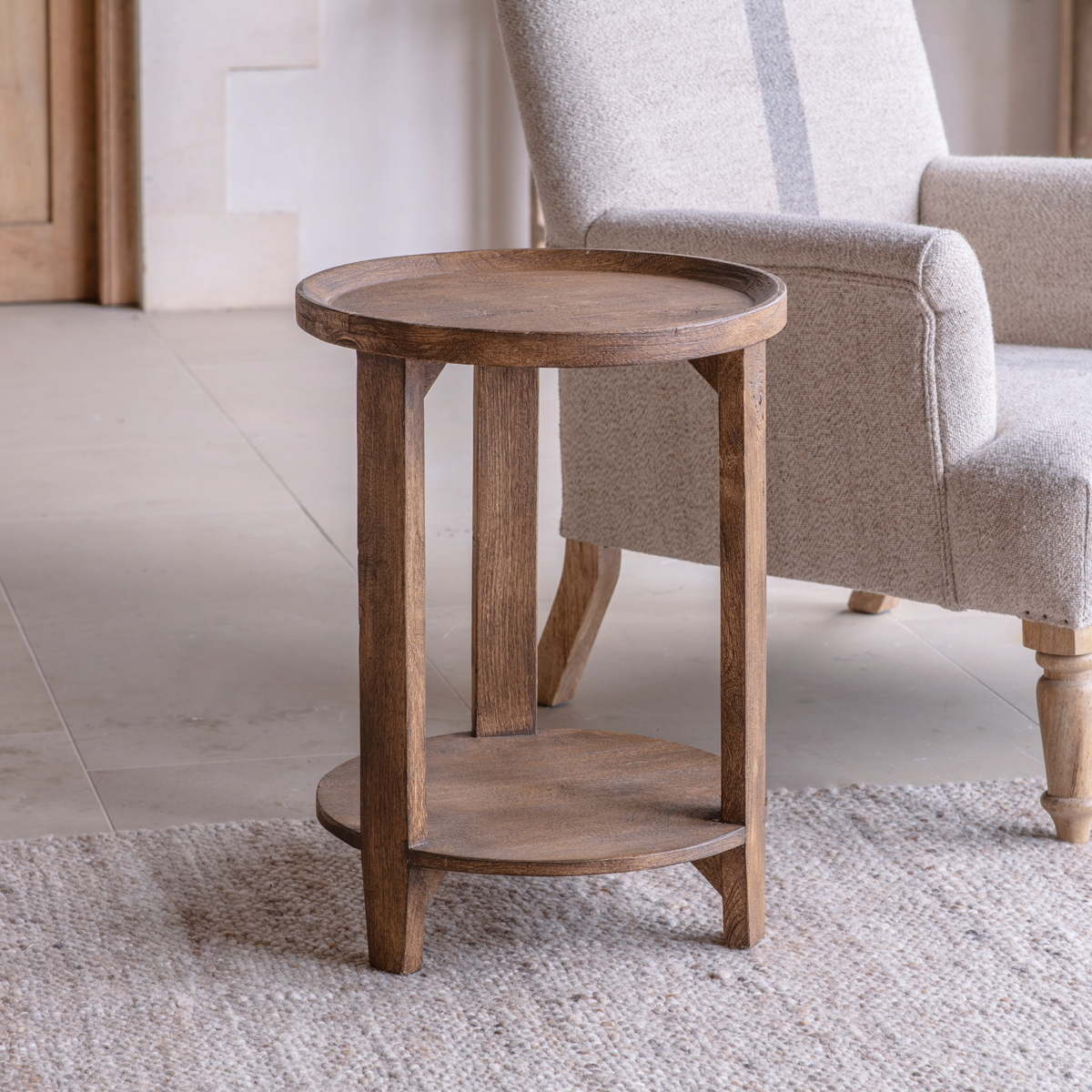
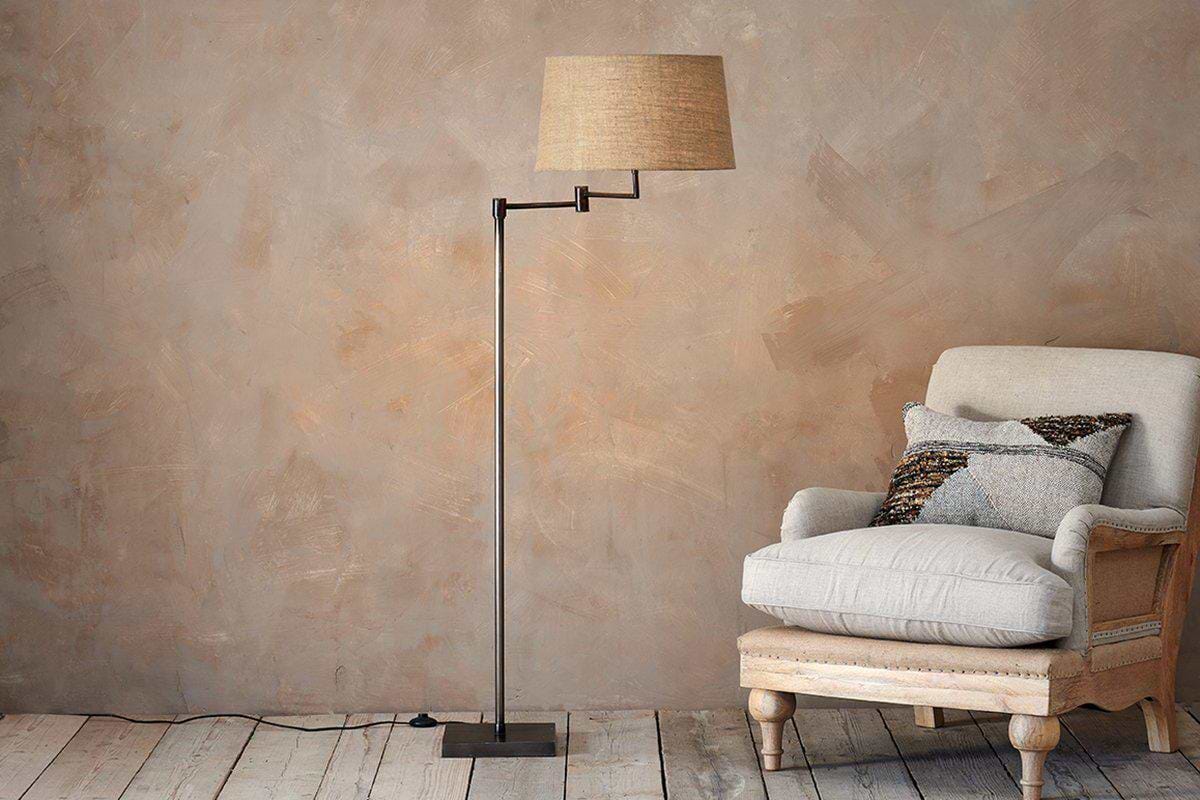
Nkuku pieces scaled for tiny bedrooms: slim, sculptural, and warm.
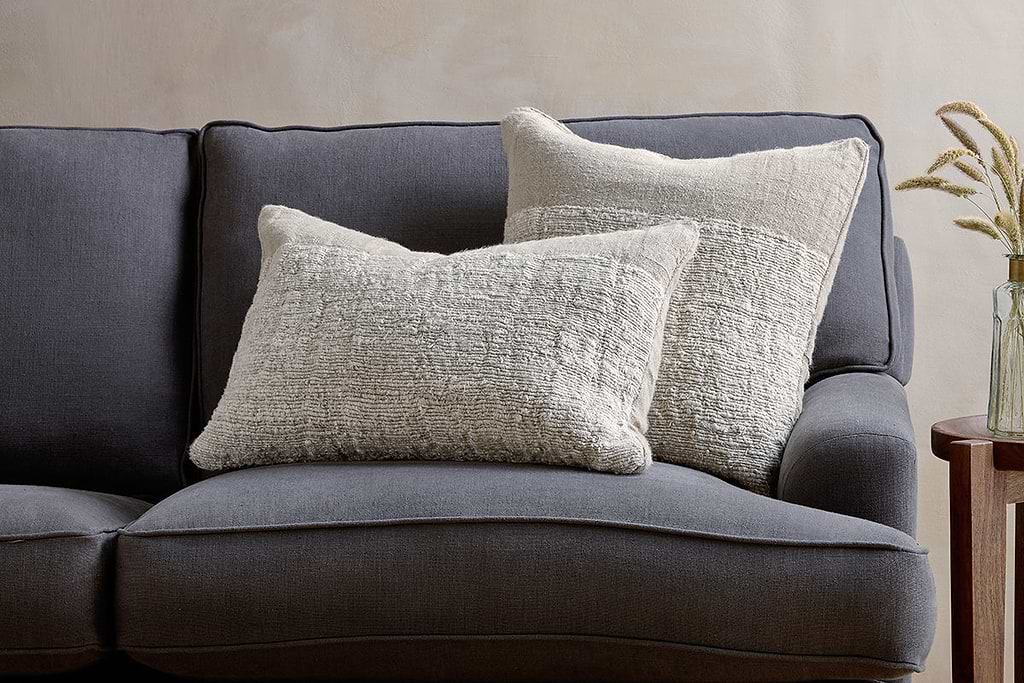
Puli Linen Cushion
Recycled linen in natural, pairs with woven textures and aged wood.
View at Nkuku →Some links above are affiliate links. If you buy through them we may earn a small commission at no extra cost to you. We only suggest pieces we think fit a calm, lived-in home.
Free guide
The Calm Shelf
12 styling ideas to help you compose calm, balanced shelves in natural texture homes.