

Living rooms take the brunt of life’s mess. Between family, work from home, and the slow build of objects, finding calm can be hard. Many search for dark green sofa living room ideas hoping a new anchor piece will bring order, only to end up with spaces that feel cramped or mismatched, especially with strong colours or mixed materials in the mix.
Today, you’ll see the clearer way: one grounded focus, a limited palette, and adjustments that actually make a difference. This works especially well for a small apartment living room when storage is tight and windows are limited because dark green absorbs visual clutter and softens harsh layers.
The short version: The best dark green sofa living room ideas focus on making the sofa the main anchor, balancing with light walls, warm neutrals, and a few natural accents. Limiting palette and texture choices keeps the room calm and solves typical problems of clutter and heaviness.
Key takeaways
- A dark green sofa stands out most when surrounded by light walls and soft, neutral accessories.
- Natural textures like linen, wood, and sisal balance the visual weight of a green velvet sofa.
- Dark green pairs well with both botanical elements and minimalist artwork for grounded style.
- Most designers recommend keeping about two-thirds of your living room accents neutral to avoid heaviness, according to Barker & Stonehouse.
- Brass or gold is the metallic accent that feels warmest next to a green sofa.

Why is a dark green sofa so grounding?
A dark green sofa works because the deep colour absorbs light and distracts from smaller clutter, acting as a natural anchor. When paired with lighter walls, the effect calms the room and draws the eyes to one spot.
In many homes with busy patterns or lots of daily items, a darker sofa gives the eye a place to land. Unlike lighter seating, a dark green Chesterfield or clean-lined Scandinavian style piece doesn’t show as many marks or pet fur, which lowers the stress of upkeep.
Daily use also proves the colour stays restful over time. According to Designers of Sofas 4U, dark green is considered a statement piece that can update a standard living room without demanding constant changes to the rest of the space.
A bare space with nothing but a green sofa can feel empty, but a sofa lost among too many objects feels cluttered. The pure anchoring effect works best when other elements are kept simple, letting the main piece do the visual work.
Where this works best
A dark green sofa fits best in rooms with quiet wall colours, natural light, and low ceilings because it absorbs attention without shrinking the space. Small urban apartments and open-plan family rooms both benefit from a strong, quiet anchor.
Open layouts with limited storage need furniture that holds its ground. Dark green works here because it’s deep enough to hide scuffs but rich enough to look considered. In a small studio or rental with white paint and little space for clutter, a single grounded piece offers all the impact needed.
Avoid pairing a dark green sofa with other heavy, dark wood furniture unless the room is extra bright. Too many deep or cold pieces together drag the light down and make the area look much smaller than it is.
The best effect comes in everyday rooms where children, pets, and work all compete for attention. Instead of crowding surfaces with small objects, keeping the rest of the space simple allows the green sofa to act as a soft barrier between “living” and “working.”
How do you keep a dark green sofa from overwhelming the room?
A dark green sofa can look too bold if it’s surrounded by dark walls, oversized furniture, or competing colours. The solution is to give it space, light backgrounds, and softer accents close by.
Many find the problem of a room feeling “heavy” starts not with the sofa, but with the surrounding layers. A dark rug, grey curtains, and deep wall colour together pile on visual weight. Swapping even one major element, like switching curtains to white cotton, lets the green recede and breathe.
A velvet sofa with squat coffee tables looks crowded, while a lean, open-legged wood piece lets air move through the space. Most designers recommend not covering the floor with a fully dark rug; instead, pairing a jute rug styling approach opens the room visually because the lighter weave breaks up the mass.
If your room lacks large windows, mirrors can help bounce some light back and keep the space from feeling boxed in. Even just a single reflective surface, like a brass side lamp, can break up all the dark shapes and add a lift.
Colour pairings for a dark green sofa (beyond the obvious)
The best colours with dark green are warm neutrals like cream and ochre, pale pink, and soft grey, not just white. Earthy tones and gentle metallics add warmth without fighting for attention.
Classic white walls never fail, but a room relies on more than walls. Mixing in natural wood, oak or walnut, pulls out the warmth in the green, while thin black metal legs or a single navy cushion adds a little edge without feeling cold.
Unlike pairing with lots of bold primary colours, using soft, muted tones eases the contrast. Designers often use beige, putty, and light tan for a background, with occasional rusty or burnt orange cushions for comfort. Warm neutrals absorb light and help avoid the flatness that happens in all-grey rooms.
Gold is still the one metallic that pairs easily with green, especially green velvet, because it looks warm against the cool base. Silver and chrome, by contrast, often feel cold and harsh, breaking the gentle mood. Dark green velvet creates an elegant focal point and pairs beautifully with gold accents in any season.

Styling and placement
Placement works best when the sofa sits opposite the main light source and isn’t crowded by other large furniture. A classic green sofa should stay clear of clutter underneath and above for a calm effect.
Small rooms call for pared-back styling, not lots of trinkets. Instead of filling every wall with shelves or oversized art, try one solid table and a stack of slim books. Using fewer, larger pieces, like a woven basket for magazines and a clay plant pot, keeps the area feeling purposeful but not sparse.
The best styling avoids false symmetry or cramming every surface. A balanced approach might put one leafy plant to the left of the sofa, a floor light to the right, and skip excess cushions so the shape stays visible. Pale curtains or sheer linen panels soften the lines at the window and help light bounce gently across the sofa.
Quick calm checklist:
- Stick to 3 or fewer main materials (wood, linen, and glass work well).
- Keep the area around the sofa clear (no baskets or tables directly blocking the base).
- Choose a consistent light-neutral palette for nearby walls, rugs, and curtains.
- Add one plant or natural accent for depth but avoid cluttering every surface.
Which textures and materials bring balance?
Velvet adds softness and depth to a green sofa, but natural weaves like linen and jute create balance by keeping the room from feeling stuffy. Mixing finishes spreads out visual weight.
Many rooms with monochrome colour fall flat because every surface reflects light the same way. Velvet soaks up light and feels soft, while linen looks casual and dries quickly after washing. In contrast, a glossy leather cushion sits high and shiny, making the space feel harder and colder.
Wood in a pale or medium tone, ash, birch, or walnut, grounds the sofa and keeps the look from drifting too modern or too rustic. A simple wood shelf with subtle grain behind the sofa can pull the whole look together without feeling staged. The use of a jute rug offers a practical, warm base that hides crumbs and stands up to daily wear.
Compared to full synthetic or high-shine finishes, mixed natural textures welcome touch and look better with age. Rooms that keep to breathable fabrics and matte pottery instead of plastics or metals stay soft and comfortable through seasons.
How can you change the mood with a green sofa?
A green sofa is versatile, it can set the tone for a botanical, Scandinavian, or mid-century modern mood depending on what it’s paired with. Lighting, throw colours, and wall art make the difference.
For a botanical mood, add layered plants with different leaf shapes and heights near the sides of the sofa. Sunlight passing through plants adds shifting shadow, and low, matte pots keep things from looking too busy. Artwork in gentle watercolour or simple line drawings above the sofa blends best, based on designers’ ideas for botanical themes.
For more structure, a mid-century mood works with slim, low furniture, rounded wooden feet, framed art, one textured lamp. Scandinavian rooms benefit from lots of white space, pale wood, and a single striped or neutral cushion. Adding warm neutral living elements, like an oatmeal-toned throw, makes the space feel softer.
To change the mood, shift just one or two accents: trade a bold-pattern cushion for a plain linen one, or switch a ceramic vase for a rattan tray. The sofa will pull the look as long as nothing heavier sits next to it.
Sometimes, the real improvement arrives not just from shifting colours or textures, but from settling on a single focal point. This decision makes the rest of the living room less stressful, helps limit daily tidying, and solves the heaviness that comes from too much visual competition.
The moment you notice something is off often happens at the end of the day, when toys, cups, throws, and stray shoes pile up. The living room stops feeling restful and instead looks busy, even if you try to keep it neat. The cause is usually too many fighting focal points or mismatched tones right next to each other.
Many homes line up stronger objects, dark woods, jewel-toned cushions, deep rugs, and then wonder why the sofa’s colour feels lost or the room seems crowded. This can matter more now as we use one space for work, rest, and family, without the option to close the door on visual mess.
One grounded sofa lets you reset the room quickly. The whole space feels lighter, both visually and on the nerves.
Save this idea for later.
What tends to hold up with dark green sofa living room ideas
The most lasting rooms with a dark green sofa rely on clear choices about palette and texture. Reviewers and decorators agree that natural materials, linen, jute, raw wood, take on daily wear and soften the effect of deep colour, while glossy, synthetic accents often pull focus or look cold. Matte finishes get recommended for surfaces near windows, since they deflect glare and won’t compete with the colour of the sofa. The simplicity of limiting colours and keeping one bold anchor has proven, across many rooms, to make both tidying and styling more manageable for most homes.
, Mara, Loom & Glow
Common questions
What colour walls look best with a dark green sofa?
Light, soft neutrals such as warm white, cream, or putty are the best wall colours with a dark green sofa. These shades reflect more light, making the room feel open, and allow the sofa’s colour to stand out without the room looking crowded or heavy. Balanced wall colour simplifies everyday styling.
How do you style a living room around a green sofa without it feeling overwhelming?
Keep the rest of the palette neutral, use lighter textiles, and avoid clutter on nearby surfaces for the most calming result. Large plants, pale wood, and simple artwork support the green sofa’s impact without letting it overpower the space. One or two strong accents are enough to finish the look.
What colour cushions complement a dark green sofa?
The best cushion colours for a dark green sofa are gentle neutrals like beige, linen, pale pink, or warm mustard. These colours lift the green and break up the block of colour with subtle contrast. Avoid using multiple jewel tones at once, which can feel harsh or busy.
Are dark green sofas still in style for 2026?
Dark green sofas remain in style and are often used as statement pieces in new living room designs for 2026. According to recent designer recommendations, their classic quality works across different styles and is easy to refresh with simple changes to walls or accent pieces rather than replacing the sofa itself.
Explore more calm combinations inside our Shop The Look .
Shop the Look
Textured cushions and a gentle vase to soften and ground a dark green living room.
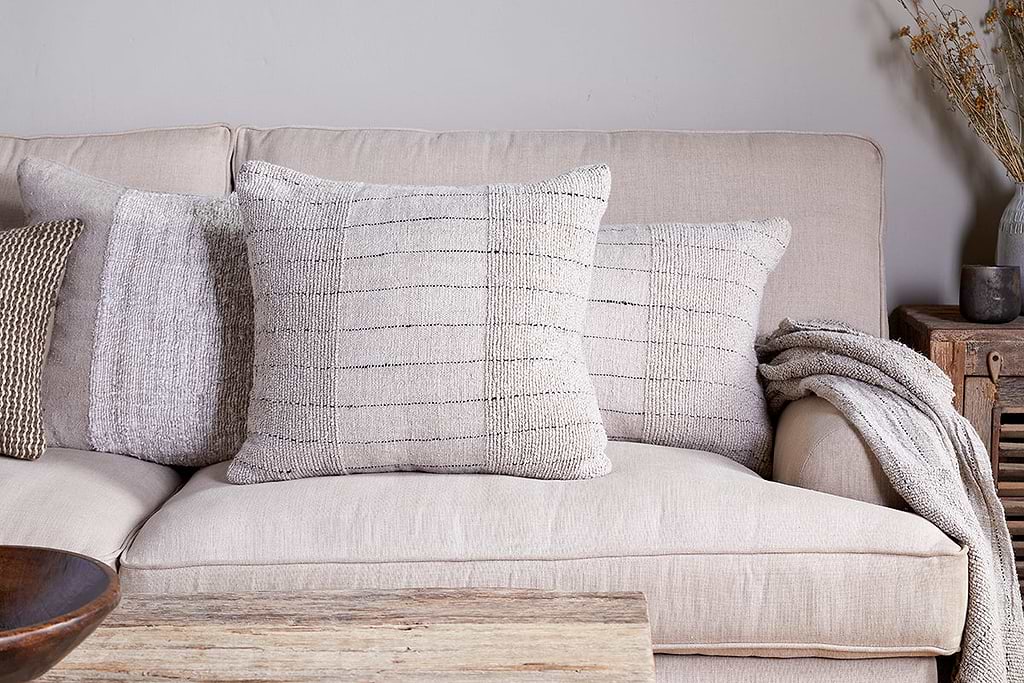
Mayla Cushion Cover
Soft hand-textured cover, instant warmth on linen sofas or chairs.
View at Nkuku →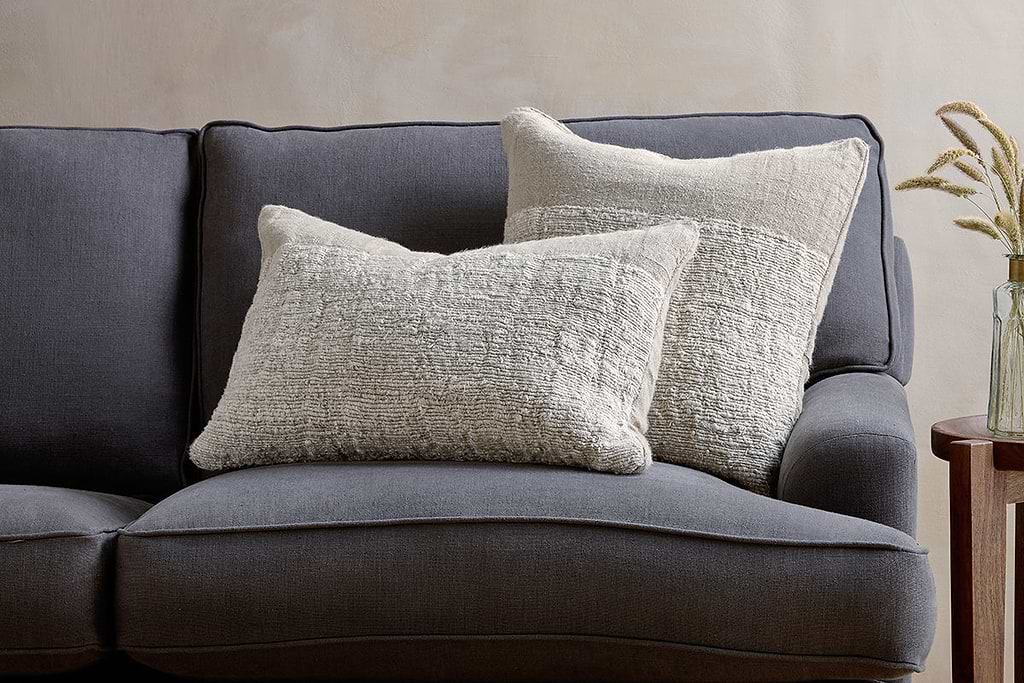
Puli Linen Cushion
Recycled linen in natural, pairs with woven textures and aged wood.
View at Nkuku →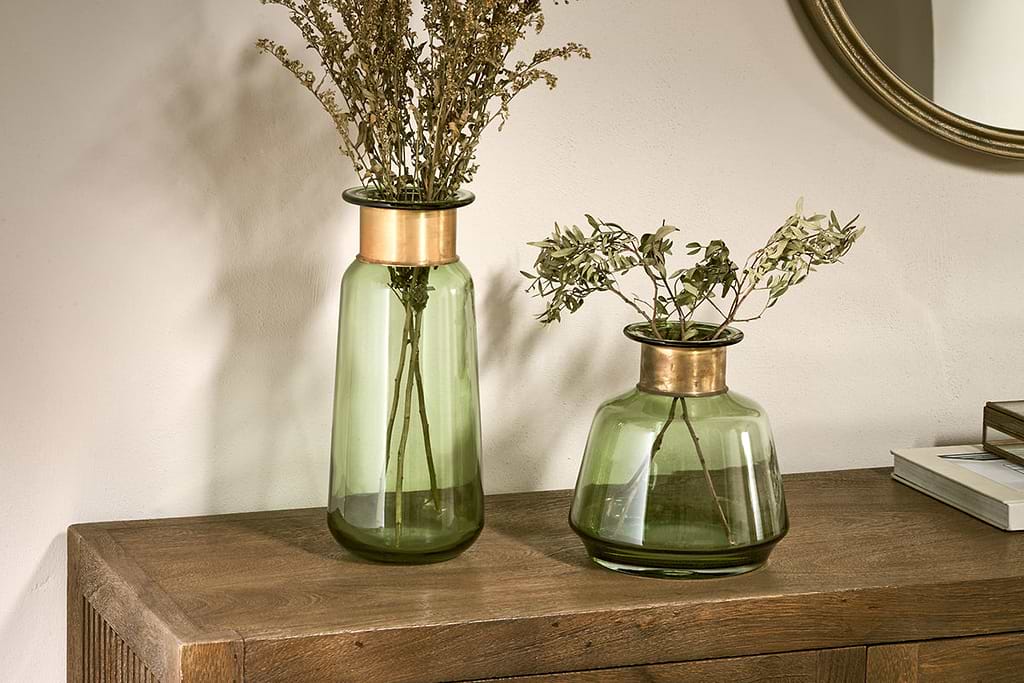
Some links above are affiliate links. If you buy through them we may earn a small commission at no extra cost to you. We only suggest pieces we think fit a calm, lived-in home.
Free guide
The Calm Shelf
12 styling ideas to help you compose calm, balanced shelves in natural texture homes.