

Many homes try mid century shelves expecting a tidy, retro look, but what happens most is they start to seem cluttered or fake. A shelf made with the wrong wood tone, or styled without care, stands out in the wrong way, drawing too much attention or feeling flat. These details matter when you want a calm, welcoming space that feels fresh and lived-in, not like a showroom or history lesson.
This guide helps you find and style real mid-century shelves so your space feels light and genuine. You’ll learn which materials and details to trust, how to dodge common mistakes, and what to let go. This works especially well in a small living room when storage is limited because strong lines and warmer wood open up the walls without crowding.
The short version: To get the real look, choose mid century shelves made from quality wood with simple lines, visible joinery, and a little space on each shelf. The guide shows how to spot authentic pieces, why teak matters, and easy styling steps for a lived-in, clean feel.
Key takeaways
- Authentic mid century shelves use true wood, not laminate, and almost always feature straight edges and spare lines.
- Visible joinery, especially finger or dovetail joints, signals quality in mid-century shelf construction.
- Teak is the signature wood for mid century shelving and ages with a darker, smoother patina.
- Floating shelves can fit mid century style when they echo classic shapes and materials.

The problem with mid century shelves
Mid century shelves can look heavy or dated when the material, finish, or styling misses the original ideas behind the design. Picking the wrong shelf leaves the room feeling off instead of calm.
Most of the time, shelves with tapered legs and hinting at vintage lines get pushed into corners, filled edge to edge, and soon feel more crowded than useful. In a busy kitchen, a shelf that copies the style but uses shiny veneer turns sticky and peels at the corners within a year.
Trying for mid-century style with low-cost duplicates often backfires: the room loses a sense of air, and objects start to gather dust, not focus. In real homes, this means the shelves get avoided physically and visually, no one wants to sit or stand next to them because they draw awkward attention or show every smudge and scuff.
There’s a strong difference between an honest, timeworn teak surface and a fake wood laminate. The original looks soft even when scratched, while the imitation seems brittle and cold. Rough styling, too many objects, and misplaced pieces quickly tip the balance from calm to cluttered.
The fix is to pare back, choose a small number of quality pieces made with real wood, leave open gaps, and anchor one material or tone per wall. The right shelf immediately feels settled and draws the eye gently, never overwhelming the rest of the room.
What defines mid century style in shelving
Mid-century shelving uses simple, straight lines, warm natural wood, usually teak, and details like slender uprights, open space, and visible joinery. These design choices keep the look calm and practical.
Look for shelving made from real solid wood, not just wood effect. The most trusted mid-century pieces use teak, which darkens with age and feels smooth against skin even if not polished. Soft corners are rare; almost every shelf edge is crisp, with rounding only for comfort. John Lewis categorises and sells mid century bookcases and bookshelves as a distinct furniture style for this reason.
Form matters just as much. Most shelves float on slender brackets or sit on tapered legs but never use chunky side panels. Row spacing is regular, with enough room for taller books or clean-stacked bowls. Unlike some contemporary units, you rarely see thick or gloss surfaces; a matte finish always works best near a window because it avoids glare.
Visible joinery, such as dovetail or finger joints, shows up on the corners or shelves, highlighting honest build quality. Metal accents, if used, are left slim: simple black steel uprights or hooks, but never bulky hardware. Every shelf is purposeful, never decorative alone.
In real use, a small wall-mounted unit in a hallway works because it floats clear of the floor yet gives enough space for a woven basket, a key tray, and a few books. The effect is always lighter than a full enclosed bookcase but more settled than plastic modular storage.
How to spot quality in vintage mid century shelves
True quality in mid century shelves shows in solid teak, tight joinery, and a patina that wears evenly without lifting or peeling. Scratches look soft, not sharp.
Start with the wood: authentic vintage pieces, especially from the 1960s, mostly use teak, according to Vinterior. If the color is too light or uniform, chances are high it’s a later reproduction or veneer. The grain in real teak catches light differently, patchy, but not blotchy to the touch.
Check joinery at the corners and shelf supports. Finger or clean dovetail joints hold best and keep lines sharp. Compared to mass-produced shelving with hidden fasteners, real joints add weight and avoid the wobble of newer knock-offs. Lightly run a finger along an edge, laminate lifts at the seam, while solid teak stays flush even if scuffed.
Distinguish between patina and damage: a faded patch on true teak just looks darker, but deep scratches or dents you can feel mean hidden damage. If shelves smell musty or show stains that sink in, walk away. Unlike some newer materials, real mid-century teak doesn’t take on sticky residue, even after decades in use.
Inspecting shelves in an open-plan living room shows quickly which version holds up, originals rest steady against the wall, and the color settles over time. The room feels softer, not just styled. An original Poul Cadovius wall unit, for example, has a recognizable floating form, often without any visible brackets.
Where this works best
Mid-century shelves suit small apartments, city flats, and open-plan spaces where built-in storage is hard to add. These shelves hold light objects and add warmth without taking over the room.
A small living room feels more open with one floating teak unit instead of a bulky bookcase. In narrow hallways or next to the entry, a low wall shelf offers a spot for shoes or mail, while keeping the floor clear and easy to clean. Rooms with low ceilings avoid a crowded feel because mid century shelves tend to run wider than tall and rarely reach the ceiling.
In a children’s room, a sturdy modular wall shelf from the 1960s can double as both book storage and a display for artwork. Because the design stays simple, toys and art take the focus, not the shelf itself.
Avoid using heavy mid-century units in small, closed bedrooms or filling them edge-to-edge with items, this just brings back bulk and makes the space loom. Instead, keep to lighter pieces that still leave gaps between objects and walls.
The best results happen when you use a single shelf as the main surface for a group of daily objects, a basket for gloves in winter, keys in summer, and a small lamp. Clean spacing makes the setup easy to keep tidy day after day.

How do you avoid shelves that feel fake or forced?
Choose authentic or honestly built shelves, use real wood or quality veneer, show some space between objects, and keep styling natural. Forced shelves look staged or busy, real ones settle in quietly.
Most homes go wrong with copies, laminate that cracks at the edge or glossy finishes that fight sunlight. Instead of crowding every shelf, pick a handful of useful items: a clay bowl, a linen-bound book, a woven basket. This lets each object stand apart without calling for attention.
Color also matters. Matching everything to one wood tone can look flat but too much contrast leads nowhere. The trick is to echo one or two main colors found elsewhere in the room, a sofa cushion or curtain, then leave the rest neutral. Unlike a fully staged shelf, a few lived-in marks (like keys or a half-used candle) make the difference between genuine and copied style.
A shelf set too high or awkwardly off-center breaks up the wall and pulls the eye for the wrong reason. Placement should align with everyday habits, about at elbow height for setting items down but below standing head height. Most floating shelves sit about as deep as a hand, giving just enough room without taking over.
The room reads calmer if there’s a single material that repeats: all baskets are wicker, or every bowl is clay. Once you start mixing shiny plastics and matte woods, the eye feels lost. Check the overall effect by taking a quick photo; busy shelves feel crowded even in snapshots.
Where to find authentic mid century shelves
Reliable sources for real mid century shelves are trusted vintage marketplaces, auction sites, and select modern retailers that specify original build details. Always look for return options and ageing details in product descriptions.
Buying from an online site can feel risky, but platforms like Vinterior offer a 14-day return guarantee and free cancellations, so you aren’t stuck with a piece that feels wrong once it arrives. Here, you find shelves by Poul Cadovius, Preben Sorensen, and original Ladderax modular units, each listed with origin, wood type, and enough images to check grain and finish.
For local options, check eBay or Gumtree for sellers who post close-up shots of edges, brackets, and branded back plates. If you can, message for photos of joinery or underside labels. The modern reproduction route includes major shops like John Lewis, which clearly marks which shelves are reproductions and which are sourced vintage.
Auctions and estate sales sometimes list shelving units without much detail, but classic lines, like a wide, modular wall unit in warm teak, show up often. Newer brands such as West Elm offer “mid-century inspired” lines, but the grain and hardware differ: heavier coatings, fewer exposed joints. Unlike curated vintage marketplaces, buying direct in person lets you check shelf width and natural patina up close.
In practice, a room benefits most when you buy one great piece over several cheaper fakes. The character comes through the finish and joinery, not just the label.
| Source | Pros | Cons |
|---|---|---|
| Vintage marketplace (e.g., Vinterior) | Curated, return guarantee, clear photos | Higher prices, limited stock |
| Online auction (e.g., eBay) | Range of options, chance for deals | Uncertain info, buyer beware |
| Modern retail (e.g., John Lewis) | Clear return, new condition | Mostly reproductions, not always solid wood |
Styling and placement
Mid century shelves feel most useful and calm when styled with a few mixed heights, an anchored shape (like a basket or lamp), and clear space at the edges. Placement matters as much as what you set down.
Shelves against a white wall look calmer if you start with a single textured object, a rattan basket, a matte vase, or a shallow bowl. Too many shiny pieces reflect and pull focus; stick with natural ceramics, closed-weave baskets, or real wood frames for photos. If you need more storage, add one taller piece to one side only, never mirrored on both ends, which feels forced.
Day to day, the best guideline is to leave about two-thirds of each shelf empty; this gives light space to move, making the wall look larger. Anchor a group with one strong object, like the Nkomi Basket, and let the rest support. For books, stack a few horizontally and lean others upright, keeping the colors neutral where possible. Mixing placement signals a shelf used in real life, rather than staged.
A shelf that lines up with other elements, like a sofa back or window sill, feels stable, not floating off target. Unlike shelves placed at random heights, those matched to the lines in the room seem designed, not accidental. Consider borrowing ideas from style open shelves or use the principle from living room shelf for finding your anchor object.
Quick calm checklist:
- Pick real wood or a convincing wood veneer, teak or oak works best.
- Keep at least half the shelf clear, with no clutter at the edges.
- Repeat one basket or textured material per wall for balance.
- Place a key object off-center, not exactly in the middle.
- Limit the color palette to two main tones, muting any brights.
The change is clear: shelves styled on this plan feel easy to update for each season and simple to dust or rearrange in a minute or two. Shift one vase, swap a bowl or a framed print, and the room regains calm without any drama.
The most common moment of doubt is quiet but firm, standing back one evening and feeling a shelf “buzz,” as if something keeps catching your eye and you don’t want to look. Often, this is a sign that your shelf is holding either too many unrelated items, or one material sticks out too much against the wall. The fix is to pause, take one thing down, and ask if what’s left feels right for the week ahead, nothing else needs changing right away.
Often, people line up rows of different baskets, use odd colors, or crowd every shelf with plants and mementos. The result feels restless, crowded, or even heavy, and no amount of shifting objects really settles things down. Leaving clearer gaps and holding to one material makes the room breathe again.
Simplifying shelf arrangement brings a lighter mood that lasts, clean surfaces actually stay clean, and what you display feels deliberate, not random.
Save this idea for later.
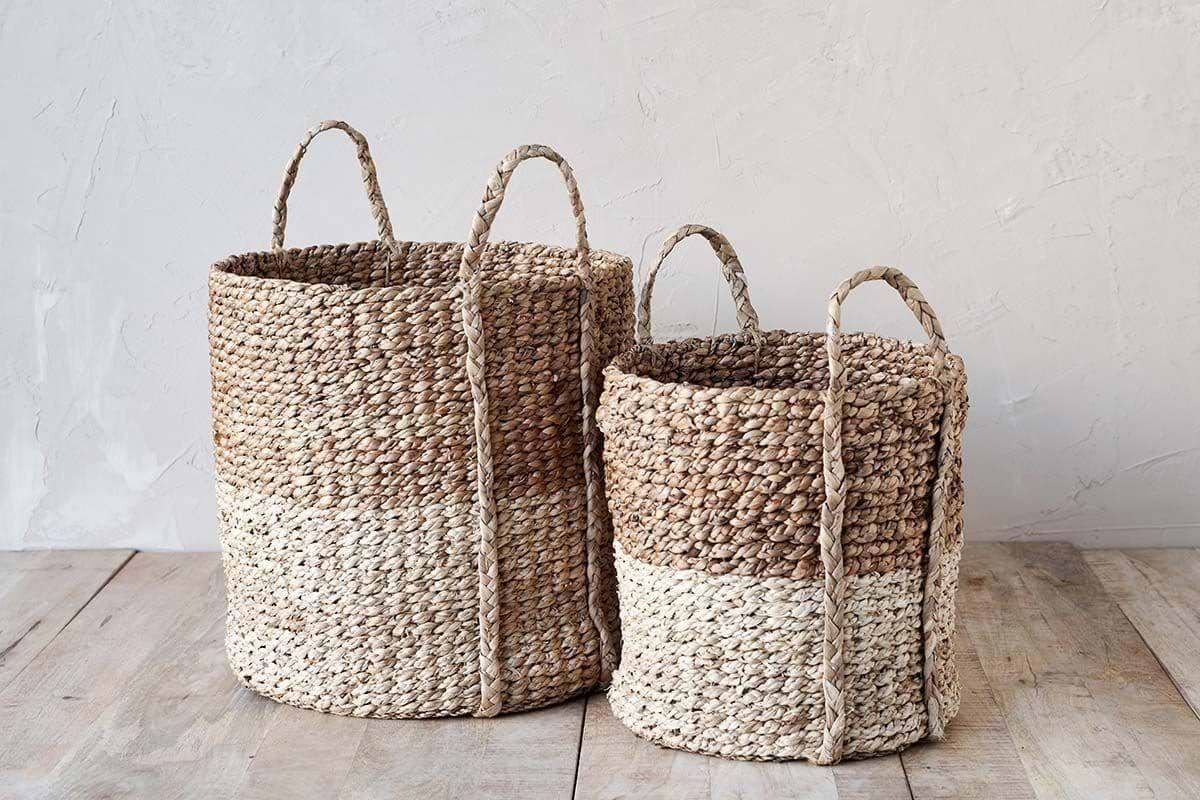
What tends to hold up with styling mid-century shelves
After looking at hundreds of mid-century shelving units and how people style them, one pattern stands out: matte or unfinished teak resists glare better than any glossy finish, especially in light-filled rooms. Reviewers and decorators both note that solid woods settle visually, even as they pick up small marks, while glossy replicas tend to scratch and look mismatched over time.
Most experienced stylists also agree that dividing up shelf use, leaving at least half of each shelf empty and anchoring objects by weight or texture, makes day-to-day living easier. Once you get in the habit, dust and clutter never really get a foothold.
, Mara, Loom & Glow
Common questions
Is mid-century modern still a relevant style in 2026?
Mid-century modern remains a relevant style in 2026 due to its practical shapes and honest materials. These designs keep appearing in new collections because they suit both smaller homes and open spaces. The clean lines and soft wood tones make them easy to live with long term.
Can floating shelves be considered mid-century modern?
Floating shelves can be mid-century modern if they use classic materials like teak or walnut and keep simple, straight lines. The key is visible grain and proportions that echo originals. Some modern shelf designs clearly borrow from mid-century ideas, but details matter.
What defines a piece of furniture as mid-century?
A mid-century furniture piece is defined by honest materials, minimal shapes, neat joints, and thoughtful proportions. Most originals use real wood, especially teak or oak, and limit hardware or ornate details. Genuine mid-century design favors practicality over showiness, making each item versatile in real rooms.
Does mid-century modern design feel outdated?
Mid-century modern does not feel outdated because its best qualities, natural wood, clear forms, open space, are always practical. Some colors or details may shift with trends, but the basic ideas continue feeling right when rooms need to look unfussy and lived-in.
Explore more calm combinations inside our Shop The Look .
“`Shop the Look
Quiet vases that sit beautifully on mid-century shelving without competing for space.
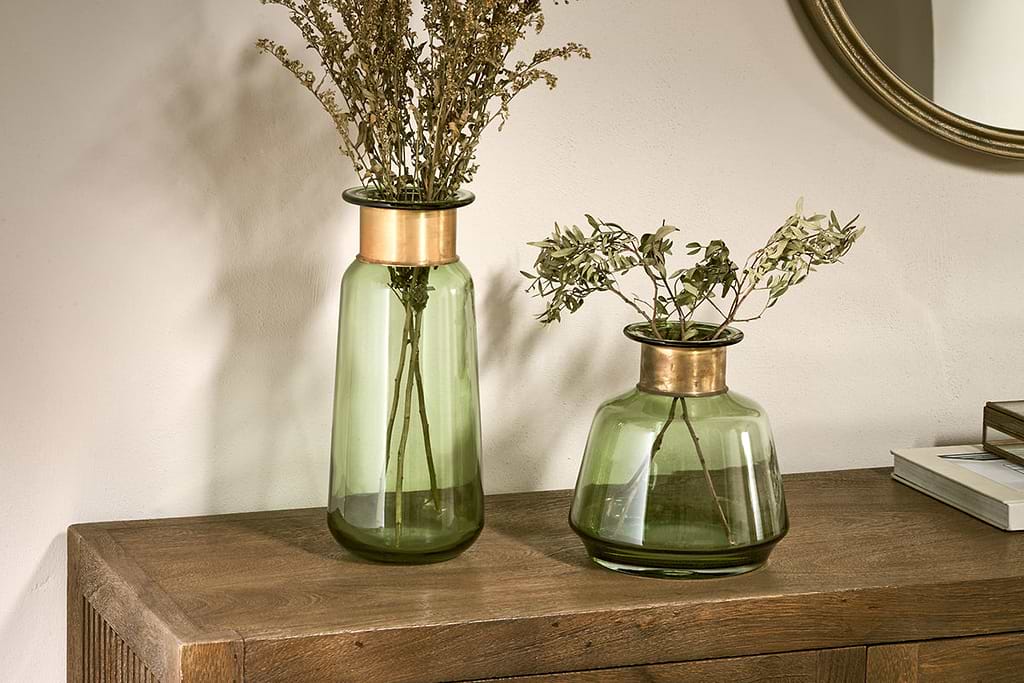
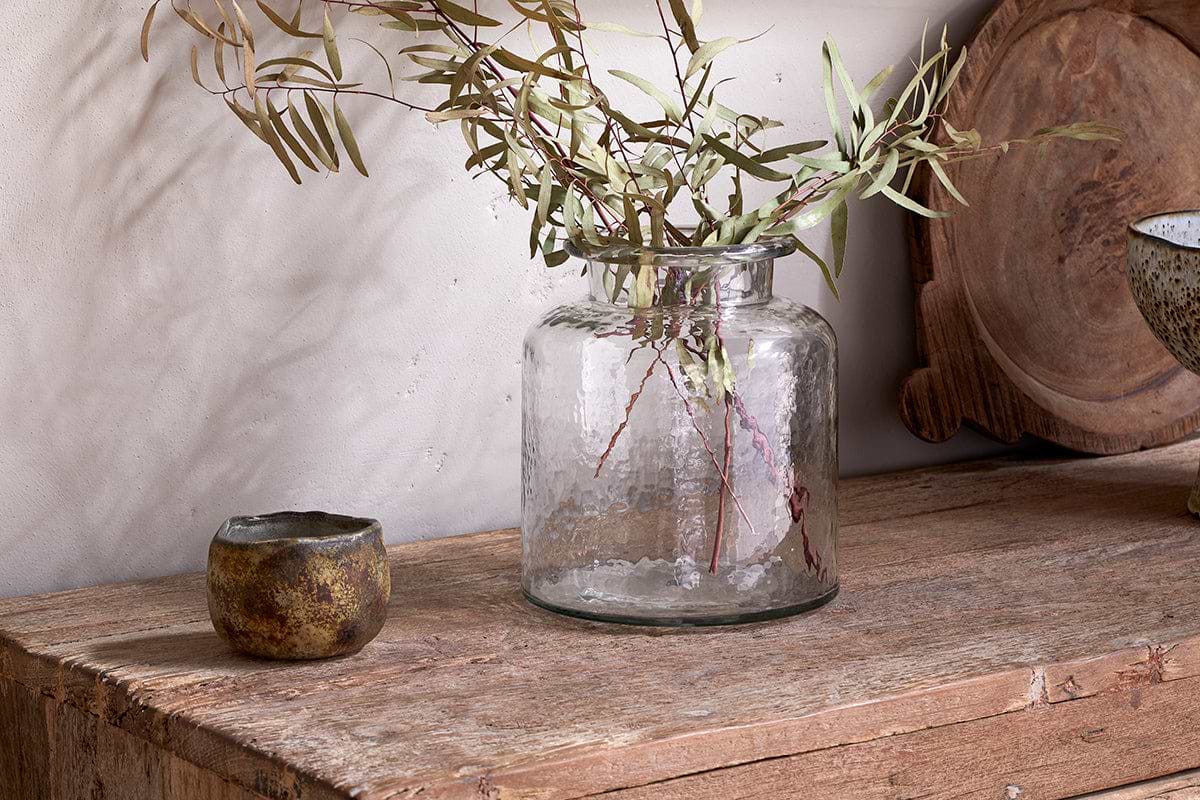
Akra Recycled Glass Vase
Clear cylindrical glass, pairs with stems or sits empty as a quiet accent.
View at Nkuku →Some links above are affiliate links. If you buy through them we may earn a small commission at no extra cost to you. We only suggest pieces we think fit a calm, lived-in home.
Free guide
The Calm Shelf
12 styling ideas to help you compose calm, balanced shelves in natural texture homes.