

Books crowding the nightstand, small boxes under the bed, and stacks along baseboards, many bedrooms face these quiet, everyday messes. For anyone searching for bedroom wall shelves ideas, the challenge is matching extra storage with a space that feels restful instead of cluttered. Heavy units or crowded objects on the floor interrupt that feeling before you even sit down.
The outcome is simple: an uncluttered wall offers calm, holding what matters and clearing what doesn’t. Today, you’ll see how to choose, position, and style shelves that do more than hold things, they clear surfaces and let you breathe easier. This works especially well in small bedrooms when floor space is tight because raising storage removes tripping hazards and visual mess.
The short version: Bedroom wall shelves ideas let you lift clutter off the floor, so the room feels open and easy to use. The right shelves hold your favorite things without looking crowded, delivering both storage and a cleaner look.
Key takeaways
- A picture ledge gives you flexible display while keeping surfaces clear.
- Cube shelves group small items so they don’t sprawl across the room.
- Natural-finished shelves, like wood or rattan, work well in calm bedroom decor.
- Most floating shelves are shallow enough for narrow hallways and bedside nooks.
- IKEA offers wall shelves that suit rental and owner-occupied homes alike (source).

Why do bedroom wall shelves create a quieter room?
Bedroom wall shelves take items off the floor and put them in sightline, making a space easier to walk through and less crowded. The shelves set new boundaries so items gather in one clean vertical line, instead of spreading across surfaces.
In many bedrooms, storage starts on the floor: shoes tucked beside the dresser, a tray trailing off the edge of a low table. This pulls the eye downward and adds noise around your path. By moving storage onto the wall, everything is lifted, and the floor feels wider and more open.
A shelf line gives the room a new border. Instead of seeing three piles on different surfaces, you see a single strong line up high. A bedroom wall shelf focuses your view, unlike an open stack or a loose tray, which scatter attention and make a room feel busy.
One practical effect: vacuuming and cleaning are easier. Wall shelves keep small things contained and surfaces accessible. You can dust without shifting boxes or piles, and there’s less risk of stubbing toes. Compared to floor baskets or boxes, shelves allow daily cleaning without moving things each time.
For a small bedroom, light bouncing under shelves makes a difference too. You keep the illusion of more space, and the room stays brighter than it would with furniture closing off every corner. Install a shallow shelf above eye level to display one tall vase or a leaning frame, the room reads neater right away.
Where this works best
Bedroom wall shelves are most useful in smaller bedrooms, rental flats, and guest rooms where floorspace is limited or bed placement blocks large furniture. Even a narrow wall can hold a slim shelf for books or essentials.
Rooms with tight paths or awkward door swings benefit from wall shelving. In rental bedrooms, standing furniture is often out of the question, and shelves give you storage without drilling large holes. In a guest space or child’s room, a single cube shelf or ledge can hold bedtime items and spare you an extra table.
For everyday use, over-bed shelving frees up nightstands for lamps or books. A row of open shelves behind a door makes use of overlooked space, and a picture ledge above a desk keeps supplies at hand while the desk itself stays clear. Wall shelving works especially well when floor plan changes are tricky, like in a shared bedroom or one with odd angles.
Avoid placing a deep shelf above a pillow or seat; a shallow model is safer and less visually heavy. In a windowless or low-light room, pale shelves made from birch, white-painted wood, or rattan reflect light and keep the wall from closing in. Unlike dark, chunky units, light shelves help the room read larger and less crowded.
How do you keep shelves from looking cluttered?
A shelf stays calm when it hosts only a few needed items, spaced apart, rather than a tight row of things edge-to-edge. Use baskets or boxes to corral loose items and leave open space for air and light.
Open shelves can slip into disarray with just a handful of extra objects. In practice, keeping about two-thirds of a shelf clear leaves enough room for air and small, decorative objects, a small bowl, a trailing plant or a leaning book. According to Saga.co.uk, leaving gaps between items is a simple way to keep shelves from collecting clutter.
Unlike drawers or closed cupboards, shelves show everything at once. Grouping small items in one woven box softens the look and hides less-tidy pieces. A bare shelf reads colder than one with a single jute basket or clay bowl, which adds texture and warmth without crowding the view.
Switching out objects now and then also helps. Too many family photos or mementos collect dust and build clutter over time. Rotate display pieces with the seasons, or set a simple rule: only display what you use or love right now. The result is a shelf that suits you, but doesn’t fill every gap.
Place a slim tray or matte-finish pot at one end of the shelf to help anchor the grouping. Compared to placing objects right at the edge, centering items or using trays contains the messy edges and draws eyes to the middle, not the ends.
10 bedroom wall shelf ideas for a calm space
Ten shelf types work especially well for bedrooms: picture ledges, floating shelves, cube shelves, wall shelf units, rattan shelves, slimline shelves, modular systems, corner shelves, shelves with lighting, and lean-to shelving each meet a different need and style preference.
1. Picture ledge: This shallow shelf lets you move art or photos without new holes. The IKEA MOSSLANDA picture ledge, for instance, is available in white or oak effect and is designed to support small frames and books. Unlike deep shelves, it won’t cut into standing space but still shifts personal touches off crowded tables.
2. Floating shelf: Most floating models stay close to the wall, and many, like IKEA’s LACK in white, work for everything from books to vases. No visible brackets keeps the room looking open.
3. Cube shelves: Simple and boxy, these can be stacked for visual order. Bedroom floating shelves like cubes allow you to cluster items, so nothing drifts out of place. Unlike trays or baskets on the floor, cubes set clear edges for storage.
4. Wall shelf unit: A grid or stepped unit looks less heavy than a blocky cabinet and fits narrow walls. Items stack or lean but never spill over, ideal for collections of books you want to reach but not trip over.
5. Rattan shelf: Natural rattan or cane shelving adds a woven texture that softens the look of wood or painted surfaces. The IKEA FRYKSÅS rattan shelf is lightweight so it won’t strain the wall in a rental and adds a pale touch, absorbing less light than a dark shelf.
6. Slimline shelf: Thin shelving fits in tight gaps, such as beside the bathroom door or bed frame. It holds essentials (phone, glasses, pitcher) where a table wouldn’t fit. Unlike bedside towers, slimline shelves don’t crowd the area or block drawers.
7. Modular shelf system: Modular shelving, available through Amazon.co.uk, lets you add or subtract shelves as you need. Moving a shelf higher or lowering it for new needs keeps storage practical over time.
8. Corner shelf: Corner units fill an awkward angle with a small plant, speaker, or stack of night reading. There’s no extra bulk, and the room feels finished, not pieced together.
9. Shelf with integrated lighting: These shelves combine a reading sconce or LED strip directly, freeing you from a tangle of wires on the floor. One lighted shelf by the bed replaces lamp, cord, and extra table.
10. Lean-to shelf: A lightweight wooden shelf leans against the wall and doesn’t require heavy drilling. Saga’s guide suggests lean-to shelves as both rental-friendly and easy to shift. Compared to built-ins, they change with you, hold baskets, and tread softly on floors.
Here’s a quick comparison for three shelf types:
| Type | Best for | Pros |
|---|---|---|
| Picture ledge | Photos, small art | Easy to change display, low profile |
| Floating shelf | Books, small decor | Clean lines, no visible brackets |
| Cube shelf | Grouped storage | Keeps items contained, easy to clean |
Match the shelf to your room’s challenge: use slim options near doors, deep cubes for book storage, and rattan for softening corners.

Styling and placement
A well-placed shelf follows the wall’s sightline and groups favorite objects using a limited colour palette, natural materials, and breathing space to prevent a crowded look.
The most peaceful shelves use restraint in both color and object type. A pale wood picture ledge with two clay vases leaves air between shapes, unlike a tightly packed set of random keepsakes, which reads as busy. Layering by height (one tall, one low, a trailing leaf) draws the eye from corner to corner without piling everything in one spot.
Materials matter: natural wood, rattan or matte white show fewer fingerprints and absorb light. Even simple pine shelves can look finished with a linen-covered box or ceramic candle instead of glass, which bounces glare. A shelf with open brackets makes the space read lighter than a closed box.
Balance the load: a single large frame pulls the eye if it stands alone. Instead, group two smaller objects at one end, and fill the rest with a flat tray or softened item. A shelf works best when it holds just enough to balance one small focal point against empty space.
Deciding where to place the shelf changes how the room feels. High above the bed, the wall reads taller, while lower placement beside a nightstand gives easy reach for books. Following the window or door line keeps shelves from looking randomly added.
Quick calm checklist:
- Choose shelves in wood, rattan, or matte white for softer shadows.
- Space objects so about a third of the shelf is left open.
- Keep to one main color palette per shelf to prevent visual scatter.
- Line up shelf tops with window or door moulding for a built-in look.
- Use at least one textured item (linen, ceramic, or basket) to soften edges.
Use these steps for any shelf you place: start empty, add one or two favorite items, check the sightline from the door, and stop before it looks full.
For more in-depth ideas, take a look at small bedroom ideas and calm bedroom ideas that use shelf and wall placement as their foundation.
How does shelf type change the feel of the room?
The kind of shelf you use changes the mood, rattan makes a room read softer, while black metal brackets or solid wood draw the eye and ground a lighter wall. Shelf shapes and materials both affect how storage is perceived.
Square edges, like those on cube shelves or solid plank units, make a wall read sharper. These suit modern rooms or ones with strong architectural lines. The same blocky shelf in a soft, natural wood looks less harsh, especially when paired with linen or woven containers.
Open brackets or floating shelves do the opposite. The lack of visible support makes a shelf “float,” leaving more wall visible and making the space feel longer. According to IKEA, most floating shelves offer widths and colors, white, black, blue, to suit either bolder or softer palettes.
Natural finishes absorb less glare and give the wall a warmer feel. Rattan or light birch work well for anyone who wants something softer than painted MDF or hard-edged metal. Unlike glossy surfaces, matte finishes stay clean-looking near windows or under direct overhead light.
Even the weight of the shelf has an impact: metal mounts or dark, heavy wood ground a wall and can make a room feel smaller if overdone. Using a pale or wirework shelf, or one that incorporates light with LED or sconce, opens the space and makes bedtime routines easier without extra cords.
Try using a wall shelf unit with open sides for a room that feels boxed in by big furniture. The open edges let light move and keep the eye traveling from wall to window.
For more on mixing shelf types and colors in calm bedrooms, explore our natural bedroom decor page for easy, grounded combinations.
What makes wall shelves work so well for small bedrooms?
Wall shelves succeed in small bedrooms because they clear floor space, create a single visual line, and provide storage where standing furniture would not fit or would block movement.
Small bedrooms need a place for books, glasses, and daily-use items, but tables and baskets chew up precious walking paths. Wall shelves hold essentials close and free up usable floor. A shelf above the headboard, or a corner shelf by the door, handles what you’d normally set down on the floor.
One long line up the wall reads quieter than scattered piles across every surface. The result: the bedroom feels less cramped, and the bed, window, or artwork gets space to breathe.
Unlike adding another dresser or nightstand, shelves use the wall you already have. Rental rooms or shared apartments benefit since shelves can often be installed with removable brackets, using fewer or smaller screws.
Most floating shelves are shallow, deep enough for a paperback, but not for deep boxes, which fits narrow nooks. This makes deep storage less tempting, so things don’t build up unseen. The outcome is a room that’s not just tidier, but easier to keep clear every day.
Many people sense something’s off when the bedroom feels heavy and it’s hard to see the floor. There’s an urge to put things somewhere, but baskets or boxes stack up and never look part of the room. The space starts to close in, especially at night or during morning routines.
The turning point comes with one small decision: choosing a vertical spot for daily items instead of leaving them out. This shift moves storage off the ground, returns flow to walking paths, and makes surfaces easy to clean and restyle.
It’s common to stack too many things on one shelf, or to mix random bins and open trays until the wall looks busy instead of restful. Most homes fall into this trap because it’s simpler to keep adding items, not editing. The downside is a shelf that feels overwhelming instead of useful.
When you pare back to what’s truly used and needed, the shelf becomes both storage and backdrop, never a visual stop sign.
Save this idea for later.
What tends to hold up with shelf placement and styling for calm bedrooms
Shelf styling that works across different bedrooms almost always keeps things simple: a few items, plenty of breathing room. Reviewers routinely note that matte or lightly grained shelves look less smudged and less “busy” than high-gloss or dark options, especially in low-light rooms. Many bedroom designers recommend lining up shelf tops with window or door mouldings. The room then feels finished, not accidental.
In most cases, a shelf that takes up part (not all) of a wall brings more calm and space. Finishing touches, like lining a cube with linen or tucking a charger cord through a mounted basket, add function without drawing attention. The strongest hold is in those details that blend storage, not demand focus.
, Mara, Loom & Glow
Common questions
What are some ideas for wall shelves in my bedroom?
Good ideas for bedroom wall shelves include picture ledges for artworks, floating shelves for books, cube shelves for baskets, and corner shelves for small items. Slimline and modular shelves work well in tight spaces. Choosing shelves in natural materials and spacing objects apart helps create a calm effect.
What is the best type of shelving for a bedroom?
The best bedroom shelving is one that fits your space, needs, and style, picture ledges and floating shelves work in most rooms. Slimline shelves are practical for narrow gaps, while modular shelves adapt as your storage changes. Using natural finishes like wood or rattan keeps the room feeling restful.
What are the latest trends in wall shelves for bedrooms?
The latest trends in bedroom wall shelves include open picture ledges, slim floating shelves, rattan accents, and shelves with built-in lighting. Modular and mix-and-match systems are popular for flexibility. Many choose lighter materials and matte finishes for a soft look that suits restful spaces.
What are some good ideas for bedroom shelves?
Good ideas for bedroom shelves include installing a picture ledge for easy art display, using cube shelves for small storage, and placing a single narrow floating shelf beside the bed. Grouping just a few useful or beautiful objects keeps the result from feeling crowded.
Explore more calm combinations inside our Shop The Look .
Shop the Look
Three pieces that sit quietly on shelves and let the space breathe.
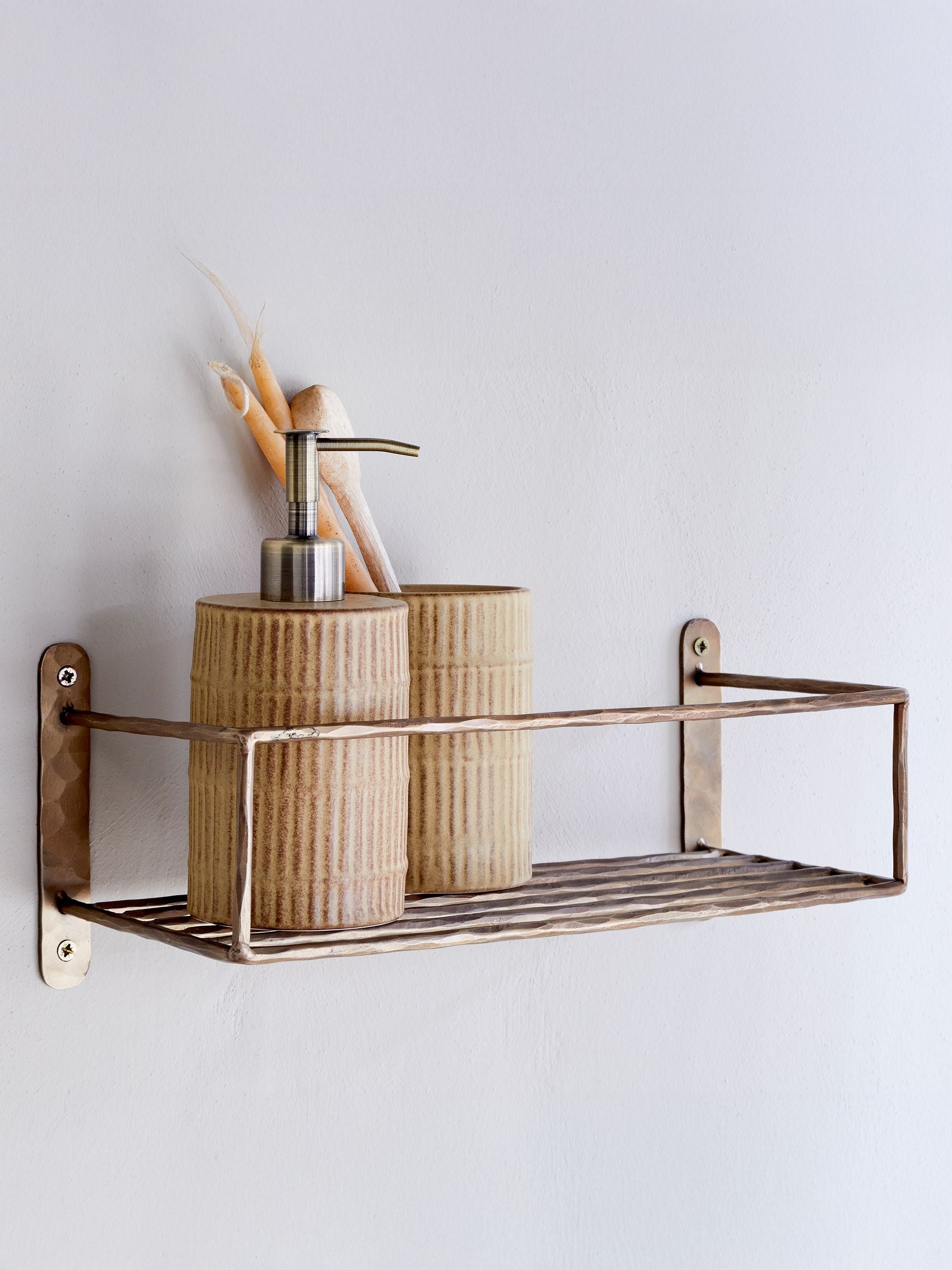
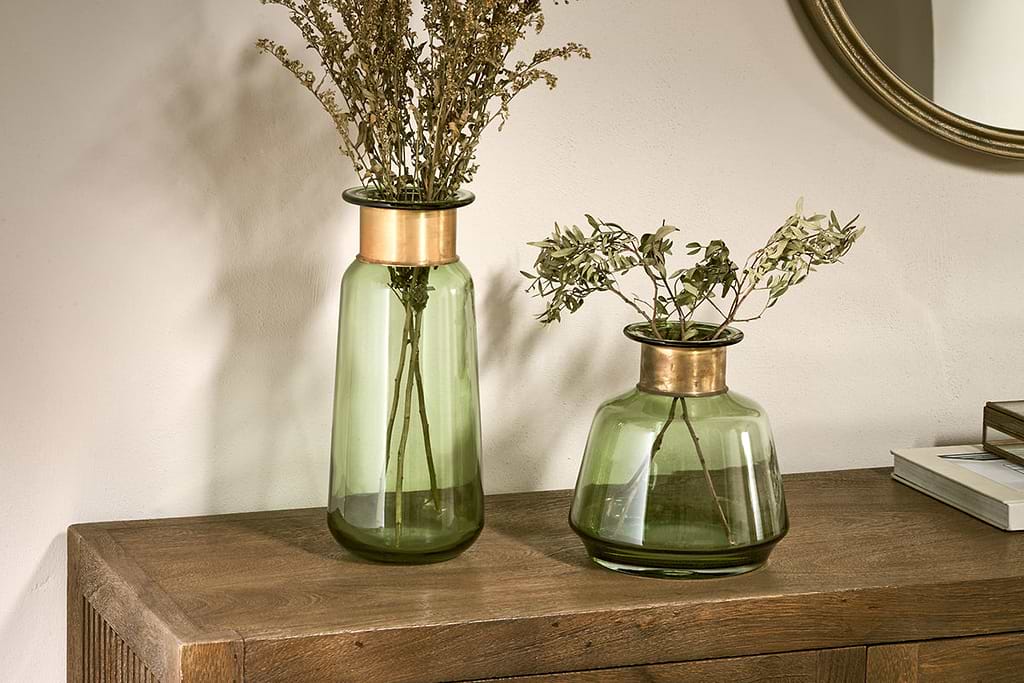
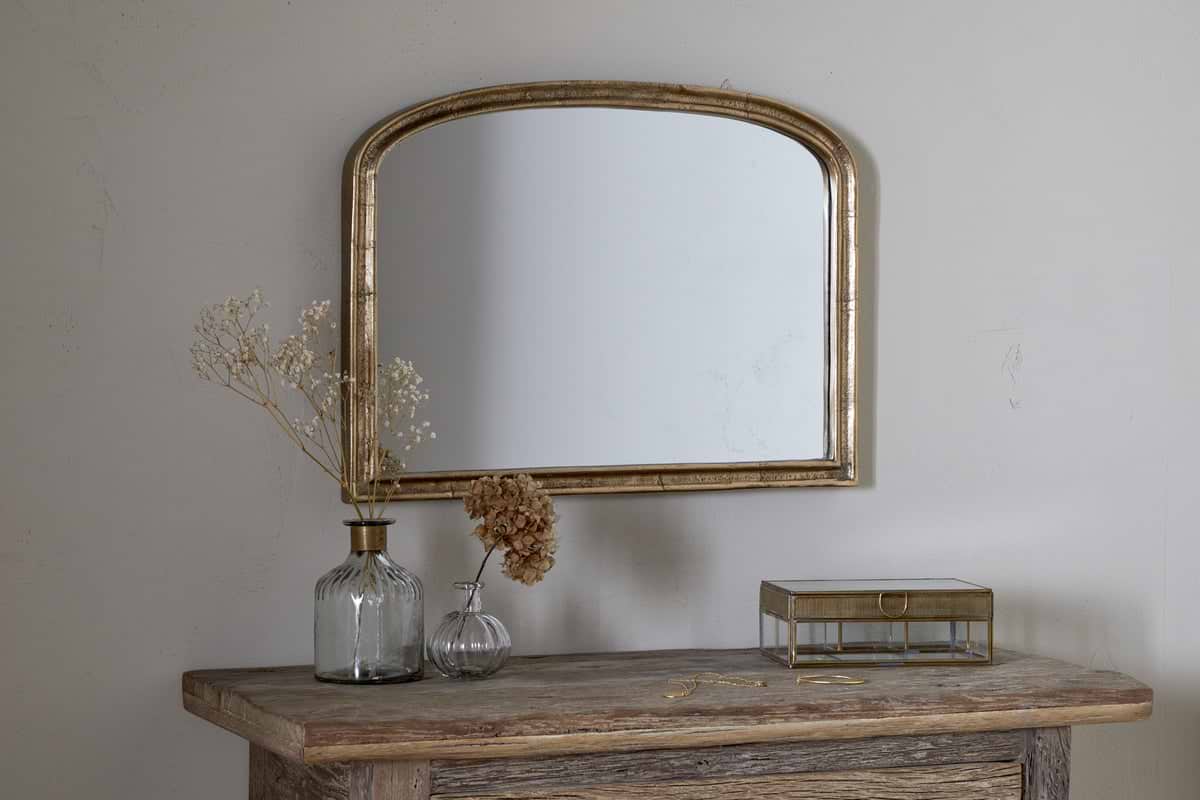
Some links above are affiliate links. If you buy through them we may earn a small commission at no extra cost to you. We only suggest pieces we think fit a calm, lived-in home.
Free guide
The Calm Shelf
12 styling ideas to help you compose calm, balanced shelves in natural texture homes.