

Mirrored bedroom furniture can look bright and polished, but in a small bedroom it’s easy for the pieces to feel cold, show fingerprints, or reflect clutter from every angle. One mirrored bedside table can pull more light than heavy wood, but too many reflective surfaces in one space can break up a room or unsettle the mood.
The goal is to use mirrored pieces simply—to lift light and open up a tight footprint, not overwhelm it. Today’s guide shows how to choose, place, and style mirrored bedroom furniture so the result is practical and peaceful. This works especially well in a small bedroom when storage and daylight are both limited because mirrors help catch and throw light around the room’s edges.
The short version: Mirrored bedroom furniture bounces natural and artificial light across a small room, making it feel brighter without filling it with bulky storage. Used in moderation, these pieces keep the room casual and calm, avoid cold glare, and simplify the look of busy corners.
Key takeaways
- Mirrored furniture is most useful in rooms with limited daylight or heavy shadows.
- A single mirrored dresser or bedside table is usually enough to make a real difference in a small bedroom.
- Warm materials like linen and wood soften a mirrored surface and reduce any harsh, cold feel.
- Mirrored bedroom furniture is available in several finishes, including gold, silver, grey, and black, according to Wayfair.
- Solid construction details matter—a bevelled edge or quality handle often means longer life and fewer squeaks.

What does mirrored furniture really do for a small bedroom?
Mirrored bedroom furniture reflects both natural and artificial light, making a small room appear less crowded and more open. A single reflective piece often replaces the need for extra lamps or window treatments.
A small box bedroom with one shaded window can feel close, especially at night. Placing a mirrored bedside table under the window bounces daylight onto the bed, softening deep corners. Instead of adding another lamp on the dresser, the reflected light spreads through the space and evens out shadows underneath the bed and along the wall.
Mirrored bedroom furniture works because glass catches loose sunlight, scattering it into dull corners where paint or wood would absorb. Compared to painted wood or dense solid furniture, mirrors don’t weigh down the visual space. The room feels lighter and less blocky, especially if the rest of the furniture is crisp and plain.
A thick, heavy wooden chest soaks up light, while a mirrored dresser throws daylight toward the ceiling. This subtle shift makes a bedroom feel fresher, not just brighter. For small bedrooms with tricky footprints, a reflective surface keeps things looking crisp but not crowded. Place a mirrored table or chest near a source of daylight or along an empty stretch of wall for best effect.
Where this works best
Mirrored furniture is most effective in windowless or low-light bedrooms, rental spaces, or rooms with flat paint and few overhead fixtures. The effect is softer when only one or two mirrored pieces are used.
Small apartments often have bedrooms with limited storage and little daylight. In these rooms, a mirrored console table or dresser helps bounce what light is there. These pieces are useful in rental bedrooms where you can’t repaint, add lighting, or drill holes for new sconces. Even a narrow hallway beside the bedroom works if you want to reflect light and make the area feel less cramped.
In everyday use, a mirrored bedside table picks up the glow from a desk lamp or soft daylight creeping around the frame. The surface stays cool to the touch and reflects hints of colour from bedding or curtains. Mirrored drawers or chests in the corner can store clothes without taking up visual space.
Avoid overfilling the room with too many mirrored pieces. If every visible surface reflects, the bedroom can start to feel disjointed or nervous, especially if clutter is reflected from under-bed storage or closet doors. Instead, choose one spot—a bedside, a corner chest—where mirrored glass feels needed, not crowded.
How do you avoid making a room feel cold or busy?
A single mirrored focal point, combined with soft textures or wood, keeps the room from feeling sharp or restless. Too many mirrored surfaces can double any visual clutter.
Shoes, baskets, and cables often gather around the base of a bed or dresser. When every surface reflects, small messes double in the mirror. Unlike matt-painted storage, a mirrored chest will put everything on view—including whatever sits on, under, or beside it. That’s why decorators usually suggest keeping just one mirrored piece per zone and surrounding it with neutral, absorbent textures like linen bedding or jute rugs.
If the room feels chilly, add natural textures. A linen curtain or handwoven mat beside a mirrored bedside table draws the eye without shouting for attention. A wooden bed frame beside a glass-topped chest grounds the look.
Compared to all-silver suites, a single mirrored dresser framed by solid colour feels more settled and less high-maintenance. Place a mirrored bedside table where it picks up daylight, but keep the main storage or wardrobe in a subtle, non-reflective finish so the room doesn’t go flat or scatter reflections everywhere. The overall feel becomes calm, not ice-cold.
Styling and placement
Simple placement—with plenty of breathing room around one key mirrored piece—keeps the look relaxed instead of sharp, without sacrificing storage.
In a small bedroom, a mirrored bedside table or compact dressing table sits best where it reflects light but not every object in sight. Place it so it catches daylight from the window, but isn’t directly opposite a cluttered shelf or wardrobe. A soft area rug under a mirrored chest helps absorb noise and keeps the surface feeling less cold.
Mirrored bedroom furniture works because it bounces light across the line of sight, opening up tight corners while the glass surface visually disappears. If the rest of the room is simple—natural cotton, neutral paint—a single mirrored table becomes a punctuating point. Compare this to lots of small decorative items on the table, which will look multiplied and cluttered in the glass.
Too many reflective surfaces can make it feel like you’re inside a shop display, so give mirrored furniture some space off the wall and avoid doubling up mirrored wall art in the same line of sight. Instead, use a woven basket for storage or a clay lamp to soften the look.
Quick calm checklist:
- Mix mirrored with soft edges—linen, light wood, or jute—nearby.
- Limit to one mirrored piece per room or wall.
- Keep 60–70% of the top surface clear for calm reflection.
- Place away from direct view of wardrobe clutter or mess.
Try a mirrored piece in the spot where you’d otherwise put a lamp or heavy wooden table. Notice how the reflection fills in the gaps where light usually feels flat or short.

Which mirrored finishes are available besides silver?
Mirrored dresser and storage pieces come in silver, gold, grey, black, and even antiqued glass finishes, according to Wayfair. Coloured or antique glass warms up a space compared to plain silver.
Most people picture silver glass on chrome legs as the standard mirrored look. But gold-finished mirrored furniture is widely available and can make a room feel less cold. Grey, black, or smoked glass also shows up in small-space collections, which tends to mute reflections and hides dust and fingerprints better than clear silver does. Brown or white mirrored surfaces offer a softer, less stark appearance.
Compared to a plain silver finish, gold or antiqued glass blunts some of the glare. A bevelled-edge mirror with a grey tint looks more muted in morning light than a sharp, clear pane. Slight distressing or etching can help a mirrored bedside table settle into a warm minimalist bedroom rather than standing out like shop display furniture.
Mirrored bedroom pieces in different finishes let you match metals or mixing with other furniture—just don’t mix more than one colour of mirror glass in the same room. Instead, repeat the same frame or hardware across pieces for a settled look. Use a gold-mirrored dressing table where you already have brass lamp bases or curtain rings, for example.
What construction details matter before you buy?
Solid mirrored bedroom furniture is usually built with an MDF frame, bevelled edge glass, and pre-assembled panels, according to The Seville mirrored range. Good handles and strong drawer slides mean longer life and easier upkeep.
Before you choose a mirrored piece, check the frame and edging details. Most modern options use an MDF frame under the glass, with panels set flush or gently bevelled. Bevelled edge mirrors look finished, catch less dirt at the seams, and soften sharp corners compared to a hard square-cut edge.
Drawers with metal slides glide more smoothly and hold up to daily use, especially in a chest of drawers or bedside table. Mock crystal handles or simple chrome pulls are common, often included pre-fixed so the furniture arrives ready to use. According to Picture Perfect Home, mirrored glass tables sometimes come pre-assembled, and a silver mirrored console table typically uses chrome metal legs for strength.
Compared to a flat-pack wooden frame, a solid mirrored dresser resists wobble and rarely warps. Always check for reinforced back panels and boxed corners. If a mirrored piece sounds hollow when you tap it, it may not hold up long under full drawers. Place mirrored furniture out of a major walkway to avoid knocking the corners.
| Feature | Entry-Level | Solid-Built |
|---|---|---|
| Frame Material | Thin MDF, plastic edge | Thicker MDF, bevelled glass |
| Assembly | Flat-pack, some tools | Pre-assembled |
| Finish Options | Silver only | Silver, gold, smoked, antique |
| Handles | Basic plastic or chrome | Mock crystal, solid metal |
| Price | Budget range | Higher, but longer lasting |
Choose a piece with bevelled edges and pre-attached handles for simple setup and durability. In frequent-use spots, like a bedside table or main dresser, these finishes make a difference both in look and in how the piece ages over time.
Pairing mirrored furniture with natural textures
Placing a mirrored piece near linen bedding, a wood-framed bed, or a woven rug balances the cold touch of glass with soft, absorbent materials.
Mirrored drawers can clean up the look of a small bedroom, but they need warmth nearby to keep the space from turning stark. A heavy linen throw at the end of the bed draws the eye away from the hard glint of glass. Natural wood nightstands beside a mirrored chest give contrast in colour and texture—one surface cool and hard, the other matte and tactile.
Compared to an all-glass bedroom set, a mirrored bedside table on a jute rug feels less formal. Woven baskets underneath catch small items and block direct reflections of socks or shoes. Cotton window coverings drop soft shadows onto the mirror, muting bright flickers from sun or lamp glare.
There’s no need to buy an entire suite. Group one mirrored table with other natural finishes for a gentle, calm atmosphere. Try placing a mirrored console under a cotton wall hanging, or a chest of drawers opposite pale, loose-weave curtains. The space relaxes and feels lived-in, instead of marbled or metallic.
What tends to hold up with mirrored pieces in small bedrooms
The best combinations work by contrast—hard glass beside something textured or soft. When you keep lines clean and surfaces mostly clear, mirrored furniture feels calm, not noisy or unfinished.
— Mara, Loom & Glow
Common questions
Is mirrored bedroom furniture still in style?
Mirrored bedroom furniture is still in style, especially for small rooms or spaces with low natural light. New finishes like gold, grey, and antique glass let these pieces look modern or classic. Most designers now recommend mixing only one or two mirrored items in a room for the cleanest effect.
Is mirror furniture in style?
Mirror furniture is in style, and its use goes beyond bedrooms. It’s often paired with other materials for a simple, light feel. The trend is towards subtle mirrored accents instead of all-over suites, so even one piece can update a room.
Is it okay to have mirrors in the bedroom?
Yes, it is fine to have mirrors in the bedroom when placement is thoughtful. Avoid placing mirrors where they reflect clutter or glare from artificial light. Instead, keep them near natural light or soft surfaces for a calm effect.
What are the benefits of a mirrored dresser?
A mirrored dresser makes a bedroom look brighter and more spacious without extra lamps or large fixtures. Its reflective surface also makes the room appear less crowded. Dust and smudges can show more easily, but this is balanced by easy cleaning and a polished finish.
what color bedroom furniture never goes out of style?
Mirrored bedroom furniture in neutral finishes like gold, silver, grey, and black works well in any room because it bounces light without imposing a colour scheme. Pairing mirrored pieces with warm materials like linen and wood softens the surface and reduces any harsh, cold feel, keeping the furniture practical and timeless in a small bedroom.
Explore more calm combinations inside our Shop The Look .
Shop the Look
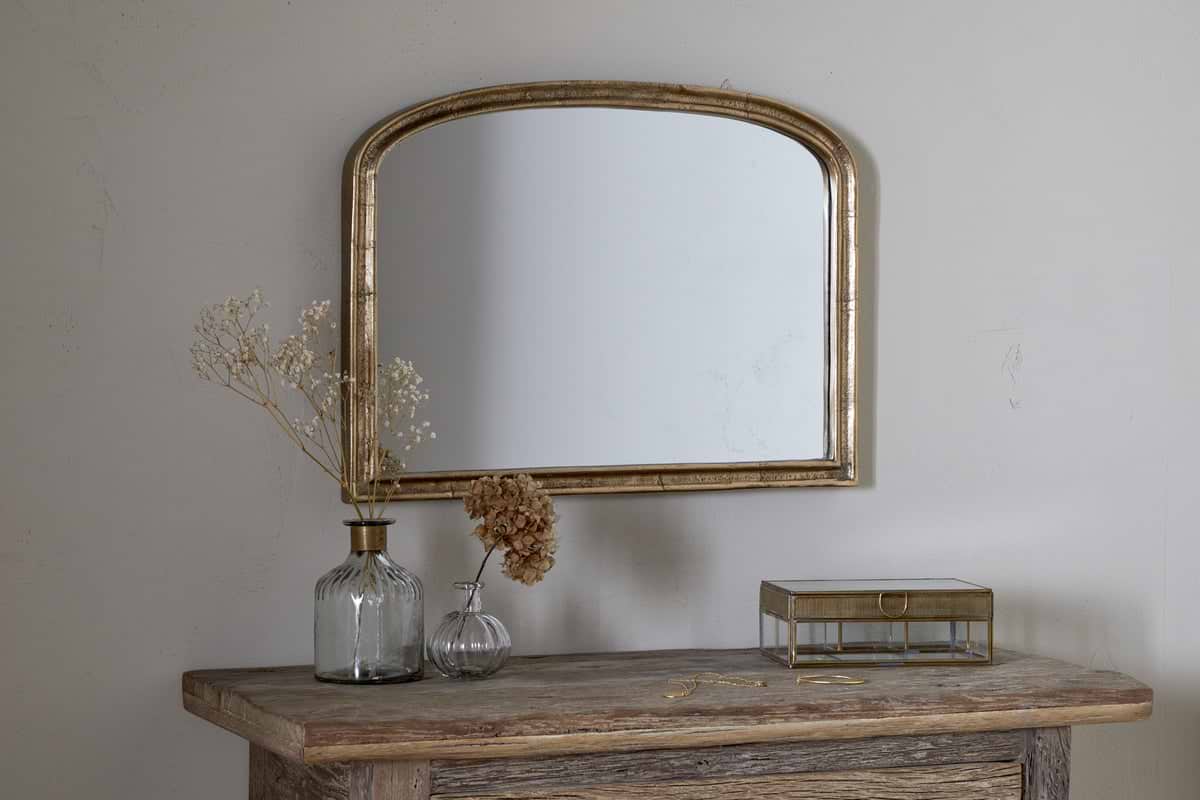
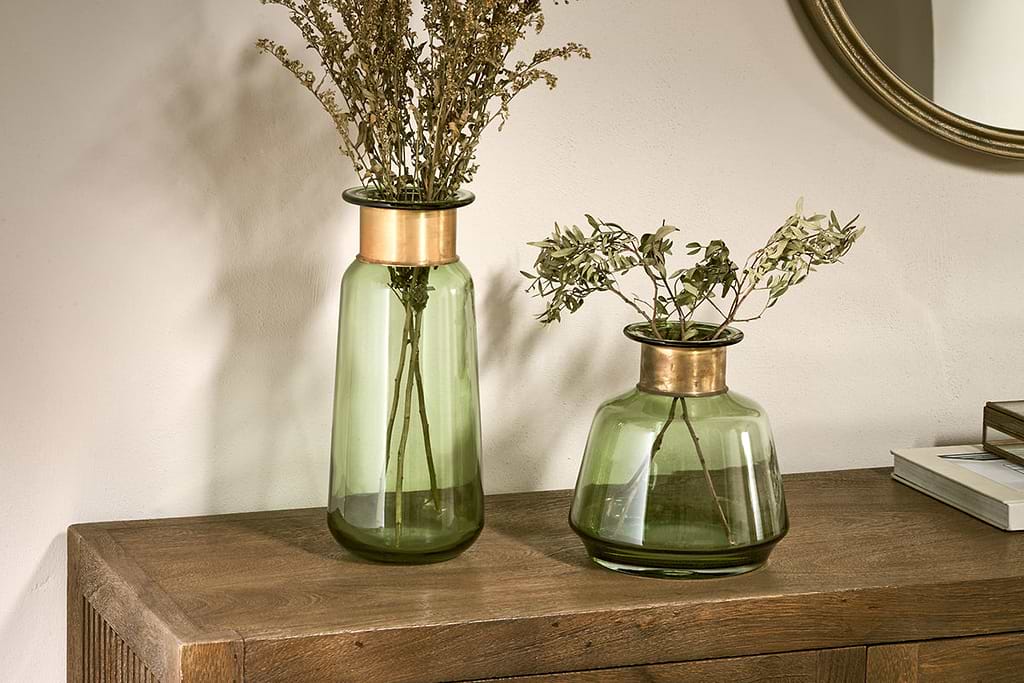
The Almora mirror echoes that light-lifting impulse in solid brass, and the Miza vase brings soft green glass to nightstands or dressers.
Some links above are affiliate links. If you buy through them we may earn a small commission at no extra cost to you. We only suggest pieces we think fit a calm, lived-in home.
Free guide
The Calm Shelf
12 styling ideas to help you compose calm, balanced shelves in natural texture homes.