

Many bedrooms start out crowded, with a pile of mismatched throws, extra side tables, or a tangle of baskets that look more busy than calm. Soft light gets lost behind stacks or dark fabrics. Instead of a retreat, the room feels cluttered and restless.
This guide shows how earthy textures and fewer, well-chosen objects can bring calm. You’ll see how to use linen, jute, rattan, and wood together so each stands out but nothing shouts for attention. This works especially well in small bedrooms when storage is tight because one natural material can do the job of three synthetic pieces.
The short version: Layering linen, jute, rattan, and wood works best in a bedroom when you choose one main texture and keep others in smaller roles. Fewer, natural materials reduce clutter and keep each piece clear and restful.
- How do you mix natural materials without it looking messy?
- Where this works best
- What is the easiest way to tell if a bedroom looks restful?
- How to use woven home decor in a way that feels calm
- Styling and placement
- Why does neutral bedding matter more than wall color?
- How can you create interest in an all-neutral bedroom?

How do you mix natural materials without it looking messy?
Pick one main texture—like linen for bedding—and then add just one or two others, in small amounts, through accents like baskets or small stools. This stops the room from feeling busy and lets the eye rest.
Mismatched textures and too many woven, rough, and soft pieces can add up fast. A common problem comes when someone adds a rattan chair, several jute baskets, a wood bench, and a heavy linen curtain all in the same corner. Instead of a calm, layered look, these fight for attention.
Assigning each material a clear “job” keeps things clear. Use thick linen for bedding, then pick a jute or seagrass basket for storage under the nightstand or bench. A wood lamp base or rattan stool can fit by the bed. Compared to mixing everything in every corner, this rule keeps the room from feeling like a market stall.
In bedrooms with bare white walls and little storage, this hierarchy settles the arrangement. The bed stays as the soft focal point, then small wooden or woven details bring texture at the edges.
Group a linen-covered pillow with a single basket on the floor. As the main texture, bedding draws the eye and other materials quietly support the look.
Where this works best
Neutral material layering is easiest in rooms with limited space or little built-in storage because each piece has to matter. The smaller the room, the more difference a clear contrast makes.
Rental bedrooms often feel temporary, with basic carpet and plain walls. Small flats or attic spaces also limit heavy furniture or built-ins. Here, using natural material home decor makes a big difference—soft pieces are easy to move and layer, and the right one or two accents add a sense of calm.
A linen duvet or blanket, paired with a round woven basket, keeps the atmosphere soft but avoids clutter in a tight space. Bring in texture with a wood stool as a nightstand, or swap dark plastic bins for open jute totes under the bed. The contrast between bare floors and layered textiles keeps the room from feeling cold.
Avoid loading the space with too many small accents—a bowl, basket, and tray on one table can turn restful order into a disorganised catch-all. Instead, separate materials so each stands alone. Neutral home decor ideas work best when the room feels simple at a glance, rather than busy or crowded.
Try a wood-framed mirror near the bed in a tight bedroom where there’s little wall space. It adds depth without making the room darker. This works especially well in low-light spaces, where natural textures reflect soft light and keep the corner calm.
What is the easiest way to tell if a bedroom looks restful?
A room feels restful when the bed stands out as the softest, lightest element, and there aren’t more than two other textures fighting for your attention. Anything extra tips the look toward busy.
Commonly, the most restful bedrooms show the bed clearly as the calm centre. A thick linen throw or a handful of smooth cotton pillows anchor the eye. The bedside area might have a wood lamp or woven tray, but that’s often all.
At night, angled lamplight reveals whether a corner is clear or full. Too many items—or lots of bright, varied weaves—reflect light unevenly, which creates a jumble. Leaving space between textured accents keeps the focus calm.
If a natural material feels rough or looks busy, like some rattan or cane chairs, pairing it with open, plain bedding helps. Fewer seams, fewer patterns—the bed remains the soft heart, with organic home decor supporting at the edges.
Look at your nightstand. If the top is covered in small containers, trays, and bottles, it’s time to pare back. One or two soft, tactile pieces placed with intention can open up the space.
How to use woven home decor in a way that feels calm
Keep woven accents simple by making them serve a function, like holding books or covering storage, rather than scattering them for decoration. This turns basket clutter into visual order.
A room with woven trays, baskets, and bins in every corner usually looks busier than one that limits woven items to a single, useful spot. Choose one basket for under-bed storage or a single rattan tray on the dresser. The effect is gentle and avoids the jumble created by several similar textures fighting for attention.
Jute baskets work well beside the bed to hold extra throws, shoes, or a book. Placing a woven planter near the window anchors the corner without pulling focus from the bed. Compared to plastic or wire storage bins, woven home decor feels softer underfoot and is quieter when moved.
Use woven items with smooth linen bedding for a touchable, quiet mix. Leaving the rest of the space clear lets natural fibers stand out without feeling heavy. For care tips, simple routines for cleaning and airing the room keep baskets and textiles fresh.
Avoid doubling up on woven details—if you have an oversized basket by the window, skip the second one under the bedside table. Limit woven pieces and let each serve a clear purpose.

Styling and placement
Give each major material—linen, wood, rattan, jute—a distinct role: for example, bedding, nightstand, seating, and storage. This hierarchy keeps the design clean and practical.
The clearest way to prevent chaos is to treat each material like an anchor. Place linen on the bed, use wood for legs or shelves, reserve jute for storage, and keep rattan or cane for one small chair or light shade. This structure avoids the randomness of scattered, overlapping textures.
Spacing matters. Instead of crowding all textures together, place a basket under the bed and a wood stool on the opposite side. In narrow bedrooms, put the eye-level materials near the headboard and keep heavier elements near the floor.
The effect: the room gains quiet order. Compared to stacking baskets by each wall, distributing accents lets the bed remain the centrepiece.
Quick calm checklist:
- Limit every surface to one main material (linen, wood, or jute) and one supporting accent.
- Choose a consistent palette—stick to whites, oat, tan, or pale woods for a neutral base.
- Let woven items do a job: storage, cover, or seat—not just extra decor.
- Keep the nightstand clear except for an object you use or love—avoid filling it for symmetry.
- Repeat a single weave or color from the bedding in at least one storage or lighting detail, but never more than twice in a small room.
Try placing a rattan stool as a side table next to the linen-dressed bed in a room with light walls. This draws the eye to the main materials instead of to a mix of accents.
Why does neutral bedding matter more than wall color?
Neutral bedding sets the tone quickly—since the bed covers the most space, its color and texture decide the atmosphere, while wall color is less noticed in small rooms.
A pale linen or cotton cover absorbs light and feels soft, which has a calming effect. If the bedding is patterned or dark, the room can seem heavy or small even with white walls visible. Most decorators recommend starting with the largest surface—usually the bed—because that’s where the eye first lands when you enter the room.
Switching the bedding to cream or oat opens up a space and makes wood or rattan accents stand out in a calm way. Compared to repainting walls, swapping the duvet or quilt is quicker and more budget-friendly. A full set of natural-fibre bedding commonly costs less than repainting, and the change is instant.
Small bedrooms, in particular, benefit from soft, light textiles because darker or louder colors make low-ceilinged rooms feel tighter. Neutral home decor ideas keep the look fresh and flexible—easy to adjust with the seasons without extra work.
For an easy change, lay a natural-fiber throw, like linen or lightweight cotton, over the end of the bed, and keep walls calm. The whole room feels softer and clearer than if you’d started with painted color.
How can you create interest in an all-neutral bedroom?
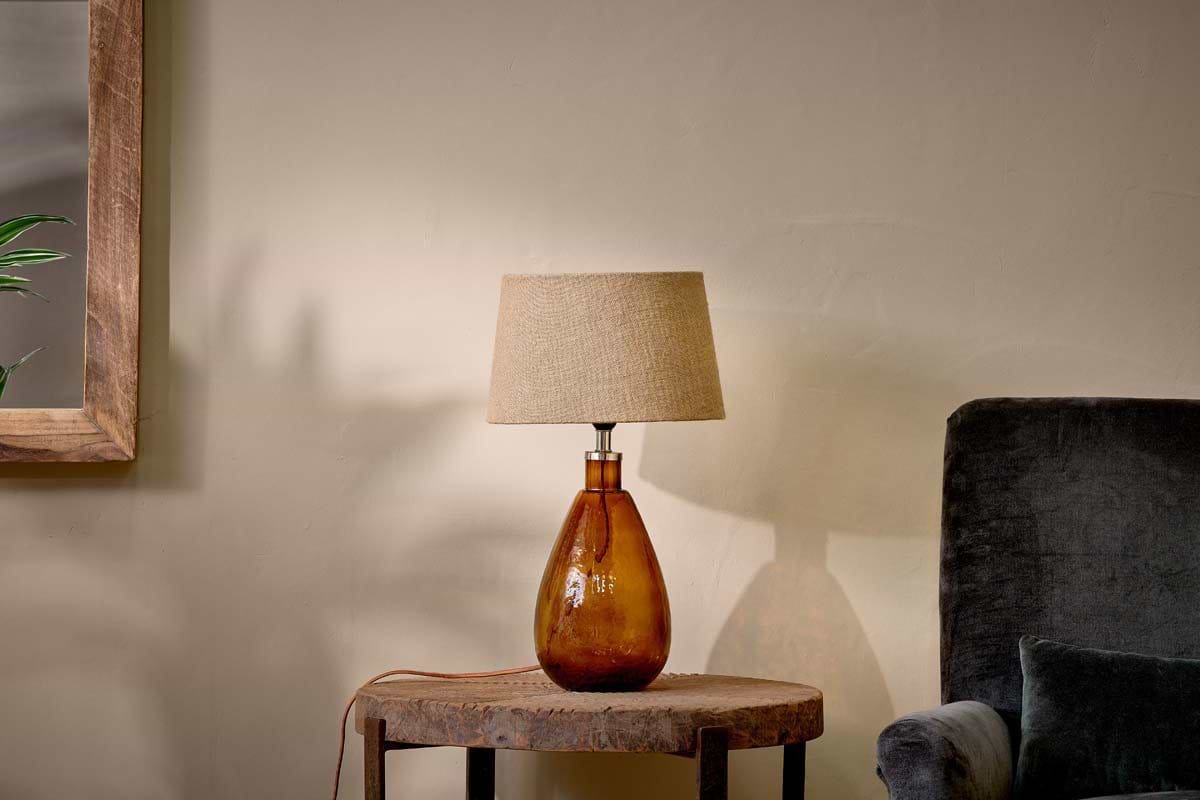
Break up the neutrals with touches of different texture—a plain wooden lamp, a soft linen cushion, a woven rug—so the look is quiet but never flat.
Earthy home decor keeps things from feeling sterile by mixing materials within the same tonal range. For example, a jute rug on wood floors, a pile of smooth oatmeal linen pillows, and a small ceramic tray on the nightstand—all pale, but all slightly different to the touch and the light.
Adding depth through texture instead of color is a trick decorators often use. Bare, smooth bedding reads colder than a bed with a single crinkled linen pillow or a fringed cotton throw. Even in low-light rooms, combining a few neutrals helps details stand out by feel, not contrast.
The cause: light and touch keep a room from looking flat or feeling empty, even when everything is cream, clay, or pale wood. A new Mayla Cushion Cover on a pale bed can add visible texture without shouting for attention.
Try a single ribbed vase or a small clay bowl on a wood nightstand. This keeps the all-neutral room interesting without adding color noise.
What tends to hold up with mixing natural textures for a calm bedroom
In reviewing hundreds of bedrooms, the rooms that age best usually start with bedding in one natural fabric and just two supporting textures. Most decorators agree that an earthy, matte linen pillow or lightly wrinkled throw does more to quiet a space than several small, mixed-material baskets. Matte and loosely-woven textures catch less glare than shinier options, so even as lighting changes, the room stays calm.
Readers often report that their rooms feel clearer when they swap out mismatched containers for a single large basket, or replace several patterns with one simple, wide-weave throw. There’s a practical comfort in keeping the eye on the fewer, larger details—the room becomes easier to keep tidy, and it always feels soft, not crowded.
— Mara, Loom & Glow
Common questions
How do I mix natural materials like linen, jute and rattan without the room looking messy?
Pick one main texture-like linen for bedding-and then add just one or two others, in small amounts, through accents like baskets or small stools. This stops the room from feeling busy and lets the eye rest.
Why is neutral bedding more important than wall colour in creating a cosy bedroom?
A thick linen throw or a handful of smooth cotton pillows anchor the eye. The bedside area might have a wood lamp or woven tray, but that’s often all.
How can I use woven home decor to create a calm bedroom without clutter?
Keep woven accents simple by making them serve a function, like holding books or covering storage, rather than scattering them for decoration. This turns basket clutter into visual order.
Explore more calm combinations inside our Shop The Look .
Shop the Look
Pieces that bring warmth and soft texture to a bedroom that feels like a retreat.
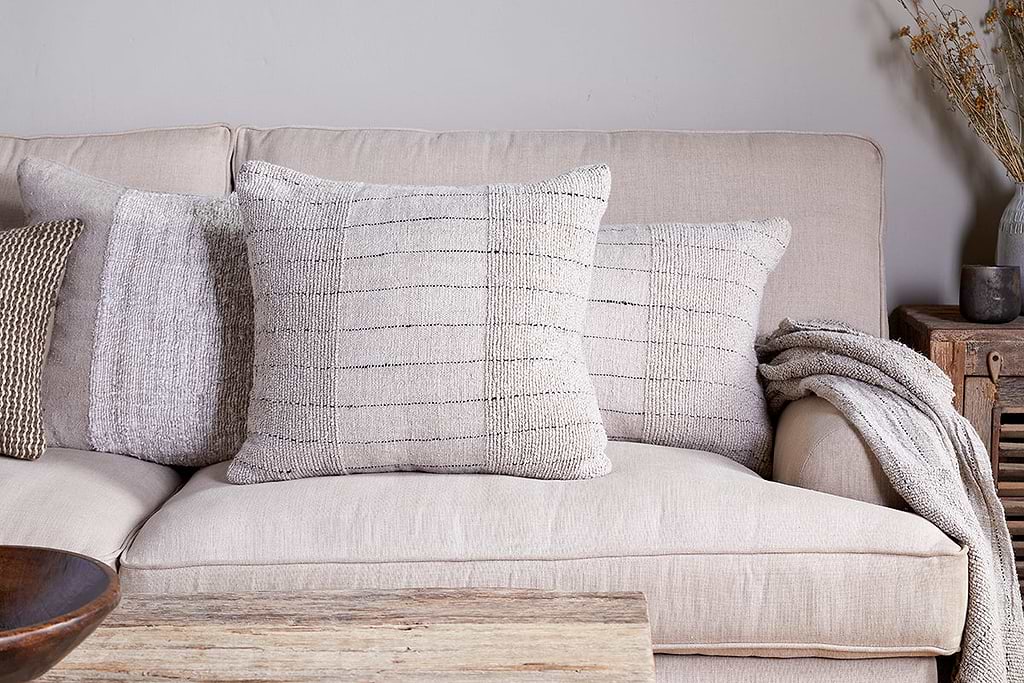
Mayla Cushion Cover
Soft hand-textured cover — instant warmth on linen sofas or chairs.
View at Nkuku →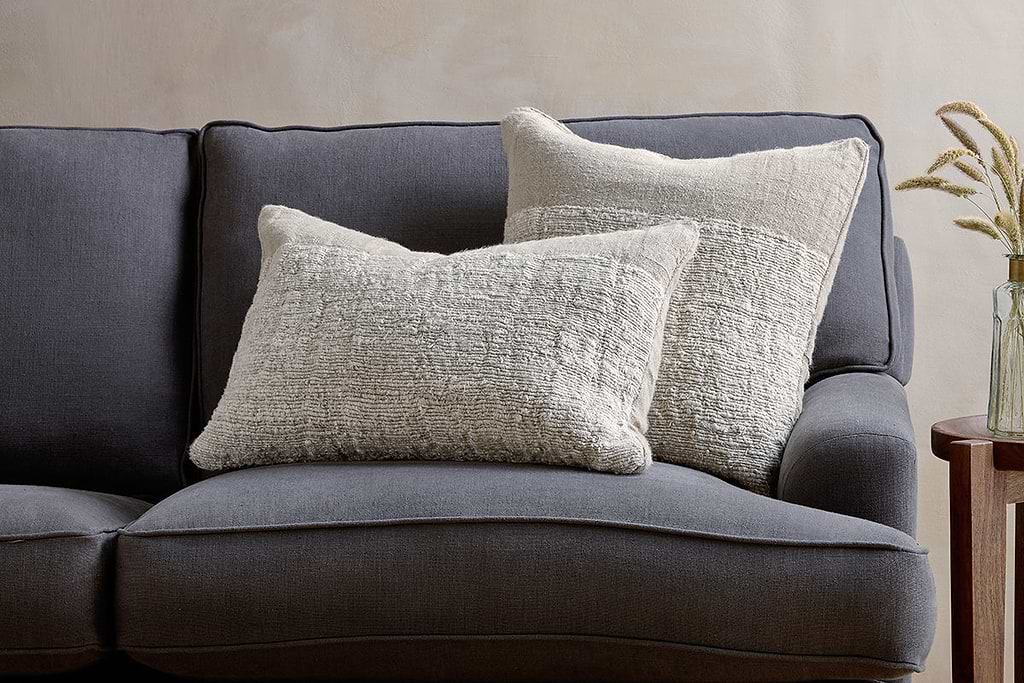
Puli Linen Cushion
Recycled linen in natural — pairs with woven textures and aged wood.
View at Nkuku →Some links above are affiliate links. If you buy through them we may earn a small commission at no extra cost to you. We only suggest pieces we think fit a calm, lived-in home.
Free guide
The Calm Leaf
12 quiet ways to bring dried botanicals, stems, and natural textures into calm spaces.