

It’s easy for a small bedroom to feel scattered, clothes drape from chairs, surfaces collect mismatched things, and the floor never looks clear. A dark wood bed can help anchor the room, but many people hesitate, worried about making a small space feel heavy or too formal.
Removing clutter and picking one grounding piece can make the difference. Today, we’ll see how to work with a dark wood bed to bring the room into focus, reduce distractions, and let the space feel calm again. This works especially well in a busy shared bedroom when storage is limited because the bed becomes the anchor and helps everything feel more settled.
The short version: A dark wood bed grounds a bedroom visually, making it feel both calmer and more ordered. Using natural materials and pared-back styling, the bed can set the tone for a restful space, no matter how small or busy the room is.
Key takeaways
- A dark wood bed creates a sense of visual weight that makes bedrooms feel settled and less cluttered.
- Choosing solid woods like walnut or oak makes a bed that wears well and holds up over time.
- Low-profile frames and platform beds help small rooms look more open and grounded at once.
- Layering soft textures and lighting stops dark furniture from feeling cold or too heavy.
- Many made-to-order dark wood beds come with a multi-year guarantee, according to Endurance Beds.

Why does a dark wood bed calm a room?
A dark wood bed draws the eye and gives the room an obvious centre, so other things can fade into the background. The effect of a strong anchor is a calmer, quieter space overall.
Bedroom layouts often end up busy, especially in small or rental-friendly homes. A bed is usually the largest piece, so any distraction at the centre, mixed woods, visible storage, or a bright headboard, quickly makes the room look restless. Shifting to a dark wood bed changes that.
A strong, even-toned wood, walnut, dark oak, or black ash, pulls attention to the bed. This lets walls, bedding, and small items matter less visually. A platform bed in dark wood is easier to style simply, compared to a light or highly patterned piece that fights for attention.
In a room with low light or neutral walls, a pale frame can look weak or get lost. A dark wood bed, by contrast, stops the space from feeling flat and gives every object around it a clear role. Compared to spreading dark pieces everywhere, anchoring just the bed creates focus without overwhelming the room. Place the bed where your sight line lands first; the sense of calm carries through daily routines.
Types of dark wood bed frames you’ll see
Dark wood beds come in platform styles, sleigh beds, four-posters, and ottoman storage frames, each shifts the mood and function of the room. Picking the right frame shape matters as much as the finish.
Most stores today list dozens of options, but the main shapes stand out for how they affect the look and use of a room. A simple platform bed, with or without a headboard, keeps the line low and clean. This works well when space is tight or daylight is limited.
Sleigh beds, with their high curved sides, bring a classic shape. They look heavier, so it’s better for larger rooms or where you want the bed to be the clear focal point. Four-poster beds stand tall and can make the ceiling feel higher, but they need space to breathe.
Ottoman storage beds in dark wood frames double as storage, opening up the floor in small apartments. Compared to drawers or clutter under the bed, a sealed ottoman bed looks tidier and more solid. Place each shape based on your room’s main problem, low ceiling, too much stuff, or need for drama, so the bed solves the core issue, not just its look.
Where this works best
A dark wood bed works best in rooms that need an anchor, like a small main bedroom or a guest space that serves more than one purpose. The stable look helps contain visual clutter.
Bedrooms with pale walls and little storage often feel loose or unfinished. In rental homes, where painting or major built-ins are off-limits, swapping to a dark wood bed is one of the few big changes that feels allowed. It’s an instant way to bring presence and unity without risking your deposit or making irreversible changes.
The method is simple: focus on keeping everything around the bed soft-edged, curtains, throws, a woven basket like the Nkomi Basket at the foot. This lets the bed stay the heaviest element, while lightening the mood with small, subtle detail. If you need storage, pick a frame with drawers or a lift-up ottoman style.
Avoid pairing a dark wood bed with dark, heavy dressers or dark curtains in a narrow room. That combination can close the space down. Instead, use the bed as your one dark centre and echo the wood tone in smaller ways, like a lamp base or tray. Place the frame with enough breathing room at either side; the space around it is as important as the furniture itself.
Common dark wood finishes
Walnut, mahogany, black ash, and dark oak are the most familiar dark wood bed finishes, each with a slightly different warmth and grain pattern. Picking a finish shapes both mood and mixability.
Walnut is smooth, dark, and chocolate-toned, with a subtle grain that matches with many natural fibres. Mahogany beds read redder and slightly glossier, pulling the space a bit more formal. Dark oak, often seen as a matte finish, feels rustic and laid-back.
Black ash is newer to bedrooms, bringing a cool undertone and straighter grain. All four woods can be found as solid or veneer, each aging differently, solid walnut darkens further with use, while veneers tend to stay closer to their original colour. Unlike bright oaks or painted beds, dark woods tend to hide the small scuffs and marks that come with daily use.
The best use for these finishes depends on your goal: for a more modern, spare look, try black ash or dark oak. For a cosy, classic approach, walnut or mahogany may feel softer. Anchor the room with the bed and swap other pieces slowly, matching woods exactly is less important than letting the bed set the tone. In spaces where you want a dark wood bed to look less heavy, pick lighter linens and a textured rug pulled from the softest shade in the wood grain. For more detail on finishes and pairing, see mango wood furniture styling.

How do you stop a dark bed from feeling too heavy?
Balancing a dark wood bed is about controlling what surrounds it: soft-feel bedding, low-profile lighting, and a minimal number of accent pieces keep things from tipping too dark or cold.
Rooms with one dominant dark piece can feel off-balance if everything else stays sharp or hard-edged. Light-coloured linens, a cream cotton duvet or pale linen throw, break up the weight of dark wood. Mixing in a wool rug or woven basket adds a softer texture underfoot, stopping the space from feeling hard.
Instead of bright overhead lighting, use table lamps or wall sconces with warm bulbs. This sets off the wood’s depth and prevents strong shadows across the room, which otherwise make the bed look heavier. Compared to glossy paint or metal, matte ceramics or unfinished clay bowls on a side table pull things back into balance.
One sturdy rule of thumb: A dark wood bed works best when the rest of the palette is kept light and no more than two strong accent colours appear in the entire room. Apply this anywhere you need to focus the eye, keep the pillows simple, limit visible storage, and the bed never feels “too much” for the space.
Styling and placement
To style a dark wood bed, repeat one warm texture, keep nearby surfaces clear, and limit bold colour elsewhere. Placement works best near a light source to soften contrasts.
Start by picking one material to repeat, maybe a jute rug, a linen throw, or woven baskets. Like the dark bedroom ideas roundup shows, this ties the room together without mixing too many looks. Place the bed so at least one side catches natural light, even if only for part of the day. That stops the wood from reading as flat or heavy in daily use.
Keep side tables simple. A clay bowl or small lamp is usually enough; too many small objects around a dark bed break the flow and can feel messy, not lived-in. For headboards, flat panels or thin rattan overlays work well. Thick, upholstered headboards in strong colours, by contrast, draw too much attention and compete with the wood.
Quick calm checklist:
- Limit surface items on nightstands to two per table.
- Repeat one natural material, wool, jute, or linen, on a rug, basket, or throw.
- Keep the visible colour palette under three main shades: wood, wall, and one accent.
- Use baskets or hidden drawers for anything not used daily.
- Let at least one edge of the bed sit within natural or soft lamp light.
Apply these steps for quick changes, swap out plastic for clay or woven, clear surfaces in the evening, and light the bed so it leads the eye gently across the whole room.
What’s the difference between platform, sleigh, and four-poster beds?
A platform bed sits low with clean lines, a sleigh bed feels formal with its curled shape, and a four-poster bed brings height and drama. Each changes how a room looks and feels.
Platform beds are often the go-to in crowded or small spaces. Without a high headboard or posts, there’s less bulk, so the room stays open. Four-poster beds, like Endurance Beds’ Barnwell frame, command attention and make a ceiling feel taller, but require extra space around them to avoid looking squeezed.
Sleigh beds suit those who want a central, standout shape. The curved frame feels soft to the eye, offsetting the depth of dark wood, but can look too traditional or bulky in a rental-sized bedroom. Top stores now offer all three shapes in dark wood, with many offering custom upholstery and finish choices, Loaf alone lists at least 30 options for colour and texture, according to Loaf.
| Bed Frame Type | Main Features | Best For |
|---|---|---|
| Platform | Low, minimal profile, legs exposed or with drawers | Small bedrooms, simple decor |
| Sleigh | High curved head and foot, formal look | Larger rooms, traditional mood |
| Four-Poster | Tall posts at corners, dramatic height | Spacious rooms, adding vertical interest |
The best match comes down to your actual space and daily needs. For rooms with low ceilings, stick with a platform bed. For guest rooms or airy master bedrooms with room to spare, a four-poster makes a real statement. Pick the frame that fits the space, then let smaller details support it without adding clutter.
There’s usually a turning point: you walk into the bedroom and, even after tidying, something feels unsettled. The bed might blend into the background, or the mix of bedside items doesn’t add up visually. The room lacks a clear starting point and just feels busy.
The simple shift is to choose one focal piece, like a dark wood bed, and cut back on competing surfaces and colours nearby.
A single anchoring piece steadies everything around it, so the eye finally rests again.
Save this idea for later.

What tends to hold up with dark wood beds in calm bedrooms
The best-designed calm bedrooms rarely overload on shapes or textures. Bedrooms with a dark wood bed that gets some morning or late afternoon light tend to look richer over time, since the finish wears in and the bed takes on more character with each year. Reviewers and designers alike point out that matte finishes avoid glare and soften the look, especially near a window, something also clear when comparing options from leading wood bed makers.
Repeating a texture (linen bedding, a braided rug, unfinished ceramics) around the bed helps the look last without feeling staged. Anchoring with just one main colour, with softer notes around it, is advice that comes up again and again in feedback and style guides. Letting the bed do the visual heavy lifting means less fuss elsewhere, most rooms benefit from this simplicity.
, Mara, Loom & Glow
Common questions
Why does a dark wood bed help calm a bedroom?
A dark wood bed draws the eye and gives the room an obvious centre, so other things can fade into the background. The effect of a strong anchor is a calmer, quieter space overall.
Which dark wood finishes work best for a calm bedroom?
Walnut is smooth, dark, and chocolate-toned, with a subtle grain that matches with many natural fibres. Dark oak, often seen as a matte finish, feels rustic and laid-back.
How do you stop a dark wood bed from making a small room feel heavy?
The method is simple: focus on keeping everything around the bed soft-edged-curtains, throws, a woven basket like the Nkomi Basket at the foot. This lets the bed stay the heaviest element, while lightening the mood with small, subtle detail.
What bed frame shapes work best in small bedrooms?
A simple platform bed, with or without a headboard, keeps the line low and clean. This works well when space is tight or daylight is limited.
Explore more calm combinations inside our Shop The Look .
Shop the Look
These pieces complement the warmth and grounded feel of dark wood in a bedroom.
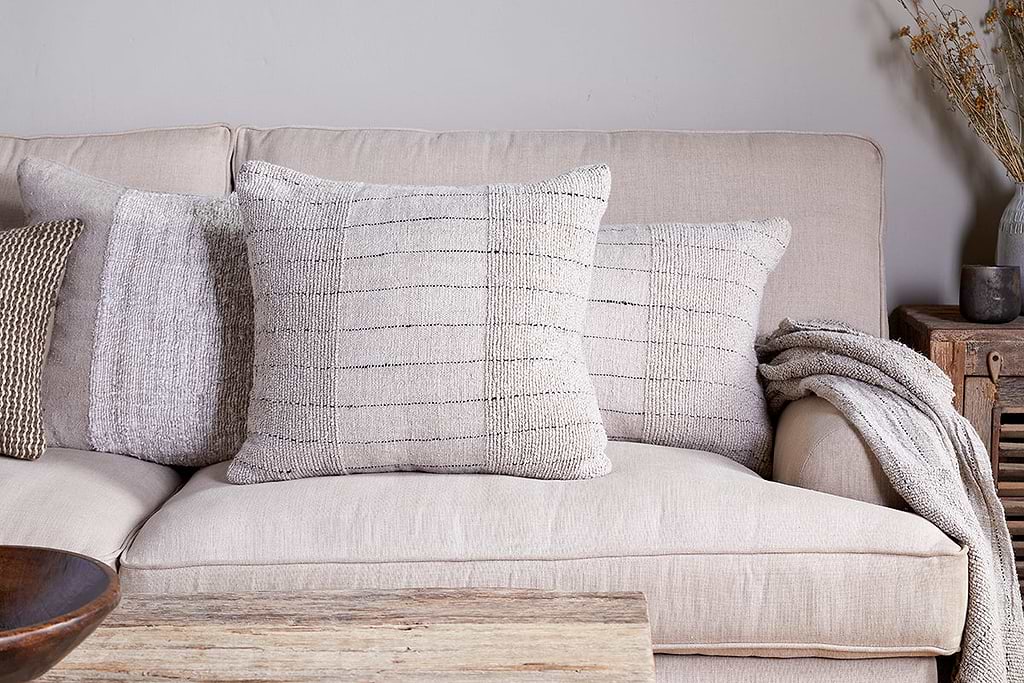
Mayla Cushion Cover
Soft hand-textured cover, instant warmth on linen sofas or chairs.
View at Nkuku →
Some links above are affiliate links. If you buy through them we may earn a small commission at no extra cost to you. We only suggest pieces we think fit a calm, lived-in home.
Free guide
The Calm Shelf
12 styling ideas to help you compose calm, balanced shelves in natural texture homes.