

Messy surfaces, clashing throws, and not enough space for both people’s clothes, these are common issues when searching for bedroom ideas for couples who share a small room. Compromising on storage or style often leads to a crowded look or a bedroom that feels like no one’s own.
Today, you’ll learn practical ways to bring two aesthetics together without overpowering a small space. You’ll see what to pare back, what to combine, and how to make joint decisions that keep the bedroom both tidy and genuinely shared. This works especially well in small shared bedrooms when storage is limited because it focuses every choice on what both people use and like every day.
The short version: The best bedroom ideas for couples blend storage and style so both people feel seen, using neutral palettes and shared materials to keep the room calm. Smaller bedrooms benefit from reducing visual distractions and repeating soft textures. A couple can have a comfortable, attractive bedroom without clutter or clashes.
Key takeaways
- Streamlined storage is the most important priority in shared bedrooms for couples.
- A bedroom works best when both partners agree on a limited colour scheme and repeat it throughout the space.
- Soft textured textiles, used across bedding and curtains, keep a room from feeling cold or flat.
- Choosing built-in wardrobes or dressers with clean lines helps a small bedroom feel less crowded, according to Feather & Black.

What’s the real challenge in a small shared bedroom?
The hardest part in a small shared bedroom is combining two people’s needs without creating visual chaos or resentment over space. A calm, practical approach starts by controlling what is kept out and what is put on display.
The typical scenario is a couple moving into a bedroom that holds only a small wardrobe and limited drawers. Each person brings different things, maybe he wants a solid wood headboard and she prefers linen bedding in soft colours, or one likes bold prints while the other likes plain textures. Soon, the room feels overly full and no one wants to give up their favourite items.
Choosing bedroom ideas for couples that focus on shared use over individual taste keeps surfaces clearer and storage simple. A canvas laundry basket placed in the corner won’t crowd a room like separate plastic hampers would. Fewer objects mean less time spent tidying and less stress about whose stuff goes where.
Visual crowding often happens because both partners want their own nightstand lamps, trays, or pictures on the same wall. Unlike a single-person room, a shared space quickly feels restless when small personal items start multiplying. Repeating one wood or one metal across the furniture can help all the objects read as “one set”, even if the specific pieces were chosen by different people. A headboard upholstered in warm linen, for example, creates a soft anchor that both people can agree on without it feeling like a compromise.
Concrete application: On the main surface, desk, dresser, or shelf, use shared storage bowls or trays and repeat one texture for both partners’ daily-use items like watches, glasses, and chargers.
How do you blend two different styles without clutter?
A bedroom shared by two people stays calmest when the largest pieces match in tone or style, while smaller accessories introduce variety in texture or detail. Pairing similar shapes but mixing materials allows for difference without chaos.
For many couples, one person prefers modern lines and the other likes vintage accents. If every preference is included, the result is a jumble, think a sleek metal lamp next to a ruffled lampshade, or dark navy bedding with a tropical print beside muted linen. This can make the room feel busy and unresolved.
Instead of mixing every preference, focus on making the bed, wardrobe, and main dresser the same “family”, either in wood tone or form. Then, use accessory pieces (baskets, vases, throw pillows) to introduce individual interests. A jute basket warms a bare shelf much better than a black plastic bin, and looks more settled when you both need open storage. Sharing bedside lamps in the same finish, for instance, helps make even mismatched nightstands feel purposeful.
A room where the walls, curtains, and main furniture are all softly coloured may look plain at first, but adding one or two gold accents or woven rattan trays makes the space feel layered without going overboard. Unlike loudly patterned curtains paired with bold stripes, this subtler repetition keeps eyes from darting everywhere.
Concrete application: Select one shared feature in every group of objects (shape, base colour, material), and allow only small pieces, like artwork or baskets, to show each person’s individual taste.
Where this works best
Blended bedroom designs suit small apartments, guest bedrooms, and any space with limited light and storage. Pair less furniture with soft shared materials to avoid crowding and coldness.
Small city apartments, rented flats with tight corners, or converted attic rooms all benefit when both people focus on only the essentials. Choose double-duty furniture: a storage ottoman instead of a plain bench, or a couple’s wardrobe that offers two sets of drawers, not just shelves. Pull the bed away from the wall slightly if possible, creating some breathing room around it. Using linen curtains and a compact fabric headboard adds softness without claiming extra floor space.
In busy weeks, even an entry-level wardrobe with two clear sections and smooth-closing drawers goes further than tall free-standing racks that swallow light. Streamlined options, like sets built on the Jacob 3-Drawer Chest principle, which gives each partner a dedicated drawer, can keep resentment at bay while staying visually neat, as seen in The Jacob 3-Drawer.
Avoid mixing oversized, heavy wardrobes with delicate side tables. This contrast makes a small room feel off-balance, emphasizing limited space instead of drawing attention to a shared, practical set-up. Consistent shapes and lighter wood tones work better in close quarters because they avoid adding visual weight.
Concrete application: In a low-light or narrow bedroom, use one main storage dresser and keep it low in height, finished in a soft matte paint or pale wood to avoid crowding out the bed and windows.
How to choose bedroom colours you’ll both love
The simplest way to find a colour scheme that both partners like is to pick two or three main colours you already wear or use in common, and repeat them in bedding, curtains, and rugs. Warm neutrals or earthy greens suit most tastes and soften a small space.
Arguments over colour settle faster when couples start with shades already present in both wardrobes. If both own lots of grey basics, a soft dove or taupe wall will never clash with bedding. Neutral palettes, whites, creams, and light brown, work in even the smallest of bedrooms, reflecting more light, and forgiving when one person adds an accent piece later.
Research suggests that muted blush reds and sage greens are good for privacy and calm, according to Sonno. Painting the wall behind the bed in a soft, non-glossy colour avoids making the space feel colder or sterile. Compared to blue or bold black, these shades are less likely to divide opinions.
Repeating one colour across the room, using it for curtains, bedding, or a rug, keeps small rooms from looking choppy. Unlike picking one “his” and one “hers” feature wall, sharing colour across multiple surfaces helps the space feel larger and more united.
Concrete application: Pick shared-colour bedding and use the same tone in a smaller accessory, such as a bedside lamp or framed print, for subtle cohesion.

Streamlining storage for two partners
Shared bedrooms function best when each person has a clearly defined storage spot, but all built-in furniture matches in tone and height. Slim wardrobes or drawer sets work better than deep, stand-alone chests that dominate floor area.
Many couples run out of space for clothes, bags, and personal items, ending up with piles by the door or in baskets that never seem to get emptied. The most effective solution is storage that feels one step up from open wire racks, but lighter and easier to handle than vintage trunks. A popular principle, used in the Jacob 3-Drawer Chest, lets both people store their essentials separate from each other, with clean lines that never crowd the room, according to Feather & Black.
Built-in wardrobes with flush doors are best for shared bedrooms. They disappear visually, unlike bulky wardrobes with protruding handles. When budget is tight, a pair of floating shelves hung at equal height on each side of the bed creates “his and hers” storage that doesn’t encroach on a shared zone. Streamlined storage is always a foundational bedroom idea for couples.
Comparing plastic crates stacked in the corner to a low, smooth chest of drawers, the chest wins every time, stowing clothes out of sight while doubling as a bedside surface. Most double wardrobes have just enough rail space for two seasons’ clothes, with deep drawers for folded jumpers or t-shirts at the base. Fewer visible handles, and one soft closing mechanism, means less rattling and fewer arguments about “closing things all the way.”
| Storage Solution | Visual Effect | Ease of Use |
|---|---|---|
| Built-In Wardrobe | Disappears, keeps lines clean | No layout changes, quiet doors |
| Matching Drawer Chests | Creates symmetry, doubles as surface | Easy for both to access |
| Open Baskets/Crates | Looks busy, uneven heights | Quick access but less tidy |
Concrete application: Position one shared chest of drawers at the foot of the bed, or split a built-in wardrobe for each person, so daily grab-and-go routines don’t overlap or bottleneck.
Styling and placement
Bedroom styling for couples works best when every item has a clear “home”, stored, stacked, or displayed with space around it. Furniture set flush to the wall or centered under the window prevents wasted corners and keeps things visually grounded.
Unstyled bedrooms often feel busy simply because too many different “little things” accumulate with no resting space between them. Placing a group of smaller objects, like books or clocks, together on a tray on the dresser looks calmer than spreading them out. Using one long shelf above the bed, instead of several short floating ones, stops the eye from bouncing along the wall.
A rug placed under the bottom two-thirds of the bed keeps floating furniture from looking like it’s about to slide away. If the bed floats between two windows, anchor both sides with simple wooden stools or woven rattan cubes for symmetry without taking up much floor area. Visually, shared symmetry works better than mixing heights or widths by each partner’s side.
Good lighting matters, particularly with warm lighting options, and using multiple sources at lower, softer levels helps keep the edges of the room from going stark or shadowy. Compared to only using overhead spots, layering soft bedside lamps or string lights creates gentle shadows and less visual clutter.
Quick calm checklist:
- Opt for natural textiles, linen bedding, jute rugs, or cotton throws, for softness and easy cleaning.
- Group objects by function (reading, storage, display) and keep most of each surface clear.
- Stick to three main colours across all furniture and bedding for a settled look.
- Balance both sides of the bed or window with matching items, even if the textures differ.
Concrete application: Keep nightstands free except for the essentials like water, lamp, and one book, and use matching baskets for other items underneath or nearby.
How do you avoid too many focal points?
The simplest way to avoid competing focal points in a couple’s bedroom is by repeating one standout shape or colour across the largest surfaces, then keeping wall décor and objects minimal and low-key.
Many small shared bedrooms become visually noisy because both partners want their memories, art, and objects in view. Putting everything on the walls and every shelf quickly leaves no space for the eye to rest. Instead, pick one headboard, perhaps a soft linen or compact painted wood, that serves as the anchor, and let any other prominent feature sit elsewhere, not competing with it. This also means not placing bold, mismatched art in line with the main bed wall.
The difference between a bedroom with too much going on and one that feels calm is often the treatment of color and texture. If one person wants a gallery wall and the other likes blank walls, compromise by keeping the gallery limited to half the wall or above eye level, with just two or three frames. Pairing a standout rug with neutral bedding keeps the room interesting but not chaotic. Compared to using patterned bedding and graphic rugs together, this approach keeps the focus clear.
Reducing small table-top “moments” and displaying only one or two cherished objects prevents clutter. A ceramic bud vase on the dresser pulls the eye just enough, one, not three. As a rule, a bedroom works best when the most eye-catching item draws the gaze from the door to the main feature wall, not around every surface.
Concrete application: Decide what will be the main focus from the doorway (headboard, artwork, or window), and arrange the rest of the room simply, keeping display pieces subtle and secondary.
There’s a turning point for most couples decorating a small bedroom: a growing sense that something’s off, even when everything they like fits in the room. The feeling comes from crowded surfaces or too many different colours and shapes in one view, rather than lack of effort or care.
What solves this is often a choice to reduce the number of focal points and limit varied materials, anchoring the design with one main shape or shared colour, and repeating a mellow, natural texture through bedding or window treatments. This shift keeps the bedroom from feeling messy or contested, even when both people’s tastes show up in the details.
It’s easy to let both people’s things gather on nightstands, dressers, and floor corners, creating a sense of busyness and never fully finishing the room. Most homes struggle with deciding what to keep visible and what to store, especially when both people care about style or habit. Sorting this matters right now, because an unsettled bedroom spills into daily routines and rest.
Getting it right makes mornings and evenings calmer, lets both partners find things easily, and stops arguments over mess or style from becoming a daily issue.
Save this idea for later.
What tends to hold up with blending bedroom styles in small spaces
Looking across different small shared bedrooms, what consistently makes the difference is simplicity in the key pieces and a willingness to share major surfaces. Reviewers repeatedly mention how choosing storage to suit both people, rather than two different dressers, keeps day-to-day life smooth. Built-in and low-profile options tend to win for both appearance and ease.
Matte finishes and soft-touch textiles are regularly recommended for shared spaces, because they hide smudges and wear better with use by two people. For small bedrooms, keeping to fewer colours and storing extra objects out of sight prevents visual chaos, no matter the underlying style mix.
, Mara, Loom & Glow
Common questions
What is the best bedroom design approach for couples?
The best approach for a couple’s bedroom is to blend both partners’ needs with neutral colours, natural textures, and shared storage. Keeping the largest furniture unified and anchoring soft textiles helps create a settled feeling. Every item needs a defined place so the room doesn’t feel contested or overloaded.
What are the key bedroom trends for 2026 relevant to couples?
Bedroom trends for couples in 2026 include slim built-in wardrobes, matte neutral palettes, and shared surfaces that hide clutter. Warm lighting and compact seating areas are common. Soft, layered fabrics and natural materials help small bedrooms feel inviting rather than crowded, even when style preferences differ.
What colours work best for a couple’s bedroom?
Soft neutrals like light greys, creams, and muted greens or blush reds work best for a couple’s bedroom, according to Sonno. These colours are easy to agree on, bounce natural light, and blend with most styles or changes over time.
What defines the new bedroom trend for shared spaces?
The new trend in shared bedrooms is focusing on calm, practical layouts using fewer but higher-quality materials. Main pieces, like a low dresser or built-in wardrobe, are matched for symmetry. Texture comes from woven or natural elements and subtle accents, not crowded displays or extreme contrasts.
Explore more calm combinations inside our Shop The Look .
Shop the Look
Textiles and a slender side table that blend warmth without crowding a shared bedroom.
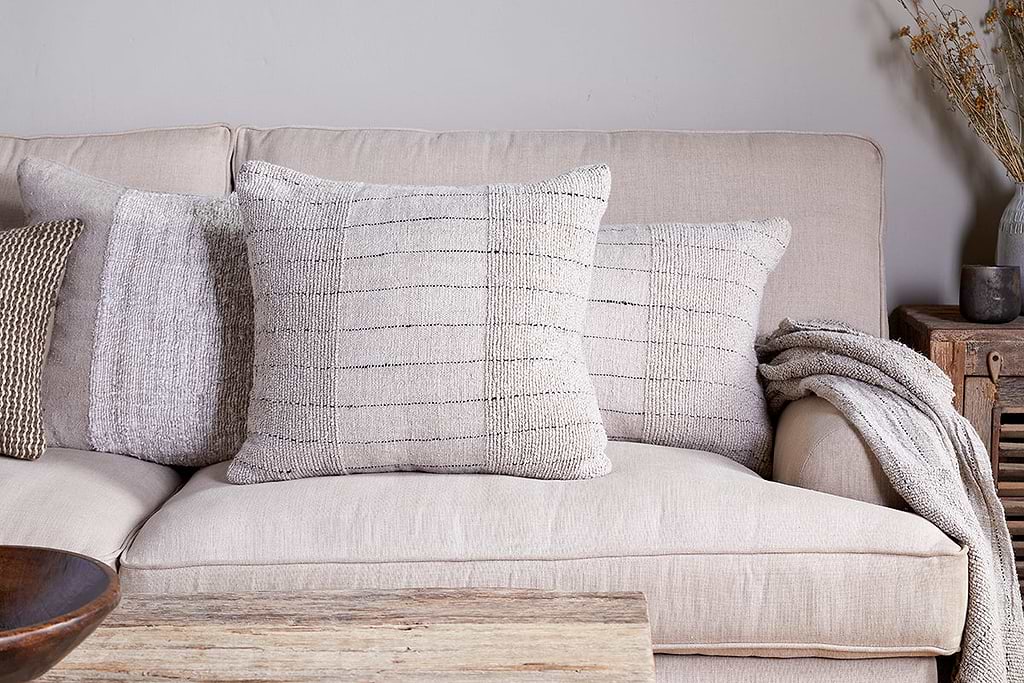
Mayla Cushion Cover
Soft hand-textured cover, instant warmth on linen sofas or chairs.
View at Nkuku →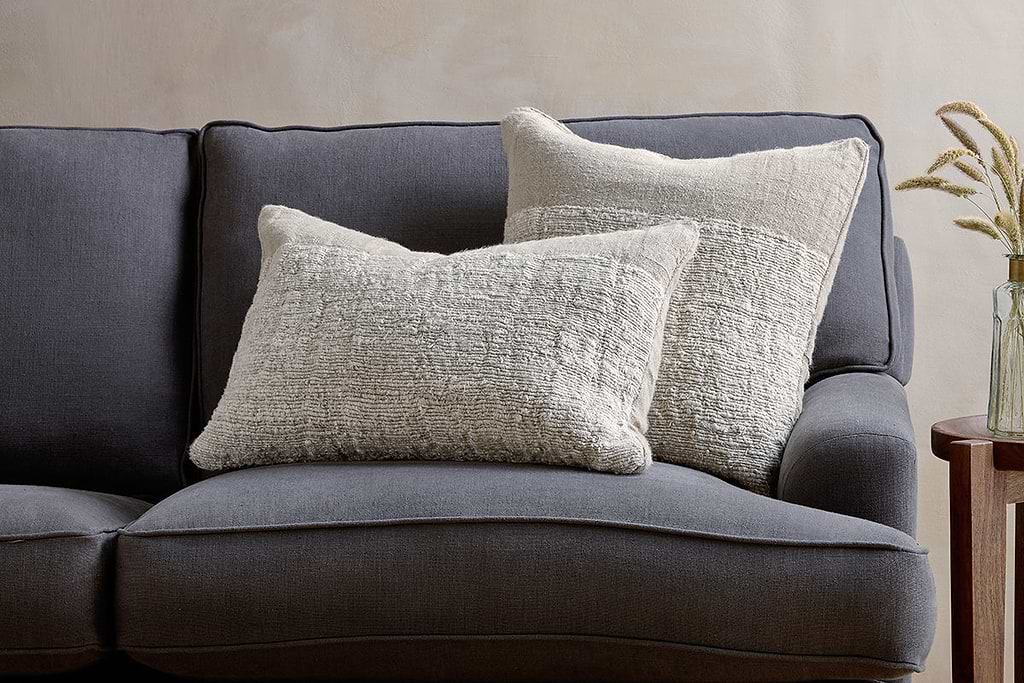
Puli Linen Cushion
Recycled linen in natural, pairs with woven textures and aged wood.
View at Nkuku →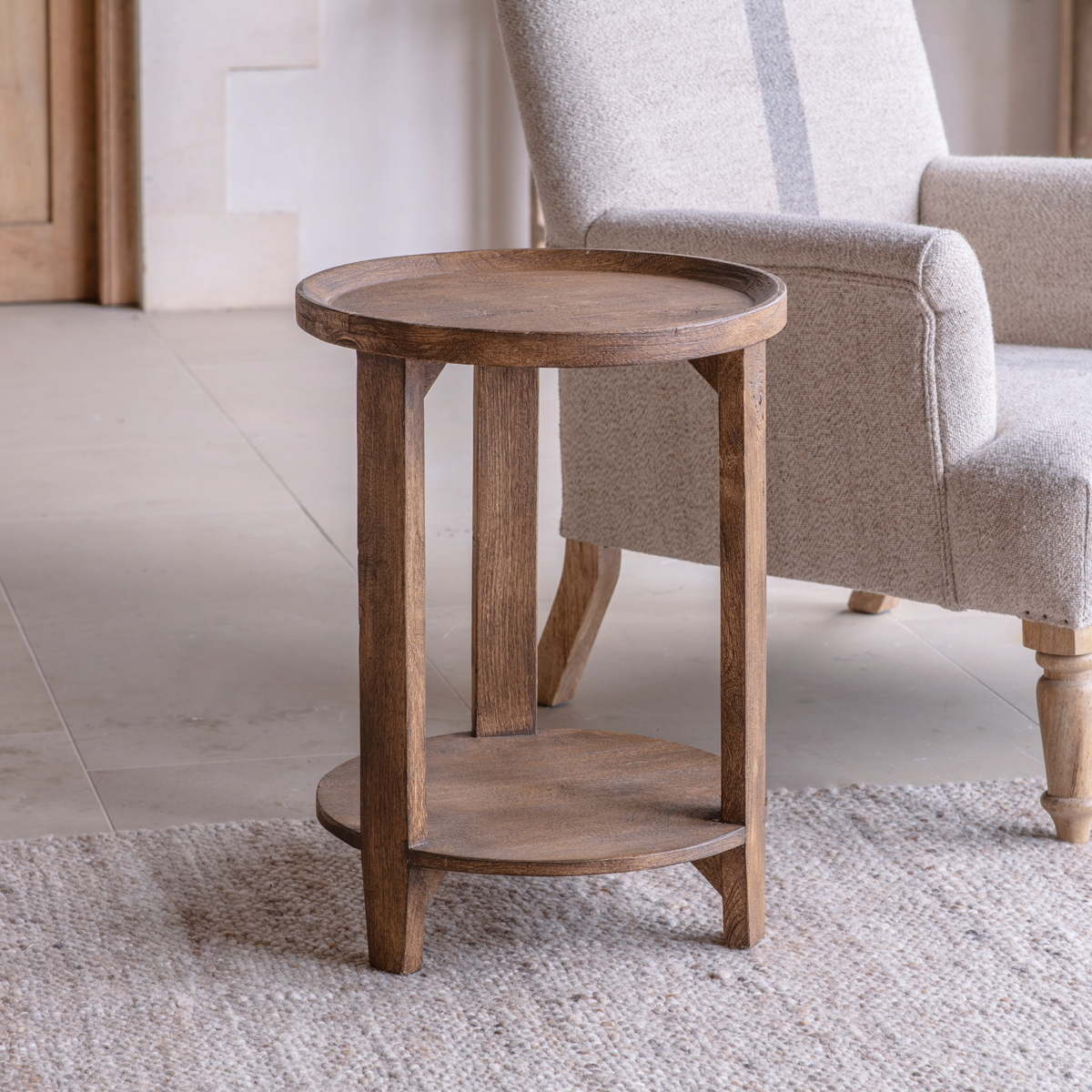
Some links above are affiliate links. If you buy through them we may earn a small commission at no extra cost to you. We only suggest pieces we think fit a calm, lived-in home.
Free guide
The Calm Shelf
12 styling ideas to help you compose calm, balanced shelves in natural texture homes.