

Many small bathrooms feel pinched: tight corners, nowhere comfortable to step, clutter competing with the need for easy cleaning. When searching for wet room ideas, most people want a space that feels open and bright, but worry about slippery floors, leaks, or damp creeping behind tiles.
A calm bathroom is easier than it sounds. This guide breaks down what matters most if you want your small bathroom to feel fresher, not fussier. Today, you’ll learn how to select the right surfaces, where to place drains, which features to keep, and what to remove. This works especially well in apartments with limited space when every fixture and finish is planned up front because it keeps moisture from spreading and makes the room easier to use daily.
The short version: The best wet room ideas for small bathrooms use flush floors, good waterproofing, and limited clutter to make the space feel open without adding damp. Focus on seamless finishes and simple materials to avoid maintenance headaches and create a bathroom that feels calm and practical.
Key takeaways
- A wet room is a fully waterproofed bathroom with a flush shower floor and no raised tray, according to Wickes.
- Proper waterproofing (tanking) is essential to stop leaks and mould in small wet rooms.
- The right drain placement helps water flow quickly and minimises pooling in a compact space.
- Minimalist storage and wall-mounted fixtures reduce clutter and keep the floor feeling open.
- Installing a wet room costs between £5,000 and £10,000 on average in the UK, per Wickes.

What is a wet room (and what it is not)?
A wet room is a fully waterproofed bathroom where the shower floor sits flush with the rest of the space, blending all surfaces without a raised tray. Unlike regular bathrooms, a wet room is designed to handle water everywhere, not just in the shower area.
In a typical bathroom, water is meant to stay in the tub or shower with barriers and trays. But in a wet room, you get a single, open area where water drains across a sloped floor. The whole space is sealed to stop leaks, which means tiles or vinyl run wall to wall, and the shower isn’t boxed in.
This approach is often used when space is short, and there’s no room for doors swinging open or extra edges to step over. People sometimes expect a wet room to look like an open hotel spa, but the difference is in the hidden work: good wet rooms use waterproof layers you never see, under every finish.
Compared to a bathroom with a shower enclosure, a wet room shows off more of the floor and feels less cramped. Wet rooms are popular for accessibility because there are no steps, and they’re often chosen to give a small bathroom a luxury, spa-style feel (Grand Designs Magazine). Place it near natural light to visually expand the space, a line of floor tiles continuing into the shower nudges the eye further, making even small bathrooms feel bigger.
Where this works best
Wet rooms suit small apartments, guest bathrooms, and homes with awkward layouts where traditional shower enclosures limit movement. This design also helps in family homes needing easier, step-free access.
Bathrooms tucked at the end of a narrow hallway or squeezed next to a bedroom often benefit most. There’s usually no room for a bulky tub or wide-screen door. Here, taking the entire floor as one waterproofed zone lets you move freely, and the room feels less crowded by edges and partitions.
Family spaces see muddy boots, splashing kids, or moments when someone showers with the door wide open. A wet room helps because there’s no tray or curtain to trip over, water can spread, but the slope and built-in drain catch it quickly. Owners of old houses sometimes worry about leaks, but in many cases, a wet room makes cleaning easier than chasing drips behind a badly fitting door.
Avoid putting wet rooms in places that can’t handle extra humidity, such as internal closets, or right next to absorbent carpets. If a hallway or laundry is directly on the other side of a shared wall, there’s a bigger risk of water getting through without careful sealing. Compared to an ordinary bathroom, you need to be more confident all seams and edges will hold up to daily splashes, so the method isn’t the best if you can’t do full waterproofing or the space is already at risk from moisture.
In a small studio, place the wet room where a window or extract fan can run after use. This keeps musty smells and steam from lingering, making the area both calm and functional.
How can you avoid damp and leaks in a small bathroom?
The key to stopping damp in a wet room is careful waterproofing, called tanking, before any tile or fixture goes in. Tanking creates a sealed layer under the final finish, protecting walls and floors from hidden water damage.
Most damp problems start behind the scenes. Showers spray far past their footprint, and in a small bathroom, water may run over seams and edges if surfaces aren’t fully covered. By painting or rolling a tanking membrane across every part, including the foot of the door and lower walls, you make sure water can’t seep through grout or cracks.
Some people only tank the shower corner, but a true wet room method covers the whole space. Good practice, according to Wickes, is to work from floor up to at least the lower part of walls, sealed at every join. A bare tiled bathroom without tanking is riskier because grout can let water through over time.
Use overlap at all seams and focus on where walls meet floors. A small bathroom gets wet in unexpected places, right under towel hooks or in front of a sink that sits too close to the shower. Compared to only lining the shower tray, tanking the full bathroom leaves fewer places for water and dirt to build up. Complete this step before picking tiles or paint so you don’t have to repair leaks later.
Once tanked, finish surfaces with tiles or continuous sheets. Add a simple shower screen or glass panel near the shower if you want to keep the mirror or shelf a bit drier but without closing the room off visually.
What floor and wall finishes work best in a wet room?
The best wet room surfaces are non-porous, slip-resistant, easy to clean, and handle constant moisture without damage. Popular options include large porcelain tiles, small mosaic tiles for grip, or continuous vinyl flooring.
Natural stone looks appealing but usually needs sealing often, making porcelain and ceramic tiles more practical for high-water zones. In a compact wet room, large squares or rectangles on the floor keep lines simple and reduce grout, making the space feel smoother. Small mosaics, with more seams, add grip, especially useful near the shower drain.
For walls, tile is standard. Large tiles on the walls bounce light and are easy to wipe down. Compared to a painted wall, a tile finish keeps water from soaking in and prevents stains. Some go for vinyl wall panels that meet the floor seamlessly, skipping grout altogether; this fits best in spaces that need quick maintenance, like rental apartments or busy homes.
Bathroom paint can work if it’s above the spray area, but never use bare plaster near water. Vertical wood slats, if sealed, can warm the look, but are best kept to drier sides or high above head height. A bare tiled bathroom can read cold, adding even one vertical panel or bench in a warm wood finish softens the harder edge without losing function.
For those who want both grip and easy cleaning, a flush shower tray done in the same tile as the rest of the room is a good move. A light-coloured tile helps the space look bigger and keeps the overall feel fresh, even in low light.

Styling and placement
Styling a wet room relies on keeping surfaces clear, choosing wall-mounted fixtures, and using just one or two natural textures for warmth. Put towels and small items on open shelves rather than floor baskets.
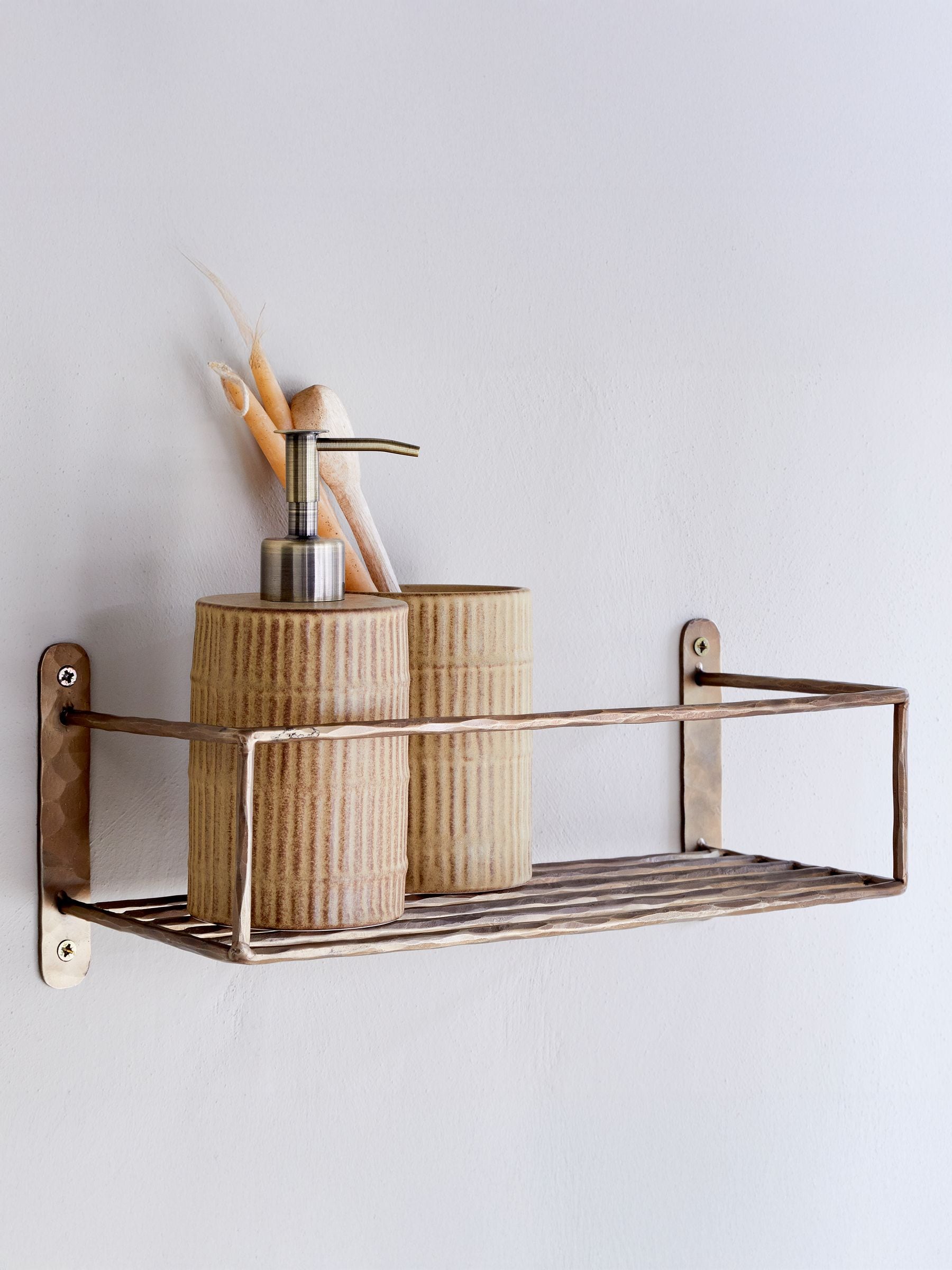
Polished chrome, brushed brass, or matte black shower controls are common, but too much shine can feel busy. The best rooms pick one finish for hardware and stick with it: the smaller the bathroom, the more visual breaks stand out. A single shelf in stone or sealed wood mounts near the entry for soaps and bottles, keeping the floor open and dry underfoot.
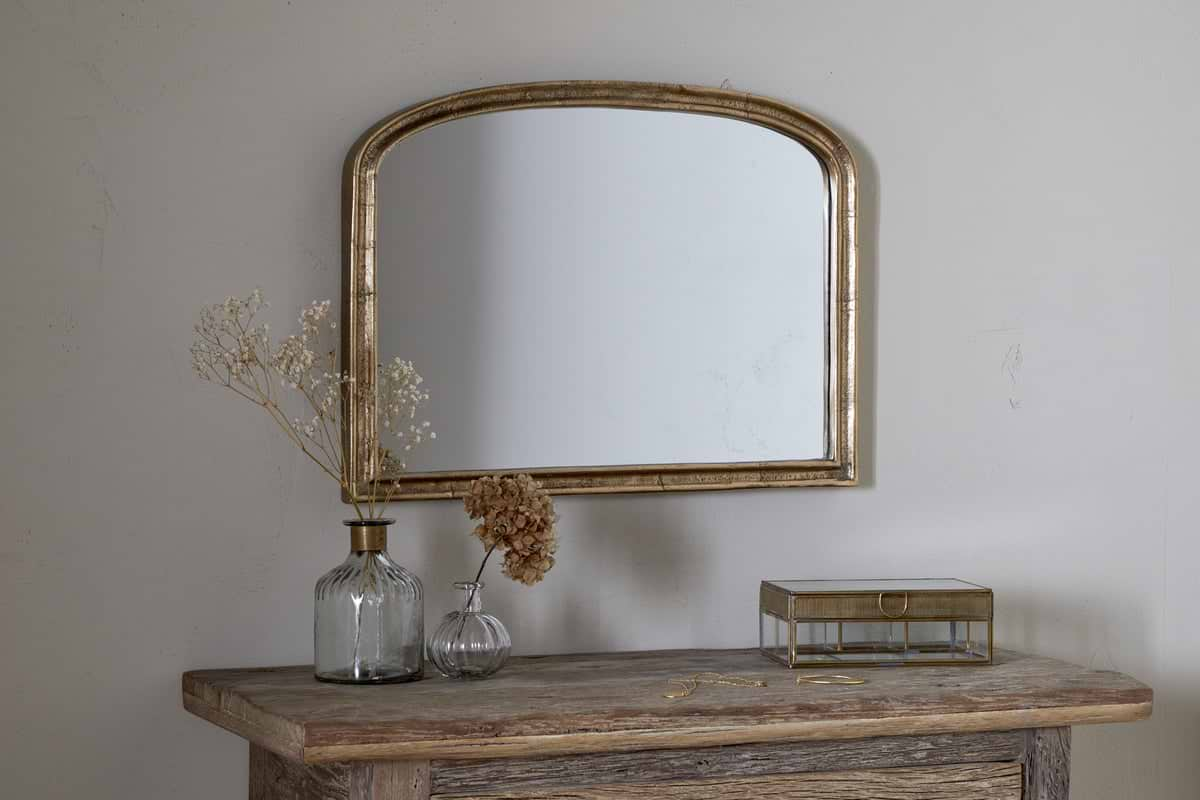
Mirrors help bounce light and make tight corners easier to use. A long horizontal mirror, rather than a compact square, stretches the look of the wall. Instead of a line of hooks that crowds the space, use two or three well-placed pegs by the door for towels, away from the splash zone.
Quick calm checklist:
- Limit finishes to one tile, one accent (wood or stone), and one metal hardware colour
- Choose wall-mounted sinks, simple shower screens, and open shelving
- Keep the floor clear, no baskets or hampers near the shower area
- Use mirrors to reflect light, always outside the main splash area
- Soften with a natural fibre mat if space allows (hang to dry between use)
Use a narrow glass shower screen if needed but leave most of the room open. Placing a stool or teak bench under the window draws the eye toward natural light and gives a spot for folding towels, without adding bulk. Compared to closed cabinetry, open shelves hold what’s needed while making the room feel less boxy. Avoid clutter on every surface, the less left out, the more spa-like the mood.
A wet room styled with restraint and a limited palette works for guest bathrooms, rentals, and any home where fuss-free cleaning is valued. Return things to their shelf after each use to keep the open floor clear.
How do you plan drainage and spacing for comfort?
Planning a comfortable wet room means sloping the floor toward a central or linear drain and keeping the main standing area as dry as possible. The right drain matters more than in a regular bathroom.
In a small bathroom, water can run toward corners if the slope isn’t even or the drain is too close to the wall. A central round drain works in most spaces, but a long, linear drain at the far edge lets you shower and keep your towel dry at the door. Always ask for a drain rated for wet rooms, as they’re less likely to clog if hair or soap gathers.
Spacing counts, too. Place the shower so water travels the shortest path to the drain, with the main track slope running away from the door. If space is limited, a narrow glass screen keeps overspray localized. Compared to a square, floor-level tray, a one-piece, gently sloped surface feels smoother and is easier on bare feet.
| Drain Type | Pros | Cons |
|---|---|---|
| Linear Drain | Less visible, suits long showers, easier slope | May cost more than basic point drains |
| Central Point Drain | Fits almost any layout, reliable | Can pool water in corners if floor isn’t shaped right |
You don’t need a deep slope, most pros use a gentle fall, just enough to move the water without making shoes or stools wobble. Place shelves and hooks away from the direct spray so towels and paper stay dry. Compared to raised trays, a flush floor with a clear path to the exit keeps things calmer underfoot.
If sharing the space in a family home, mark zones where shoes, baskets, or cleaning buckets won’t interrupt the water flow. That way, everything dries quickly and the area isn’t slippery when it shouldn’t be.
For homes where the bathroom is the main route to a laundry or hallway, go for a non-slip finish that’s easy to sweep and mop, good drainage means less standing water, and less risk of musty odours or shoes tracking through puddles.
What visual tricks stop a wet room looking busy?
Keeping a wet room calm means using repeated lines, quiet colours, and one main texture; use storage that stays on the wall, not the floor. Too many details pull the eye and make the room feel crowded.
Break up harsh edges by running wall and floor tiles in the same direction without contrast borders. A single pale colour or gentle stone look gives depth without sharp changes. Reserve any patterned tile or darker shade for a small section, behind the sink or in a niche, so the focus stays where you want it.
If you add storage, pick open shelves or shallow wall cabinets. Unlike deep, closed cabinets that can jut into the space, slim shelving tucks bottles up high. Instead of a shower caddy stacked on the floor, use a built-in wall niche in the tile, this keeps the floor clean and avoids water pooling around bottles.
Softening touches matter. A single linen curtain, drawn back, mutes sound and absorbs echoes. A pale, low-pile bath mat underfoot soaks up stray splashes and dries quickly, without trapping moisture. Glass screens should run edge to edge if used, without metal tracks that break up the line.
Good wet room ideas are all about repetition and keeping the eye moving gently, so the room feels calm even when busy. Mirrors and consistent tile lines help keep small spaces from feeling boxed in or scattered.
There’s often a moment, after cleaning or trying to rearrange bottles, when the bathroom just feels cramped no matter what you move. Surfaces always seem wet, and towels never dry properly. This is usually when homeowners realise that fixtures or finishes, not just clutter, are getting in the way of a calm, workable space.
The shift comes from choosing a single focal surface and simplifying placement: use fewer finishes, anchor one main storage spot, and repeat the same line from floor to wall.
It’s easy to fill a wet room with too many details: border tiles, multiple towel hooks, shiny bins, or baskets crowding the floor. Most people do this hoping to add storage or style, but it usually leaves the room feeling busier, heavier, and harder to clean. Over time, corners start to collect damp, and cleaning takes longer because water settles everywhere.
Using fewer surfaces and wall-mounted storage frees up the floor so water drains faster and the bathroom feels fresher every day.
Save this idea for later.
What tends to hold up with small wet rooms
The most dependable choices for small wet rooms combine just two or three surfaces: a consistent tile, slim shelving, and simple fixtures. Matte tile and vinyl avoid glare and hold up better to streaking, especially near windows. Reviewers often mention that underfloor heating helps things dry faster and makes the floor more comfortable, but it isn’t essential for everyone.
Most stylists recommend keeping hardware slim and finishes repeating, this reduces cleaning time and prevents the mix-and-match look that can make a small room feel chaotic. A single glass panel or low shower screen, when needed, adds just enough splash protection without cutting the space in half.
, Mara, Loom & Glow
Common questions
What is the main practical downside of choosing a wet room?
The main downside of a wet room is the higher risk of leaks or damp if waterproofing isn’t done well throughout the space. Wet rooms need careful installation and regular checks to keep water from reaching underfloor or wall cavities. Small mistakes can lead to bigger repair costs down the line.
What is the average cost range for installing a wet room?
The average cost to install a wet room in the UK is between £5,000 and £10,000 according to Wickes. Higher-end materials, extra features, or a larger area will push the price up. Smaller wet rooms with simple finishes cost less, but professional tanking should never be skipped.
What are the best flooring options for a wet room?
The best flooring for a wet room is slip-resistant porcelain tile, mosaic tile for added grip, or continuous vinyl. These options keep water on the surface, are easy to mop, and don’t stain easily. Natural stone works if sealed properly, but needs more ongoing care than tile or vinyl.
What are the key styling choices to make a wet room look and feel better?
The key choices for styling a wet room are limiting finishes, using wall-mounted fixtures, and picking one accent texture. Clear counters and repeated tile lines help the bathroom feel bigger and more organized. Thoughtful storage, like open shelves or built-in niches, keeps clutter off the floor and supports daily routines.
Explore more calm combinations inside our Shop The Look .
Shop the Look
A few Nkuku pieces that suit a calm, small wet room.
Some links above are affiliate links. If you buy through them we may earn a small commission at no extra cost to you. We only suggest pieces we think fit a calm, lived-in home.
Free guide
The Calm Shelf
12 styling ideas to help you compose calm, balanced shelves in natural texture homes.