

Most people with a small room design for 1 person face the same few problems every day: nowhere to put things, furniture pressed up against the walls, a sense that the space feels neither open nor private. Even after tidying, the room often looks crowded, with not enough places for rest or work and storage always running out early.
You can change this pattern by laying out the room as three clear zones: one for sleep, one to work, and one for rest or reading. This works especially well in a single bedroom with awkward corners when storage is low because it sets natural limits and relieves pressure on every item to do too much.
The short version: Small room design for 1 person works best by splitting the space into three simple zones, one for sleeping, one for tasks, and one for downtime. A single room becomes calmer and easier to use with fewer pieces, hidden storage, and clear, soft boundaries.
Key takeaways
- A small single room feels calmer when each corner is assigned just one obvious use.
- Multifunctional furniture can store clothes or bedding without crowding the floor.
- A visible work desk should stay clear, with storage above or beside, to avoid clutter.
- Neutral, soft palettes make compact spaces look larger and less busy to the eye.
- Vertical shelving and wall hooks open up space that a chest or wardrobe would eat up.
- Where this works best
- How do you zone a small room for one person?
- What are the best furniture pieces for a single small room?
- Vertical storage: are you using enough wall space?
- Styling and placement
- How do you keep everything calm when it’s all on show?
- Choosing one anchor colour for a calm home aesthetic

Where this works best
A calm small room layout works best in box rooms, spare bedrooms, teenage spaces, or a studio apartment where you need to use every corner but want the room to feel open.
Rooms with tight doorways, little built-in storage, or rental restrictions benefit the most from layouts built in zones. These layouts keep the bed, desk, and storage apart and lighten the pressure on the space. In places like small apartments or studio flats, zoning means you don’t have to move furniture for every new task.
In a setup where there’s only one window or minimal natural light, dividing the room into uses keeps the light clear for the tasks that need it, study, makeup, or reading. Even in low-light bedrooms or box rooms, giving each corner a job lets you fit in both a bed and a small sitting area, or swap the desk for a reading chair if needed to match your habits.
Avoid spreading storage across every surface or pushing all the large items against the walls. Grouping similar tasks in zones, sleep, work, rest, means you won’t walk from corner to corner to find things, and small pieces like a stool or single shelf can play a bigger part than an extra cabinet.
Most small bedroom layout guides agree: a single-occupant room needs just three clear purposes to feel settled all week.
How do you zone a small room for one person?
Zoning a small room for one person means placing the bed, work area, and rest spot apart, using rugs or shelving to mark each spot clearly, not walls.
In a single room where work and sleep happen feet apart, furniture placement does most of the zoning. A rug under the bed, a floating shelf above a desk, or a low armchair by the door all separate tasks without dividing the room. Rugs are especially helpful, they make the “zone” feel anchored, keep cold floors covered, and quiet small noises in the morning.
According to IKEA frames a small bedroom to support sleep, clothes storage, and work or relaxation, sometimes all at once. Using tall bookcases or open shelves at the side of the work zone can block some sight lines without building walls or closing off daylight, which keeps the room from feeling boxed in.
Compared to splitting the room in half, creating three clear uses allows for open walkways and uses every inch. Instead of putting the desk at the foot of the bed, try one wall for work and another for storage, so each area stays clean. A calm small home idea is to run hooks or a single rack near the door for coats and bags, keeping the “calm” side free for sleep.
Bedrooms, teenage rooms, and quiet workspaces all benefit from a three-part layout that avoids blur between work, rest, and storage.
What are the best furniture pieces for a single small room?
Multifunctional furniture, such as a day bed with built-in drawers or a fold-down desk, lets every piece work harder while saving floor space in a single small room.
The best pieces for small room design for 1 person are those that offer help beyond their main job. A day bed becomes sofa by day, bed by night. Several brands, including IKEA, feature day beds with deep drawers underneath. These are wide enough for extra bedding, shoes, or storage baskets, taking over the work of a wardrobe or chest without eating up traffic space.
Studio apartments or single bedrooms often need a desk that can slim down or disappear when not in use. Wall-mounted drop-leaf desks fold flat, or a narrow writing desk can double as a console or vanity. Stools or folding chairs tuck beneath, leaving the main floor free.
Unlike bulky wardrobes or wide tables, these multi-use pieces allow you to fit storage, sleep, and seating into a tight layout. Instead of fixing one large storage piece, choose two or three smaller items that match the room’s traffic patterns and lighting. Each one should be easy to move or reach, so nothing feels heavy or static.
Most small bedroom storage solutions use at least one multi-function piece, try a bed with drawers or a bench with a lift-up top, placed so you can access it without opening both sides of the room.
Vertical storage: are you using enough wall space?
Vertical storage, shelves, hooks, and rails, adds useful room above eye level, taking pressure off the floor and keeping belongings neat and accessible.
Many small rooms with no closet or little storage are rescued by using wall space up to the ceiling. Open shelving above the desk or bed holds books, plants, or baskets. Wall hooks keep bags, jackets, or even shoes out of the traffic path. This approach works because it unlocks “dead” space that a low dresser or side table can’t use.
Compared to filling all corners with furniture, stacking shelves or rails upward frees up movement at ground level. Single-occupant spaces, especially box rooms or study nooks, can take floating shelves up high and leave the lower half of the wall spare for a mirror or art.
Placing a narrow peg rail a hand’s reach above the desk or bed gives you a flexible spot for bags, pouches, or a lightweight throw. For those who share a small apartment or must work with awkward alcoves, vertical storage can double as display, keeping treasured objects on show without crowding surfaces.
If you want a visual reference for mixing shelf types, House & Garden shares examples of how one bedroom can use both open wall storage and a single rail. This method brings together mindful home decor with slow home ideas, using what’s already in the room rather than adding more furniture.

Styling and placement
Good styling and careful placement of each item prevents a small room for one person from looking cluttered, helping the eye move cleanly through the space.
Small rooms reward those who stick to a limited palette and repeated textures. Placing a jute basket at the foot of the bed or using a clay tray on the desk anchors each zone. These simple, touchable materials add weight and slow the pace of the room without adding bulk.
Color zones work best in small spaces: for instance, a soft grey or white wall with three accents in the same range, linen, cotton, and wood, or one contrasting pop, such as a single ochre cushion. Compared to using lots of colors, this keeps the room feeling open and helps items blend with their zone.
Furniture should not all line up; offset the bed from the door, or angle a chair near a window rather than tucking it into the corner behind the bed. Placing the desk where natural light falls, not where it blocks the path, clears both vision and space. Soft fabrics, like throws or curtains, soften the look of boxy furniture and mark out private corners without shutting down the room.
Small room styling methods often reuse a favorite tray, bowl, or blanket to nudge a calm home aesthetic without adding anything new.
Quick calm checklist:
- Choose no more than two wood tones for furniture.
- Group storage in natural containers (jute, woven grass, canvas).
- Let at least half of every shelf or desktop stay clear to rest the eye.
- Stick to three linked palette colors and one focal accent.
- Use one soft textile per zone, like a blanket or linen curtain.
How do you keep everything calm when it’s all on show?
Keeping a single room calm with everything visible means closing storage, hiding cables, and letting rest zones stay free of daily clutter.
When storage can’t be hidden behind doors, what’s visible must be limited: clothes in a low basket or plain suitcase, books in tidy stacks, and electronics boxed away out of sight. Wrapping cables or fixing them behind the desk makes a huge visual difference for a slow living home.
Compared to rooms with open shelves crammed full, those that mix closed storage with display space let the eye rest and foster calmness. Keeping the sleeping and rest zones clear of papers, extra clothes, or chargers helps the room “breathe” even when tasks and rest have to share the space day after day.
Hooks or a wall-mounted rail beside the bed keep “in use” clothes off the floor, and a lidded basket beside the chair collects loose reading or textiles. Slow home ideas start with leaving some surfaces empty by choice, not as an afterthought.
Applying these mindful home decor tips, such as repeating the same wood or textile in each spot, adds subtle order that rarely feels forced.
Choosing one anchor colour for a calm home aesthetic
Picking an anchor color for the main items in a small room creates quiet, so surfaces and fabrics all seem to connect even when tasks overlap.
One linked palette, like soft whites and just enough blues or greys, is recommended in House & Garden’s small bedroom feature, which shows how not every wall or textile needs to match exactly, one color or material repeated through curtain, bedding, and cushion is enough. This stops the eye bouncing between unrelated items and rewards slower, steadier use of the room.
In rooms with awkward corners or mixed-use walls, a single tone on the wardrobe, desk, and bedding prevents a boxed-in feeling. This is especially helpful in a studio space, where combining four or more colors makes the room look smaller than it is.
Unlike patterns that compete or bright color blocks, a single, soft anchor shade softens the effect of necessary pieces, bed frame, desk, shelves, without making the room feel flat. A clay bowl or a stone lamp on a plain bedside table catches the eye in a gentle way, not with force.
This choice matches the slow living home approach: settle the palette up front, then rotate art, blankets, or small objects easily as seasons change.
Most people only recognize something is off after tidying for the third time in a week. The bed looks made, the desk is still clear, but the room feels busy or lacks a spot where you can just sit and do nothing, even for a minute.
Often, the solution is to limit focus to just three zones and commit to repeated materials and a modest color base, instead of squeezing more pieces or gadgets in.
One frequent mistake is to fill every wall and corner with independent furniture, an extra chair, a third lamp, another chest. The downside is that every purpose blends into the next, work and rest overlap, and nothing feels finished. Once you zone for sleep, work, and sit, with storage hidden or vertical, the room feels lighter, and daily upkeep gets easier.
A calmer space feels simpler to maintain every morning and night.
Save this idea for later.
What tends to hold up with small room design for 1 person
A few principles stay reliable despite style trends or new storage options. Reviewers and decorators alike agree that rooms with soft textures and fewer strong colors age best. Matte finishes get recommended again and again for shelves near windows, because they avoid glare and make touch points look and feel softer. Open storage works as long as at least half of each shelf stays empty, leaving room for both daily function and small moments of calm. When a reader asks about “making it feel bigger,” most pros point to lighter wall colors, clear zones, and controlling the number of visible objects at any one time. These small habits last longer than any single piece of furniture.
, Mara, Loom & Glow
Common questions
How do you design a single small room?
The best way to design a single small room is to create three clear zones: sleep, work, and rest, using multifunctional furniture and vertical storage. Choose just one or two main colors, repeat soft textures, and keep at least half of each shelf or surface open. This method creates visual space without needing extra square footage.
What is the 3-5-7 rule in interior design?
The 3-5-7 rule in interior design means grouping items in odd numbers, three, five, or seven, to keep arrangements looking balanced and natural. For small rooms, it applies to pillows, wall objects, or baskets: three in a row is usually less formal than two, and rarely feels crowded. Single rooms stay neater this way.
How do you lay out a tiny room?
Lay out a tiny room by assigning each main task to its own spot: bed by one wall, work or study desk near a window, and storage or seating in the final corner. Use vertical solutions like shelves and hooks alongside furniture with built-in storage, so the floor stays open for walkways and movement.
What is the smallest size for a single bedroom?
The smallest size for a single bedroom is typically just enough for a bed, small wardrobe, and walking space, a box room or spare room often fits this role. Designers often treat anything that fits a single bed and leaves room to open a door as suitable, especially in rental apartments or student housing.
Explore more calm combinations inside our Shop The Look .
Shop the Look
A few Nkuku pieces that work hard in a single bedroom without stealing space.
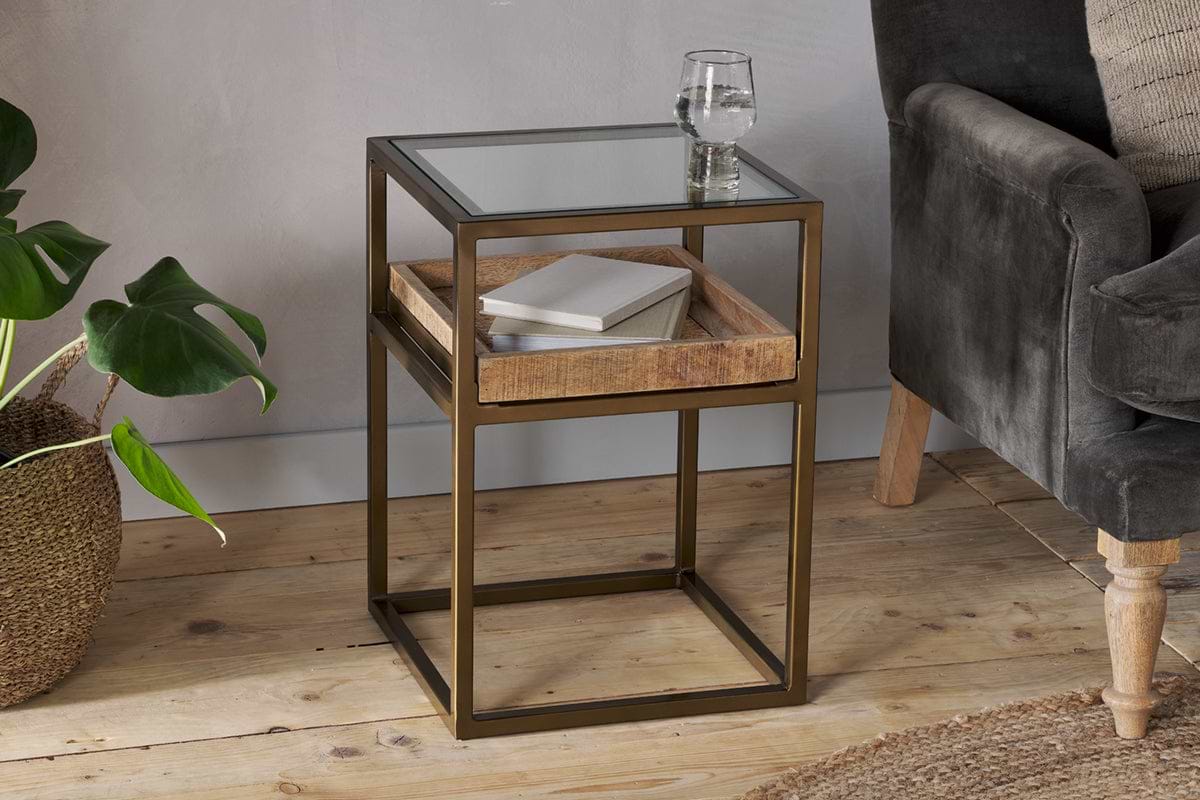
Luzon Side Table
Iron and mango wood with display shelf, small footprint, double function.
View at Nkuku →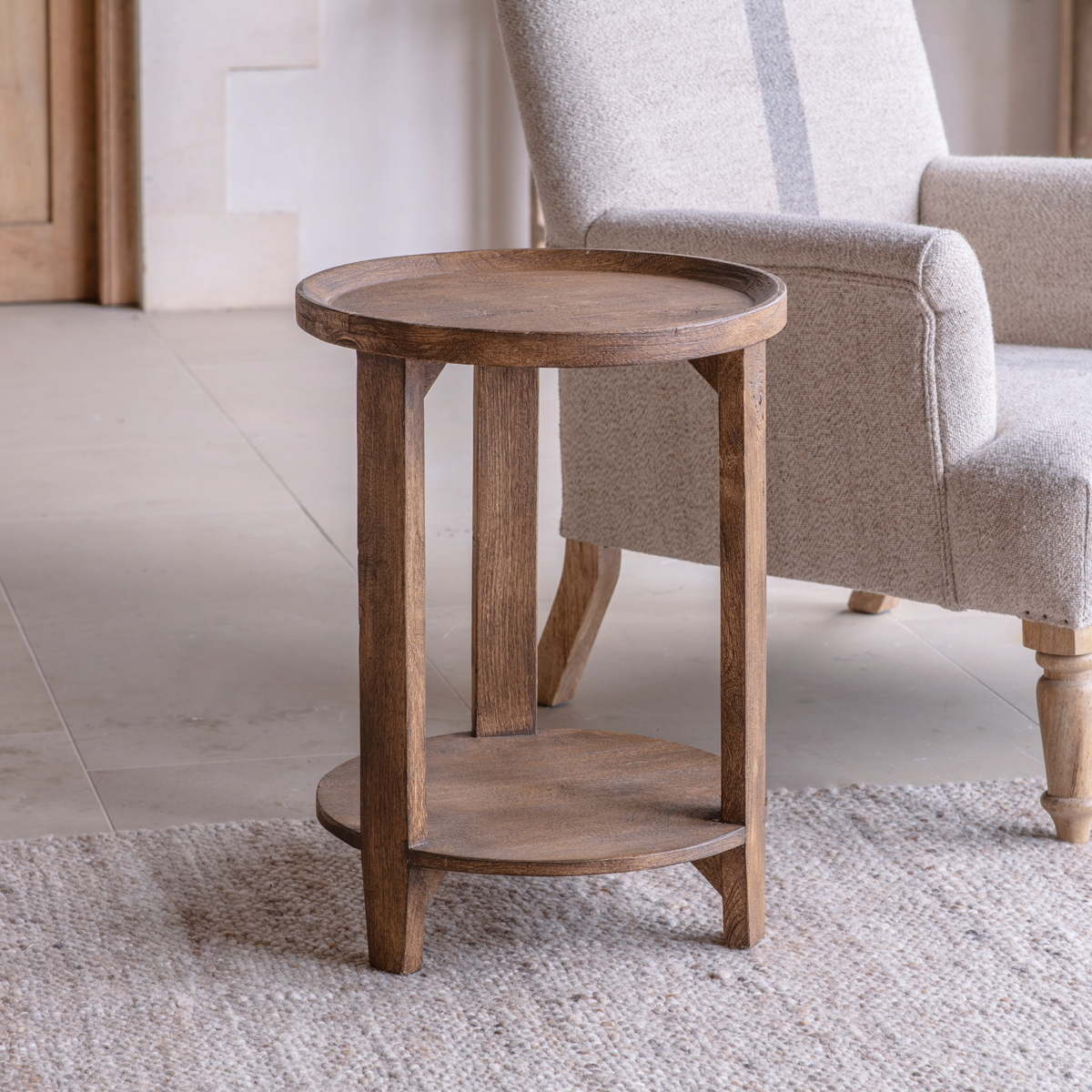
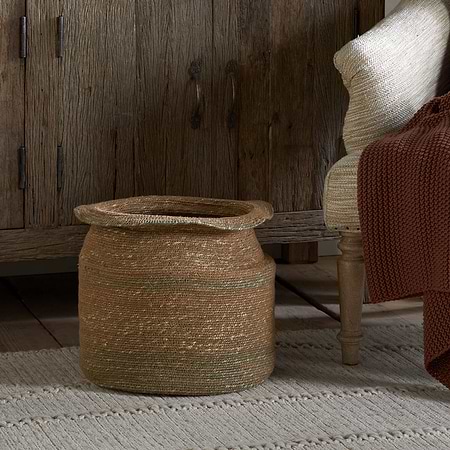
Some links above are affiliate links. If you buy through them we may earn a small commission at no extra cost to you. We only suggest pieces we think fit a calm, lived-in home.
Free guide
The Calm Shelf
12 styling ideas to help you compose calm, balanced shelves in natural texture homes.