

The soft glow of a well-placed lamp can lift a cramped room and give it a sense of space and calm. A careful use of light helps even the smallest room feel cosy without cluttering it.
Every surface and object in the room benefits when light is set to work as a design tool. The right lamp can make all the difference between a space that feels heavy and one that feels refreshing.
The short version: Simple choices in lamp styles and placement create a room that feels larger and more welcoming. Balanced light, thoughtful placement, and natural materials all work together to create calm home lighting.

Finding Your Room’s Light Balance
A linen lampshade and a wooden base create a gentle, focused glow. Soft fibres and simple actions help set a calm tone.
The room may feel cramped when every surface adds clutter. A small bedroom or studio can turn into a pleasant retreat when the right balance of light is achieved. The use of a single lamp on a bedside table makes a definite difference. The effect is clear: a controlled glow softens the space without overcomplicating it.
In one cosy setting, a vintage desk lamp lights up a reading nook. A well-placed light on a worn oak table works wonders with a peaceful balance. One can read about calm interior design ideas and find that pairing a neutral wall with soft light can cut through the room’s compressed feel. When a lamp stands on a narrow shelf, the room feels more organised.
The room steps forward when light is used strategically; a lamp on a small end table helps create a clear focal area. A stark contrast is found when a metal lamp stands beside a soft cotton armchair, offering a mix of textures. This interplay of materials and light helps make a room feel spacious and well thought out.
Selecting the Right Fixture
A brass-finished lamp underscores function and form. A clean metal base supports a warm fabric shade.
Choosing the right fixture is essential when space is limited. A table lamp should fit well on a narrow desk or counter, rising above clutter rather than adding to it. Every piece counts when the room is small, and the right lamp can provide both purpose and beauty. A well-chosen fixture lightens the overall feel and helps each object to sit lightly.
A small reading corner benefits from a lamp with a diffuse glow, and it serves as a reminder that every surface matters. The fixture, with its unassuming presence, ties in well with a piece of minimal coffee table decor found in many stylish homes; see minimal coffee table decor for similar ideas. When the correct height and breadth of the lamp is chosen, the space feels more proportionate.
Adding a lamp on a modest nightstand illustrates the power of choosing the right finish. The use of a lamp with a warm base and soft ceramic elements creates a home lighting effect that is both inviting and calm. This effect follows a simple design logic: the smaller the fixture, the lighter the space feels.
Layering Lighting Ideas and Minimal Lamps
A marble finish blends well with subtle lights. Layered lighting ideas here rely on combining small lamps and cozy accents.
The small room benefits from a mix of floor, table, and wall lights. A puzzle of layered lighting ideas can change the room’s mood when minimal lamps are spread out evenly. The careful use of layers means that no single spot is too bright, and every area gets its own soft touch. One simple table lamp can tie the room together along with other light sources.
In a narrow study, a tiny lamp on a stack of books adds value. The selection of minimal lamps naturally leads to the right vibe when soft lights are tucked around a reading chair. A link to calm entryway ideas allows one to see similar uses of layered glow in different spaces. When subtle touches are applied, the room wins with a blend of contrasts.
The atmosphere lifts when different light sources work in tandem. A practical scenario is a desk with both task and ambient lighting; the values of light are adjusted to make each area comfortable. A single lamp on the end of a shelf can break a complex vision into manageable zones. This simple adjustment allows the room to feel open and undemanding.
Ambient Lamp Ideas for Small Spaces
A soft fabric shade and a gentle bulb are key. Ambient lamp ideas used here focus on creating warm home lighting without a heavy look.
A small room benefits when each lamp is chosen with care. A bedside table outfitted with a modest lamp offers soft, diffused light that feels inviting. The room’s power rests on selecting ambient lamp ideas that are both subtle and strategic. These lamps help the room breathe a quieter, more spacious air.
A slender floor lamp in a corner can bring light to an otherwise darkened area, making the space appear larger. Here, balanced light adds life to a once-muted setting. There is the sense that when light touches every wall gently, the room’s awkward shape becomes an asset rather than a hindrance. If you select a lamp that is too bright then the soft mood will be lost, a point where careful calibration is necessary.
A soft light overlay on a small table creates a familiar refuge for quiet evenings. The glow reflects off a simple glass vase, adding a modest sparkle to an otherwise understated space. Yet, the dimmer corner offers a softer look that contrasts with the bright overhead lights. The cause is clear: balanced light makes the area feel welcoming and true to its small scale.

Styling and placement
A warm ceramic base and soft fabric shade work in calm harmony. Styling and placement here mix rough textures with gentle materials for a fresh look.
Quick calm checklist:
- Choose a lamp with a gentle glow.
- Place it on a small side table away from heavy furniture.
- Ensure the fixture adds a focal point without overcrowding.
- Opt for natural materials like ceramic and wood.
The key is to place the lamp where it does not clash with other elements. A small sitting area by the window gains a cosy ambience with a carefully chosen lamp. This method lets shading soften the edges of a boxy room and highlights each element without overstatement. One clear cause-and-effect moment is seen when a lamp placed on a narrow table opens up the area immediately.
A corner seat with a handwoven throw and a robust lamp can offer both comfort and lighting balance. A textured rug beneath the lamp adds an extra layer of interest against a smooth wall. Such contrasts remind us that even small adjustments in position can guide the eye gently across the room. The shelter of soft light gives a sense of simplicity that is both relaxing and practical.
Where this works best
A reclaimed wood fixture and woven details suit many spaces perfectly. Where this works best is in rooms that combine comfort with a small footprint.
The technique is best suited to small bedrooms, studios, and even box rooms that feel crowded. The arrangement of a table lamp on a dresser or a floor lamp in a narrow living space can cut through the clutter. These ideas apply well when the room’s dimensions are a challenge, as the light softens the heavy look of busy furnishings. With the right approach, the styling lifts off any room that feels trapped.
Adopting this approach means using light to add depth and substance. No matter if the table is made of reclaimed wood or if the lamp’s shade is a hand-dyed fabric, the effect is gentle and reassuring. Avoid walls cluttered with heavy pictures and bulky furniture that pull the eye away from the room’s inherent calm. A gentle lamp on a slim table shows that thoughtful placement can make any space feel open.
A small den with a single soft armchair and a carefully chosen light source illustrates the effect. When limited space calls for maximum impact, using light as a feature highlights natural texture and detail in everyday objects. The balance of minimal design against the rugged frame of a jute basket makes the space distinct. The cause is that focused lighting naturally clarifies the room’s layout against the potential for clutter.
Finishing Touches and Personal Expression
A wooden nightstand paired with a soft lamp completes the look. Finishing touches here involve mixing natural elements with ambient lamp ideas and subtle hints of warm home lighting.
Small elements such as a thin ceramic bowl or a softly glowing lamp can tie together a room that might feel overwhelming at first glance. A bedside table dressed in warm textures and set against painted walls shows that even simple choices can create a deep sense of calm. Using a lamp such as the inspiration from the Baba Recycled Glass Lamp – Burnt Amber sparks conversation without overt brightness. The situation reminds us that small details can transform a room’s character instantly.
An old wooden frame holding a mirror, a jute basket by the door, and a single lamp on a narrow desk are signs that style is about thoughtful placement. The subtle blend of minimal lamps and warm home lighting ties different parts of the room together. A soft contrast appears when a modern lamp rests beside a vintage armoire, providing a reminder that style can merge past and present. This clear effect shows that careful choices lead to a more spacious, welcoming feel.
A modest living room may seem completed with the addition of a soft table lamp near a cosy reading chair. Each object, from a thin bookend to a hand-stitched cushion, adds a quieter, personal touch. The balance in texture and light makes everyday moments feel rarer and more special. The effect is that delicate choices can lift the room from cluttered chaos to calm clarity.
The practical shift in design means choosing one focal fixture to anchor the room, reducing the colour palette and using one statement lamp to draw the eye. This design decision creates a more restful space.
That moment when the lighting in a room feels off can make the space seem uninviting and uneasy. A common everyday mistake is to use too many different lamps which creates visual chaos and disrupts the calming flow. Choosing one light source can simplify the space while offering warmth. Save this idea for later.
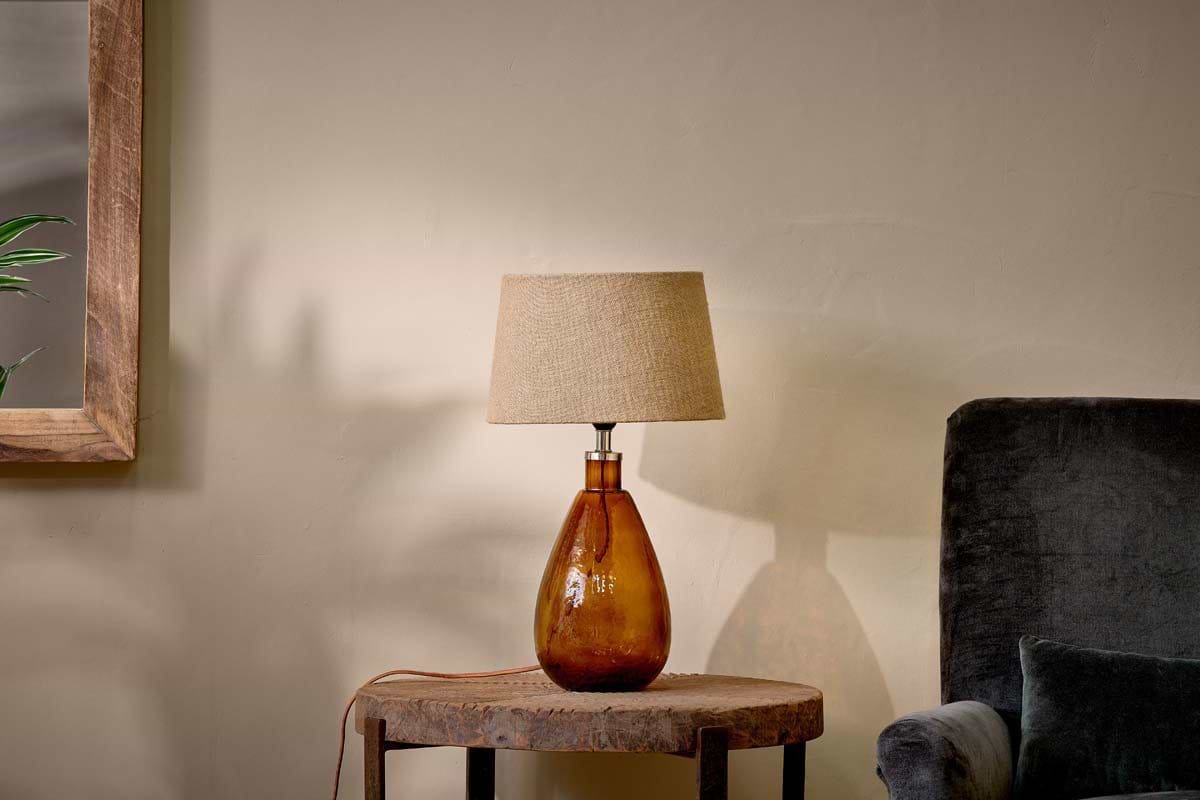
Baba Recycled Glass Lamp – Burnt Amber
adds quiet structure and warmth while keeping the room balanced.
What I’ve come to know about ambient lamp ideas for soft lighting layers
I have learned that small changes in lighting can lead to big differences. I often adjust my lamps and see the room breathe differently, becoming more welcoming and efficient. Experiencing these shifts over time has made me value soft and simple adjustments in interiors.
The choices I make in lamp styles reflect my personal preference for calm, warm home lighting. There is a quiet pleasure in discovering how one gentle source of light can pull the eye and highlight a well-loved book or a cherished piece of art. The process feels both personal and thoughtful.
— Mara
Common questions
How can soft lighting help a small bedroom feel larger?
The use of a single lamp on a bedside table makes a definite difference. The effect is clear: a controlled glow softens the space without overcomplicating it.
Can I use one lamp to tie a room together?
One simple table lamp can tie the room together along with other light sources.
What happens if I choose a lamp that’s too bright?
If you select a lamp that is too bright then the soft mood will be lost, a point where careful calibration is necessary.
Explore more calm combinations inside our Shop The Look.
Shop the Look
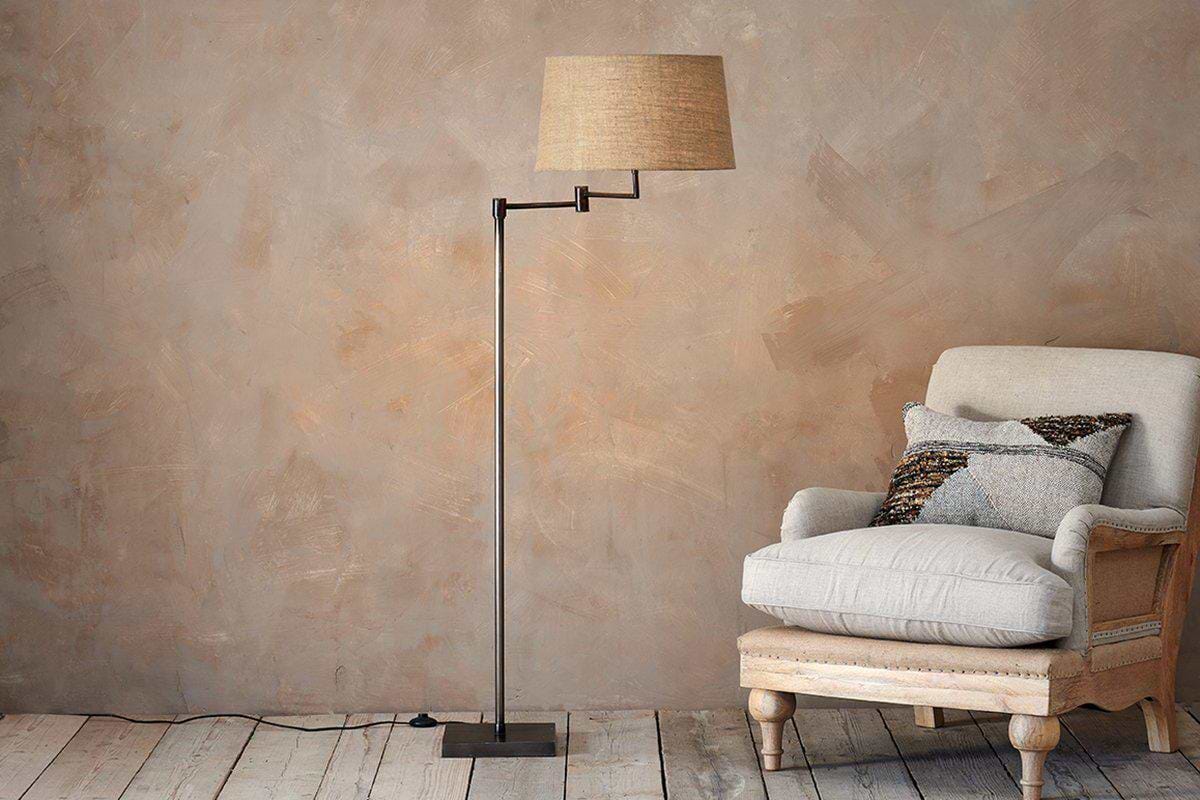
A floor lamp and a soft-glowing table lamp that layer without overwhelming a small room.
Some links above are affiliate links. If you buy through them we may earn a small commission at no extra cost to you. We only suggest pieces we think fit a calm, lived-in home.
Free guide
The Calm Shelf
12 styling ideas to help you compose calm, balanced shelves in natural texture homes.