

Small rooms can feel warm and open with the right design. A calm interior design approach focuses on light, simple choices that let a space breathe.
Every element matters in a room that seems cramped. Simple materials and clear lines help transform tight spaces into calm homes.
The short version: Choose soft colours and natural elements. A few careful pieces can expand your room’s feel.

Foundations of Calm Spaces
Wooden floors and soft linen drapes set a simple stage. Natural materials ease the mind and clear clutter.
In a compact living area, a jute basket resting near the doorway and a modest wooden table create a sense of order. A small shelf fitted with a couple of well-chosen books adds warmth. Because surfaces are kept clear, the room feels much more open.
The clear vessel of a white side table and a plain rug can define a room without forcing it to look busy. Objects like a clay bowl on an open shelf pull the eye gently without overwhelming the view, but casual contrasts in texture help the scene feel lived in.
A minimal room styling approach helps reduce distractions. In a space where every item is chosen for its function, the small details matter. When the room remains unburdened by excessive decor, each item supports a calm home environment.
Colour and Light
Soft white walls and gentle light sources form a soothing palette. Balanced colours invite natural daylight and reduce visual stress.
In a modest room with a generous window, the interplay of natural light with a subtle cream shade on the walls creates a peaceful atmosphere. A sheer curtain lets in diffused light while soft reflections in a mirror help sense of spaciousness grows. This choice helps the room feel more balanced because light can flow freely across every surface.
The way the room interacts with light also changes its view. An item like a gentle lamp from ambient lamp ideas sources simplicity and warmth. The use of light and shadow gently defines corners without burdening the overall look.
Light colours on the walls and floors work as an antidote to the weight of dark furniture. A white-painted side table invites brilliance while an occasional darker accent provides contrast, yet the overall harmony remains undisturbed.
Focal Features
A single striking piece anchors the room. One well-set element guides the eye and brings balance.
A clay bowl placed on a plain wooden console can serve as a focal point. It sits lightly on a table with a linen runner, drawing attention without competing with other design elements. The addition of minimal room styling shows that one strong feature can define a space. Because a bold element directs focus, the overall visual weight is managed carefully.
The decorative object works best when isolated amidst ample negative space interiors. Avoid piling too many accents around it, as each extra item draws the eye away from its quiet charm. An inviting shelf with a neat arrangement keeps the room distinct but not overwhelming.
A thoughtful piece can act as a quiet whisper amid other softer details. A delicate sculpture or a single framed print comes together with the rest of the design, but overdone features can make the space feel cluttered.
Where this works best
Rooms with natural light and limited square footage benefit from simplicity. Wood panels and plain fabrics suit snug bedrooms, studios, or box rooms.
A narrow bedroom, a modest studio apartment, or a box room can all show the benefits of calm interior design. For example, a small sleeping area with a linen duvet and a few simple nightstands feels larger when the decor is kept sparse. Because less clutter means fewer distractions, every room starts to feel more open.
The approach also applies to everyday spaces. A well-lit hallway with a small bench and a few framed images can become a retreat amid a busy day. Using tips from calm entryway ideas ensures that even tight spaces become welcoming and functional.
Avoid stuffing the room with too many decorative items or mismatched furniture. This restraint leads to a room with clear, open surfaces, yet the simplicity makes the space feel both airy and warm.

Styling and placement
Positioning furniture gently opens up a small room. Strategic placement lets each item stand proudly.
Placing a slim console table against an unobtrusive wall with a linen curtain pair creates balance in a tight space. A small space seating option, as seen in small space seating, can provide a thoughtful corner for rest and reflection. Each placement is chosen with care, and careful styling helps reveal the room’s potential.
The deliberate arrangement causes the eye to travel through a space in a calm, flowing way. When every element is given room to breathe, the overall design appears less crowded. However, a misaligned piece can add weight and disrupt the gentle rhythm of the room.
Using a balanced layout drives down feelings of clutter. The modest impression is built on a foundation of purposefully cleared surfaces and measured accents. A few well-placed objects can enhance functionality while keeping to the calm narrative.
Quick calm checklist:
- Keep surfaces clear.
- Place one statement item per zone.
- Use soft shades in decor.
Material Choices
Natural materials speak softly to the eye. Linen, clay, and wood add texture without overwhelming the space.
A simple ceramic bowl on a wooden sideboard captures the balance of this approach. The clean look of a clay object sits harmoniously beside a jute basket and linen curtains, adding texture without extra clutter. Because tangible materials create a sense of grounded calm, choosing them wisely upholds the room’s soft mood.
High-quality, natural surfaces can make the difference in a tight room. The warmth of wood and the gentle touch of linen support a well-ordered space, but synthetic elements may break the calm with harshness. A natural finish always brings a clear benefit to rooms that seek a relaxed feel.
The choice of materials matters when detailing a room’s character. A nod to small entryway ideas can provide insight into using nature’s palette to soften the angles. Because each natural material interacts differently with light, the result is a mix of textures that speak in a hushed tone.
Embracing Calm Interior Design
A clean-lined shelf and a singular jute basket can redefine your space. Every carefully chosen piece speaks to a broader calm philosophy.
A compact room with limited seating shows that a calm interior design approach can highlight a few strong objects. A slim shelf holding a small collection of books and a well-placed jute basket offers both beauty and function. When design choices work together, a room gains a sense of cohesion that is both gentle and inviting.
Soft light falls across a corner outfitted with a crisp white chair and a gentle throw. If you choose one accent to guide the space then the room feels carefully arranged. The strategic use of negative space interiors helps prevent visual overload, but each selected object carries its own quiet voice.
The use of clear lines, modest colours, and a calm interior design ideology makes a small room feel expansive rather than confined. A gentle room with a consistent theme invites calm in everyday life and keeps distractions at bay, but splintered accents might disrupt the flow. This simple shift in approach assures that the space reflects comfort and purpose.
The practical shift is to choose one focal feature, reduce the colour palette, and root the room around a single anchor piece.
At times, a room can feel off when the items do not seem to belong. There comes a decision moment when adding one too many knick-knacks causes the vibe to fall apart.
A common everyday mistake is to clutter surfaces with small objects. This habit can overload your space and mask its natural charm.
A carefully placed arrangement cuts through clutter and invites calm.
Save this idea for later.
Dhanuk Ceramic Dinnerware Set
adds quiet structure and warmth while keeping the room balanced.
What I’ve come to know about calm interior design
I have learned that a calm interior design is not about empty spaces, but about keeping only what matters. My own small room once felt shrunk until I embraced simple, meaningful details—a slim wooden bench, a light linen curtain, and a few cherished books have turned it into a place I truly enjoy.
I value the way each object finds its perfect spot. Details such as a mixed texture jute basket or a neatly placed clay bowl remind me to value the beauty of simplicity every day. — Mara
Common questions
How do natural materials help a small room feel larger?
Natural materials ease the mind and clear clutter. In a compact living area, a jute basket resting near the doorway and a modest wooden table create a sense of order.
What role does light play in calm interior design?
In a modest room with a generous window, the interplay of natural light with a subtle cream shade on the walls creates a peaceful atmosphere. A sheer curtain lets in diffused light while soft reflections in a mirror help sense of spaciousness grows.
How should I arrange a focal point in a small room?
A clay bowl placed on a plain wooden console can serve as a focal point. It sits lightly on a table with a linen runner, drawing attention without competing with other design elements.
Explore more calm combinations inside our Shop The Look.
Shop the Look
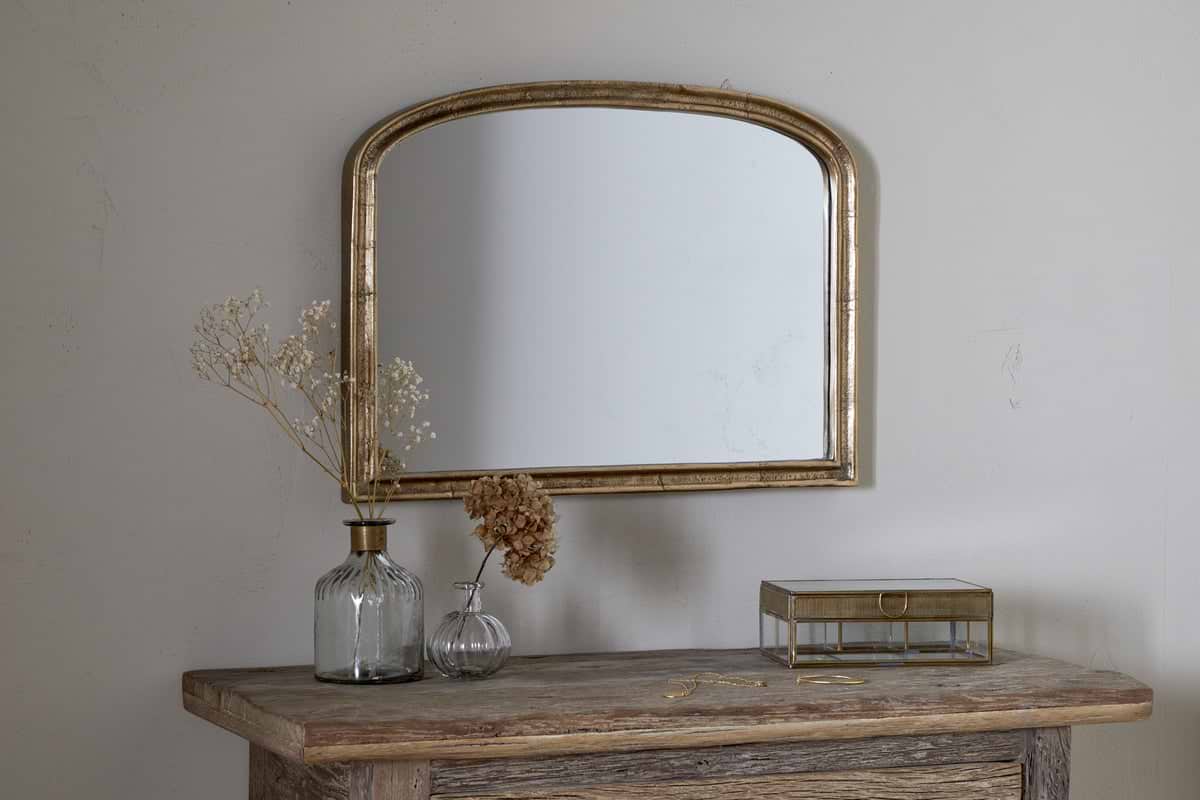
A small mirror and a modest side table that add presence without filling the calm.
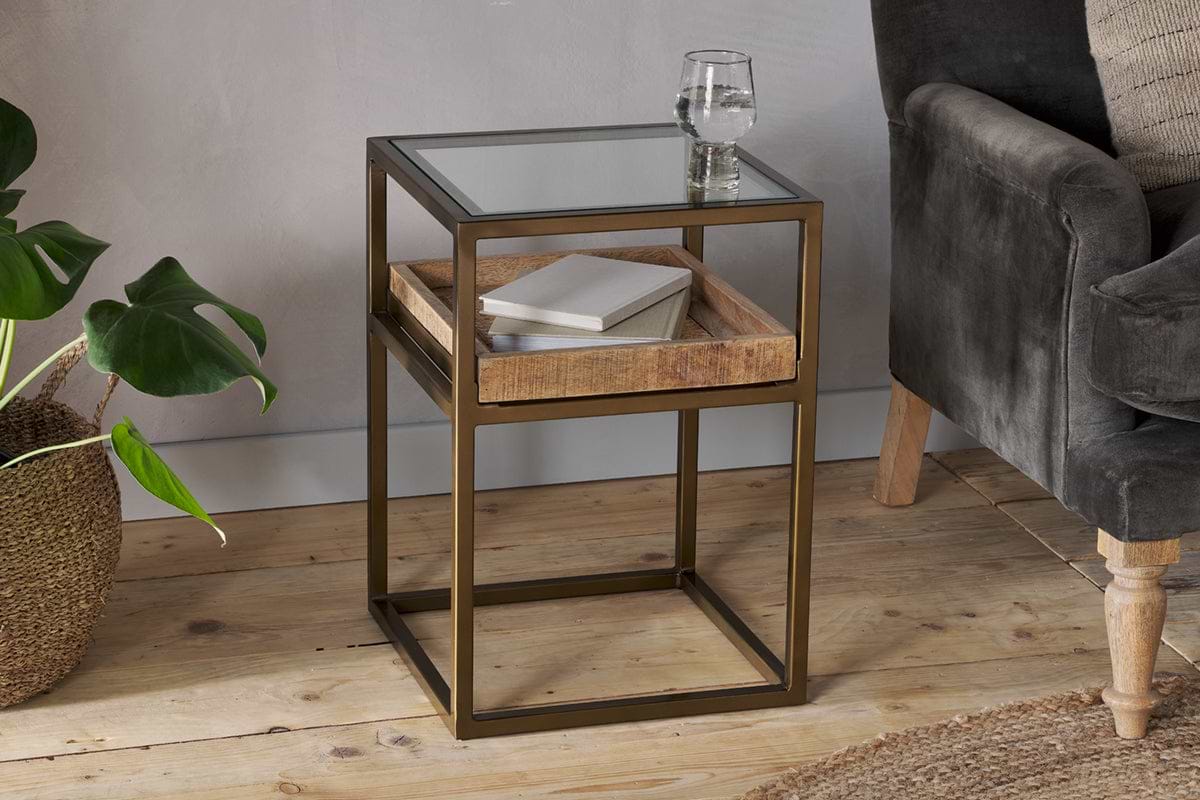
Luzon Side Table
Iron and mango wood with display shelf — small footprint, double function.
View at Nkuku →Some links above are affiliate links. If you buy through them we may earn a small commission at no extra cost to you. We only suggest pieces we think fit a calm, lived-in home.
Free guide
The Calm Shelf
12 styling ideas to help you compose calm, balanced shelves in natural texture homes.