

Many homes hold a problem that lingers for years: clutter gathers where the eye should rest. Even a vintage wall shelf, found on a whim at a market or spotted in a photo, can make a space feel busier instead of better. In small rooms or rented apartments, one shelf can tip the balance toward mess.
This guide strips away guesswork. You’ll learn how to tell a real vintage wall shelf from a reproduction, pick a shelf that suits your space, and style it so every item belongs. This works especially well in small apartments when storage is tight because it uses vertical space without crowding the room.
The short version: The most useful step is to choose a vintage wall shelf that fits your wall, matches your room style, and is sturdy enough for daily use. Even one well-chosen shelf can clear counters, add character, and set a calming mood, when it’s made from the right materials and placed with care.
Key takeaways
- A true vintage wall shelf often shows age in its joints and hardware, not just in surface marks.
- Wood types like oak, cherry, and mahogany are hallmarks of classic vintage shelves, according to Worboys Antiques.
- Online marketplaces like Vinterior and eBay make it possible to filter by style, size, and return policy.
- Most rooms feel calmer with about two-thirds of each shelf left open or lightly styled.
- Choosing a shelf with a matte finish prevents glare and blends better with soft-furnished rooms.

What defines a vintage wall shelf?
A vintage wall shelf is one made before about 1980 using traditional joinery, honest materials, and period hardware that ages well over decades. Original shelves often show their era in shape and finish, from Arts & Crafts oak to bobbin-turned Victorian pine.
Some shelves stand out the moment you see them: an oak wall shelf from the Arts & Crafts period, a cherry bobbin with rounded uprights, or a narrow faux bamboo piece from late Victorian years. These shapes carry history and signal what’s real. The marks left by hand tools and aged screws tell more than fresh paint ever could.
Unlike slim floating shelves from modern box stores, a vintage wall shelf is often heavier and features wood grain you can feel. Hinges, hooks, and brackets may have a darker patina or old lacquer, while the shelf edges often round off with touch and cleaning over time.
Real vintage means more than “used.” It means the wood, fasteners, and finish belong to an earlier era. When you spot dovetail joints, hand-planed panels, or a style listed on vintage wall shelves groups like bobbin or faux bamboo, you’re seeing the clues of authentic age.
Bringing one of these into a hallway steadies the space and draws focus gently, letting small collections or a single plant feel purposeful rather than lost among clutter.
Where this works best
A vintage wall shelf suits small entryways, low-light corners, and any area where floor space runs short and visual warmth matters. The best spots use empty wall stretches to add purpose without bulk.
Rooms with limited storage or tight layouts, like a galley kitchen with few cabinets or a narrow hallway, benefit most. A single shelf above shoe racks or near a coat hook catches keys and mail while showing off an old jar or basket. In a bathroom with little counter space, a floating wooden shelf adds a place for rolled towels and a bar of soap.
Unlike bookcases that eat up square footage, wall-hung shelves work almost anywhere you find a bare spot between doors or under a window. They free up surfaces and guide everyday items to a specific landing place instead of adding to the daily mess.
Avoid placing vintage shelves above a radiator or under direct sunlight, where heat or light can dry wood and fade finish. For best wear, wall-hung pieces fit best on an inside wall where temperature and humidity change slowly.
Hang one in a spot that always seems cluttered, like beside the back door, to give shoes, bags, or gardening gloves a home.
How can you spot real age and construction details?
True vintage shelves usually have wood pegs, hand-cut joinery, or solid back panels, while newer pieces often use staples or plywood. Original hardware carries worn edges and a darker patina from decades of use.
Inspect the sides and corners first. Dovetails, tongue-and-groove edges, and thick oak or cherry often point to older craftsmanship. Shiny screws, staple holes, or fraying veneer tend to reveal newer reproductions. According to Worboys Antiques, Arts & Crafts examples often use oak and feature openwork brackets or scalloped edges.
Unlike mass-market floating shelves, a Victorian or Regency wall shelf feels firmer, mahogany or rosewood shelves resist warping and sit flush against the wall. Welded or riveted brass hangers are typical on mid-century and earlier pieces but rarely found on modern models.
Even if the finish is chipped, a solid wood shelf will often carry tool marks, tiny old holes, or colour shifts at stress points. These marks do not match the regular patterns or artificial distressing on factory-made “vintage style” shelves. Picking a shelf with this kind of detail adds quiet age and makes daily pieces, like a clay cup or linen potted lavender, feel grounded.
When placing a vintage shelf in your home, check its back for level mount points and avoid using only the original short nails. Secure with newer anchors if you’re hanging on drywall, but keep the visible hardware consistent with the original look.
Where to source vintage wall shelves
Most vintage wall shelves turn up at local thrift stores, specialist shops, and trusted online marketplaces like Vinterior, Etsy, or eBay. Each source offers different chances to check the age and finish up close.
Specialist antique dealers, often found online as well as in towns, tend to stock the widest range, from small Arts & Crafts oak shelves to late 19th century faux bamboo or bobbin styles. Many list ages and materials, and you can see typical sizes on their websites. For example, one late 19th century shelf might be as tall as a small chair and wider than a dinner tray, while a classic bobbin fits snugly above a side table.
If you want a cherry or rosewood shelf in a specific style, vintage wall shelves from French or English origins appear regularly on curated sites. Many include styles like French antique chunky bobbin and faux bamboo, letting you browse by look, size, or era. Online outlets like Vinterior offer practical safeguards for distance buying, such as a typical 14-day return window and free cancellations.
Compared to local thrifting, buying from eBay or Etsy lets you filter by width or even by material. On eBay, for instance, you can set parameters for width categories, which is especially helpful if you’re working with a narrow alcove or over a small sideboard.
Even if sourcing in person feels easier, don’t overlook online choices for rare sizes, confirmed construction details, and buyer protections that most garage sales don’t offer. Try blending both approaches, one wall in a living room may come together with a rare online find matched next to a local market scoop.

How should you choose a shelf that fits your space?
A vintage wall shelf should fit the open wall without crowding nearby furniture and match the wood tones of your other surfaces. Choosing a finish that matches other room pieces helps a shelf blend in and look calmer.
Walk the wall where you plan to hang your shelf, then check not just the length but also the visual weight. A deep mahogany shelf in a small entryway will look bulky next to a slender mirror, while a light oak shelf tucks in above a radiator or between door frames. A shelf works best when it leaves about two-thirds of its length lightly filled.
Compared to new shelves, vintage ones can be bigger and more detailed, so measure room for brackets and objects, don’t crowd a display of mugs or vases. Look for depth and check the wall for hidden pipes before drilling. Following stud-finding tips avoids future headaches and helps a heavier shelf hold weight securely.
Matching shelf style to the mood of your room can also help. A bobbin or faux bamboo shelf works in crisp, simple rooms, while ornate Regency or Victorian styles look best where moldings, velvet, or old tile already appear. Avoid mixing many shelf shapes on a single wall, the room starts to look fussy and loses its calm focus.
Place your chosen shelf in an overlooked nook, between windows behind the sofa or above a reading chair, and keep surrounding surfaces spare to let the shape and old wood speak quietly instead of competing with clutter.
Styling and placement
A vintage wall shelf looks calmest styled with one textured object, one plant or vessel, and open space to the sides. Placement is best just above eye level, away from heat or splash zones.
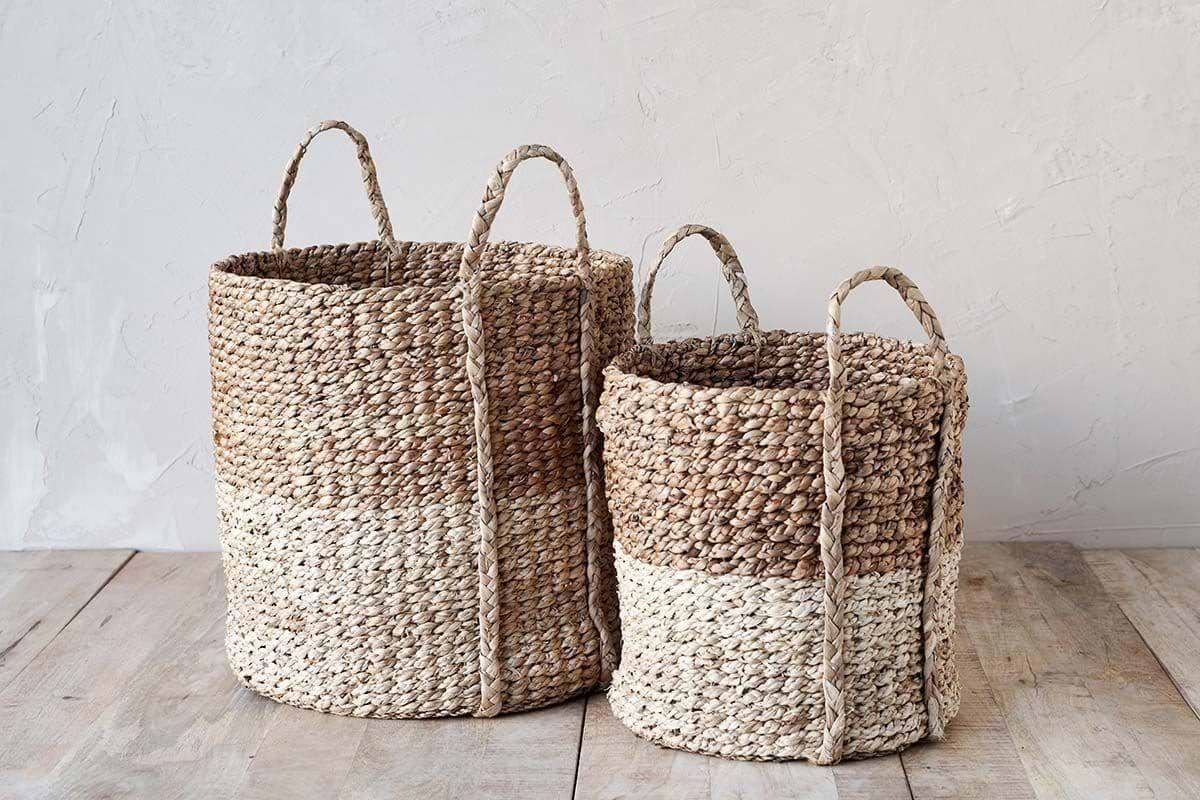
Use restraint with what goes on a shelf: a stoneware bowl, a favorite small book, or a single woven item like a rattan basket anchors the scene. Too many things make the shelf feel heavy and the room smaller. Pick pieces with some contrast, light against dark, rough against smooth, to give the eye one spot to rest.
The calmest rooms repeat one main tone or texture, if your shelf is aged oak, use neutral or natural-colored pottery and bottles. In bathrooms, one tall glass and two rolled towels fill just the right space and stay neat. Unlike wall rails that break the line of sight, a shelf with a continued grain keeps backgrounds smooth.
Neutral shelf styling uses a tight palette, creams, stones, pale woods, or soot-dark glass. Reserve brighter color for smaller accents. Compared to dense clusters, leaving open space side-to-side shifts focus to shape and texture, not the mass of objects. Most people who feel their shelves “don’t look right” have too much variety in spacing or color.
Quick calm checklist:
- Stick to natural woods, stoneware, or rattan for main shelf materials and accent pieces.
- Leave one end of the shelf almost empty or just with a glass, branch, or small basket.
- Limit color to two dominant tones, usually wood plus white, clay, or plant green.
- Hang the shelf so the top lines up with the lowest edge of a nearby frame or mirror.
- Let light fall across the shelf but avoid mounting it where it gets afternoon glare.
One simple arrangement, a linen-covered box, a ceramic mug, and nothing else, keeps a wall shelf restful in daily life, especially near the bed or kitchen sink.
What makes a display feel calm, not cluttered?
A display on a vintage wall shelf feels calm when it uses limited objects, repeats finishes, and keeps most of the surface open. Mixing too many types or colors quickly makes the shelf look busy.
Everyday rooms work best with the “rule of three.” One heavy, one medium, and one small piece, like a stone vase, a book, and a wooden tray, balance the eye. Too many small things read as messy, while one large object per shelf edge feels sparse but anchored. Compared to open cubbies, shallow shelves flat against the wall don’t collect as much dust or clutter.
Mismatched placement, crowding collectibles, varying shapes too much, crowding every square inch, upsets the calm. Instead, line up items either centered or with a single object off to one side. A shelf styled with intention draws the eye to one highlight, such as a dried branch or rough-textured bowl.
In kitchens, limit shelf contents to fewer jars than you think you need. Let color come from herbs or tea tins once per shelf. A matte-finished shelf deflects glare and lets afternoon light show the grain. A shelf works best when it holds just the essentials and puts all else away.
Try a display of two sturdy objects, like a clay bowl and a linen-wrapped bundle, at opposite ends of a bedroom or living room shelf, leaving the space between open to breathe.
There’s a moment, often just after hanging a shelf, when the room still doesn’t feel quite right. The eye dances across too many finishes, or the shelf sits too close to an outlet or doorframe. Flipping accessories or shifting the shelf even a few centimeters can clear visual confusion, but most homes never take this extra step, settling for “almost fits.” Today, with more of us relying on a single wall for both storage and display, it matters even more.
The key is to limit every wall to one main focal shelf and repeat the same material nearby, which subtly unifies the look and makes the room feel more settled.
Once the right piece is set at the right height and holds only what’s really needed, the whole area feels clearer, less like storage, more like a finished part of daily life.
Save this idea for later.
What tends to hold up with styling small shelves
Among all the advice about shelf styling, one pattern comes up again and again: matte woods or woven baskets sit more quietly on the eye than glossy finishes or bright metals. Reviewers also report that lining up objects by edge or repeating a single neutral color stops the shelf from looking too dense. In room after room, decorators stress anchoring the shelf visually, either with a single bold item or a strong line matching a nearby frame or window ledge. These rules come from how natural materials age and interact with changing light, not from trends or professional staging.
, Mara, Loom & Glow
Common questions
What defines a vintage wall shelf?
A vintage wall shelf is one made before about 1980 using traditional joinery, honest materials, and period hardware that ages well over decades. Original shelves often show their era in shape and finish, from Arts & Crafts oak to bobbin-turned Victorian pine.
How can you spot real age and construction details?
True vintage shelves usually have wood pegs, hand-cut joinery, or solid back panels, while newer pieces often use staples or plywood. Original hardware carries worn edges and a darker patina from decades of use. Inspect the sides and corners first.
How should you choose a shelf that fits your space?
A vintage wall shelf should fit the open wall without crowding nearby furniture and match the wood tones of your other surfaces. Choosing a finish that matches other room pieces helps a shelf blend in and look calmer. Walk the wall where you plan to hang your shelf, then check not just the length but also the visual weight.
What makes a display feel calm, not cluttered?
A display on a vintage wall shelf feels calm when it uses limited objects, repeats finishes, and keeps most of the surface open. Mixing too many types or colors quickly makes the shelf look busy. Everyday rooms work best with the “rule of three.” One heavy, one medium, and one small piece-like a stone vase, a book, and a wooden tray-balance the eye.
Explore more calm combinations inside our Shop The Look .
Shop the Look
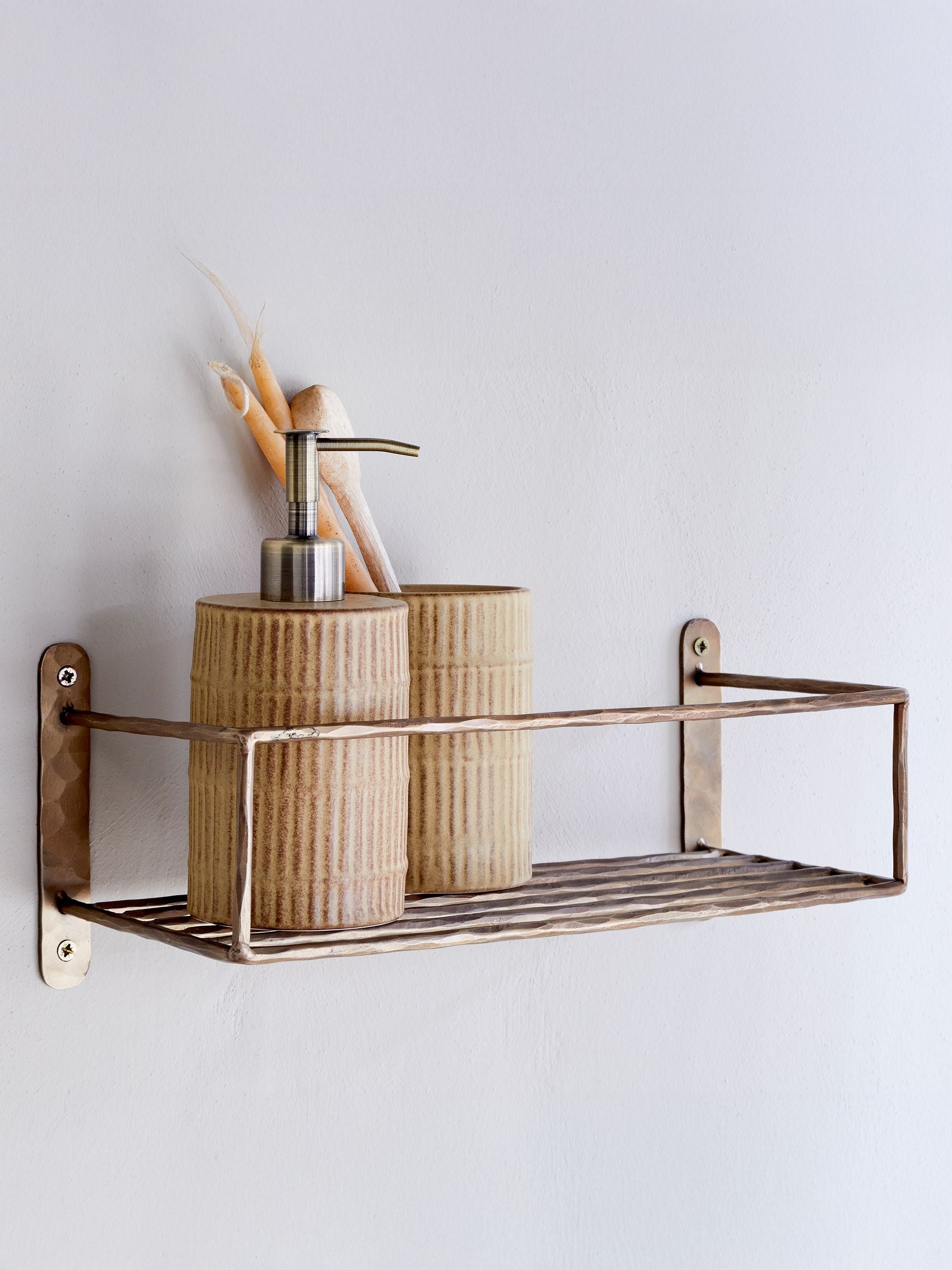
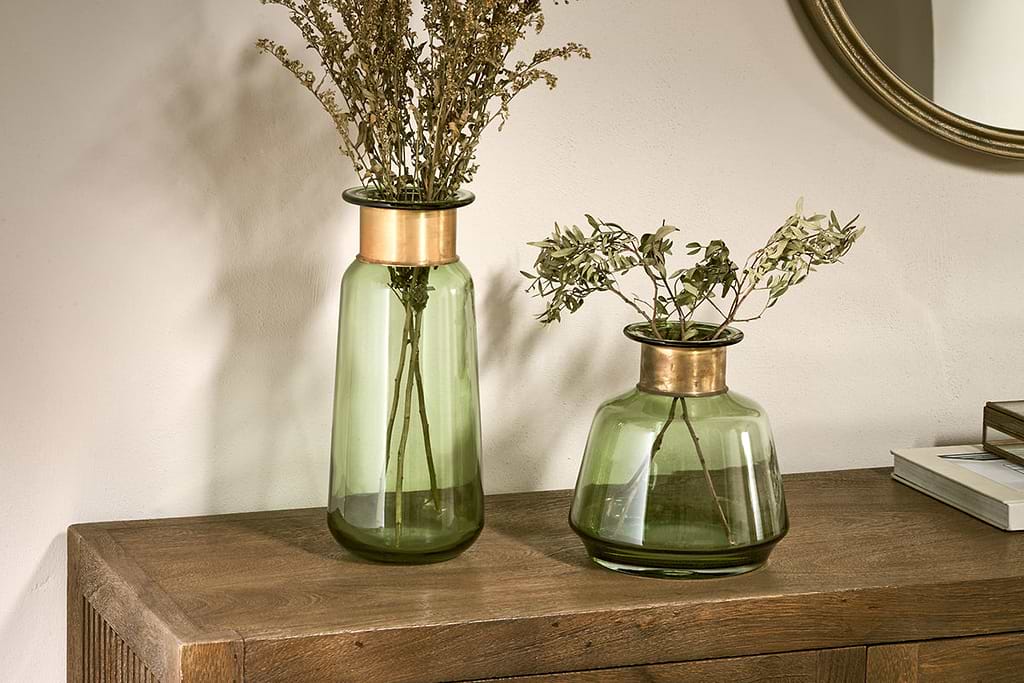
A few Nkuku pieces that pair naturally with vintage wall shelving.
Some links above are affiliate links. If you buy through them we may earn a small commission at no extra cost to you. We only suggest pieces we think fit a calm, lived-in home.
Free guide
The Calm Shelf
12 styling ideas to help you compose calm, balanced shelves in natural texture homes.