

It’s a plain hallway or a snug bedroom: you have floating shelves and framed art ready, but the wall looks uncertain. When you research how to hang shelves, most guides talk about wall studs as if every home shares the same structure. In the UK, walls can be brick, plasterboard, or timber stud, and finding the right spot to drill is much less obvious.
This guide strips away what doesn’t fit UK homes. You will read the wall with your own hands, learn to check safely, and know how to choose the method, tool or no-tool, that suits your flat or house. This works especially well in smaller bedrooms when you want to hang a shelf above a radiator because the right fixing protects your wall from future repair headaches.
The short version: To hang shelves safely in UK homes, always anchor heavy loads into wall studs or brick, not just plasterboard, by using the right method for your wall type. Learning to spot the difference between timber, metal stud, and masonry makes your shelves stay up and avoids patching up holes later.
Key takeaways
- A wall stud is a vertical timber or metal support found in many UK interior walls.
- Studs in UK homes do not follow standard North American spacing; always check the layout before drilling.
- Using a stud finder or low-tech tap-and-listen methods both work to find secure fixing points.
- Solid brick walls need a different fixing approach than plasterboard or stud walls.
- CLS timber is commonly used in UK stud walls and is smoother and easier to drill than rough-sawn wood.

What is a stud wall and why does it matter before you drill?
A stud wall is an internal wall built with vertical supports, either timber or metal, that shape the room and carry fixtures like shelves or cabinets. Drilling into a stud means your fixings can take more weight than when attached only to plasterboard.
The classic UK stud wall uses vertical timbers, often called studs, hidden behind a thin sheet of plasterboard. These upright supports can be made of timber, usually CLS timber for soft rounded edges, or lighter metal for commercial work. Timber studs are seen in most rental flats, new builds, and upstairs bedrooms where you want the wall to be strong but not bulky.
If you mount a heavy shelf straight into plasterboard between studs, the shelf may pull out with the contents. But when you anchor the screw or bracket into the stud itself, the weight runs through the timber “bones” of the wall all the way to the floor. Fast Build Supplies’ guide says there are several ways to check for these hidden supports.
Unlike brick walls, stud walls feel softer and more hollow when you tap gently. A hollow sound can mean empty plasterboard, not a safe fixing point. Finding and marking the stud means fewer regrets and more confidence when you hang a shelf.
A stud wall lets you fix floating shelves securely in a living room without fear of heavy objects falling, which matters most where the family gathers.
How can you tell what kind of wall you have?
The wall in your home is likely either solid masonry (like brick), hollow with timber or metal studs (a stud wall), or occasionally concrete. Knowing which one it is stops you drilling blindly and keeps your repairs minimal.
The first step before hanging shelves is to work out if your wall is brick, stud, or something else. Sometimes an outside wall or chimney breast is solid, making it fine for heavier fixings with the right plugs. Most inner bedroom walls, especially in newer UK homes or flats, use a stud system with a light “knock” sound between uprights and a dull “thud” on the studs themselves.
You can test by listening to the sound as you tap across the surface, gently pushing a pin or small nail in a hidden spot to see if you hit resistance, or by checking electrical sockets. Switches and sockets are often fastened to studs; measuring out from one can give you a clue where another support lies. Compared to US homes, UK walls rarely follow set distances between studs: the spacing may change depending on who built it and the materials at hand, as Materials Market points out in their stud wall overview.
Avoid drilling directly above or below sockets or light switches, since cables run in straight lines vertically or horizontally from these points. Skipping this check can lead to expensive electrical repair and patching.
Check a hallway dividing wall with a light knock and a tape measure: if you notice a repeated pattern of “firm, soft, soft, firm,” you probably have a stud wall, helpful for shelf placement in entryways.
Where this works best
Stud finding is most important in busy rooms or anywhere you expect to place weight on the wall, like kitchens, lounges, or bathrooms. It matters less for very light frames or paper art.
A bathroom with towel hooks, a kitchen needing an extra spice shelf, or a nursery with picture ledges all make best use of safe, confident fixing. Stud walls appear in these rooms most often because they keep build costs down and allow pipes, insulation, or wires to run behind the scenes. In rental homes, drilling a shelf into a stud lets you remove the shelf later with only a small hole to fill, not a sprawling repair project.
In a shared living room, floating shelves anchored into studs can easily hold books, a clay bowl, or three small potted plants. Compared to shelves hung straight into hollow plasterboard, shelves locked to a stud don’t wobble or sag.
Avoid mounting tension-heavy objects like coat racks or a full bookshelf on a plasterboard span between studs. The weight will press outwards every day, slowly tearing the board and risking a sudden drop. Use this approach for wall hooks only where you can confirm a stud behind.
In a child’s room with narrow walls between wardrobes, scanning for studs means less risk if the shelf is leaned on, not just used for display.
How do you find a wall stud without any tools?
The simplest way to find a stud in the wall is to tap lightly across the plasterboard and listen for the spot where the sound goes from hollow to dull. This sound change hints there is solid timber or metal behind.
Most UK renters don’t own a stud finder, so basic methods take center stage. A gentle tap across the wall with your knuckle will show a hollow echo between studs and a short, heavy thud on the stud itself. A second check: try pressing a pin or a dressmaker’s needle near the skirting. If it slides through with little effort, it’s likely hollow space. If it stops firm, you’ve hit a stud.
Another cue is to look for a line of nails or small bumps in the paint just above the skirting board; these often mark stud positions from where plasterboard was fixed in place. Unlike American guides that point to standard distances, UK homes may have irregular stud intervals, so always go by local clues instead of following apps or internet diagrams.
When shelves run across a section of wall with no visible cues, use this tap-and-mark method while listening closely to the difference. It’s easy to get distracted, so turn off music or fans and focus on the sound alone. Mark your findings lightly with painter’s tape before you drill.

Checking for timber with your hands and ears works especially well in rental kitchens when you are not allowed to make large holes, as patchwork repairs are minimal and temporary fixings cover up easily.
Styling and placement
Styling wall-mounted shelves feels easier when you anchor them at the right height and on a stud, which keeps both the shelf and your arrangement stable. Placement balances the look for small rooms and large.
The finish of the shelf, matte, painted, or wood, changes how light bounces around, and solid fixings keep objects level. A shelf anchored to a stud at eye level can carry weight, letting you use heavier ceramics, a woven basket for storage, or a stack of art books. Compared to floating shelves hung into just plasterboard, a stud-anchored shelf never dips in the middle, so vases and bowls don’t look tilted or precarious.
Quick calm checklist:
- Confirm the wall material before marking placement, test with a gentle knock and a pin.
- Stick to a core palette, especially for smaller rooms, to avoid busy shelves overwhelming the eye.
- Keep at least one-third of each shelf clear to prevent a heavy look.
- Use softer, tactile materials, a linen napkin, a clay bowl, rougher stone, for variety.
- Balance one larger object (like a vase) with two smaller items rather than rows of the same size.
A shelf looks calmer when repeated shapes and colors form a rhythm, not when every object tries to grab attention at once. Shelves over a workspace or desk benefit from clean lines, stable supports, and a single plant or print to soften the feel.
Instead of sprawling collections, try anchoring just a few key items, a basket, a lamp, on the stud-fixed shelf in an entryway where mail and keys gather every day.
What’s different about brick and cavity walls?
Solid brick or masonry walls demand different fixings, like wall plugs and heavy-duty screws, because their strength comes from the dense material, not hidden studs. They feel cold, heavy, and don’t flex under your tap.
Kitchens with an external gable or period flat lounge walls often have true brick under the painted surface. When you tap these, the sound does not change as you move along. For shelves on brick walls, you need a masonry drill bit and wall plugs that lock into the solid surface. Shelves feel more permanent on these surfaces, ideal for heavy art or kitchen storage but less flexible for moving or patching later.
Compared to stud walls, drilling into brick takes more force and makes more dust, so always check what’s behind with a cable and pipe detector before starting. A cavity wall, common in new builds, mixes both: two slim brick layers with a gap between. In these, heavy shelves need specialist fixings made for hollow walls, sometimes called cavity anchors or toggles.
Unlike DIY in North America, UK walls may use rare concrete block or thicker slabs around stairs and lifts. These feel solid yet aren’t as forgiving for drilling, so if your fixings spin loosely or won’t bite, you’ve likely hit a cavity or the wrong wall type.
For decorating bookshelves in a living room alcove, a brick wall supports more weight but needs tidier drill holes because patches stand out against brick’s rougher surface.
| Wall type | Fixing needed | Typical sound |
|---|---|---|
| Stud wall (timber/metal) | Wood screw into stud, or plasterboard fixing | Hollow, then solid thunk on stud |
| Brick/masonry | Masonry plug + screw | Consistent, solid tap |
| Cavity wall | Cavity anchor or toggle fixing | Variable, often hollow in places |
In a window bay or dining nook, using the right fixing for each wall material means your shelf can handle occasional bumps and changes in display.
How do you choose the right fixing and avoid costly mistakes?
Choosing the right fixing depends first on your wall type, then the load the shelf must bear, and finally on any local rental rules or patching needs. Failing to check often leads to sagging shelves, wall damage, or failed fixings.
For stud walls, a wood screw directly into the timber or metal is safest for floating shelves and picture ledges. Most stud walls in UK homes use CLS timber, which is smooth, has rounded edges, and is easier to drill than rough pine or recycled wood. For heavy bathroom fixtures or wall cabinets, screws should also drive through the bracket and into the stud, not just the board.
For brick or solid walls, use masonry drill bits and suitable wall plugs: most hardware shops stock fixings for medium to heavy loads, and Toolstation or Screwfix sell simple cable detectors that help spot wires and pipes before you drill. Hollow fixings, spring or wing types, are best for cavity and thin partition walls as they grip the wall from the inside. Unlike plain screws, these spread the load and reduce the risk of tearing the plasterboard under weight.
Rental homes often ban large holes, so favour methods that make only pin-size tests and stick to removable fixings for lighter shelves. In all cases, double-check for hidden pipes or wires before drilling: striking a pipe means more than a patch-up, it brings a repair bill.
For hanging a woven wall hanging above a radiator, use plasterboard anchors only for lightweight pieces, and always test first with a gentle pull. A floating shelf placed above a sofa benefits most from screws into timber studs so heavier framed art or books don’t put strain on the wall.
What tends to hold up with wall fixing and placement
Across dozens of shelf reviews and home walkthroughs, shelves fixed directly into wall studs are the most consistent for day-to-day life. Reviewers nearly always mention noticing a clear difference in sturdiness: shelves in the stud barely shift, even years later.
Matte finishes get recommended again and again for shelves near windows, because they don’t catch glare the way a glossy tray does. In busy spaces, a single repeated timber, like pale oak or pine, reads more put together than mixed types. Timber with a rounded edge, such as CLS timber, sits soft against plasterboard and feels gentle to the touch.
, Mara, Loom & Glow
Common questions
What are studs in a wall?
A stud is a vertical timber or metal support hidden behind plasterboard in most UK internal walls. Studs act as the main frame that shelves, fixings, and heavy wall items rely on for strength. They are not usually visible but form the “bones” of the wall structure.
Do walls in the UK have studs?
Most internal walls in UK homes use timber or metal studs behind plasterboard. Modern builds, rentals, and room partitions often use this system instead of solid brick for cost and weight reasons. Solid brick or block is more common along external and load-bearing walls.
How do I find the studs on my wall?
The most common way to find a stud is by tapping along the wall, you hear a dull sound over a stud and a hollow echo between. You can also use a stud finder or look for clues like slight bumps near the skirting, or sockets marking stud locations. Always check with a cable detector as well before drilling.
Can I use my phone as a stud finder?
Some apps claim to use your phone’s magnetometer to find studs by sensing screws or nails, but results are mixed and often unreliable. Relying only on these apps can lead to mistakes, especially with thick plaster, foil-backed boards, or hidden pipes. Old-fashioned methods or a real stud finder work better in most UK homes.
what are some unique wall hanging ideas?
For hanging shelves safely in UK homes, anchor heavy loads into wall studs or brick rather than plasterboard alone. UK stud walls commonly use CLS timber, and studs do not follow standard spacing, so always check the layout by tapping gently or using a stud finder before drilling to avoid damaging cables.
Explore more calm combinations inside our Shop The Look .
Shop the Look
A few Nkuku pieces that settle beautifully once your shelves are hung and level.
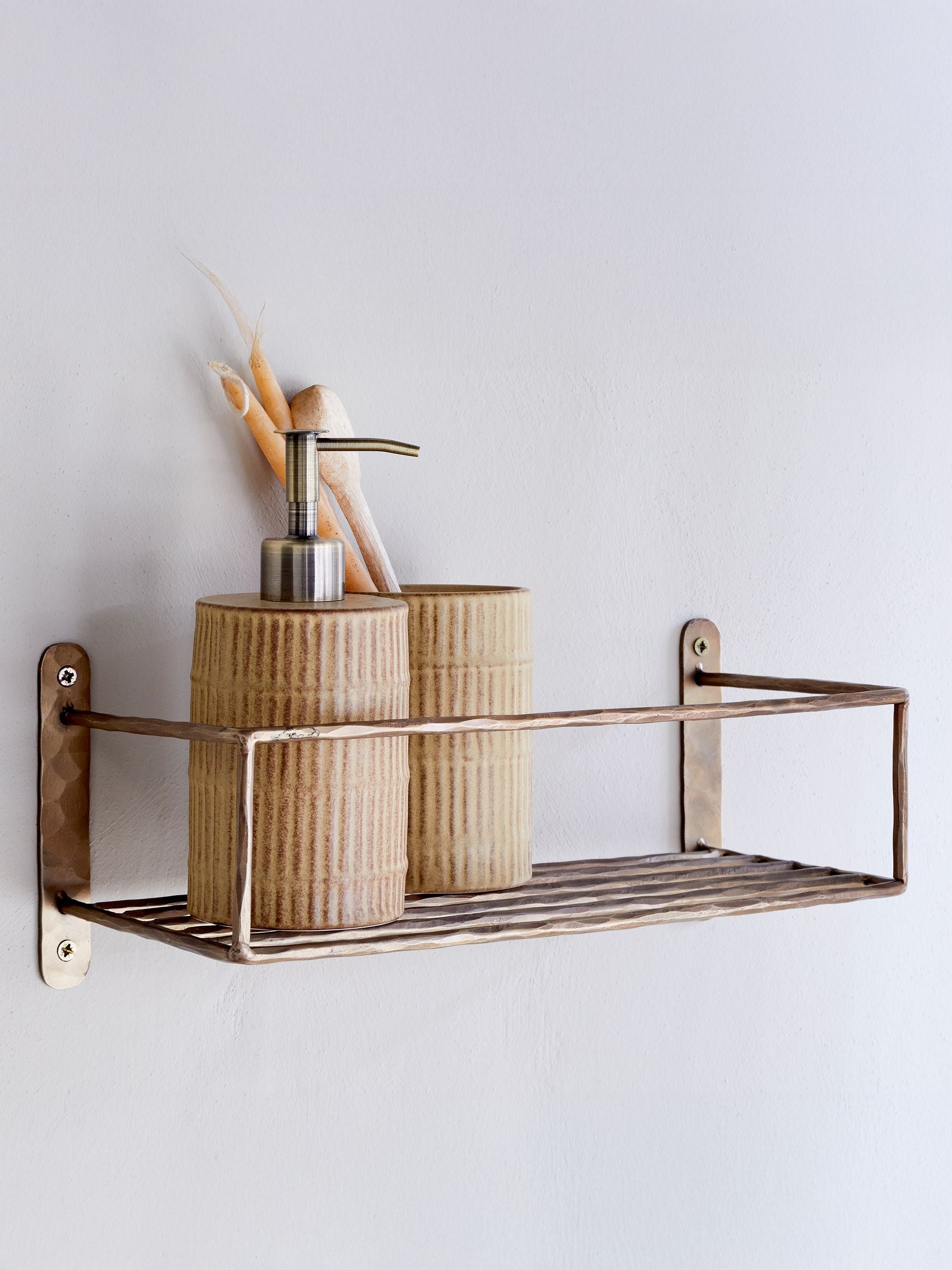
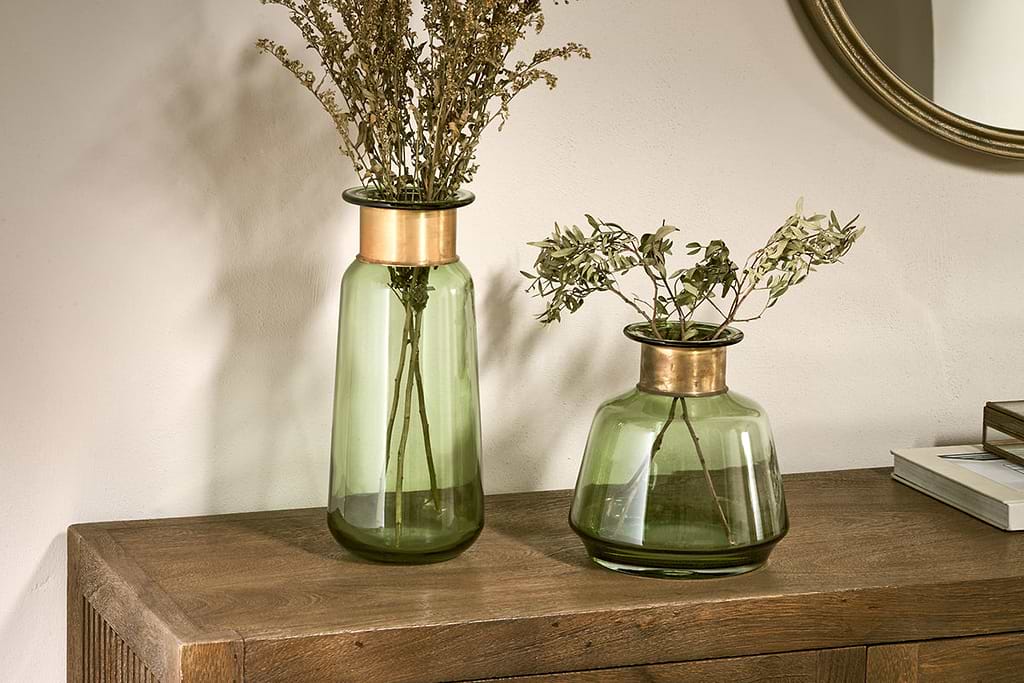
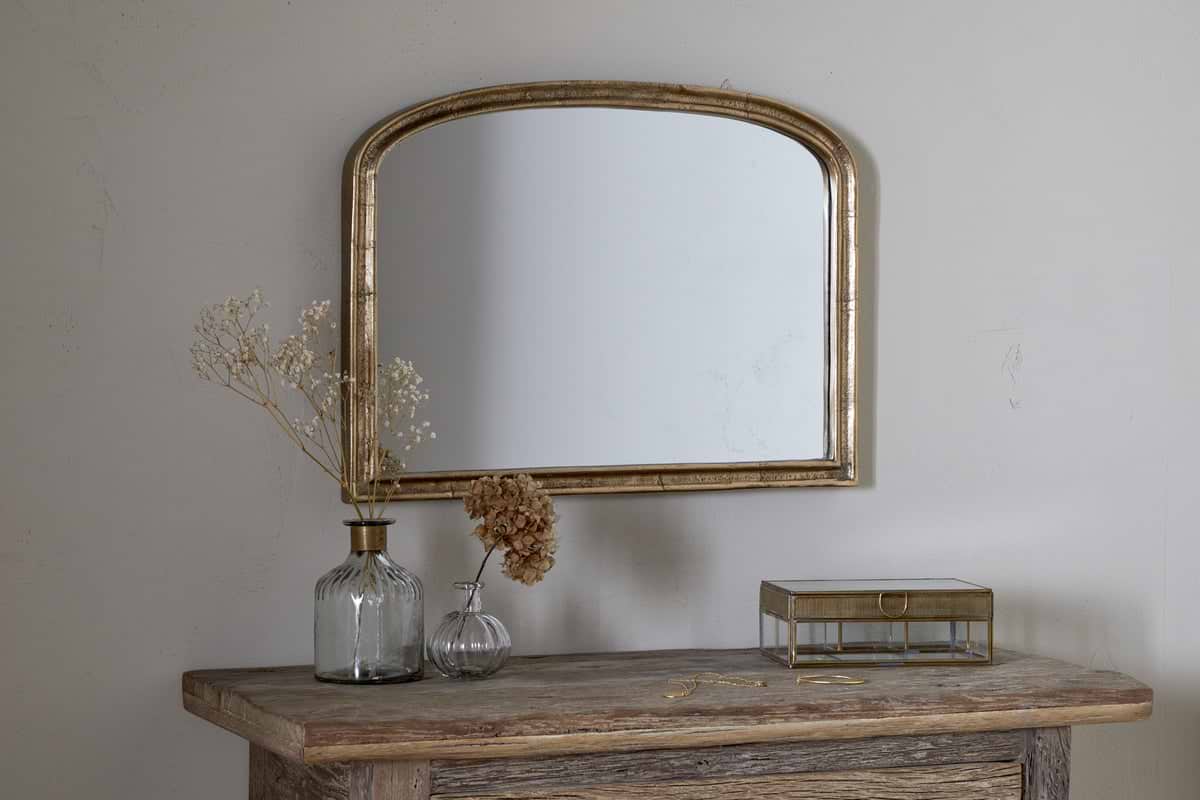
Some links above are affiliate links. If you buy through them we may earn a small commission at no extra cost to you. We only suggest pieces we think fit a calm, lived-in home.
Free guide
The Calm Shelf
12 styling ideas to help you compose calm, balanced shelves in natural texture homes.