

Many bedrooms in rented homes start with the same problem: too little space, white or beige walls, and piles of daily things that never quite find a place. Most bedroom ideas found online show huge rooms, but the reality is a cramped layout and rules about what you can hang or paint.
Today, you’ll see how to pare back, pick a calming palette, spot what adds clutter, and use everyday materials that won’t risk your deposit. This works especially well in a small, rented bedroom when you want a peaceful look but can’t change the bones, because simple tweaks bring focus and calm without damage.
The short version: The most effective bedroom ideas for a rented small room use a limited colour palette, mixed textures, and simple storage to calm visual clutter. Clear away extras, focus on a few soft layers, and use renter-friendly solutions so every part of the room feels intentional but relaxed.
Key takeaways
- A small, rented bedroom feels calmer with a neutral palette of two to three tones across all main surfaces.
- Layered natural textures, linen, jute, cotton, keep the space cozy without visual heaviness.
- Removable wall hooks and art ledges create changeable displays without leaving marks.
- Lofted beds, open bedside shelves, and slim wardrobes maximize usable space in tight rooms.
- Soft lighting, such as wall-mounted lamps or orb pendants, flattens harsh shadows and adds warmth.
- Why do small rented bedrooms feel busy so quickly?
- What neutral palette actually works in a small bedroom?
- How can you layer lighting without adding clutter?
- Where this works best
- Styling and placement
- How to choose bedding and throws that read as one calm surface
- What renter-friendly wall art works without damaging walls?

Why do small rented bedrooms feel busy so quickly?
A small rented bedroom often looks chaotic because every object stands out when space is tight and walls can’t be changed. Soft, pale textures and fewer items make the eye move more gently across the room.
In a boxy room with low light, keeping everything visible, open shelves, lots of cushions, shoes out, quickly looks untidy. Even a plain cream or white wall can highlight this, making objects jump forward rather than fading back. There’s nowhere for the eye to rest, and the boundaries feel squashed.
Unlike a large, owned bedroom where you can repaint or hang built-in shelves, a rental leaves you with fixed features and a need to work with what you have. Layers of extra items or bright patterns grab your attention instead of calming it. A table crowded with products or a book stack at the bedside can pull the space off balance.
Removing what you don’t use daily helps because it shifts the focus to a single surface or grouping. A bare spot near the bed or only one tray on a dresser slows things down and gives the room some space to breathe.
Using clear surfaces, soft lamps, and baskets to hold smaller things means visual noise lowers and your room looks pulled together, even if nothing can be fixed or painted.
What neutral palette actually works in a small bedroom?
In a small bedroom, a neutral palette with soft whites, taupe, or gentle warm greys feels less stark and helps walls recede. Pale woods and off-white bedding support calm and work with rental basics.
Most rentals come with pale walls, usually somewhere between paper white and builder beige. Choosing colours for bedding and throws that sit a shade deeper or warmer than the paint helps soften sharp edges. A pale linen duvet with a taupe throw blends more than a mix of crisp white and navy or bottle green. Layering shades in the same family keeps the eye moving horizontally, not bouncing between high-contrast points.
According to Farrow & Ball’s bedroom inspiration gallery, using colours such as Pavilion Blue or soft grey-green makes a small space feel larger and more restful. These are chosen for how they flatten shadows and don’t jar next to pale trim or rental floors.
Adding textures like a woven cotton rug or a lightly nubby curtain brings depth, stopping a neutral palette from feeling flat. Compared to bright or icy neutrals, which can look cold, earthy creams and cottons give warmth that doesn’t pull focus. Pops of black metal or deep brown wood anchor corners so the room doesn’t drift into blandness.
Choosing two main colours and repeating them on all big items, duvet, curtains, main rug, is the quickest way to make an awkward room feel unified instead of mismatched.
How can you layer lighting without adding clutter?
Layered lighting in a small bedroom is easiest with one overhead fixture, one low lamp, and a soft wall or clip-on light, rather than rows of spotlights or bare bulbs. Avoiding multiple strong sources keeps the space calm.
Many rentals rely on a single ceiling bulb, which throws harsh shadows and makes corners look darker. Layering helps, but if you add too many styles, string lights, floor lamps, big drum shades, the wires and shapes get confusing. Soft, paper orb pendants or low-slung rattan shades break up the ceiling without looking fussy. Wall-mounted lamps with cord covers mean no marks and no crowding outlets.
A bedside lamp with a linen shade diffuses the light right where you need it. Using something with a warm bulb close to the headboard adds the glow needed for reading without washing the whole room in yellow or blue tones. According to IKEA’s bedroom gallery, smaller orbital lamps or shaded sconces work well to soften stark walls and make a rented room feel lived in.
Avoid competing sources pulling your eyes everywhere. Instead, pair just two or three lights aimed at different heights, ceiling, mid-room, low shelf. Compared to a bare bulb or visible LED strip, a filtered light reads as gentler and less busy.
Well-placed light means you can control when and where the room feels bright, and it allows other items, photos, baskets, a vase, to stand out or fade back as needed. This reduces the need for extra objects just to fill shadows.
Where this works best
Neutral and layered styling is strongest in small bedrooms with fixed light and limited freedom to paint or drill. Rental rules actually encourage simpler choices that reduce clutter.
Rooms with windows on just one wall, tight walkways, or doors opening straight onto the bed are where this way of styling pays off. Landlord-white walls can’t be changed, so the focus shifts from decorating to gently shaping what’s in the room. Soft cotton bedding and slim open shelves avoid closing the space in further.
Avoid putting large, dark furniture up against every boundary of a narrow bedroom. For example, a boxy wardrobe in the wrong spot makes the room look chopped up and even smaller. Instead, a pale curtain in front of an open rail or a light wooden chair at the end of the bed keeps the flow open and feels softer.
In shared houses or temporary flats, this approach means you don’t have to own heavy or expensive things. Renting gives the chance to see how pale colours and gentle textures work without any lasting change. By repeating natural fibres, linen curtains, a hand-thrown clay bowl, a single jute basket, on surfaces near the bed, you get a relaxed look whether you stay for a year or just a season.

Styling and placement
Styling a small bedroom means grouping only a few items on each surface and keeping the floor mostly clear to spot what anchors the room. Place soft things nearest where you sit or sleep.
The top of a chest of drawers is best left mostly open, holding a lamp, a bowl for jewelry, and maybe a single photo. At the bedside, one book and a low plant in a clay pot bring softness. Placing extra items in fabric cubes under the bed means nothing piles up at eye level.
Compared to filling every shelf, leaving empty space between grouped things helps them stand out more. Mixing matte and smooth surfaces, like a cotton runner with a glass carafe, keeps the textures interesting but not busy. A bedroom design works best when the biggest item, bed, rug, or main shelf, holds a single accent colour or pattern, letting other things stay plain.
Instead of lots of photographs or trinkets, use one strong piece, a quilted throw, a chunky mug, as a daily focal point. This stops small clusters from feeling random. Angle the throw or pillow stack so it leads from the room entrance toward the headboard.
Quick calm checklist:
- Pick two textures and repeat across pillows, throws, or baskets, linen and jute work especially well.
- Leave the top third of dressers or shelves clear except for one grouped set (lamp, small bowl, plant).
- Keep floor coverings plain, choose a single soft rug over several small mats or runners.
- Use hanging hooks or ledges for wall art that can be swapped without new holes.
- Keep the most colourful, or patterned, item farthest from the door for a soft landing.
How to choose bedding and throws that read as one calm surface
Bedding and throws in quiet tones, close together in colour and texture, read as a single surface, making a small bedroom look both larger and neater. One soft contrast draws the eye gently.
Most rented rooms come with light walls, so a bedding set in off-white, oat, or muted clay blends in best. Adding a throw that is slightly deeper in tone, a honey linen or a wheat-coloured cotton, gives comfort without sharp breaks. Stack pillows in just two shades, and fold the throw near the foot of the bed, not across the middle.
Compared to mixing trendy patterns or high-contrast stripes, using bedding in close shades means everything feels quieter and the bed doesn’t steal attention. This focus is useful in a narrow bedroom where every surface shows. A neutral bedroom palette stays clean longer and is easier to update with a single new pillow or blanket each season.
If the headboard is dark or a bold shape, tuck the higher-contrast throw behind the main pillows. This anchors the sleeping spot without adding busy lines. Choosing natural fibres helps with comfort; linen and cotton crumple attractively and feel cool in summer or warm under layers in winter.
Bedding in subtle colours means dust, pet hair, or daily wrinkles show far less than on deep navy or black. The whole bed looks smooth, even if it isn’t made perfectly every morning.
What renter-friendly wall art works without damaging walls?
Removable adhesive hooks, art ledges, and lightweight frames let renters add personality without risking paint or leaving holes in the wall. Cloth banners and tapestries offer warmth with zero damage.
Rental bedrooms often ban drilling, which means framed art and shelves seem out of reach. Instead, stick-on hooks or rail systems support lightweight works, like pressed botanical prints, collages, or fabric hangings, that can be rotated out. Some renters use a tall, leaner mirror or rest art on a dresser, letting it overlap the wall without a single nail.
Compared to classic picture hooks, modern strong adhesives (rated for about 2 to 4 kg each) take down cleanly and can hold frames up to poster size. An open art shelf by the headboard gives display space for postcards or small paintings and becomes an easy focal spot.
Avoid using thick, heavy glass frames, if they slip or get knocked, they chip paint or dent plaster. Instead, try unframed linen banners or photo grids that attach with removable tabs. Renter-friendly art means you can swap pieces any time without extra cost and rotate the look by season or mood.
A wall left plain can sometimes look lonely or institutional. Just one piece, hung level with your eye from the pillow, pulls the whole setup together and makes the space look styled, not sparse.
The moment often comes when you walk in, bed made, and the room still feels off, maybe it’s the pile in the corner, the mismatched lamp, or too many bits gathering dust. This unsettled feeling is common, especially in a space you can’t fully arrange or decorate. At this point, most people add another feature or pattern, hoping to fill the gap, but the result often looks even busier.
Choosing one focal colour or texture, like cream linen or soft grey cotton, and grouping things together on just one or two surfaces instantly calms the room and makes it easier to keep tidy day after day.
When walls stay blank or every surface holds a different basket, most bedrooms end up looking messy or half finished. Small rented spaces are especially prone to this: it’s hard to find calm when there are too many things on show and nowhere for the eye to rest. Instead, almost empty shelves, clear floors, and only a few soft accents help a room look ‘done’ even with rental restrictions.
One clear benefit: the whole space feels bigger and you’ll spend less time cleaning off surfaces.
Save this idea for later.
What tends to hold up with small rented bedrooms styled this way
After seeing hundreds of rental bedrooms styled for calm, some themes stand out. Most reviewers and stylists agree that textures, linen, jute, soft cotton, make the most difference when the palette itself stays neutral. These materials last, show less lint, and soften over time, instead of getting ratty or looking outdated after a few months.
Decorators commonly point out that matte finishes on lampshades and accessories stop bright window light from bouncing harshly around the room, helping the overall space stay soft from morning to night. Storage that’s open, light, and easy to move, like basket drawers or short rails, gets used far more than tall, solid wardrobes. These choices are gentle to live with and easy to switch out, no damage, no heavy lifting needed later.
, Mara, Loom & Glow
Common questions
What is the latest trend for bedrooms?
The latest trend for bedrooms is using warm neutral colours, soft natural fabrics, and layered lighting for a relaxed look. Simple jute or linen textures, removable wall art, and flexible storage are now common. Spaces feel cozier and more personal when calm tones replace harsh contrasts and each item is chosen for daily comfort.
What are the 2026 bedroom trends?
The 2026 bedroom trends point to pared-back palettes, pale earth tones, and a move away from heavy furniture. Removable art displays, subtle patterns in bedding, and mixed materials like rattan and clay are gaining ground. Bedrooms are styled less for show and more for practical calm and rented adaptability.
How can I make a bedroom look nice?
The easiest way to make a bedroom look nice is to reduce visible clutter, stick to two or three color tones, and add soft different textures. Group objects in small sets and leave empty space in between, using woven baskets and plain bedding as main anchors. Gentle lighting finishes the effect, giving everything a calm glow.
What is the latest colour for a bedroom?
The latest colours for bedrooms are soft earth tones, like muted terracotta, clay, and pale sage, often paired with gentle whites. According to Farrow & Ball, shades like Pavilion Blue and gentle greens work especially well in both modern and rented spaces. These tones help make a small room look fresher and more restful.
Explore more calm combinations inside our Shop The Look .
Shop the Look
A few Nkuku pieces that bring quiet texture and light to a small, restful bedroom.
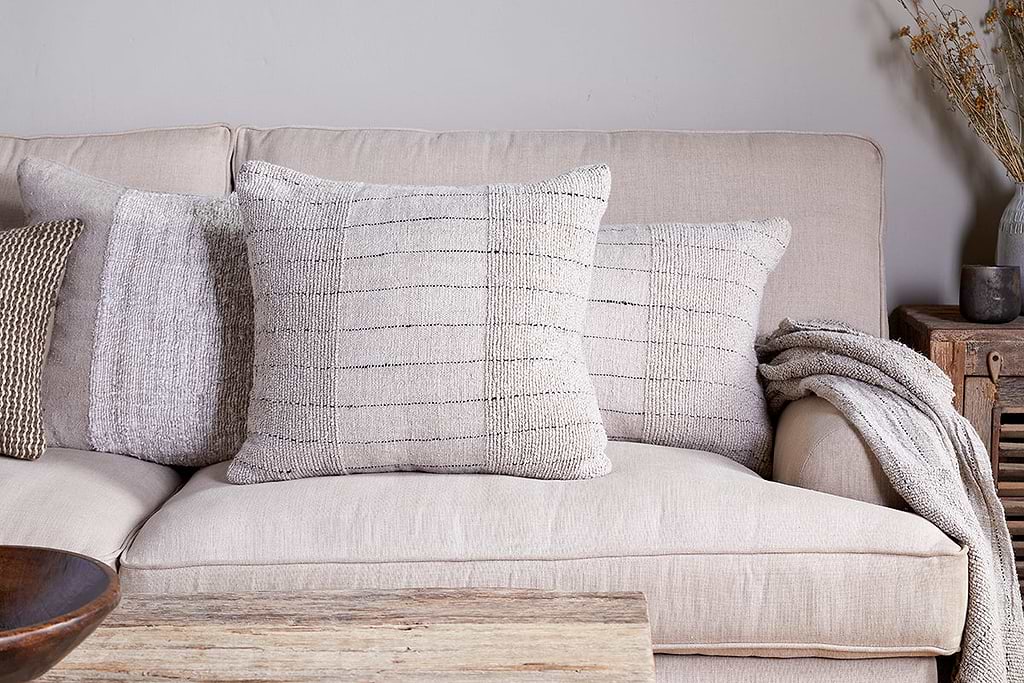
Mayla Cushion Cover
Soft hand-textured cover, instant warmth on linen sofas or chairs.
View at Nkuku →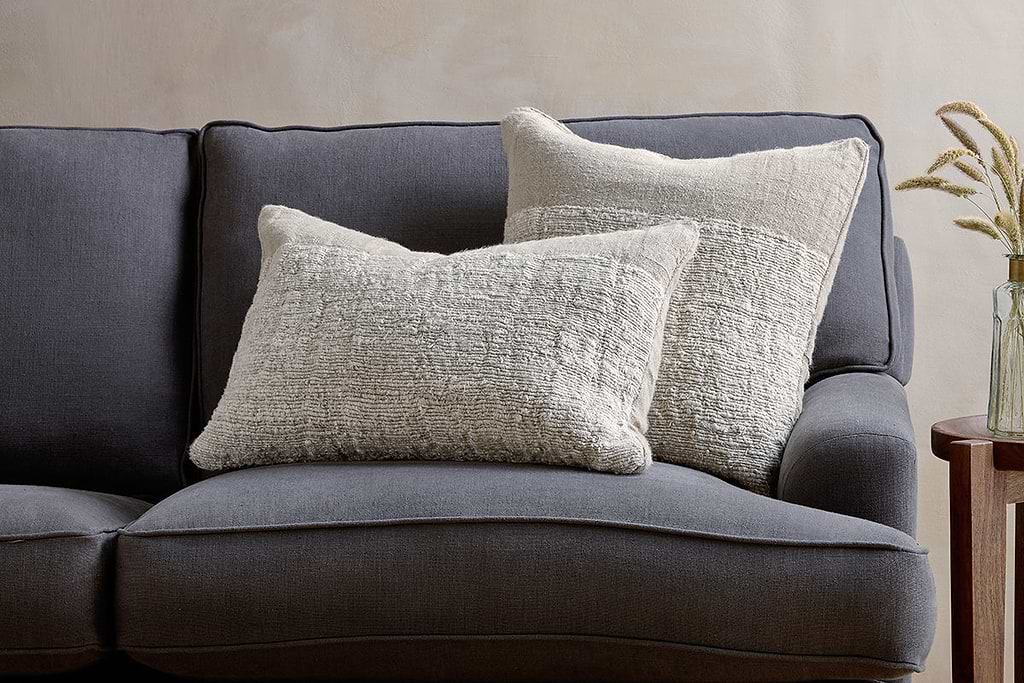
Puli Linen Cushion
Recycled linen in natural, pairs with woven textures and aged wood.
View at Nkuku →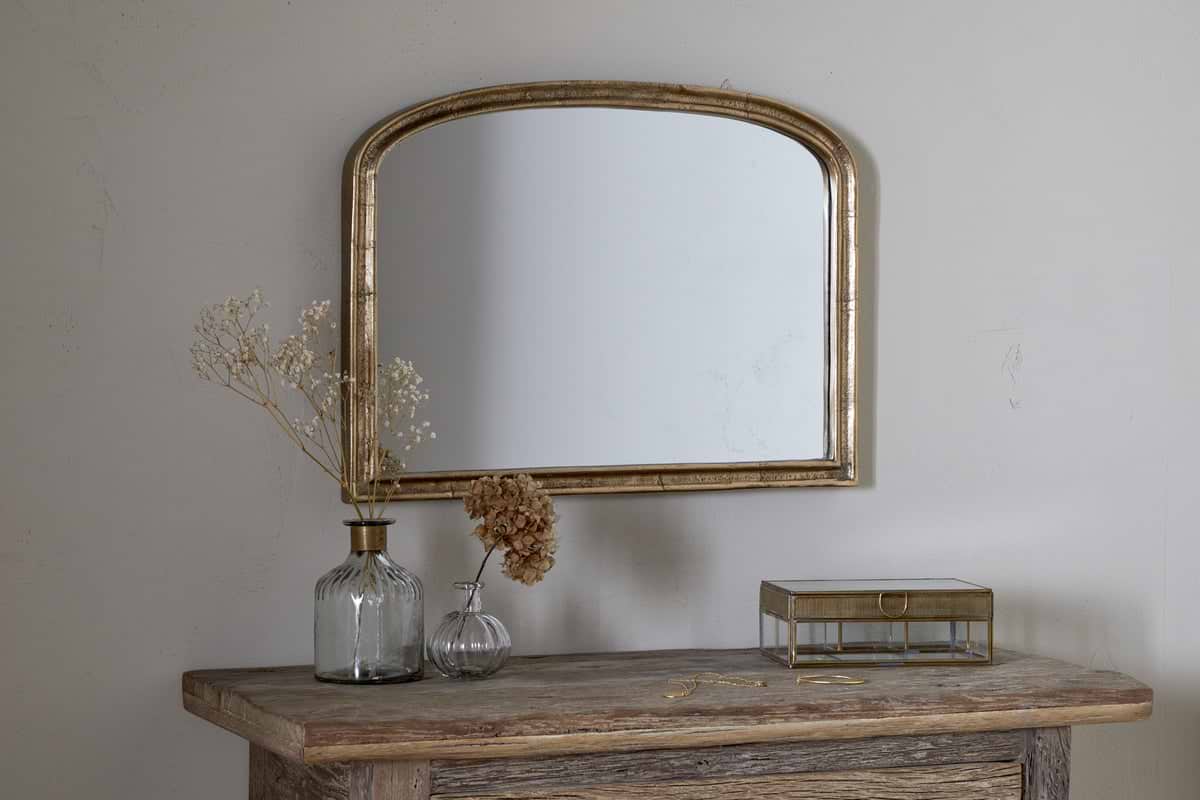
Some links above are affiliate links. If you buy through them we may earn a small commission at no extra cost to you. We only suggest pieces we think fit a calm, lived-in home.
Free guide
The Calm Shelf
12 styling ideas to help you compose calm, balanced shelves in natural texture homes.