

A square room is often harder to arrange than it looks. Everything lines up, but somehow the space feels blocked or lifeless, no matter where you set down the sofa or bed. The middle pulls all the weight, corners stay empty, and arranging furniture ends up a guessing game.
This guide takes the guesswork out. You will see how to stretch the lines, soften the edges, and make choices that actually fit your room’s needs. This works especially well in a rental or small flat when you want the space to feel bigger and simpler because it’s easy to swap a few things and see the mood change.
The short version: The fastest way to make a square room feel calmer is to anchor one main piece or rug off-center and break up the layout with low, long furniture. Shifting focus away from the middle makes the whole space work better for daily living.
Key takeaways
- A square room looks calmer when you create one clear focal point away from the exact center.
- Colour blocking can zone a space without adding clutter or dividing walls.
- Low, wide furniture lines visually stretch a square layout.
- Layering lighting at two different heights adds depth in a flat-feeling room.
- A single large rug, rather than several small ones, makes a square living room feel less busy.

The square room problem: why your space feels awkward
A square room often looks off-balance because the eye gets stuck in the middle and the lines box you in. Breaking up those straight lines quickly changes the feel.
Most square rooms have furniture set too close to the center, which makes everything feel heavy and stiff. Beds, sofas, and tables tend to orbit a single point, making the space hard to settle into. You may find the layout looks symmetrical but still feels flat or blocked.
The way a square room holds space leaves corners empty and unused. People try to fill those awkward gaps with small chairs or potted plants, but it just adds clutter. The result: no clear place to rest your eye, and it never feels finished.
Compared to a rectangular living room or bedroom, a square shape is less forgiving. Long, narrow rooms naturally lead your eye along the length; a square interrupts the flow at every wall. A low bench or console table stretched against one wall, rather than a tight coffee table in the middle, often fixes the problem right away because it adds direction.
How do you stretch a square room without renovations?
You can make a square room look longer by using long, low storage or seating and placing them off-center, not against the far wall. This shifts the focus and opens sight lines.
A tight, boxed-in bedroom feels bigger if you place the bed toward one side and add a tall plant in the opposite corner. This skews the visible lines, letting the eye wander further. Unlike centering every piece, this trick gives you a sense of movement and extra space.
Many designers use a simple rule: A piece of low, wide furniture, like a media unit or a bench, works best when it sits along one wall, not across the whole room. It’s an old habit to keep everything equidistant, but most homes look better when you shift your main seating a bit off the center and let one end ‘run long’.
Instead of two chairs mirroring each other, try a single armchair angled softly away from the rest, especially in a square living room. According to The Square Room, the layout feels more comfortable and welcoming when you avoid strict symmetry.
Pulling your main table, sofa or rug slightly forward gives space for storage or baskets behind, while also making the central footprint bigger for daily use.
Where this works best
Breaking up a square layout helps most in rooms where every wall has a door or window, or where you share the space for more than one purpose.
Open-plan flats, square bedrooms with two doors, or small living rooms that double as workspaces all benefit from these ideas. Rental homes with tight proportions and not much built-in storage often end up boxed in just because there isn’t a clear wall for anchoring big furniture. In these cases, making conscious use of straight and diagonal lines helps define usable zones.
For bedrooms, placing the bed off-center or at an angle sometimes frees up a corner for soft storage, a trunk, a big jute basket, or a decorative ladder.# This gap is perfect for stacking folded throws or extra pillows. In a small apartment, a diagonal rug or bench makes an awkward sitting area look planned out instead of unfinished.
Avoid packing the middle of a square room with several small tables or bins. This invites clutter and emphasizes the room’s box shape. Instead, choose one anchor, like a big oval ottoman, with only simple side pieces. A busy middle makes the whole space feel more cramped than a few overfilled shelves.
How do you use colour blocking to zone a square room?
Colour blocking one or two walls lets you define areas in a square room without adding physical dividers. A painted section draws the eye further than the wall itself.
A home office setup at one end, split by a darker paint block or tall bookshelf, instantly sets a new boundary in the room. If the rest of your square living area stays pale, a patch of muted clay or olive near the workspace keeps things grounded but visually divided. A single stripe running up from desk to ceiling, rather than filling the whole wall, feels modern and light.
Unlike traditional accent walls, colour blocking works because it doesn’t chop up the space; instead, it guides your focus to one spot. Most rooms benefit from a palette that stays within two or three main tones, according to warm colour schemes shared by Loom & Glow. This makes it easy to change the blocks later, and nothing feels too busy.
A simple masking tape line, painted with a soft brush, creates a custom look for less than a weekend’s work. Most acrylic paints dry in under three hours, so you can put up new colour zones in a single afternoon and move your furniture back right away.

Styling and placement
Styling a square room works best when you use long, simple shapes and keep most surfaces clear. The less crowded each zone feels, the more room you gain back.
A sofa with straight, low arms or a long wooden bench stretches the floor visually. Place it toward one wall, not dead center. The opposite side can hold a tall lamp or a slim plant, creating a see-saw balance that feels relaxed, not rigid. Layering a soft rug under the main seat helps most when the rug itself is a solid, muted color, instead of something busy.
Shelves in a square bedroom or living area shouldn’t be filled edge to edge. A better rule: keep about two-thirds of any shelf clear for breathing space, and use one large basket or clay bowl per surface. Compared to a shelf packed full, this trick keeps the room from feeling dense.
Small room styling ideas repeatedly show that letting a few materials repeat, like pale oak or natural linen, softens the edges and breaks the boxy feel.
Quick calm checklist:
- Use one large anchor piece, like a rug or bench, not several small ones
- Keep side tables low and simple, avoid tall, heavy frames
- Repeat natural materials (oak, linen, jute) across the room
- Leave two-thirds of shelves clear to prevent crowding
- Limit your palette to three colors for less visual noise
What not to do in a square room layout
Packing every wall with the same-sized furniture, or placing pieces exactly in the center, makes a square room feel smaller and less welcoming. Leaving empty corners wastes usable space.
Instead of crowding every edge with matching armchairs or identical bookcases, try mixing long and low with upright and open pieces. A bare corner in a bedroom looks colder than one with a soft pouf or basket for overflow storage. Even one plant, off to the side, takes the hard edge off the square outline.
Many people place a coffee table in the direct center and matching chairs opposite each other. This usually emphasizes the boxy shape and interrupts walking paths. A single long ottoman or vintage trunk, angled across the rug, opens more routes and gives the layout a friendlier feel.
Avoid echoing the square shape in everything, from rugs to art to lighting. Instead, break it up with a round mirror or an arched floor lamp. This simple shift pulls the gaze away from the corners and softens the vibe.
| Layout Choice | Feels Boxy? | Adds Flow? |
|---|---|---|
| Centered sofa + matching chairs | Yes | No |
| Offset sofa + bench | No | Yes |
| All square decor | Yes | No |
| Mix of round and straight shapes | No | Yes |
Pulling a few pieces out of the middle and off to one side makes the whole layout calmer and leaves space for moving around.
How lighting and rugs shape the feel of a square room
Layering lighting at two or more heights adds depth to a square room, while one large rug grounds the furniture and stretches the lines.
In most square bedrooms, a pendant or overhead lamp alone throws hard shadows in every corner. Adding a table lamp near the bed, then a lower floor lamp by a seat, gives the room warmth and stops it feeling like a plain box. Using two light sources at different heights is a quick fix for a flat mood after dark.
Unlike old habit of spreading several small rugs, a single large, wool or jute rug links all the main pieces together. According to small living room experts, this helps shift focus away from any one spot and anchors multiple zones. Smoother pile rugs also reflect light in the evening, making the room look brighter.
A square rug repeats the shape of the room; a rectangular or oval choice breaks it up and gives more direction. The effect is especially clear in shared living and dining spaces, where a big rug under both zones blurs the line between them, rather than splitting the floor into separate boxes.
Most homeowners pause midway through setting up a square room when something still feels off. The walls align neatly, yet the flow stops short or it’s hard to see where to add warmth and storage. Often, the fix is simpler than expected, shifting one main piece, dialing down the amount of stuff on show, or changing the position of the main rug or lamp.
A common stumble is the urge to fill every wall or mirror the room’s shape in every choice, square table, square rug, square frame. The downside is that this multiplies the boxy look and makes cleaning harder too. Usually, all it takes is one focal point and a loose, long piece to break up the pattern and bring the space together.
Once you place something low and long along a wall, or move a main piece off-center, the room gains breathing room and feels more open for everyday tasks.
Save this idea for later.
What tends to hold up with square room layouts
Consistent patterns show up across many square rooms, whether in new flats or older homes. Designers almost always recommend giving the eye something to land on other than the exact center, a long shelf, a single large rug, or a block of color, that pulls focus sideways. Matte finishes get recommended again and again for open shelving because they reflect less glare and make small rooms feel steadier under mixed lighting.
One thing that stays true: rooms with fewer, larger objects generally look calmer and more inviting than those with many small items trying to fill up space. Flatpack furniture with natural textures, like oak or jute, rarely goes out of date because they’re both quiet and robust for daily use. Overfilling corners and insisting on perfect symmetry is a habit that keeps rooms feeling formal and stiff, rather than comfortable and relaxed.
, Mara, Loom & Glow
Common questions
What is a square room?
A square room is a room where all four walls are roughly the same length and meet at right angles. This shape can feel balanced but often makes furniture arrangements harder. Many apartment bedrooms and living areas are square, especially in modern blocks designed for efficient layouts.
Is a square room bad for acoustics?
A square room often has more sound echo than a long or uneven-shaped room. The reason is that sound waves bounce parallel off the equal walls, sometimes creating a sharp or hollow feel. Soft furnishings, like curtains and rugs, help absorb sound and reduce this effect in daily use.
What are the best furniture layouts for a square room?
The best furniture layouts for a square room use one dominant piece, like a low sofa or bed, offset from the true center. Long benches, wall shelves, or a big rug help extend the lines and break the symmetry. Mixing shapes and keeping parts of the floor clear also keeps the room open.
How do you make a square room feel less boxy?
You can make a square room feel less boxy by creating visual direction with rugs, long furniture, and blocks of color. Avoid mirroring the square shape across everything. Using warm lighting and one or two larger pieces rather than many small ones also helps keep the space feeling softer and more open.
Explore more calm combinations inside our Shop The Look .
Shop the Look
A few Nkuku pieces that work well in tight square layouts without eating into floor space.
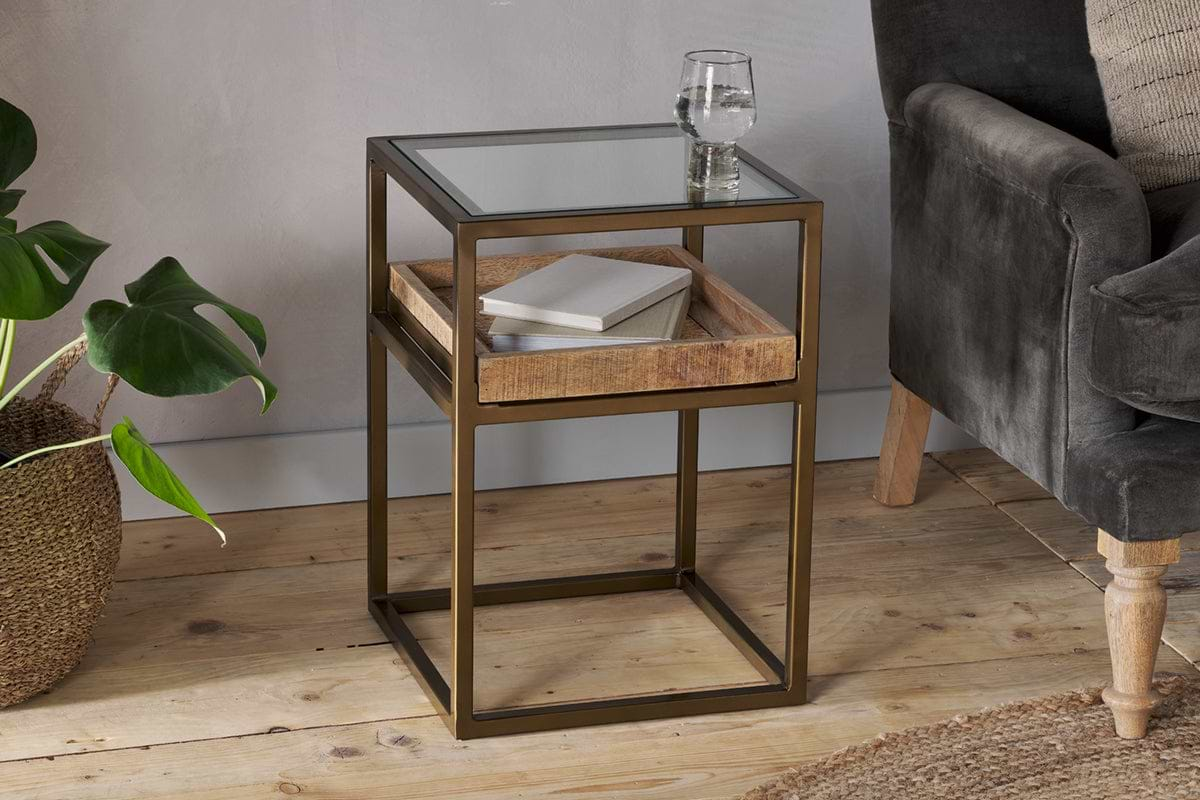
Luzon Side Table
Iron and mango wood with display shelf, small footprint, double function.
View at Nkuku →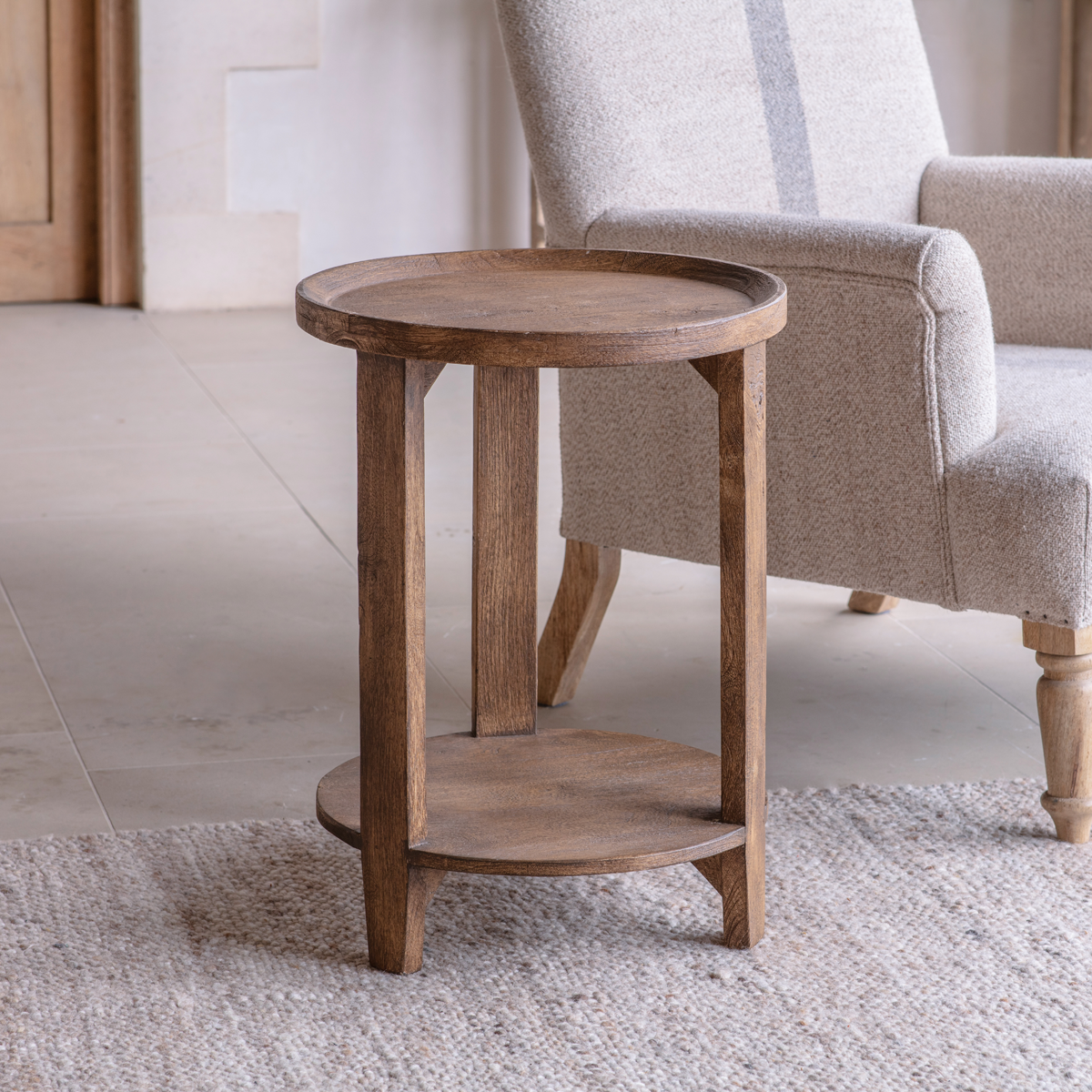
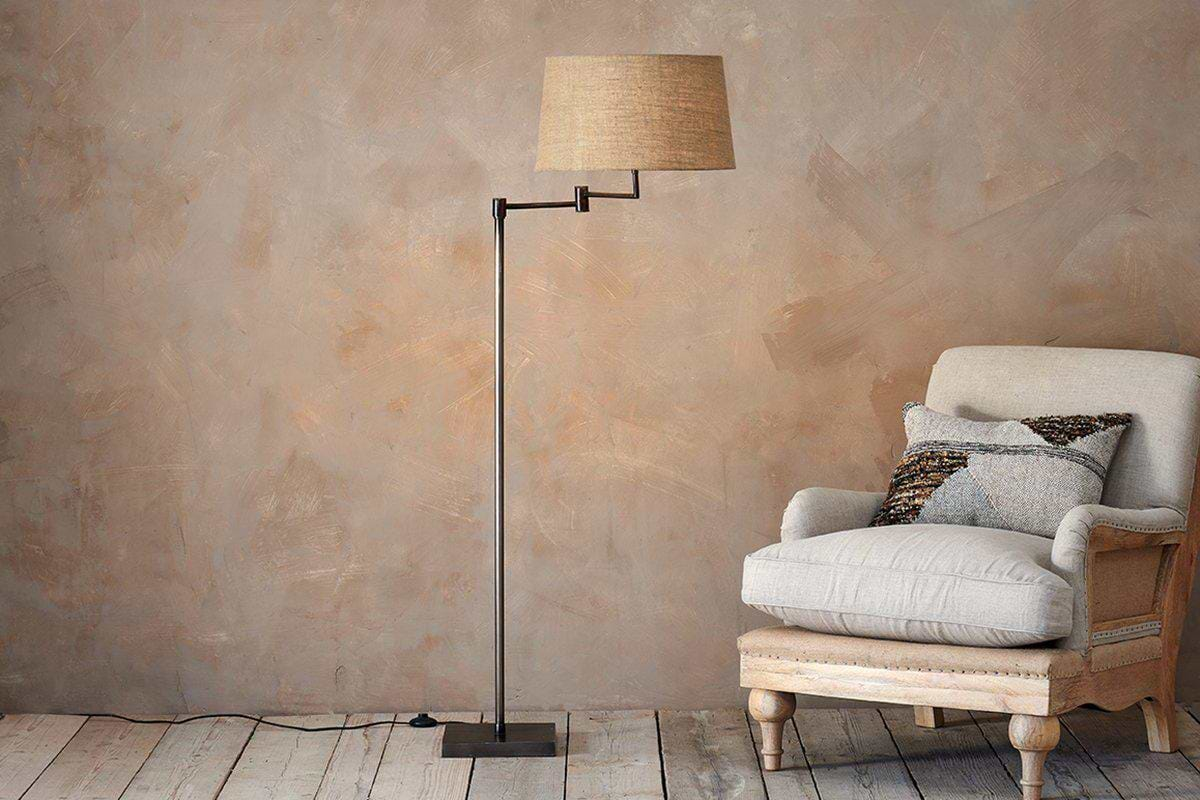
Some links above are affiliate links. If you buy through them we may earn a small commission at no extra cost to you. We only suggest pieces we think fit a calm, lived-in home.
Free guide
The Calm Shelf
12 styling ideas to help you compose calm, balanced shelves in natural texture homes.