

Many homes feel unsettled by clutter or clashing pieces, especially in corners where things collect or seating gets squeezed. Searching for snug decor ideas often means trying to make a small spot feel calm rather than cramped, but piles of throws or mismatched items can make the effort fall flat.
Today you will learn exactly what to pare back, which materials make a difference, and how to set up a nook that genuinely feels restful, without crowding or fuss. This works especially well for a small apartment living area when there is little natural light because the right textures and shapes still create warmth and calm.
The short version: Snug decor ideas work best when you keep it simple: choose one soft seat, use warm natural materials, and avoid filling every surface. A calm, tidy corner lets you actually relax, not just look cosy.
Key takeaways
- A single armchair or compact seat is the anchor for a cosy corner in any room.
- Layering textures with wool or linen adds warmth without making a space feel crowded.
- Low-level, soft lighting like a shaded lamp changes the atmosphere instantly.
- Keeping the colour palette to two or three soft shades stops the space looking busy.
- A contained shelf or tactile art piece makes a corner personal without cluttering it.

What is a snug and why do people crave one?
A snug is a small, comfortable spot at home, usually tucked away from the main flow of a room, that feels calm and private. People want snugs because they offer a quiet pause when life feels crowded or noisy.
In a busy house, corners often hold piles or become overlooked, but a true snug uses clear purpose and restraint. Instead of trying to make a second living room, a snug gives you a spot for reading, unwinding, or quiet talk with soft lighting and natural textures. The feeling is gentle and welcoming, not showy.
The main difference between a snug and a typical living room is scale and focus. In a snug, there is no open TV zone or line of seating facing outward. According to a gallery page, designers often mark snugs out as ‘cozy corners’, smaller, simpler spaces where every object pulls its weight without extras.
Across many homes, the core elements of a good snug are a single armchair or petite sofa, a small table, distinct low lighting, and at least one textured throw or woven basket for softness. Unlike open-plan areas, a snug is easy to anchor with fewer pieces and one or two changes. A single seat with a wool blanket beside a shaded lamp is enough to create the effect.
Putting a snug in your home works best where family life, pets, or awkward layouts make large-scale decorating feel forced. An armchair in a quiet corner, paired with a tactile rug or knitted pouffe, gives you a place to curl up and exhale when the main rooms are busy. A minimal snug slows things down and shields you from daily noise.
Where this works best
A snug fits well in a small living area, an empty bedroom corner, or underused hallway space, wherever standard seating feels forced or too crowded. Snug decor ideas suit awkward or low-light spots that rarely get attention.
Tiny apartments, rental flats, shared houses and even a spare-room corner all take well to a snug setup. The clue is a spot that never quite fills, feels overlooked, or just collects things. Modern flats with odd angles or family homes where the living room fills up with toys often benefit from carving out a snug to add a sense of order and calm.
Applying snug decor ideas is simple in any corner: a linen throw on one chair, a clay plant pot beside a window, and a tray for books or tea. Most design imagery for snug spaces shows a low armchair or velvet seat tucked away from major walkways, paired with natural light if there’s a window (see design imagery for snug spaces for visual examples).
Avoid forcing a snug into a spot already packed with storage or where people need to pass constantly. Squeezing extra seating into a narrow hallway or kitchen corner does not work if it blocks walkways. Instead of adding more, pare back to the minimum and focus on one or two warm pieces that look settled, not cramped. If you have a small apartment, try tucking a seat beside a bookshelf or near a curtained window for quiet without crowding the space.
How do you set up a calm corner with just one seat?
A calm snug corner needs just one main seat, ideally an armchair, and simple additions like a wool blanket or jute basket nearby. Adding more than one seat makes a corner look busy, not inviting.
The ‘single armchair rule’ is a core snug decor idea because it keeps the space clear and focused. Unlike a regular sofa setup, an armchair in a corner gives a sense of privacy, drawing you in for reading or quiet moments. Choose a compact seat in a neutral shade for flexibility, a beige or soft green shapes the mood and pairs with natural materials easily.
Most people try to warm up a tight spot by piling up extra cushions or smaller seats, but this makes the area look cluttered. Instead, a single seat paired with a side table or floor lamp gives structure and makes daily life in small rooms easier. A wool or linen throw, folded rather than rumpled, softens hard lines and helps the seat feel less formal.
Adding a jute basket beside the chair offers a place for books, knitting or an extra blanket. A bare corner with no textures looks colder than one anchored by a woven piece and one soft seat. By skipping extra seating, you gain an open, restful area that feels defined but never crowded. Set up your seat within reach of a lamp for instant mood shift, especially in a room that lacks daylight.
Styling and placement
For styling, limit the palette to soft, calm shades, think warm woods, oat, sage or muted teal, and place key pieces close, not scattered, to keep the area grounded. Clutter breaks the calm.
Setting out a snug starts with placement. Anchor your main seat against a blank wall or window, then cluster a low table, lamp or plant within arm’s reach. Do not spread items far apart. A soft rug underneath or a wool pouffe nearby builds in a sense of enclosure. The best snugs use walls or room edges as a visual shield.
Quick calm checklist:
- Choose natural fibres: wool, linen or jute for throws, pouffes and baskets.
- Keep seating low and close to the wall for less visual noise.
- Stick to two or three main colours. Repeat them instead of mixing lots of shades.
- Group small items (candles, books) on a tray. Too many loose pieces look messy.
Carving out a snug with clear placement keeps the space feeling intentional. A compact flat with open-plan living works best when you mark off your snug with a rug or arrange furniture in an L shape. Unlike a floating chair in the center of a room, hugging the wall or placing the seat in a window bay helps signal that this area is for slow time, not passing through.

What’s the best way to add texture?
Adding texture in a snug works best by mixing one or two natural materials like wool or stoneware, instead of piling on many different finishes. Materials that feel or look warm help the space settle visibly.
A soft wool blanket over an armchair, a linen curtain at the window, or a nubby jute rug underfoot add touchable interest. Each of these soaks up light differently, wool is matte and calm, linen lets light through, and jute brings subtle pattern underfoot. Using too many rival textures (like smooth velvet next to chunky knits and then metal) makes a small space look unsettled.
Most snugs shown in visual examples of snug decor use just two main materials. For instance, a velvet chair with a thick wool cushion, or a simple wooden stool beside a basket. Compared to glossy plastic, natural materials age better and pick up the light more softly, so the mood feels steady across seasons.
In practical terms, focus on a single tactile throw, one woven piece, and perhaps a pottery bowl for balance. On cold days, warm knits and wood grain settle the eye and dampen sound. Place textured items where your hands or feet land first for the greatest effect, touching a thick rug with bare toes or brushing a linen curtain is a small comfort that lasts.
How to use lighting to create a snug feel
Lighting makes or breaks a snug: a soft-shaded lamp or a cluster of candles gives an instant sense of calm, while a harsh ceiling light makes the space feel cold.
Most homeowners default to a bright overhead or spotlights, but a snug improves with low, diffuse light. Place a shaded table lamp or wall light to one side of your seat. According to design imagery for snug spaces, snugs often glow from a corner lamp with pale, natural shades or glass. This lowers glare and casts softer shadows, gently marking off the corner from the rest of the room.
Unlike bright LED strips or exposed bulbs, softer bulbs and shaded lamps help reduce sharp lines and visual noise. Candles on a tray add another layer of warmth, especially after dark, but use them sparingly to avoid sooty smells or melted wax on surfaces. In a low-light flat, a well-placed lamp transforms one corner without heating up the whole room.
A thick curtain or linen blind can soften the mood even more by diffusing daylight gently, instead of blocking it. Placing your snug near a window also makes the most of any natural sun you get during the day. Sheltered lamp light, never too bright, invites slow evenings with books, tea, or a quiet chat. The change is clear the moment you switch off the main light and just use the lamp.
| Lighting type | Mood | Best for |
|---|---|---|
| Shaded table lamp | Soft, warm | Evening reading |
| Candles | Very cosy, flickering | Night, relaxing baths |
| Overhead/ceiling | Cool, flat | Cleaning, chores |
How can you make it feel personal but not cluttered?
Including one well-chosen personal object, like a small artwork, a book you treasure, or a clay mug, grounds a snug without filling the space with clutter.
Personal touches can anchor a corner so it does not feel flat or impersonal, but too many small objects make even the cosiest nook feel untidy fast. One painted tile, framed print, or a stack of your current reads on the table is enough. Soft art works well, try a handwoven wall hanging or a felted trivet, to add touch and colour at once.
Many designers land on the ‘single shelf’ rule in snug corners. According to interior design portfolios, a floating shelf in a calm colour, sage, pale oak, keeps things tight and organised. Compared to an open cubby or a book-piled floor, a shelf holds what matters and lets you choose what stays visible.
The trick is restraint. Rotate objects you love, season by season, to avoid overcrowding. One bowl of dried leaves, a candle in a stone holder, or a tactile piece of art is enough. Shelves or trays stop things from sliding around and make dusting quick and easy. In a small snug, keep the objects set back from the edge to slow the look and stop it feeling busy.
There comes a point, maybe on a quiet evening, maybe at the end of a tough day, where the corner you’ve arranged still feels “off”. For many, it’s when the room won’t settle and edges seem to shout, even after rearranging.
The shift happens when you pare back and let one piece (an armchair, a wool throw, a shaded lamp) claim attention, then build the rest around it in soft layers and open space. Commitment to one focal point is what makes the whole corner breathe easier.
Most people try to fix this by adding small things (extra cushions, more colours, scattered baskets), but this often just leaves the space looking unfinished or even busier. When you rein it in, suddenly the whole room lightens.
Save this idea for later.
What stands up over time in a calm, cosy nook
Reviewing many rooms, the most peaceful snugs last because they build on a few forgiving materials. Wools, washed cottons and matte ceramics nearly always feel inviting and age well. One thing reviewers consistently mention is how a limited palette doesn’t get old, limiting colour and object count means there’s never that urge to refresh with every season.
Decorators often point to matte finishes for lasting calm: they avoid glare, catch dust less, and always look soft against natural light (especially near windows). Neutral armchairs and low, shaded lighting are fixes that don’t age out of style or feel worn after a year or two.
Mara, Loom & Glow
Common questions
What is a snug room?
A snug room is a small space designed for comfort, usually with cosy seating and soft lighting. Snugs offer a quiet place for reading or slow time, away from the busier parts of the home. They are less formal, smaller and simpler than a living room.
How do you make a small room feel snug?
The easiest way to make a small room feel snug is to focus on one comfortable seat, natural textiles, and soft, low lighting. Limiting the colour palette and avoiding clutter help the space feel restful. Using a wall or rug to define the area brings a sense of enclosure, even in a tiny flat.
What lighting works best in a snug?
Soft, low-level lighting like shaded lamps or gentle wall sconces works best in a snug. Harsh ceiling lights make a space feel cold, but adding a dim shaded bulb or a few candles creates immediate warmth and calm. This is true even in corners with limited natural light.
What colour should you paint a snug?
Snugs look best painted in soft, warm shades like sage, pale oat, muted green, or gentle grey. Strong primary colours can feel too intense in small spaces. A contained, natural palette helps reflect low light and keeps the room feeling peaceful across seasons.
Explore more calm combinations inside our Shop The Look .
Shop the Look
A few Nkuku pieces that bring warmth and soft light to a calm, cosy corner.
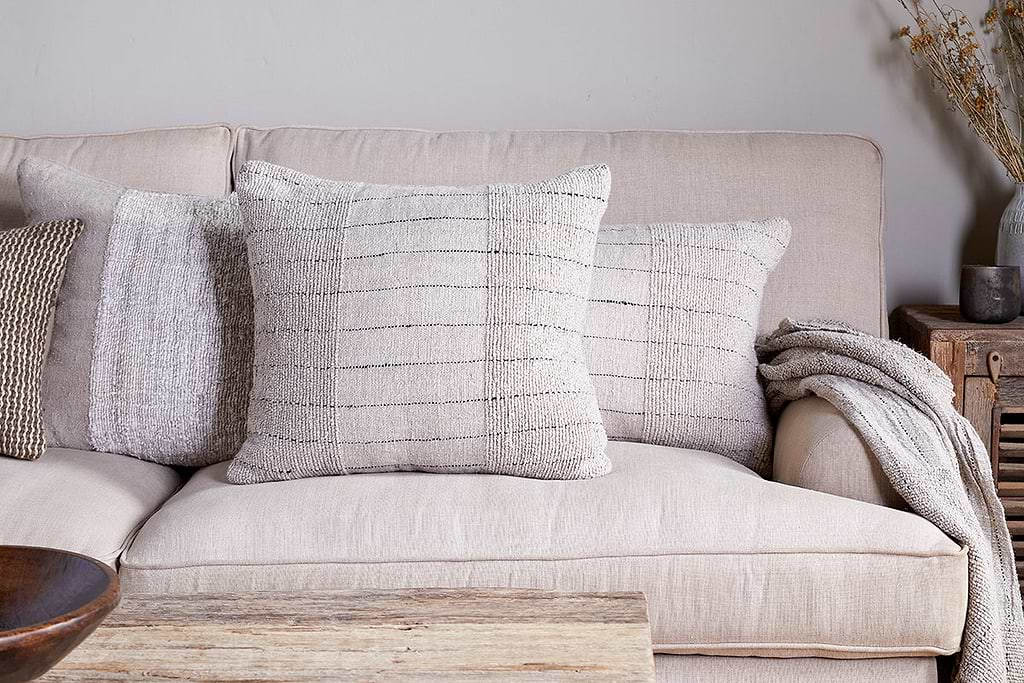
Mayla Cushion Cover
Soft hand-textured cover, instant warmth on linen sofas or chairs.
View at Nkuku →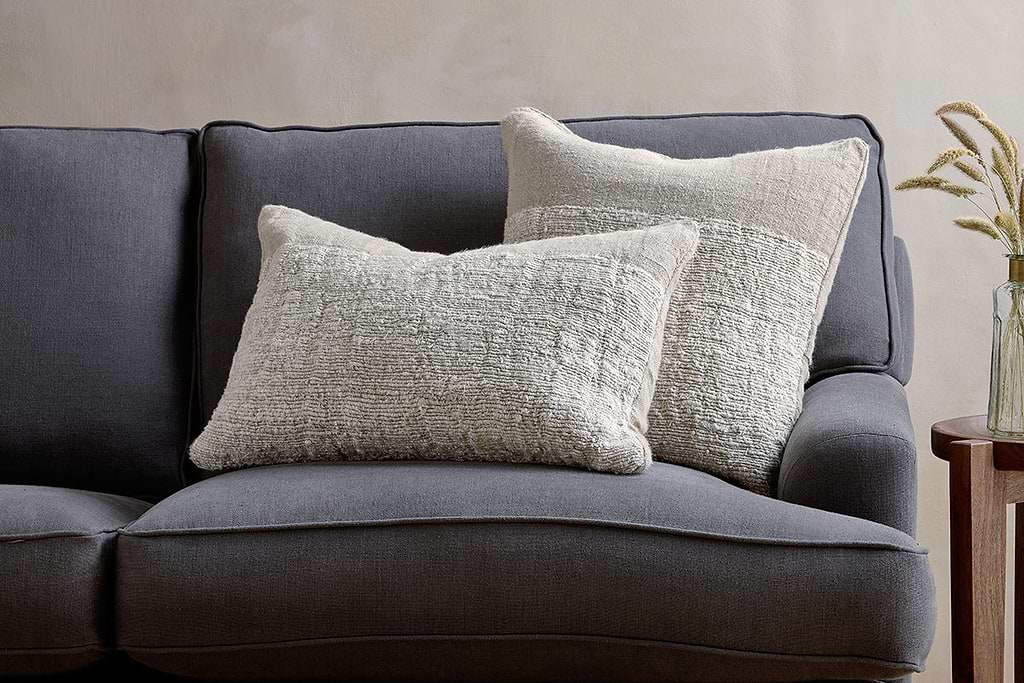
Puli Linen Cushion
Recycled linen in natural, pairs with woven textures and aged wood.
View at Nkuku →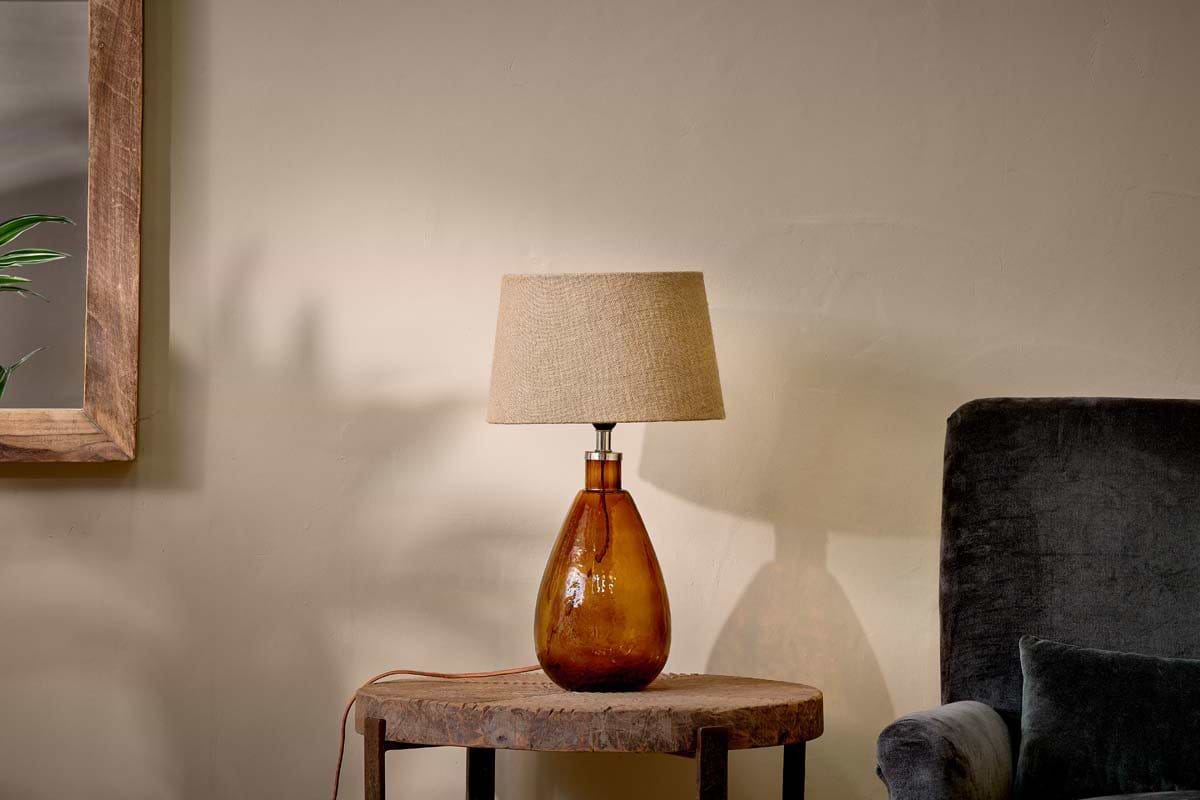
Some links above are affiliate links. If you buy through them we may earn a small commission at no extra cost to you. We only suggest pieces we think fit a calm, lived-in home.
Free guide
The Calm Shelf
12 styling ideas to help you compose calm, balanced shelves in natural texture homes.