

Trying to make a single room feel calm is tough when everything fights for space. A typical studio apartment has bags, jackets, cords, bottles, dishes and random baskets drifting in and out of view. With only a few walls, clutter shows up fast and it’s easy to feel boxed in, especially under rental rules or low ceilings.
This guide gives direct fixes: what to keep, what to move, and what to choose so your space looks larger and feels like a real home—not a storage box. This works especially well for small living rooms when you can’t add built-ins because every inch matters and the wrong piece makes the whole room feel busier.
The short version: Use just a few natural materials, repeat shapes, and anchor your largest piece to create calm and a feeling of space in a studio. The right layout and one or two focal objects make a small room feel bigger and stop clutter from taking over.
- Where this works best
- How do you avoid clutter in a one-room setup?
- What’s the simplest way to create zones without more furniture?
- Styling and placement
- How can you use soft materials to warm up a small room?
- What wall choices actually make a studio feel open?
- Small room decor: how to pick the one item that makes everything work

Where this works best
A calm, open feeling comes together quickest in small rooms with blank walls, little built-in storage, and not much daylight. These limits keep every new choice visible.
Studio apartments and compact living rooms with boxy, low couches or standing lamps in each corner get busy fast. Long, shared spaces can also feel like hallways, not places to relax. These setups make small room decor choices obvious: every new thing pulls the whole space together or breaks the flow.
Simple groupings work well here. For example, in a shared sleeping and living area, two or three useful pieces—a neat table against the wall, a low bedside stool, a soft rug—can quietly divide the space without crowding it. This lets you change things later if you need a new spot for working or guests.
Avoid filling every surface or hanging art on every wall, especially with patterns or lots of colors. In a narrow apartment, this makes the room feel smaller and more chaotic. Instead, leaving one or two spots clear gives the eye a break and feels more relaxed.
Try a long wood console table in the entry of a single-room flat to catch keys and mail. It grounds the room and is easy to keep tidy.
How do you avoid clutter in a one-room setup?
Anchor one surface—like a console or low shelf—with just a tray, one lamp, and a natural bowl. Hiding smaller things gives a calmer feeling than lining up many objects.
In most studios, clutter creeps in on top of side tables, window ledges, or TV stands. Residents often line up mail, chargers, cups, and plants, hoping this “organizes” everything. A bare surface reads colder than one with a small bowl or gentle stack, but too many objects block light and add stress.
Using one containment piece—a woven basket for cords or a closed box for tiny items—keeps bits out of sight. This works better than open bins because the mess is hidden but the shape still fits the space.
If you swap a stack of books, a candle, and bottles for only a handled tray and a textured bowl, it draws less attention but still looks finished. Closed storage in wood or soft natural fibers minimizes what’s in view and feels lighter than hard plastic or metal boxes.
A clay bowl on a hallway console collects keys and sunglasses—no loose piles needed.
What’s the simplest way to create zones without more furniture?
Break up the room with a rug, a curtain, or a different lamp—never extra seating. Using one soft divider signals a new area without adding bulk.
Many people try adding more furniture to mark out “bedroom” or “dining area” inside a smaller space. This often blocks walking routes and eats up the floor. Instead, a single folded blanket or a lightweight rug can quietly split a couch from a sleeping zone. This method feels flexible and doesn’t block natural light.
Sheer curtains, attached with rental-friendly rods or even a tension wire, signal new boundaries but don’t close off daylight. These materials move easily, so the room shifts with your needs.
The effect works because repeating a shape (like two circles: a round basket and a globe lamp) or one soft color feels neat, unlike mixing patterns or adding spare stools. A pale rug by a window makes that half of the room feel different from the rest, compared to just pushing the sofa over.
Lay a wool rug between the bed and couch to set a soft “zone” without building a wall.
Styling and placement
Group two or three items—varying texture but not color—on each surface. Keep margins clear so the room feels orderly, not heavy.
Placing every object with some breathing room leaves the space feeling open. Bare counters look clean but unfinished; packing each shelf makes the air feel crowded. Instead, use just enough elements to build interest: a lamp, a bowl, and a single plant work for any open surface.
Space between things matters. When grouping, leave a visible gap on either side—this pulls focus and keeps the room from feeling boxed in. Light or mid-tone woods, especially on pieces like the Aasha Mango Wood Half Moon Console Table, add weight to one part of the room instead of every surface fighting for attention.
Quick calm checklist:
- Natural materials: choose wood, jute, clay, linen.
- Placement: leave at least two-thirds of every surface clear.
- Palette: stick to one main soft color, plus two accents at most.
- Only one main “focal” item per wall or corner.
- Balance weight: heavier pieces low, lighter items higher up.
A worn clay bowl, a small lamp, and one sprig in a glass jar fill out a shelf without looking crowded.

How can you use soft materials to warm up a small room?
Soft throws, loose-weave baskets, and short-pile rugs make hard chairs and tables less stark. Natural textures keep the room feeling light but not cold.
Studio apartments often have painted walls, laminate floors, or metal legs on beds and tables. These finishes feel cheap and echo sound, making a room chilly even with cushions. A linen or cotton throw breaks up straight lines and blocks echo from tile or floorboards.
Compared to synthetic fabrics, linen ages softly, taking on a gentle crumple that absorbs light rather than bouncing it back. According to Britannica, linen is known for its flexibility and easy maintenance. This makes it practical for sofas and beds in high-traffic, multi-use areas.
A woven jute basket below a shelf does more than store shoes or books—it slightly softens the shadow beneath, so there’s less contrast with the floor. A chunky rug, even in a small size, quiets footfall and makes mornings less jarring.
Drop a linen throw over a compact sofa to cut harsh edges and add a sense of softness.
What wall choices actually make a studio feel open?
Keep most walls light and bare, then add one piece with shape or gentle color. This draws focus without making the room busy.
Many renters fill blank walls with a grid of frames or stick-on art to look styled. Instead, covering only one spot, like above a table or next to a window, does more to anchor the space. A single, round mirror or art with lots of empty background feels much airier than a gallery of prints.
Pale walls reflect whatever daylight comes in, so smaller apartments feel bigger. How color works plays into room size: cool, soft colors usually seem to recede, making a wall look farther away, while dark, saturated shades feel closer and heavier.
Unlike a dense art display, spacing out wall hangings keeps the sightlines open. This method often gets recommended on small-space decorating lists for renters who want freedom without paint or holes.
Hang one large, pale canvas or mirror above a low table instead of several small frames.
Small room decor: how to pick the one item that makes everything work
Choose one signature piece with gentle shape and natural texture as the main focal point, then echo it in smaller accents across the room.
Most studio apartment ideas suggest layering lots of soft elements or matching everything. A better approach is to use repetition but only with one key shape or material. For example, pick a half-moon wood console as your largest anchor, then add a small round bowl or mirror to echo the curve. This pulls the room together without feeling busy.
The right anchor piece gives you a landing spot for daily objects, but the effect works because every other element echoes its tones or lines. Instead of several focal points, one signature object—wood, jute, woven cane—directs the eye. Everything else stays low-key or neutral in color.
Many small space ideas fail when people try to balance too many hero items, like a statement rug and a bright painting and a sculptural chair. The room feels choppy. Focusing on just one main texture or shape softens this and settles the space.
A curved mango wood entry table becomes a landing spot for small storage, while round baskets under the window keep the same gentle line going.
Every small apartment has a day where the floor looks picked up, but the room still feels unsettled. You’ve tidied, kept surfaces clear, placed your throw pillows, and yet stepping back, something feels crowded or not “done”—like the room holds too many directions at once.
Most of the time, the problem is that nothing really leads. The eye jumps from lamp to plant to shelf, and nothing feels grounded—there’s no single shape that quietly ties things together. The shift comes when you decide to anchor the room with just one main piece and echo its material or curve once or twice, keeping background color and furniture lines simple throughout. This decision lets everything else drop away, making the whole room seem larger and more finished right away.
Many homes miss this step. It’s easy to pick too many patterns or keep several small things out of habit, then end up with corners that always look half-done or table surfaces that pull your focus. When you don’t give your eye breathing room, the rest never feels calm.
Save this idea for later.
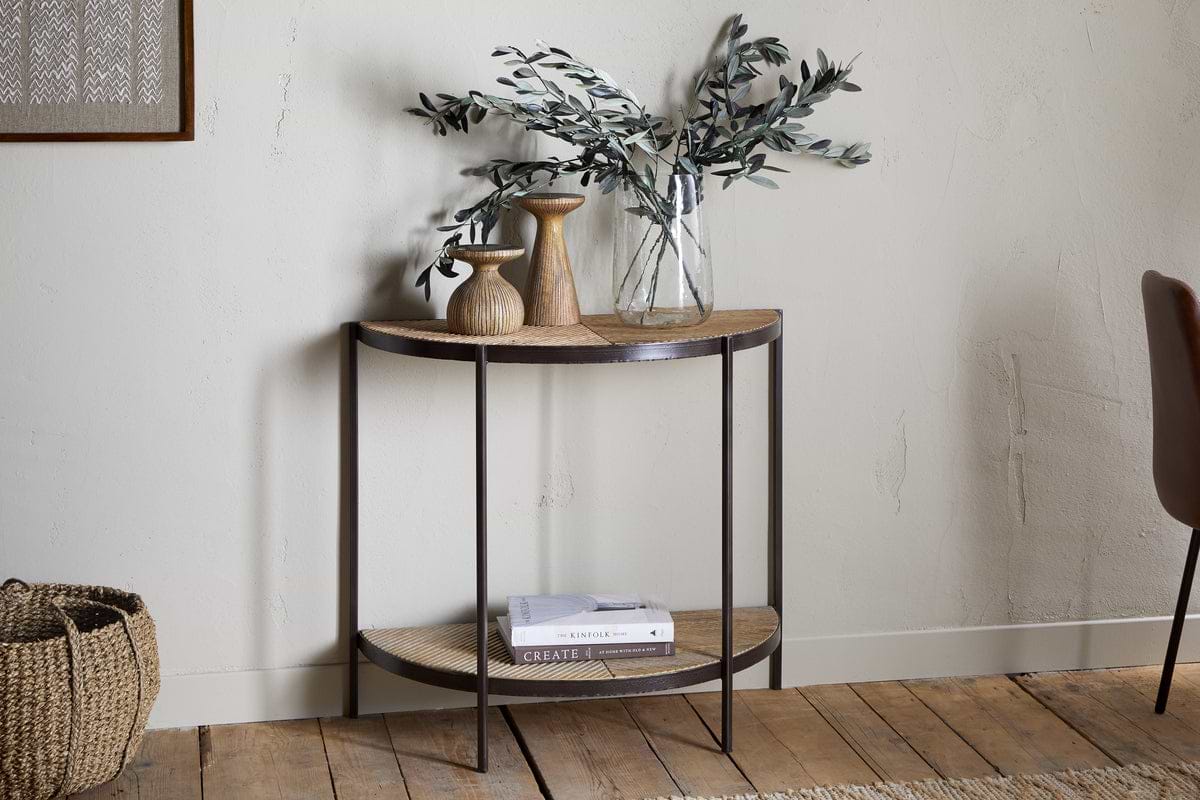
Aasha Mango Wood Half Moon Console Table
adds quiet structure and warmth while keeping the room balanced.
What tends to hold up with studio apartment layouts
Looking across different small-space setups, the choices that last tend to be the quiet ones—neutral wood furniture with rounded lines, light natural fabrics, and surfaces kept mostly clear. Reviewers often point out that letting one shape or finish lead, with just a few supporting accents, keeps a space feeling bigger and more useful for everyday life. The rest just blends into the background.
Rental-friendly pieces and natural textures come up again and again for a reason: they’re light enough to move around, stand up to wear, and never look tired next season. Matte ceramics, jute baskets, and simple linen throws stay in use because they block clutter visually and feel soft to live with. Focus on these, and your small room won’t need constant tweaking.
— Mara, Loom & Glow
Common questions
How can I avoid clutter in a one-room studio apartment?
Anchor one surface-like a console or low shelf-with just a tray, one lamp, and a natural bowl. Hiding smaller things gives a calmer feeling than lining up many objects.
What’s the best way to create zones in a studio without more furniture?
Break up the room with a rug, a curtain, or a different lamp-never extra seating. Using one soft divider signals a new area without adding bulk.
How should I arrange items on surfaces in a studio?
Group two or three items-varying texture but not color-on each surface. Keep margins clear so the room feels orderly, not heavy.
What soft materials work best to warm up a small studio?
Soft throws, loose-weave baskets, and short-pile rugs make hard chairs and tables less stark. Natural textures keep the room feeling light but not cold.
Explore more calm combinations inside our Shop The Look .
Shop the Look
Pieces that work double duty in a studio, storing and styling without eating up floor space.
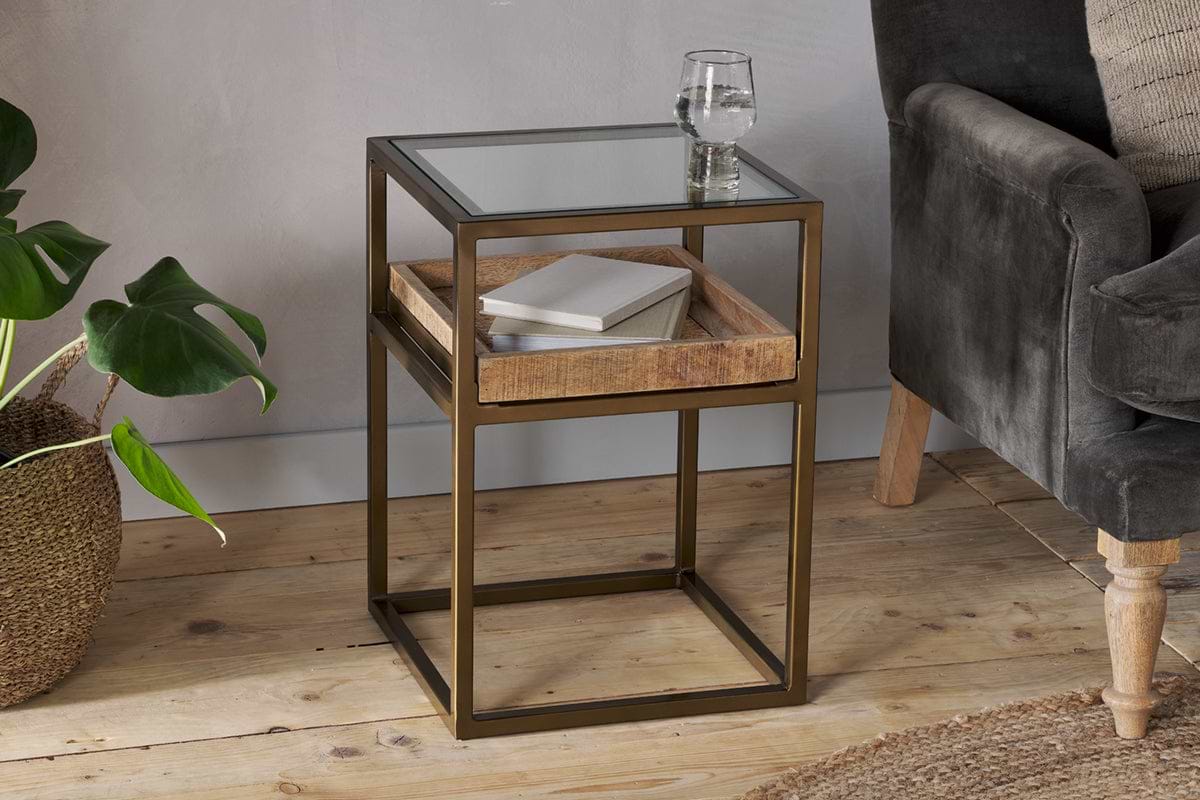
Luzon Side Table
Iron and mango wood with display shelf — small footprint, double function.
View at Nkuku →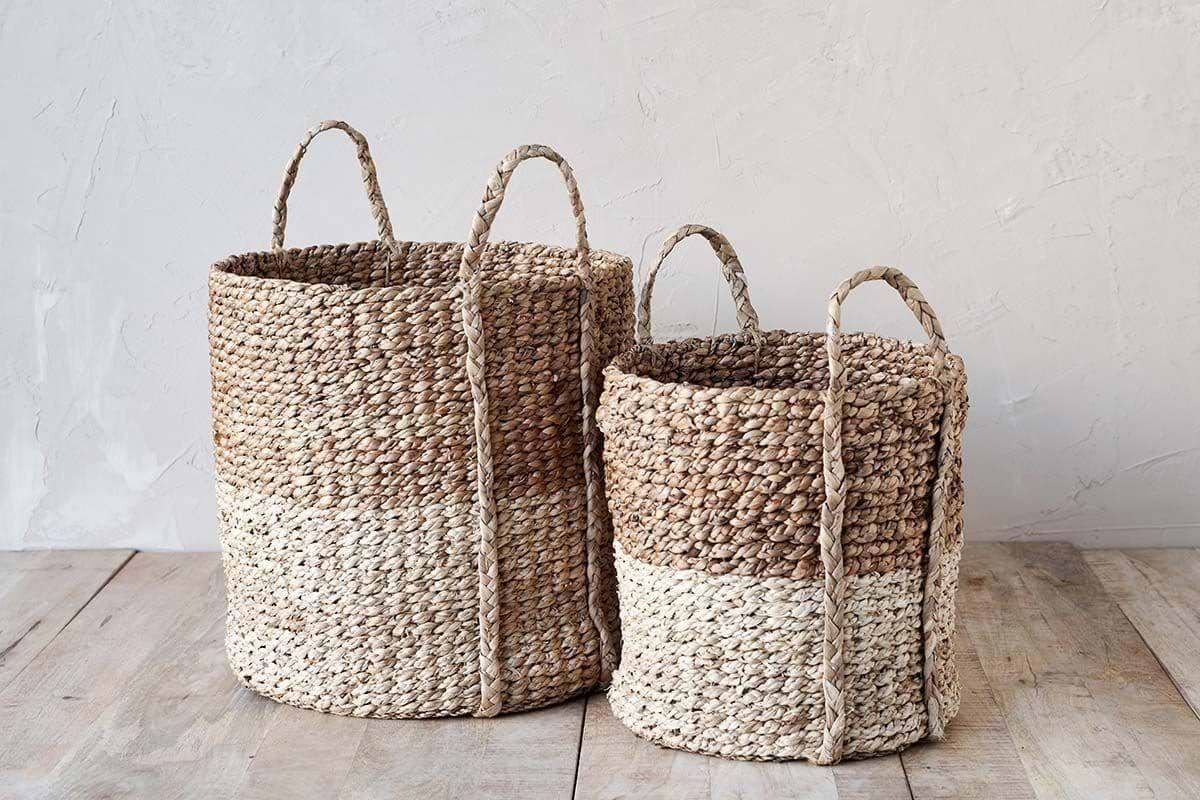
Nkomi Basket
Woven storage with a calm silhouette — works open or tucked under a console.
View at Nkuku →
Some links above are affiliate links. If you buy through them we may earn a small commission at no extra cost to you. We only suggest pieces we think fit a calm, lived-in home.
Free guide
The Calm Shelf
12 styling ideas to help you compose calm, balanced shelves in natural texture homes.