

It’s easy for a balcony or patio to turn into a forgotten spot. Shoes pile up, plastic planters gather dust, and there’s nowhere to put things neatly. Most storage bins look out of place, but seagrass basket storage blends in and adds warmth without screaming for attention.
You don’t have to start over or spend a fortune to make an outdoor corner feel right. Today you’ll learn how to use natural baskets, where they fit, which sizes matter, and what helps them look finished. This works especially well in a small balcony when you want storage and calm because seagrass baskets handle clutter and soften hard lines at the same time.
The short version: Seagrass basket storage works best when you match the basket size and style to your room’s needs and keep placement simple. Swapping harsh plastic tubs for woven baskets can make an outdoor space feel more like home and help keep clutter out of sight with less effort.
Key takeaways
- A seagrass basket with a lid hides clutter and fits anywhere a plastic tub looks out of place.
- Basket size sets work well when storage needs change or space is limited.
- An open basket on a shelf warms up a bare wall faster than metal or plastic bins.
- Hanging and stair baskets use tight spaces others can’t.
- Lined baskets last longer and feel smoother to the touch than rough, open-weave options.

Where this works best
Seagrass baskets fill a gap where built-in storage is missing, especially on balconies and patios, and soften rooms that feel cold or unfinished. Look for places where other storage bins feel too harsh or busy, there’s usually a simple swap.
Balconies, small patios, and rental entryways see frequent clutter. Outdoor shoes, hats, gardening gloves, and loose tools often end up in messy piles. Seagrass baskets hold them without looking bulky or accidental, and they work even when you can’t drill shelves into walls.
Under benches, beside sliding doors, and at the edge of balconies, a single basket can break up a row of hard planters or cold tile. Woven fibre matches indoor textures so the space doesn’t feel cut off from the rest of your home. This makes it easier to use the area as a sitting spot, plant corner, or quiet “room.”
Avoid baskets that are too large for tight corners or that need more support than the surface offers. A deep lidded hamper looks awkward if it blocks a patio path, and an open basket with no structure sags and collects debris. Stick with shapes that stay put and suit both your habits and your space.
A basket works best when its material looks natural next to your other furniture, and its size doesn’t crowd arms or floors.
How do you choose the right basket size?
Pick a basket that’s big enough for the job, but not so large it blocks a walkway or shelf. Small and medium baskets work for most balcony setups, while large baskets fit best for blankets or bulkier things.
If you have a narrow ledge, a mini seagrass basket holds keys and small tools without tipping. Most seagrass storage baskets are sold in sets of three sizes, so you can mix them for shelves, landings, and the floor. Graduated sets help you avoid crowded corners and stack easier than mismatched plastic tubs.
Medium baskets with handles slot under benches or coffee tables. These are good for magazines, slippers, or plant supplies. Large, lidded baskets sit in corners where you put throw blankets, outdoor cushions, or laundry, the lid keeps messes out of sight. On a high shelf, a basket that’s too deep is annoying to use, and on a small patio, a large one becomes an obstacle.
Compared to plastic storage cubes, a smaller open basket feels lighter and lets air circulate, so anything damp dries out quickly. Instead of filling the space to the edges, leave a little room so baskets don’t overpower shelves or block footpaths. In most homes, baskets look and function best when they leave a small gap between the wall and the edges of a shelf or bench.
| Size | Best Location | Good For |
|---|---|---|
| Small | Shelf edges, bathroom or balcony ledges | Keys, seed packets, sunglasses, cords |
| Medium | Under tables, beside chairs | Magazines, towels, light tools |
| Large | Blanket corners, hallway floor | Throws, cushions, laundry |
In practice, matching the basket to the shape and scale of your spot lets the storage do its job without feeling like bulky extra furniture.
Seagrass vs water hyacinth vs rattan: which fibre is best?
Seagrass is softer and more flexible than rattan, while water hyacinth is heavier and has a looser weave. Each material handles wear and damp differently, so pick based on use and feel.
Seagrass is usually dyed to a warm straw colour, feels smooth, and bends without cracking. It stands up well to daily use as a storage bin or basket, especially where you grab things often. According to The Basket Company, seagrass baskets are light but strong, and their free delivery for large UK orders makes them a favourite for simple upgrades.
Water hyacinth has a chunkier braid and more open weave, so it’s good for bulkier storage but feels rougher to the touch. Rattan is stiffer and can hold up better outdoors, but can turn brittle if left wet over time. Compared to rattan or hyacinth, seagrass adds less visual weight and feels softer on bare hands, which matters if you use it on a balcony where you walk barefoot or reach in often.
Instead of mixing several fibres in the same room, repeat one: if your balcony has rattan chairs, a rattan or seagrass basket fits in more naturally. Too many textures in one place make the space look unplanned and busy. If you want to see more approaches, starting with one anchor piece can help you land on a palette that works across indoor and outdoor areas.
In short: use seagrass for most light storage, water hyacinth for bigger items, and rattan mainly for outdoor seating or tougher pieces. The softer look and feel of seagrass make it easiest to match for balcony styling ideas and everyday outdoor decor.
Styling and placement
Keep basket styling simple: anchor one main basket where clutter gathers, then add a smaller one nearby for loose ends. Placing a basket under a bench or on an open shelf works better than scattering many tiny baskets.
Clarity comes from picking a spot where you naturally drop things, beside the main door, under a shoe rack, against a side wall. A deep lidded basket can anchor the main clutter zone, while a shallow open basket nearby lets you toss in keys or dog leads without looking messy. In a living room or open patio, sticking with one or two sizes per zone stops the area from getting cluttered.
Add detail by placing a smooth planter, such as the Affiti Clay Planter, on top of a closed seagrass basket. This breaks up the visual line and makes the basket feel part of the decor, not just a utility piece. For outdoor decor ideas, one woven basket plus a hard-surface item gives you both texture and function in the same small footprint.
Quick calm checklist:
- Choose one weave style and stick to it throughout the space.
- Stay within natural, muted colours for all baskets and visible holders.
- Keep two-thirds of surfaces clear, don’t let baskets crowd shelves or landings.
- Use a lidded basket to hide bulkier clutter, open ones for daily-use items.
- Group baskets with soft items beside harder-edged planters or stools for balance.
Unlike plastic bins that feel out of place, a well-placed basket blends storage into the setting and keeps eyes moving rather than landing on mess.

Do you need a lidded basket or open basket?
Lidded baskets hide things that look messy, while open baskets keep daily-use items within reach. A lid keeps dust and rain out if you use the basket outside, but takes an extra hand to open.
For laundry, shoes, or outdoor cushions, lidded seagrass hampers let you drop items in and forget them until needed. Most lidded seagrass hampers come in sets or singles, so you can fit them in corner spots and landings. A lidded basket stops stray leaves, dirt, or pet fur from getting onto blankets and makes the room look finished with less effort.
Open baskets work better along shelves, on balcony railings, or anywhere you need to toss in or grab things quickly. They’re good for plant tools, gardening gloves, or magazines. If the basket is visible from inside, an open weave shows off texture and makes the boundary between indoors and outdoors feel softer.
Compared to leaving things out or piling them by the door, a single lidded basket calms the space. Instead of many small open bins, picking one or two lidded baskets for main clutter keeps everything more contained. If weather is a concern or dust builds up quickly, lidded baskets take less effort to keep clean.
What should you check before buying?
Check the basket’s shape, weave type, and finish before buying. Make sure the size fits your shelf or floor and the handles feel solid in your hand.
Look at the handle shape and how the weave feels, rough, sharp edges snag on soft fabrics and are uncomfortable to carry. Many retailers, like Wayfair, let shoppers filter by overall dimension and type (utility or decorative). Lined baskets last longer and feel smoother than open-weave ones, especially if you pull them in and out often.
Price-wise, most good baskets run lower than designer bins. Look for free delivery on large orders, as The Basket Company does for UK mainland delivery over £150. Check returns for baskets with poor structure or wobbly bases, a firm base will last longer under regular use.
Instead of guessing, measure the length or width of your target shelf with a hand, then pick a basket that’s slightly smaller. In a narrow hallway or at the top of stairs, a deep basket is more likely to get in the way, while a lower-profile option keeps the flow open. For more ideas about squeezing storage into tight spots, small bedroom storage solutions offer tips that also work for balconies and entryways.
How do you care for seagrass baskets outdoors?
Keep seagrass out of standing water, wipe it dry if it gets damp, and brush out dirt with a soft bristle brush. Store it under cover when not in use for longer life.
Baskets sitting outside in low light or rain need basic care. Too much moisture leads to fraying or mould, especially with heavy storage or poor airflow. Most baskets last years if kept off the floor and away from puddles, adding felt pads or a small riser helps.
Brush off dirt and plant trimmings every few weeks, either with a soft brush or a dry cloth. A spot with morning sun dries out baskets after rain, but don’t let them sit out all day in direct heat, as fibres can fade or weaken. If you’re thinking about indoor alternatives, natural textures without lots of upkeep work well year-round.
Unlike plastic, seagrass shows small marks with wear but doesn’t crack or warp. Instead of splitting, it softens and the weave becomes more flexible. Light care and sheltered placement mean baskets keep their shape and use for seasons to come.
At some point, most people glance at their balcony or patio and sense something isn’t quite right. A pile of shoes, exposed soil bags, or plastic tubs break the flow, making the space feel like a utility closet rather than a part of the home. Often the trouble is too many hard surfaces, random colours, or bins that don’t fit the way you use the space day to day.
The fix is usually simple: choose one textural anchor, a woven basket, a clay planter, then repeat. This lets you cut down on visual clutter and blends outdoor storage with indoor calm. Swapping in a seagrass basket means shoes, throws, or tools have a home, but don’t take over the room.
Tossing things in the wrong container is the most common mistake. Too many containers with different shapes or colours crowd the view and make cleaning harder. Fixing this is all about starting with one good basket in the right spot and not crowding the rest of your surfaces.
The space looks lighter and becomes easier to keep up with once you set the right basket in the right place.
Save this idea for later.
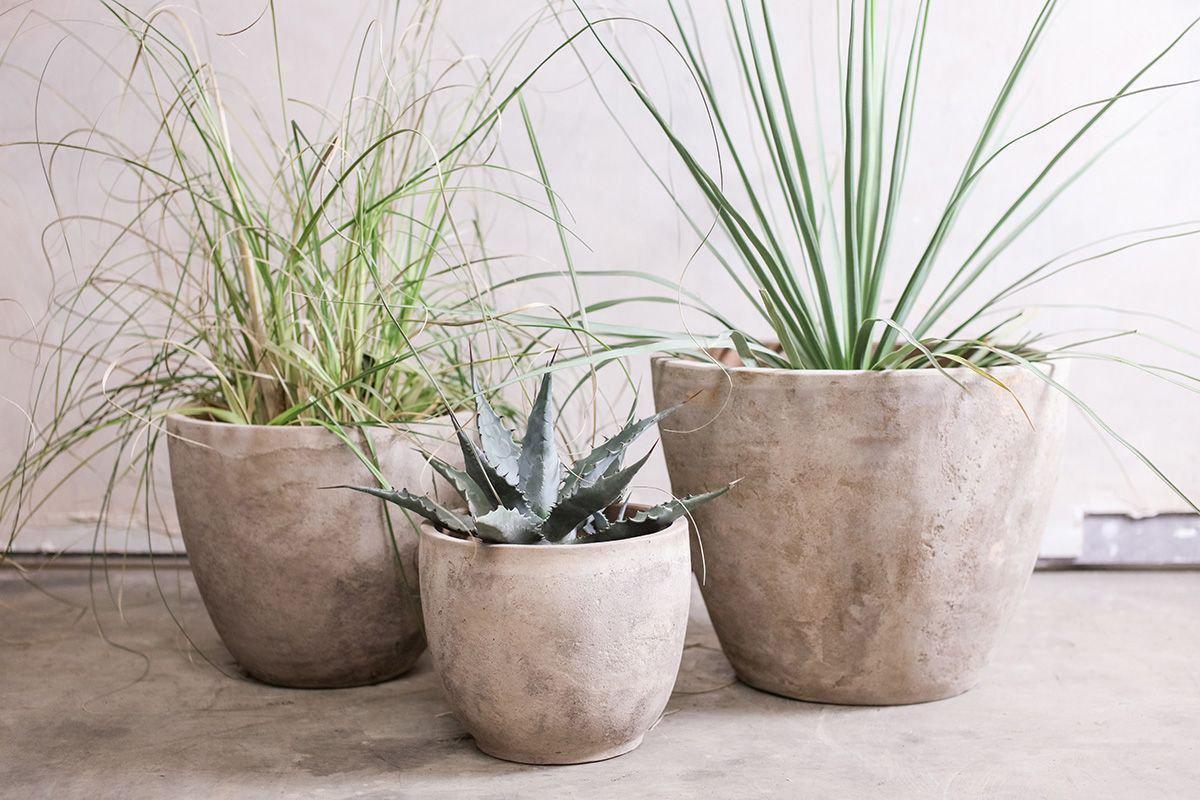
What tends to hold up with small-balcony layouts
Looking across many balconies and patios, baskets made from seagrass or natural fibres keep showing up in recommendation lists and reviewer photos. Common praise focuses on their light weight and forgiving finish: loose weave hides bumps and dents, and the texture blends in on every kind of floor. Decorators often add just one basket at first, then repeat it on other shelves once it feels right, a pattern that signals how one strong texture makes other storage choices easier. Woven pieces share this trait because they bridge the hard, soft gap between floors, pots, and seating.
, Mara, Loom & Glow
Common questions
Where does seagrass basket storage work best?
Seagrass baskets fill a gap where built-in storage is missing, especially on balconies and patios, and soften rooms that feel cold or unfinished. Look for places where other storage bins feel too harsh or busy-there’s usually a simple swap.
How do you choose the right basket size?
Pick a basket that’s big enough for the job, but not so large it blocks a walkway or shelf. Small and medium baskets work for most balcony setups, while large baskets fit best for blankets or bulkier things.
What is the difference between seagrass, water hyacinth, and rattan?
Seagrass is softer and more flexible than rattan, while water hyacinth is heavier and has a looser weave. Each material handles wear and damp differently, so pick based on use and feel.
Explore more calm combinations inside our Shop The Look .
Shop the Look
A few Nkuku baskets that sit comfortably alongside seagrass and rattan storage.
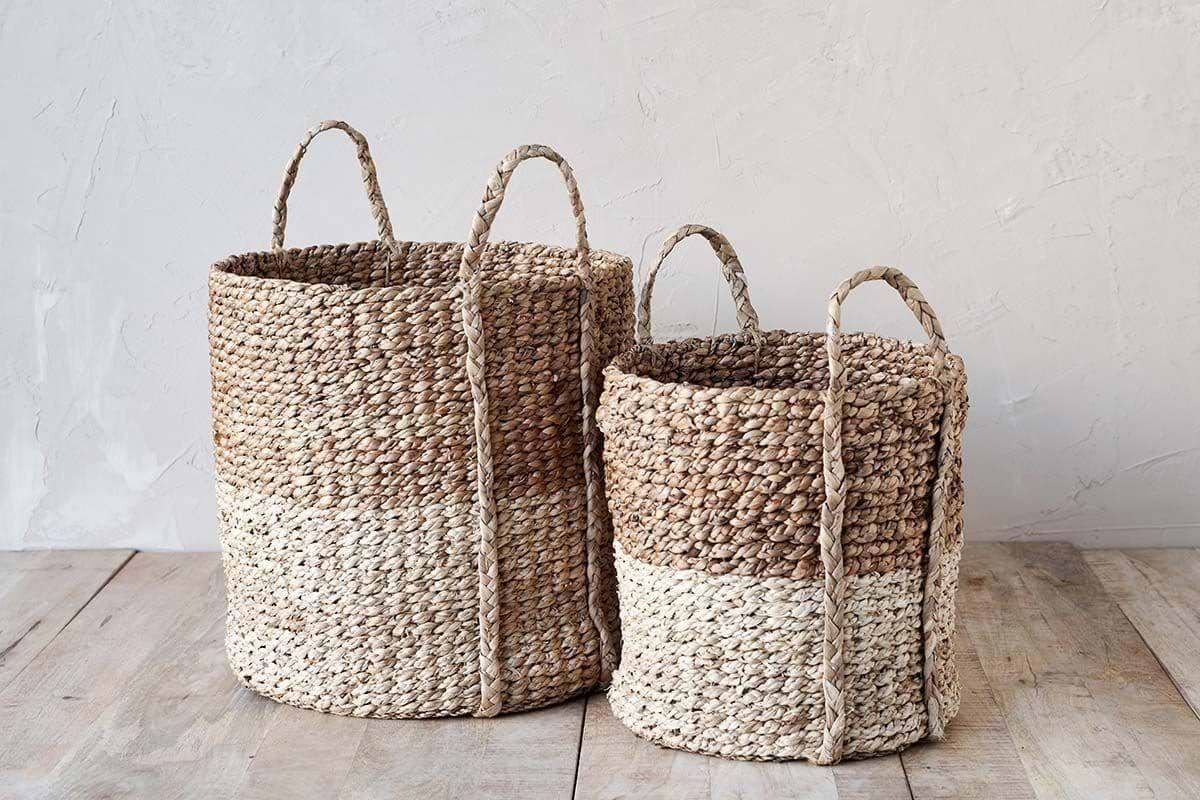
Nkomi Basket
Woven storage with a calm silhouette, works open or tucked under a console.
View at Nkuku →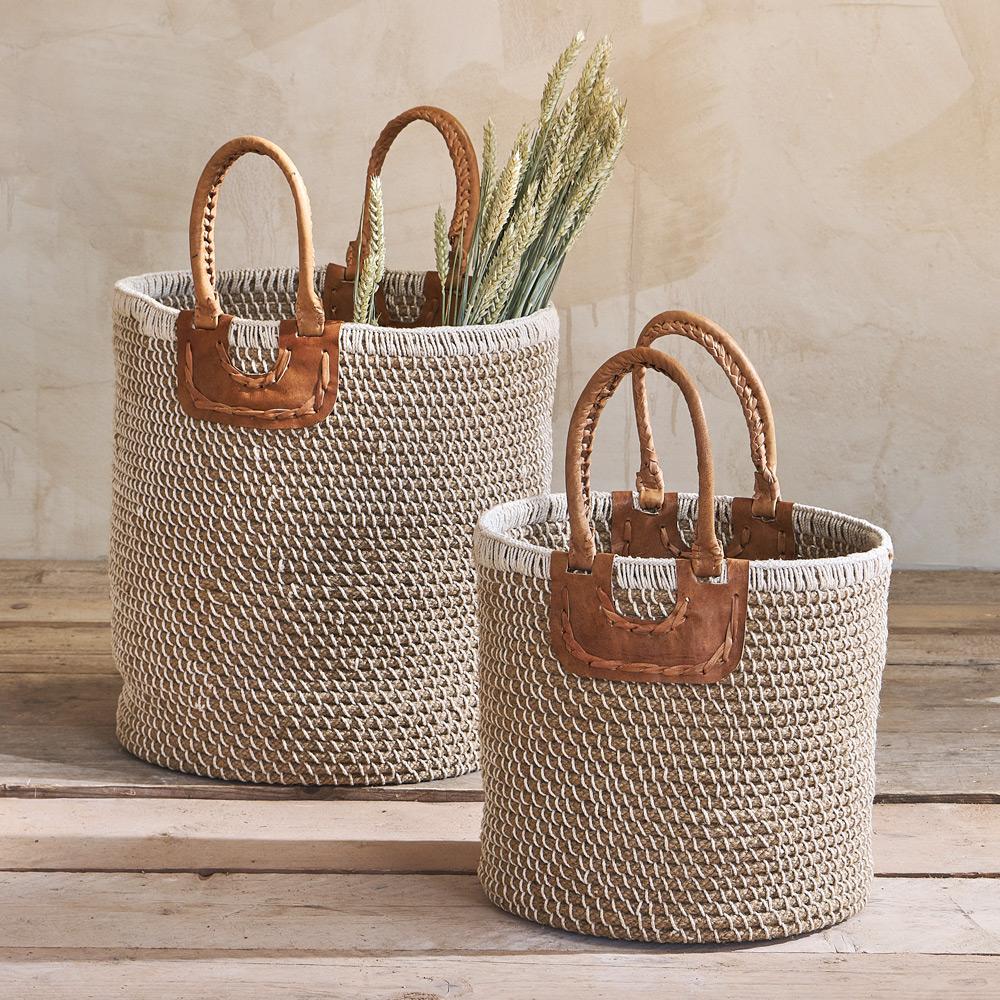
Indra Coil Basket
Natural coil weave, neat enough to leave out, large enough to hide clutter.
View at Nkuku →
Some links above are affiliate links. If you buy through them we may earn a small commission at no extra cost to you. We only suggest pieces we think fit a calm, lived-in home.
Free guide
The Calm Leaf
12 quiet ways to bring dried botanicals, stems, and natural textures into calm spaces.