

It’s easy for a small room to feel stuffy or stale, even after you tidy up. Using a room diffuser can help, but most are too strong, take up valuable space, or clash with softer decor. A glass bottle with factory-bright reeds often looks jarring next to woven textures and soft throws.
Today we’ll look at gentle ways to bring natural scent and calm design into a bedroom or living room, without heavy plug-ins, synthetic sprays, or cluttered surfaces. This works especially well for a rented flat with limited outlets when you want steady fragrance without making the air feel crowded.
The short version: A room diffuser made from ceramic or rattan offers subtle scent and fits calm interiors, especially in spaces where plug-ins or sprays feel too harsh. Choosing natural shapes and light scents makes the air feel fresh, not artificial, and keeps bedside tables and shelves looking clear and styled.
Key takeaways
- A ceramic room diffuser holds scent for longer without overpowering small spaces or clashing with natural textures.
- Reed diffusers can provide steady fragrance for months with little upkeep and work without electricity or flames.
- Choosing floral or herbal fragrances is the safest way to keep the air gentle in bedrooms, according to M&S’s diffuser listings.
- Most glass, ceramic, and rattan diffusers under 30 GBP work best when set on shelves, low sideboards, or window sills.
- Ceramic and rattan diffusers avoid the “shop-like” feeling that comes from strong synthetic fragrances or visible plastic bottles.
- What does a room diffuser actually do to a space?
- Ceramic vs rattan: which suits a calm room?
- Where this works best
- How to choose a scent family without turning the room into a shop
- Styling and placement
- How long does a diffuser last, and when do you need a refill?
- Is it safe and worthwhile to use a diffuser every day?

What does a room diffuser actually do to a space?
A room diffuser slowly releases a gentle fragrance, shifting the feel of a room from stale to fresh without using sprays or heat. Natural materials in the diffuser keep the look soft and blend into calm decor.
A small bedroom on a busy street often feels flat even after airing out. Scented sprays add a sharp blast that fades, while a plug-in looks out of place on a wood bedside table. A ceramic or rattan room diffuser sends up a low, steady touch of clean scent that doesn’t compete with soft furnishings.
Unlike candles, a reed or ceramic diffuser runs safely all day and doesn’t draw the eye with a visible flame. What changes is the air feels lighter, and the surfaces stay free from clutter, as the diffuser blends into the background.
Most homes notice the shift most after cooking or laundry, scent moves in gradually, masking old odours, and the room feels settled. Unlike using an oil burner or incense, the gentle scent throw is steady, not sudden, so it’s less likely to trigger headaches or irritate sensitive noses.
Setting a ceramic diffuser on a bookshelf or low console near the door keeps the entire room feeling fresh with hardly any effort, and the look stays consistent even with frequent use.
Ceramic vs rattan: which suits a calm room?
A ceramic room diffuser offers a matte, solid look that hides residue and works well for soft minimal rooms; rattan reed diffusers catch light and look airier, especially with woven decor nearby.
A living room with pale curtains and one or two wood details can feel chilly if you choose glass or glossy plastic diffusers. Ceramic pieces give weight and depth, they soak and then gently release essential oil, so the scent never jumps out suddenly, and the finish won’t glare back in sunlight.
Compared to ceramic, rattan reed diffusers carry less visual weight. The thin reeds soften low bookshelves or act as a subtle vertical line on a tray, which can help a low sideboard look less “built-in”. Rattan catches touch and is light in the hand, warming to the room’s tone.
Plastic reed diffusers often look mismatched against handwoven baskets and linen. Instead, a rattan or clay diffuser echoes the softness already present, helping rooms feel connected. Glass works but is best for corners with more reflective surfaces, and the occasional water spot is easy to wipe away.
| Material | Look/Texture | Best Room Use |
|---|---|---|
| Ceramic | Matte, solid, subtle texture | Small bedrooms, calm living rooms |
| Rattan | Light, airy, natural woven | Open shelves, rooms with baskets |
| Glass | Clean, shiny, visible oil level | Window sills, brighter spaces |
A calm room works best when the chosen diffuser’s material repeats a texture already in the space.
In practice, swap a plastic bottle for a small ceramic piece to soften a spot that feels too hard. Nestle a rattan reed diffuser on a coffee table with a linen runner, this change keeps the look open and scent steady.
For more on texture choices, see layering textures well as a practical next step.
Where this works best
Room diffusers fit bedrooms, living rooms and hallways, anywhere persistent scent matters more than a visual centrepiece. Choose the quietest spot away from direct air flow for a long, gentle result.
Small bedrooms that sit beside laundry baskets, or living rooms close to kitchens, pick up background smells quickly. A room diffuser behind the door or on an unused windowsill keeps the air clear, no need for a table lamp or pile of books to disguise it.
Entry halls work too, especially if you want the first step into the flat to feel finished. Set a diffuser near shoe trays or coat hooks, keeping it out of reach yet close enough for the scent to flow.
Avoid setting diffusers under ceiling fans or right next to windows that stay open. In those spots, the fragrance can disappear too quickly or become uneven, leaving some parts of the room feeling untouched while others pick up too much scent.
Using a reed or ceramic diffuser in the quiet areas away from, but not hidden behind, thick curtains lets the fragrance soak in at a gentle pace for days at a time.
How to choose a scent family without turning the room into a shop
Floral, herbal, and light woody scents blend best in calm spaces, while amber and citrus can be stronger and more obvious in smaller rooms. Stay with one main family per room.
Most UK retailers rank floral as the gentlest, most popular choice for home fragrance, M&S categorises its diffusers with floral varieties topping the list and says these are less likely to carry a chemical note. Herbal and fresh notes (think lavender, rosemary, cotton) keep sleep spaces airy and easy to wind down in.
Unlike a shop floor, layering many scent families at once can make a bedroom or reading nook feel busy or “perfumey.” Instead of placing one of each, repeat a single fragrance in places that connect visually, a living room and hallway, for instance, if doors stay open between the two.
In rooms with lots of sunlight, citrus and amber can bloom rapidly and may overwhelm a narrow hallway or box room. Woody notes can work, but lighter sandalwood or cedar is better than sharp, cologne-heavy woods.
Keep a backup bottle of the same family in a cupboard so top up is always an option; this habit keeps the experience steady, and the room never flips between too subtle and too heavy.

Styling and placement
Placing a ceramic or rattan diffuser in line with other natural textures makes the whole piece vanish into the room; letting it float alone can make it a quiet focal point.
To keep the look soft, pick up a linen tray or low wooden plate and anchor your room diffuser alongside a small clay bowl or single book. This stops the diffuser from looking stranded, and the surface doesn’t look bare.
Unlike using a glass bottle with bright liquid, a rattan basket or ceramic base fades back against a wall, working well in homes with pale or earth-toned walls. If a table or shelf feels too full, swap out one busy object and replace it with just the diffuser and a neutral runner.
Repeating similar tones, sand, clay, chalk, soft tan, keeps the arrangement from looking busy, and lets the scent quietly mark the room, not the decor. Baskets, such as the subtle Nkomi Basket, can hide small bottles or refills without adding visual clutter.
Quick calm checklist:
- Stick to stoneware, rattan, or glass for the base.
- Leave empty space on both sides, never crowd with trinkets.
- Repeat colours from throws, baskets, or curtains, keep palette simple.
- Avoid placing beside electronic chargers or plastic organisers.
- Add one buffer object (book, tray, coaster) for natural grouping.
A narrow console with a sand-coloured basket and a single diffuser is all that’s needed in a rental hallway, keeping daily function and atmosphere balanced with almost no daily effort.
For more practical styling tips, see styling a shelf for examples that connect scent and visual calm.
How long does a diffuser last, and when do you need a refill?
Most reed and ceramic diffusers last several months in a low-humidity home, and scent fades slowly, giving you time to buy a refill before it completely disappears.
A bedroom that sees gentle use and isn’t too humid usually gets steady scent from a ceramic or rattan diffuser for up to 2-3 months. The oil soaks upward and evaporates into the air; in busy rooms or near heat sources, the process moves a little faster, but gentle storage means less frequent topping up.
Compared to candles, which burn out quickly, a classic reed set provides more background scent and doesn’t require daily attention. Essential oil refills are widely available, and swapping them out is as simple as rinsing the vessel and flipping the reeds.
Most UK brands, like True Grace’s room diffusers, use refillable bottles so you can switch fragrance families by season, keeping the main vessel and replacing only the scent oil.
When the fragrance starts to feel faint, the scent will stay present for a week or two before completely vanishing, so you have plenty of notice for a top up or change, and the room never feels suddenly “off.”
Is it safe and worthwhile to use a diffuser every day?
Reed, ceramic, and rattan diffusers are safe to run daily, since they don’t use heat, flame, or electricity, and the scent is never forced into the air.
Unlike scented candles or plug-in devices, a ceramic or reed room diffuser uses only gentle evaporation. This means no risk of burns or fire, and the fragrance remains steady, not sharp. For homes with pets or small children, keeping essential oils or fragrance oils diluted and tucked onto a high shelf mitigates any risk.
If a family member is sensitive to stronger oils, sticking to herbal or floral scents avoids common reactions, according to The Guardian’s diffuser guide, reed diffusers are among the most recommended for homes with scent sensitivity, especially when the room stays ventilated.
Using a diffuser every day works best for shared spaces or rooms with limited airflow, providing a calm, welcoming background that rarely needs attention or creates cleanup. A discreet diffuser in a hallway or main room works as well for ongoing scent as it does for occasional hosting.
If you want a more layered approach, try blending a main scent in the core room and skipping scent in the smaller adjoining rooms, this avoids competing notes and keeps the experience light. For more sensory layering, see core room decor for guidance on combining elements without adding clutter.
There is a quiet moment, often after cleaning or rearranging, when a room still feels flat, especially in smaller homes. You move the cushions, clear the coffee table, yet something is missing. Air feels “clean” but not lived in, and small things, a pile of cords or a bright plastic bottle, can tip the mood toward busy instead of calm.
The shift happens when you choose one focal scent, anchor it in a vessel made of ceramic or rattan, and repeat the texture once or twice in the room. Suddenly, air feels natural, and the surfaces look finished but not staged.
Many homes crowd diffusers with too many objects, or pick shiny materials that jump out against a quiet backdrop. This usually makes the room restless and fussy. Counter surfaces end up full, fragrance jumps from weak to overwhelming, and simple chores, like dusting or topping up the oil, become more work than ease. There’s a subtler way.
Once you swap in a natural room diffuser and strip back surrounding clutter, the space feels more open, scent lingers naturally, and the room’s look ties together without extra effort.
Save this idea for later.

What tends to hold up with room diffusers in calm homes
One thing that consistently stands out in rooms styled for calm is the use of matte, natural materials that keep surfaces quiet, ceramic and rattan are favourites because they don’t reflect light, and the scent feels less forced. Reviewers often note that scent feels intrusive when the vessel looks synthetic or too shiny, while simple shapes age well and adapt easily to changes in decor. Most decorators suggest repeating textures, like a linen curtain with a rattan diffuser or a wool cushion with stoneware, to keep the space from becoming restless after small changes over time.
, Mara, Loom & Glow
Common questions
Is it good to put a diffuser in a room?
Putting a diffuser in a room brings a gentle, lasting fragrance without the sharpness of sprays or inconvenience of candles. Compared to plug-ins or artificial options, ceramic and reed diffusers are subtle and blend well into most home styles. They make the air feel fresh and are set-and-forget.
Are diffusers safe for your lungs?
Room diffusers using essential oils or fragrance oils are safe when used with proper ventilation and not run continuously in tight spaces. They don’t burn or emit smoke and, according to health sources, are gentler on lungs than strong aerosols. Always dilute oils and avoid direct inhalation if sensitive.
What kind of room diffuser is best?
The best room diffuser for calm spaces is often a ceramic or rattan reed style, as these release scent steadily without dominating. Choose one that matches your existing textures and fits your scent preference, floral for bedrooms, woody for open-plan lounges. Electric models are less subtle but offer more control.
What does a room diffuser actually do?
A room diffuser distributes gentle fragrance into the air over time without sprays, flames, or plugs. The main job is to keep a space smelling clean and fresh with little effort. Reed and ceramic diffusers do this quietly, letting rooms stay free from haze or artificial perfume.
Explore more calm combinations inside our Shop The Look .
Shop the Look
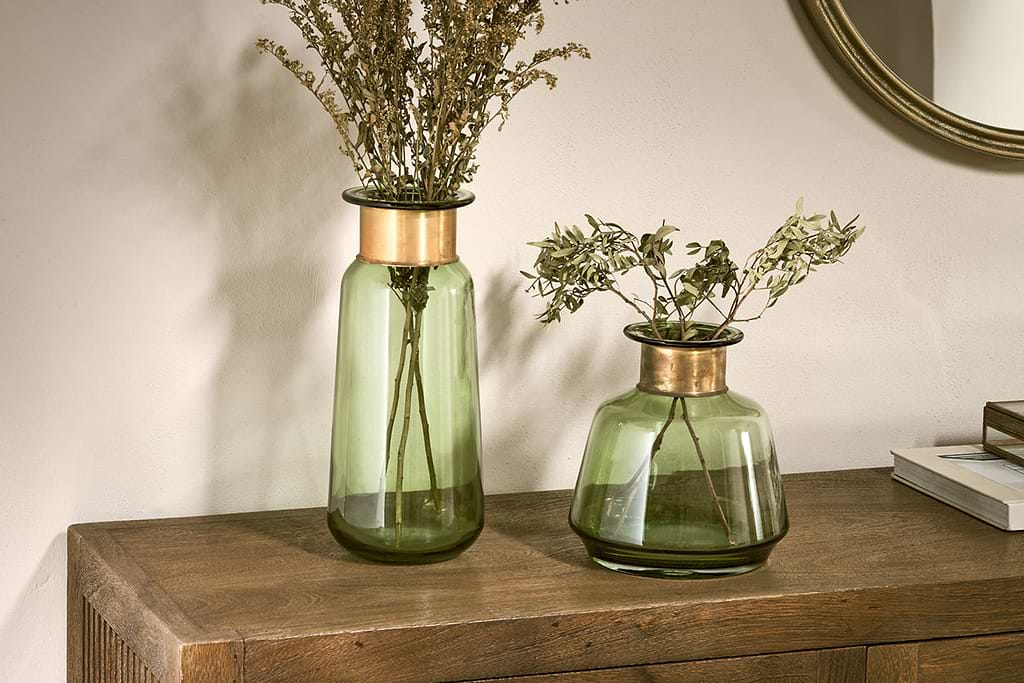
A few quiet vessels that work beautifully with reed diffusers and candlelit corners.
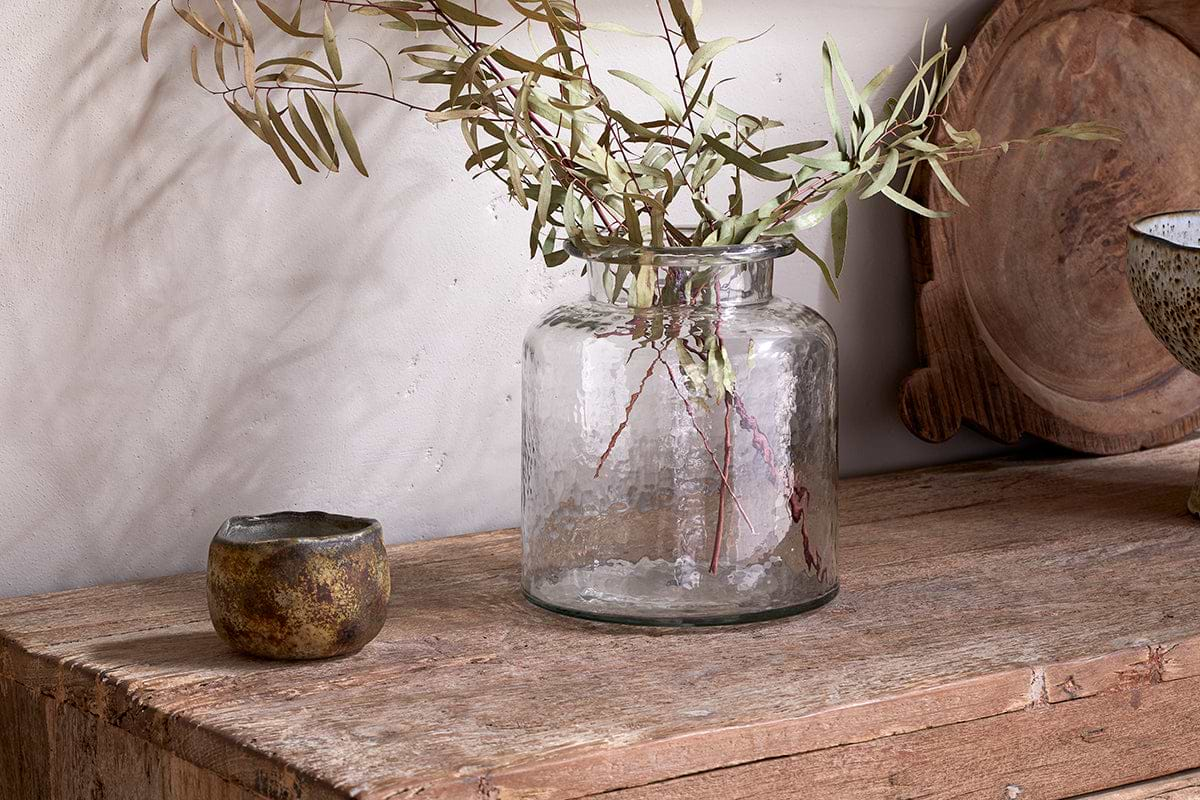
Akra Recycled Glass Vase
Clear cylindrical glass, pairs with stems or sits empty as a quiet accent.
View at Nkuku →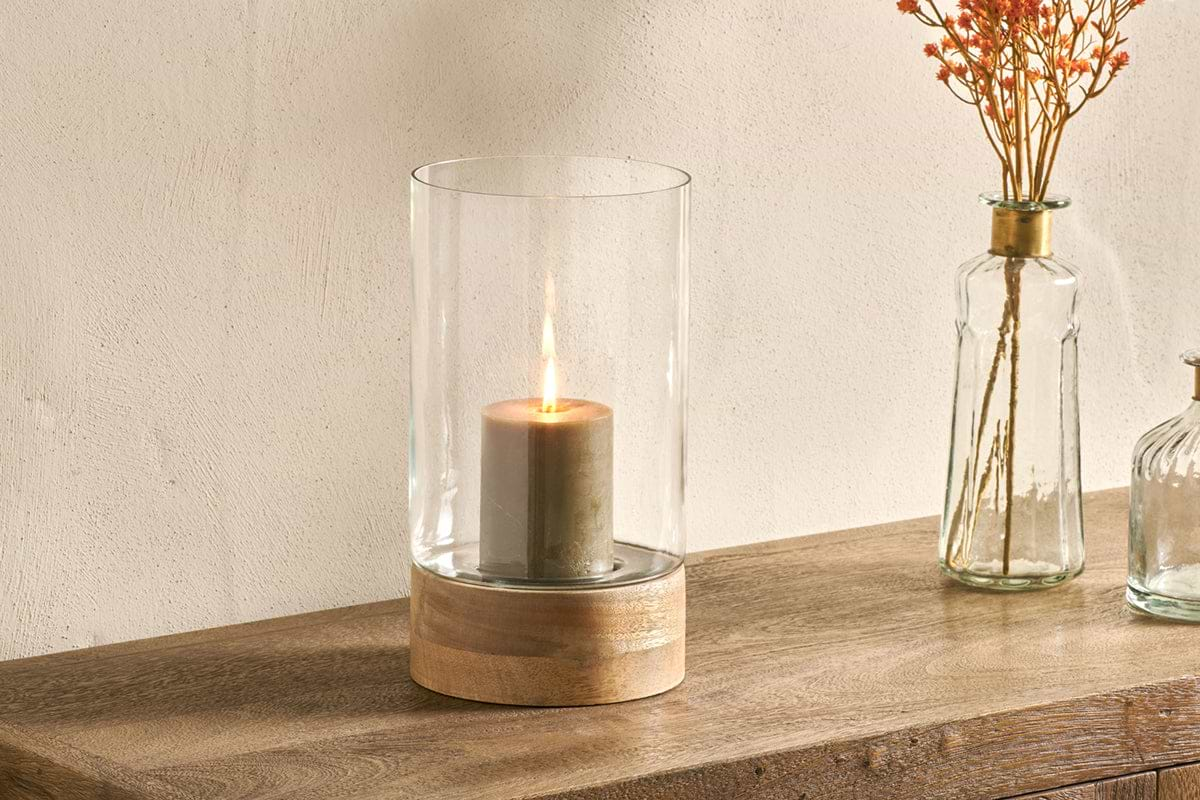
Idha Hurricane Lantern
Straight-sided glass, for candles indoors or sheltered patios.
View at Nkuku →Some links above are affiliate links. If you buy through them we may earn a small commission at no extra cost to you. We only suggest pieces we think fit a calm, lived-in home.
Free guide
The Calm Shelf
12 styling ideas to help you compose calm, balanced shelves in natural texture homes.