

Hanging anything on plasterboard brings worry. Whether you rent or own, punching holes in fragile walls with standard hooks often ends in crumbling surfaces or rules broken. Plasterboard wall hooks promise a gentle fix, but not every kind holds up under real weight or leaves the wall safe when you move out.
Today you’ll get a practical method for displaying art, mirrors, or even lightweight shelving, without crumbling plasterboard or risking your lease. You’ll see which hooks work, how to place them, and when to use each. This works especially well in small apartments when the landlord’s rules limit drilling because these hooks leave the lightest mark and spread the load gently.
The short version: Plasterboard wall hooks are the safest, most rental-friendly way to hang decor without damaging weak drywall or breaking lease terms. With the right hook, you can display art, frames, or mirrors securely and remove them later with hardly a trace.
Key takeaways
- A plasterboard wall hook spreads weight over a wider area to reduce risk of cracks or holes.
- No-drill, claw-style hooks need no wall stud and work for most rentals, according to 3M CLAW’s official site.
- Picture screws for plasterboard are sold in packs for everyday hanging needs, typically for photos and lightweight mirrors.
- Push-in and hammer-fit hooks suit art and frames, but heavy items require anchors or toggle bolts.
- Always check the weight rating on any plasterboard fixing, not just the style or brand.

The problem with hanging things on plasterboard
Plasterboard walls are weak under pressure and crumble easily if standard nails or screws are used for hanging. Without the right hook, objects may fall, and repairs are costly.
A bedroom with freshly painted walls feels calm until the first framed photo hangs loosely or leaves cracks behind. Standard hooks push into the delicate plasterboard, sometimes breaking the surface completely. Renters especially notice the issue, since most tenancy contracts warn against large holes or wall damage.
A busy hallway may look unfinished when nothing is hung, but rushing to use regular picture hooks can leave marks that are tough to patch. Drywall doesn’t support much weight except where there’s a stud, making even lightweight frames a risk if fixed incorrectly.
Compared to traditional solid brick, plasterboard is less forgiving: a single misplaced screw can crumble the board, leaving a permanent dent. Choosing the correct wall hook changes how you use the space and what you display there.
If you need to hang prints or light mirrors in a high-traffic area, plasterboard wall hooks mean less risk and far cleaner removal. Place a trusted hook where you want art or a gallery wall, the wall holds, and you get to keep your deposit.
Why do regular hooks fail on plasterboard?
Most regular hooks use a small nail or screw, which can rip through plasterboard’s paper surface and create more damage than support. Special hooks spread weight over a larger area for safety.
Kitchens often have little wall space, but a lightweight utensil rack or small art print can make a difference. Ordinary nails or screws seem quick, yet they dig into the brittle surface and can work loose after weeks or months. That’s when you’ll see sudden shifting or hear a crash.
Unlike wood or masonry, plasterboard feels soft under pressure. Pulling on one spot tugs at the board’s thin structure. Over time, this leads to bigger holes, making repairs much harder than filling a pinprick nail hole in solid wall. Plasterboard wall hooks stop this by distributing the load, making a heavy item less likely to rip out.
Some hooks depend on a stud behind the wall for their strength, a feature most homes don’t have in every spot. If you guess wrong and miss the stud, your decorative plans fall through. Using a purpose-built plasterboard hook prevents this scenario.
Put up a print in a small kitchen using a hook made for drywall. The print stays in place, and you avoid the dropped frame or torn wall common with regular fixings.
Types of plasterboard wall hooks (and which to choose)
Different plasterboard wall hooks suit different loads: push-in, hammer-fit, and no-drill claw hooks work for lighter decor, while screw-in anchors or toggle bolts support heavier pieces.
An entryway often calls for a slim mirror or a small shelf for keys. Not all hooks are equal, push-in and hammer-fit styles install simply by hand or with light taps, holding lightweight picture frames or clocks. Some of these, like those described as 7kg drywall picture hooks, are designed for plasterboard and other softer wall surfaces and can be seen here.
Screw-in plasterboard anchors twist into the wall. They handle more weight and work for medium-sized shelves or framed art. Heavy-duty claw-style hooks, like the 3M CLAW™, press in with no tools or drilling. According to 3M CLAW™, these do not require studs and are fully removable.
For large mirrors or wide shelves, toggle bolts and specialist mirror fixings anchor into the board and expand behind. Heavy-duty mirror fixings are made just for thick glass or bigger frames, which need a solid hold, such as those shown here.
| Type | Best For | Application |
|---|---|---|
| Push-in/Hammer-fit | Art prints, clocks | Quick tap or push, light loads |
| Screw-in anchor | Medium frames, shelves | Twist into wall, more secure |
| Claw/no-drill hook | Most rentals, everyday use | No tools, spreads load |
| Toggle bolt/mirror fixing | Heavy mirrors, large shelves | Anchors behind wall, high weight |
Adding a framed print or shelf is simple once you check what each hook supports. Pick a style that matches your object’s bulk, not just its looks, so the wall stays safe and the item stable.
How to choose the right hook for your decor
Select a plasterboard wall hook based on your item’s actual weight, the wall’s strength, and where the hook will sit, don’t guess based on size or shape alone.
In a shared living room with both rented and owned furniture, the urge to hang a statement mirror is strong, but misjudging the hook means risking wall or item damage. Always look at the packaging’s weight limit, not just the box art. The safest route is to weigh your item if possible and choose the hook type with a weight limit that matches or exceeds it.
Surface area matters more than most people think. A hook that claws or spreads across more plasterboard makes a dent less likely than a single nail point. Unlike hooks meant for brick, most drywall fixtures are deliberately wide or anchor behind the board to avoid localised pressure.
Finish also shifts the mood. Bright chrome hooks pop visually and can look out of place against soft textiles, while white or brass blends naturally into pale walls or among small space decor. Select a discreet hook in a finish that lets your frame or object take centre stage.
If you prefer a gallery wall, stagger your hooks and avoid clustering heavy items close together. Each hook will do its job better if it isn’t overloaded, and the wall stays clean and easy to maintain.

Where this works best
Plasterboard wall hooks are best used in living rooms, bedrooms, and hallways where drilling isn’t allowed and the surfaces are thin or soft.
Entryways with high traffic or apartments with fragile walls benefit most. Hooks designed for plasterboard suit settings with restriction, shared walls, limited lease terms, or lacking access to a solid wall stud. Lightweight picture frames, clocks, and delicate mirrors do well on these surfaces. Heavier objects, like a full length wall mirror, still need extra care, but specialist heavy-duty fixings make this possible even without solid backing.
In a busy hallway, lightweight hooks hold everyday decor, family photos, a seasonal wreath, or even a key tray shelf. Bedrooms lend themselves to floating art or occasional hooks for jewelry and hats, while the living area keeps shelves and hanging plants from feeling temporary.
Avoid using these hooks near high-moisture areas, like above stoves or next to bathroom showers, where repeated exposure can weaken the board facing. Overloading a plasterboard hook leads to pulling, especially on older or previously patched walls.
Hang an art print or the decorative wall shelves in a hallway: the wall stays tidy, and the space doesn’t lose function or break house rules.
Styling and placement
Keep arrangement simple by letting one larger piece lead the eye, spacing hooks so items don’t compete, and matching materials for a settled look.
Gallery walls often tempt busy pattern, the trick is restraint. Centering one main frame and casually grouping smaller pieces around it gives the view a clear focus. A bare wall with only small hooks can look scattered, while too much grouped decor feels cluttered.
Matching hardware to room textures, like brass hooks with linen curtains or pale wood fixings beside muted ceramics, grounds each area. Plasterboard wall hooks in natural metal or soft-coated finishes don’t draw attention from your decor and help art feel fitted rather than temporary.
Unlike heavily seeded arrangements, a clear focal point eases the eye and helps a small room feel calm. If you place hooks too close or overload one wall, the result is cramped, not cohesive. A well-placed hook gives each object enough air, and the palette stays soft, especially in low-light or small apartments.
Quick calm checklist:
- Lay out all art/items on the floor first to test spacing.
- Pick one anchor piece per wall; let smaller items fill around it.
- Stick to two or three finishes, brass, matte white, or natural wood, and repeat textures where possible.
- Leave breathing room between hooks, so decor doesn’t crowd.
- Avoid placing heavy objects above beds or seats when using plasterboard hooks only.
Hang the Kiko Brass Frame above a dresser with a single neat hook. This draws attention without making the wall busy or vulnerable to sagging.
Step-by-step: installing a plasterboard hook safely
To install a plasterboard wall hook, select the right type for your item, mark the spot, press or screw in gently, and test with a light pull before committing weight.
A calm, early evening is a good time to plan the spot, mark a faint pencil dot, then check behind with a stud finder just in case, as described in finding wall studs. For push-in or hammer-fit hooks, hold the base flat to the wall and press or tap until secure: the wide base grips better than a normal nail, so the plasterboard doesn’t crumble. With screw-in anchors, twist smoothly, avoiding sharp turns that dig up the board surface.
With no-drill claw hooks, line up the arms or tines flat, press firmly until they seat within the skin of the drywall, and give a gentle tug to check. Heavy-duty mirror fixings have broader wings or toggles that fold behind the board, set these fully before adding a load. Most wall experts recommend limiting each hook to its stated maximum; this is usually marked clearly on the packaging or in product guides online.
Unlike hammering straight into brick, slow, smooth pressure helps here. If the wall seems to buckle or the hook twists, pause and recenter. Don’t force, and never hang a valuable or sentimental piece before testing. A well-installed hook won’t shift or make the board flex when lightly pulled.
Once installed, hang your art or shelf and step back. The piece should sit flat and steady, not tilting, and the wall should feel unchanged to the touch. Take a moment to check overall placement; lowering or raising is easy with minimal wall marks left behind.
There’s often a point when a gallery wall nearly comes together but feels unsettled. It might be a few small drill marks, or a shelf that dips over time. Doubt rises: is this secure, or am I risking a repair bill?
That’s the signal to anchor one element, a frame, a shelf, a mirror, with a plasterboard wall hook made for the job. This single, focused choice does more than hold weight: it keeps your setup flexible and lets you shift decor without leaving messy scars behind. Rooms settle, and calm returns.
Save this idea for later.

What tends to hold up with damage-free hanging on plasterboard
Across homes, two patterns stand out. Most reviewers say no-drill claw hooks and purpose-made push-in options truly solve the weak wall problem, especially in rentals where lease clauses matter. Decorators often mention one key rule: a plasterboard wall hook works best when the load is spread wide, never concentrated on a single point.
Matte or metal-coated hooks fade into busy rooms better than shiny finishes, which pull the eye and can look temporary. Tenants and owners alike value the clean removal these hooks allow; patching is rare and nothing feels “off” when moving or redecorating.
, Mara, Loom & Glow
Common questions
What is the best type of hook for plasterboard?
The best hook for plasterboard is a specially designed plasterboard wall hook, such as a claw-style or screw-in anchor. These spread the load better than regular hooks. No-drill options like 3M CLAW™ are popular because they’re renter-friendly and avoid cracking or crumbling the wall.
How do you safely hang a heavy item on a plasterboard wall?
To safely hang a heavy item on plasterboard, use specialist anchors, toggle bolts, or heavy-duty mirror fixings made for high weights. These fixings grip behind the wall so weight doesn’t pull just on the surface. Always check weight rating and anchor type for each item you hang.
What are the most secure fixings for pictures on plasterboard?
The most secure fixings for pictures on plasterboard are screw-in anchors or no-drill claw hooks, which are designed to hold steady without studs. These hooks resist loosening or popping through the drywall, even over time. Always select a fixing matched to the weight of your picture for best results.
What is the correct way to hang a picture on a plasterboard wall?
The correct way to hang a picture on plasterboard is to use a push-in, screw-in, or claw hook rated for the item’s weight. Mark the spot, press or twist the hook gently, and test the hold before hanging your picture. This prevents wall damage and makes repositioning easier later.
Explore more calm combinations inside our Shop The Look .
Shop the Look
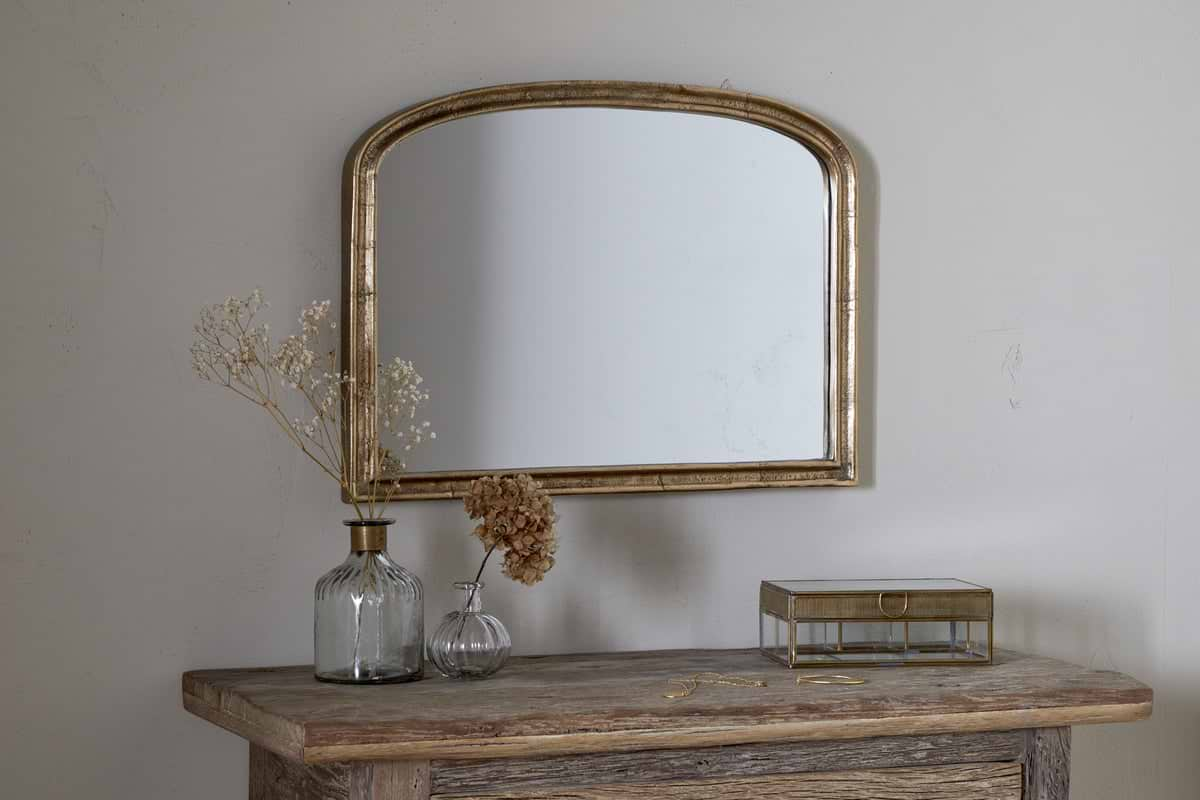
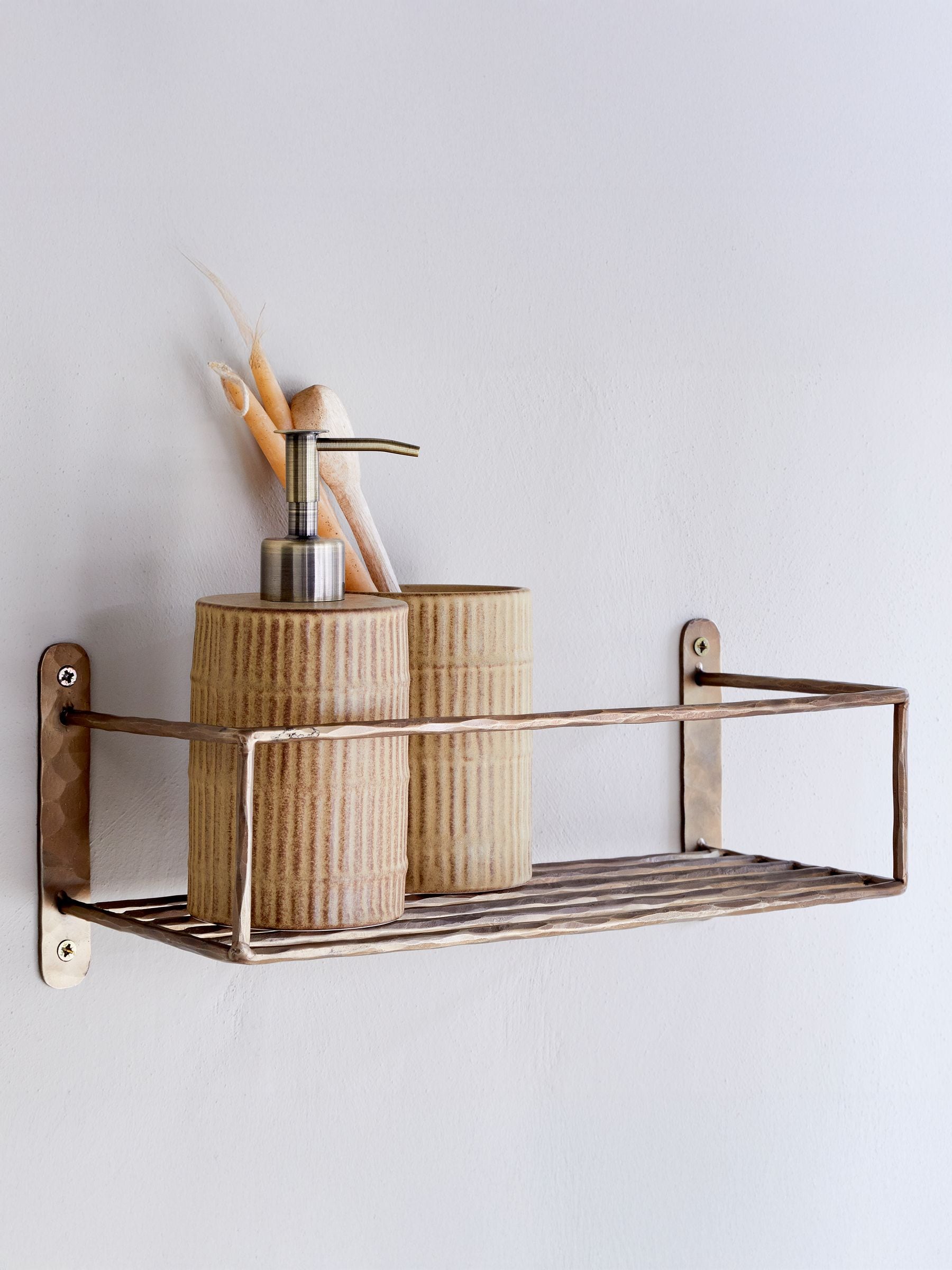
A couple of Nkuku accents that work well once your walls are dressed.
Some links above are affiliate links. If you buy through them we may earn a small commission at no extra cost to you. We only suggest pieces we think fit a calm, lived-in home.
Free guide
The Calm Shelf
12 styling ideas to help you compose calm, balanced shelves in natural texture homes.