

Outdoor spaces can easily end up feeling forgotten—balcony floors covered by random storage, patio corners filled with old planters, nowhere to sit that actually feels inviting. Rental rules and limited budgets add to the frustration: no painting, no drilling, and usually no big statement pieces that would make it all feel “done.”
This guide sorts through simple patio decor ideas that make any outdoor nook—small or large, owned or rented—feel like a calm place to spend time year-round. You’ll find what to skip, where to start, and a handful of product types that shape the space with the right kind of comfort. This works especially well for a rental balcony when floor space is tight because flexible pieces and a focused palette make the most of every inch.
The short version: Treat your balcony or patio like an indoor room—edit clutter, anchor with one chair or rug, and use natural-fiber accents for warmth. A few key changes—like a small table, a solid seat, and a plant—turn even the smallest outdoor spot into something you’ll actually use.

Where this works best
Patio decor ideas work best in overlooked outdoor corners—small balconies, apartment patios, or porches that stay unused because they feel awkward or unfinished.
Spaces that never feel “ready”—a narrow balcony, low-privacy ground-level patio, or the area outside a backdoor—are exactly where these principles come in useful. Rental patios, where you can’t change the floor or paint, often end up looking plain or temporary, but a few small changes make them feel settled.
Try adding one compact seat and a small side table. Most people avoid sitting outside when the only options are folding chairs or leftover indoor stools. Using a light but solid chair (metal or woven works), a weather-strong rug in a natural tone, and one potted plant helps signal this is a spot you can use daily.
Avoid mixing too many colors or bringing out every extra chair at once. An outdoor space reads disjointed if every piece comes from a different style era or set. Pulling together a small number of pieces in similar tones is the difference between a space you pass by and one you stay to enjoy.
How do you turn a balcony or patio into a calm retreat?
Clear out clutter, add a stable seat, and repeat a simple palette. This makes any balcony or patio feel intentional and calm, not like a storage extension.
Balconies stacked with empty planters, forgotten decor, or unused sports gear feel uninviting. The first step is to remove extra items—even a small space reads larger when you clear the floor and give each item some room.
Once the space is open, add one key anchor: usually a comfortable chair. Metal bistro chairs work well outdoors, are light enough for easy moving, and look cleaner than most folding chairs. Place a small side table next to it, or use an oversized pot with a flat surface as a table.
Repeating a soft base color—like taupe or dark green—helps even an awkward-shaped patio feel complete. A good visual contrast: a bare concrete balcony feels colder than one finished with a woven outdoor rug and a single clay planter.
What furniture do you really need for a relaxing outdoor space?
One solid seat, a small weather-friendly table, and a rug or mat are enough to make most patios usable and inviting. Extras like lanterns or cushions build comfort slowly.
A compact metal chair, such as the Parwaha Iron Bistro Chair, works for both sitting and reading, and stands up to rain better than wood in most climates. You can stack or move them easily, which suits small layouts and renter needs. A low round table—about coffee height—lets you keep a book, drink, or breakfast plate close by.
Adding a rug, even a flatwoven one, helps the space feel softer underfoot and cuts the echo of hard tile or concrete. Avoid heavy armchairs or sofas unless you have a protected porch, as these crowd out other uses. A light outdoor blanket or throw is helpful for cooler evenings and adds texture without creating clutter.
Unlike a blank patio with scattered plastic furniture, this setup creates a deliberate place to sit and use, rather than just pass through. A single anchor chair against a woven rug looks grounded, while too many mismatched items make the area harder to use.
Styling and placement
Group seating and decor close together, limit the color palette, and give each item enough space to “breathe” so the patio looks clean, not busy.
Arranging pieces tightly—one chair with a side table, a rug underneath—makes a small patio feel like a real room instead of an empty slab. Stick to two or three main shades so nothing jumps out of place. Neutral colors and soft greens look especially natural outdoors.
A round table breaks up the straight lines of balcony railings, while a rectangular mat anchors the overall layout. If you add planters, place them in one corner or line them along an edge rather than dotting them randomly. Grouping pieces gives the eye somewhere to rest and helps the space read as calm, not random.
Avoid placing furniture in the middle of a small balcony; it blocks access and highlights limited floor area. Keeping the main seat and table to one side or tucked against a wall leaves clear space to walk through. A patio set with matching chairs looks tidy, while mixed shapes can make the area feel smaller than it is.
Quick calm checklist:
- Choose natural-fiber rugs and outdoor-proof textiles (jute, linen, or poly blends).
- Limit your accents to two colors and one contrast (like a black lamp or a matte-finish planter).
- Leave open floor space near the entry so nothing blocks movement.
- Repeat one texture—such as woven baskets or clay pots—rather than mixing every material.

How can you add warmth without clutter?
Use one or two large planters, a textured rug, or a neutral cushion. Avoid stacking lots of small items, which makes the outdoor space feel heavy instead of cozy.
Plants add life, but too many little pots take over and block pathways. One larger planter with a leafy plant, or a group of three at different heights, softens corners without looking crowded. For color, a single throw pillow in a washable fabric makes a bigger difference than a pile of smaller ones.
Rugs made for outdoor use—especially in sand, slate, or faded green—hide dirt better than lighter colors and give the floor some softness underfoot. A weathered clay or stoneplant pot looks more relaxed than several brightly-painted smaller pots. Choosing bigger accents makes cleaning easier and reduces visual mess.
Compared to outdoor spaces full of trinkets or tiny objects, this approach keeps the balcony clear but warm enough for comfort. A single woven lantern on the table works better than lining up a whole row of candles.
What are the best materials for outdoor calm?
Metal, terracotta, and woven fibers like jute or poly-rattan stand up to the weather, feel stable, and bring pleasant texture. Plastics often look flatter and less inviting outdoors.
Metal chairs (especially powder-coated) resist rain and sun better than untreated wood. The Parwaha Iron Bistro Chair, for example, stays cool and is easy to clean—key for spaces without much shelter. Terracotta planters and stone bowls bring quiet color and do not reflect as much light as glazed or plastic pots.
Outdoor rugs made from poly blends or classic plant fibers last longer than pure cotton options. A rug helps define the space, while a natural-fiber runner feels warm underfoot without keeping water trapped. Textiles like linen soften harsh edges but dry quickly if damp.
Unlike painted plastics, which fade and can crack, these materials hold up season after season, and their finish stays natural even as they age. A jute mat and a matte clay pot look comfortable together, while a bright plastic table or bench can make the whole spot feel out of place.
How do you design for small patios or balconies?
Keep the layout simple—two seats at most, a small rug, and one table. Store extras inside and focus on keeping open floor space to move around.
In small spaces, every item needs to earn its place. A narrow balcony works better with a bistro table that folds or nests, and stools instead of bulky chairs. Many apartments use inexpensive deck tiles or roll-out mats (commonly available in home stores), which help define an “area” without committing to a full flooring change.
Adding wall-mounted planters or railing flower boxes (small balcony ideas that feel like a calm outdoor room) frees up the floor and brings green above eye level. Most renters skip outdoor lighting, but a single plug-in lantern or battery fairy lights make a huge difference in evening use (balcony lighting ideas that feel warm at night).
Unlike cramming in extra seating, which makes a tiny patio feel smaller and harder to clean, this approach prioritizes space and ease. A folding chair and nested table can be placed out of the way when not needed, keeping the area neat and flexible for different uses.
What tends to hold up with small-balcony layouts
Spaces that work well share certain patterns: reviewers notice that keeping furniture flexible—folding chairs, stackable tables—makes outdoor rooms easier to use for everything from reading to dinner. Decorators highlight that matte or woven textures (such as jute rugs and ceramic planters) hide weathering better outdoors, especially near railings or under low morning light.
One observation comes up often: a simple color scheme—two main tones, one accent—makes even a very small balcony feel organized and less crowded. Adding too many decor pieces, or using lots of little pots and throw pillows, quickly breaks up space and adds cleaning work over time.
— Mara, Loom & Glow
Common questions
What furniture is essential for making a small patio feel inviting?
One solid seat, a small weather-friendly table, and a rug or mat are enough to make most patios usable and inviting.
How can rented patios feel more finished without permanent changes?
Rental patios, where you can’t change the floor or paint, often end up looking plain or temporary, but a few small changes make them feel settled.
What is the best way to arrange furniture on a small balcony?
Avoid placing furniture in the middle of a small balcony; it blocks access and highlights limited floor area.
Explore more calm combinations inside our Shop The Look .
Shop the Look
Outdoor pieces that create a calm patio space you'll use through the seasons.

Parwaha Marble Bistro Table
Off-white marble with brass-coloured iron legs — small balcony, big presence.
View at Nkuku →
Parwaha Iron Bistro Chair
Distressed iron with curved oval back — pairs with the bistro table or stands alone.
View at Nkuku →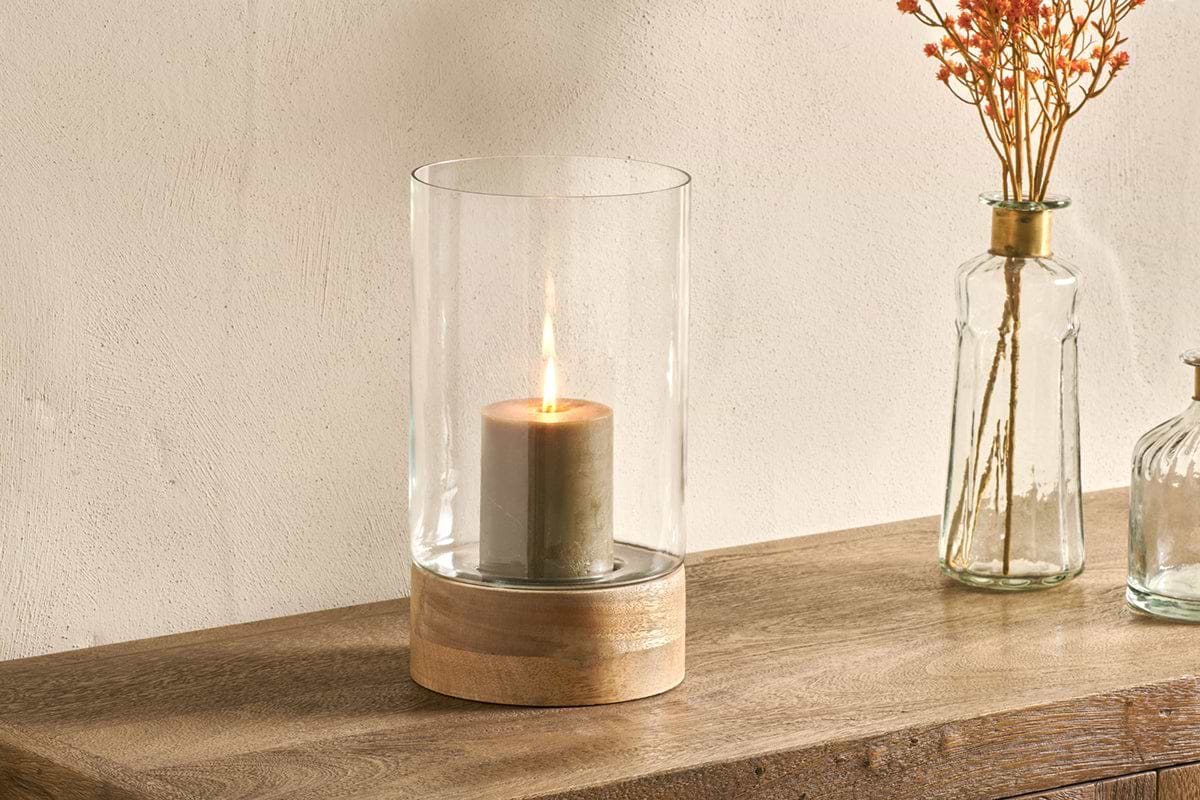
Idha Hurricane Lantern
Straight-sided glass — for candles indoors or sheltered patios.
View at Nkuku →Some links above are affiliate links. If you buy through them we may earn a small commission at no extra cost to you. We only suggest pieces we think fit a calm, lived-in home.
Free guide
The Calm Leaf
12 quiet ways to bring dried botanicals, stems, and natural textures into calm spaces.