

Small outdoor spaces can become a calm extension of your home with careful choices. This guide offers ways to fit small garden furniture into a narrow area without making it feel crowded.
Every piece is chosen to add a sense of calm and ease. The ideas shared here work well on modest budgets and help a small balcony or patio feel truly finished.
The short version: A few thoughtful pieces can change a space. Simple design decisions lead to a calm, inviting outdoor room.

Choosing the Right Pieces
Solid wood chairs and a small metal table help define your space. Choosing the proper fabric and finishes can bring a cosy feel.
The first step is to select pieces that do not overwhelm a narrow outdoor area. Look for items that have clean lines and a light feel. A wooden bench with gentle curves can work well on a small patio. If a moulded metal stool is paired with a light cushion, the area feels more thoughtful.
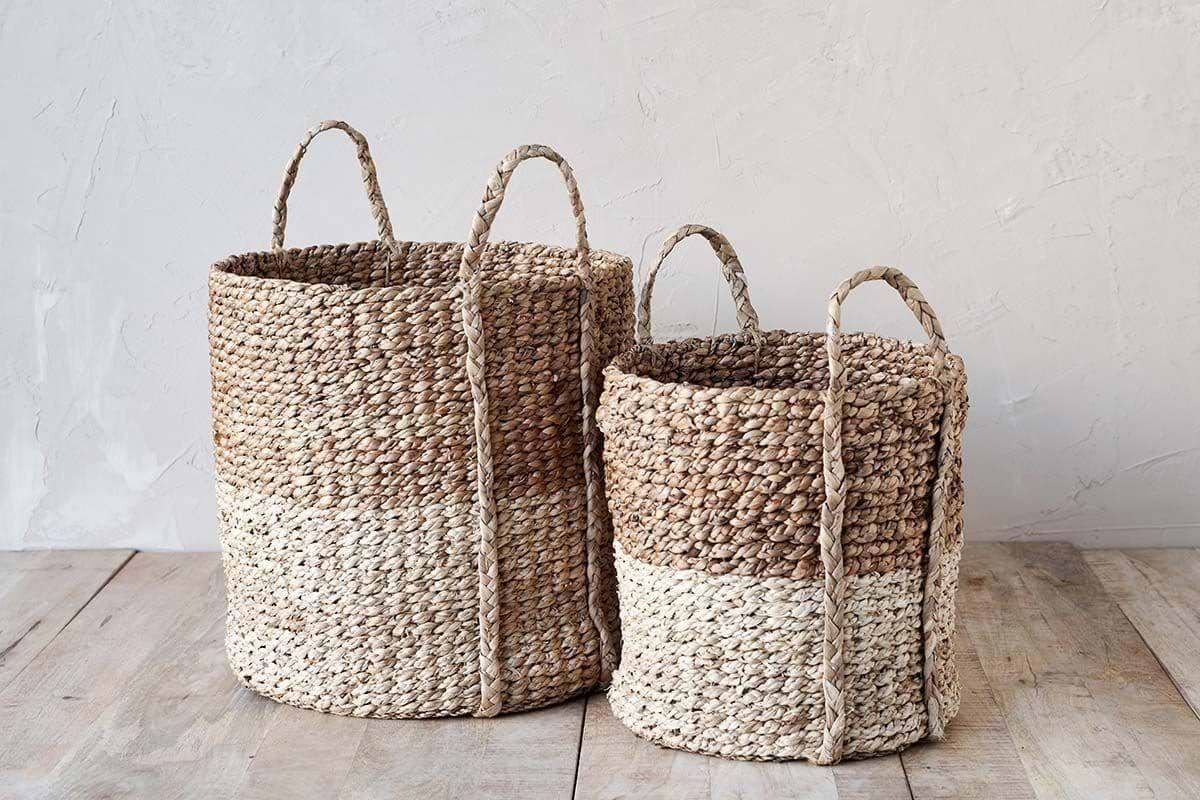
A tidy basket made from jute or wicker, for instance, can hold cushions or blankets and does not add extra bulk. One of my evenings involved rearranging a few pieces, and the space felt refreshed as I moved items from one corner to another. Using a neutral palette makes it easier for the room to blend together. The natural wood finish serves to soften the feel of heavy modern materials.
Using lighter, well-chosen furnishings adds openness, and the space feels more connected. A view of a neighbour’s garden slightly contrasts with the dedicated space you have. This choice works because softer materials pull the eye and reduce visual clutter.
Assessing Your Small Garden Furniture
A sturdy bench and table are key to a balanced space. Assessing each object’s size and material ensures the area does not feel overwhelming.
Before making any changes, check your current pieces and see how they fit into your outdoor room. Many find that weathered metal or natural wood gives the area a fresh look. The practical nature of small garden furniture can blend seamlessly with indoor decor if balanced properly.
When you sit on a bench, it is important that the seating feels inviting rather than heavy. A faded cushion or a well-used throw softens the overall feel. One practical tip is to mix textures like linen and wicker to help the area seem more planned and cared for, as seen in suggestions on small balcony ideas. This works because lighter objects allow more eye space, even in a compact area.
Every piece of small garden furniture must be examined for size, finish, and comfort. A mismatched set can break the flow of calm home decor. In contrast, pieces with a similar finish feel naturally integrated.
Where this works best
Wooden bench and wicker chair suit compact spaces. The focus is on proper placement and scale in different types of outdoor settings.
This design works well in balconies, patios, and even narrow garden corners. When the space is used as an extra room, a carefully selected chair or table becomes a focal point. If you arrange seating poorly, then the space feels cramped. The arrangement matters because every piece should create a welcoming feel.
Avoid cluttered areas by keeping decorations to a minimum. A tightly packed balcony may turn into a storage area rather than a place to relax. Homeowners often shift a few cushions and add a small planter. One clear cause-effect here is that a cleaner space leads to a quieter mind. The subtle difference in the arrangement of items is noticeable compared to a hurried setup.
Designing with Minimal Garden Furniture
A single stool or small table made of light metal makes a difference. Focusing on minimal garden furniture keeps the room uncluttered and neat.
Keep the number of items few but meaningful. A small table paired with complementary seating can help the area feel both functional and welcoming. With a gentle introduction of modern metal elements, the design stays cohesive and bright. A single fabric cushion or a well-placed jute basket, such as one reminiscent of an Nkomi Basket style, adds a gentle accent.
On the other hand, too many objects can weigh the space down. One practical household scenario involved moving a chair from an indoor dining room to the balcony and noticing the area come alive with a different energy. The lighter the furniture, the more open the feel. Using a limited colour palette leads to a room that stands out, similar to suggestions on outdoor lighting.
Every element contributes to an overall sense of space and balance. Selecting minimal pieces means each item has a voice without adding clutter. This works because a single well-placed object draws attention while allowing the space to breathe.

Styling and placement
Placing a light-coloured cushion on a simple bench sets the tone. The style comes from minute details and careful positioning of every item.
Quick calm checklist:
- Use light, neutral colours.
- Keep seating and tables to a practical scale.
- Place one piece as a subtle focal point.
- Mix natural textures like linen, wicker, and wood.
The careful organisation of small garden furniture is key in a narrow space. Many find that a precise arrangement of furniture makes a space feel less cluttered and more planned. A small outdoor table works great near a door or window, creating an inviting nook for morning tea. This works because precise placement leaves room for air, letting the eyes roam comfortably.
In one cherished corner, a single wooden stool sits near a flowering pot. That simple setup contrasts with the natural variation of a wild garden beyond the handrail. A local homeowner once discovered that placing a stool near the window let soft light play on its surface, softening the edges of its form.
To keep spaces light, choose items that are not bulky and allow passage. The interplay of shadows and light on a crisp surface adds depth and subtle beauty, much like the ideas shared on small patio ideas. This works because deliberate placement guides the eye and keeps the area uncluttered.
Fostering Calm Home Decor Outdoors
A soft throw draped over a garden chair makes the area inviting. Calm home decor helps make every outdoor moment feel relaxed and simple.
The use of gentle textiles such as cotton or linen adds a personal touch. When you add a subtle cushion and a light blanket, the space feels closer to a room in your home. Bringing in elements like a small jute basket or a clay bowl creates a welcoming atmosphere. This works because mixing indoor comfort with outdoor ease creates an inviting scene.
One household scenario that stands out is a balcony that once felt empty but now boasts one small cushion and the presence of a houseplant. The change is noticeable and makes the space feel taken care of and gentle. Natural light in the morning highlights the fabric texture in a way that balances rough surfaces outside. Notably, a gentle shift in style can be seen when comparing before and after touches inspired by guides on small balcony decor.
Lighting also plays a role when soft LEDs come alive at dusk. The mix of warm colour and delicate textures contrasts the crisp daytime air. The subtle choices make the outside space feel as calm as your living room, which works because careful details reduce the risk of feeling overdone.
Balancing Warm Minimal Interiors
A woven basket and a simple plant pot add warmth. Balancing elements means creating a look that feels both minimal and inviting.
In a compact outdoor area, wood and fabric create a gentle sense of intimacy. A well-chosen plant in a small clay pot can be the perfect finishing touch on a narrow balcony. Using warm minimal interiors concepts with light colours makes the room feel like an extra living space. One instance saw a small balcony improved by a single potted fern and a soft cushion on a bench.
A natural contrast appears when cool tones meet warm wooden hues. A soft linen curtain can add a gentle edge against a rougher stone wall. The practical approach is that using a uniform style helps prevent the space from feeling heavy. Integrating hints of nature through a single plant links to the calming ideas found in balcony plant ideas.
Every choice adds to a balanced look that does not pull the eye in too many directions. The careful mix of textures and subtle colours keeps the outdoor area connected with the rest of the home. This works because a unified design helps maintain a continuous flow throughout the room.
SOLUTION CLARITY: A calm design decision might be to choose one focal piece, reduce the range of colours, and anchor your setup with a single statement item. This shifts the room’s look in a very practical way.
DECISION MOMENT: There comes a time when something in your outdoor setup feels off. It might be the way a bulky chair overshadows the delicate space, or the added clutter that distracts from a calm feel.
Friction often comes from mixing pieces that clash or using too many accessories. Too much clutter makes a small space feel even smaller and less welcoming. Choosing a single statement piece prevents confusion and limits the risk of over-accessorising. Save this idea for later.
What I’ve come to know about creating calm outdoor spaces
I have learned that the right choice of small garden furniture can change the character of a narrow space. Through years of re-arranging my own small balcony, I realise that attention to detail and a light touch can make all the difference.
The process is personal and thoughtful. I have come to value the little moments when a gentle breeze through a draped linen curtain or the sight of a familiar jute basket reminds me of home. I believe every small piece contributes to a larger sense of calm. , Mara
Common questions
What types of furniture work best for small garden spaces?
Solid wood chairs and a small metal table help define your space.
Why is a neutral palette important for small garden furniture?
Using a neutral palette makes it easier for the room to blend together.
How should textures be mixed in a compact outdoor area?
One practical tip is to mix textures like linen and wicker to help the area seem more planned and cared for.
What is the advantage of minimal garden furniture?
This works because a single well-placed object draws attention while allowing the space to breathe.
Explore more calm combinations inside our Shop The Look.
Shop the Look
The Parwaha Marble Bistro Table and paired Iron Chair keep a small garden feeling open and composed.

Parwaha Marble Bistro Table
Off-white marble with brass-coloured iron legs, small balcony, big presence.
View at Nkuku →
Parwaha Iron Bistro Chair
Distressed iron with curved oval back, pairs with the bistro table or stands alone.
View at Nkuku →Some links above are affiliate links. If you buy through them we may earn a small commission at no extra cost to you. We only suggest pieces we think fit a calm, lived-in home.
Frequently asked questions
What is the best material for small garden furniture?
Natural materials like solid wood, light metal, and wicker are ideal as they have a light feel and clean lines that do not overwhelm a narrow space. These materials soften the overall look and help reduce visual clutter, contributing to a calm atmosphere.
How can I stop my small balcony from feeling cramped?
Keep the number of furniture pieces few and meaningful, focusing on practical scale and precise placement. Avoid bulky items and cluttered decorations; instead, use a light, neutral colour palette and mix natural textures like linen and wicker to create a sense of openness.
Can outdoor furniture help create a calm home decor style?
Yes, by choosing gentle textiles like cotton cushions and soft throws, you can blend indoor comfort with outdoor ease. Incorporating elements such as a jute basket or a clay pot adds a personal, welcoming touch that fosters a relaxed and simple outdoor moment.
Free guide
The Calm Leaf
12 quiet ways to bring dried botanicals, stems, and natural textures into calm spaces.