

Overhead lights can make a small living room feel flat and shadowy. Many renters struggle with the basics of how to make a living room look bigger and brighter, especially when natural light is short and rules limit what you can change. Every seat feels too close, shelves look full, and blank walls seem to press in.
You can change this by making small but clear choices: lighten the look, simplify your palette, let light bounce, and keep surfaces open. This works especially well in a compact rental living room when the windows face a side alley because pale colours and a single clear focal point open up what feels closed.
The short version: The simplest way for how to make a living room look bigger and brighter is to use light colours, large mirrors, and open arrangements that let light move freely. Clearing visual clutter and choosing a single focal point make even small, dim rooms feel more open and calm.
Key takeaways
- Mirrors placed across from windows double natural light and visually expand the space.
- Furniture with legs lets sightlines flow through the room, making it feel less cramped.
- Limiting the colour palette to three tones reduces visual noise and helps the room feel calm.
- Using sheer curtains instead of heavy drapes invites more daylight into a small living area.
- Keeping at least two-thirds of shelves and surfaces clear prevents a space from looking crowded.

Why does a small living room feel tight?
A small living room often feels tight when there are too many focal points and heavy items fighting for attention. A single bold feature and a unified palette reduce this busy feeling and create space for light to move.
Rental living rooms often fill up by accident: a dark sofa by the window, a pile of mixed patterns, and storage up every wall. Each item asks you to notice it. Instead of one story, the eye keeps moving from corner to corner, making the space feel boxed in and restless.
A room with balanced lines and clear surfaces lets daylight and attention settle. One textured rug or a large mirror will draw focus, while lighter, simpler side tables do the quiet work of support. Unlike a collection of bold decor and wall art, which can look jumbled, focusing on a single anchor pulls the room together.
Layered window treatments, a nest of coffee tables, and a gallery wall can make small rooms close in around you. A single curtain, a moderate rug, and open shelves visually widen the space and make it easier to move and to breathe. Keeping wall and floor colours light helps too, stopping shadows from stacking in the corners.
Place a soft neutral rug as your anchor, and keep any bright, high-contrast accents to just one item; this keeps the room readable and avoids a sense of clutter.
Start with light: what actually works?
Maximising natural light is a primary method for making a room look bigger, according to Sunmory. Sheer curtains and reflective surfaces help spread and soften daylight across the whole living space.
In most rentals, the windows are fixed and the direction of sunlight cannot be changed. But using a sheer or linen curtain allows in more daylight than a dark, thick drape, while still offering privacy. A thin curtain hangs softly and doesn’t block the window frame, letting natural light wash further into the room.
One tall floor lamp with a warm white LED bulb, placed in a corner or beside a key seat, gives better coverage than scattering smaller lights everywhere. Unlike three small spotlights, which can create odd shadows, a single light source with wide coverage feels calm and clear.
Flat white ceilings lift the room visually. Placing a pale rug near the window bounces daylight back up into the space, softening deep corners that would otherwise stay dim. A rental-friendly peel-and-stick lamp or plug-in wall light can add gentle brightness where built-in lighting falls short.
Maximising natural light by choosing open curtains and simple floor lamps helps a small area feel twice as spacious.
Where this works best
Techniques for how to make a living room look bigger and brighter work best in lower level rentals with one or two windows and little space to move. Pale walls, open sightlines, and uncluttered furniture layouts make the most difference in rooms that often feel boxed in.
Rooms on the ground floor or with small windows benefit most from these shifts. Afternoon sun may be weak, or one wall may face a neighbour’s flat. Multipurpose living rooms, where the sofa is also a bed, or the dining table sits nearby, really need visual openness to avoid feeling overfilled.
Switching from thick to linen curtains is a quick way to make a shaded room feel lighter. Open-backed shelves show wall space between objects; even a single leggy armchair increases how far you can see across the floor, which instantly lifts the whole mood.
Avoid thick rugs and solid, heavy furniture close to the walls, these crowd out light and steal walking space. Choose one large item as your true anchor, and let the rest of the pieces sit back quietly. Too many small accents or patterned pillows can break up the sense of openness in even the simplest room.
Simple, pale surfaces and long-clear lines especially improve small rentals without much natural light, making threshold spaces and seating corners feel less cramped.
How should you arrange furniture to create space?
Furniture placement that leaves space for the eye to travel causes a room to feel larger. Grouping chairs and leaving open walkways let light and people move freely between areas.
Many small living rooms fill up quickly: a large sectional, a heavy bookcase, a coffee table with storage. This can block sightlines, so everything feels closer than it is. To open things up, float the sofa away from the wall by a small amount, with a narrow gap behind.
A leggy sofa or open metal chair, rather than a solid boxy piece, stops the floor from looking crowded. Unlike low, block seats, high-legged designs let you see through to the walls and into corners, which gives a sense of air and movement. Most design guides suggest keeping walkways at least wide enough to pass without bumping knees or bags.
Instead of middle-of-the-room bookcases or TV stands, which cut the space in half, choose a single side wall and let shelves run vertically, keeping the centre feeling open. Keeping a reading chair at an angle, rather than squared and flush, lets both light and people move more easily.
Balance the seating around a single rug or table, with extras grouped to one side. This opens the middle and makes the room’s flow feel natural. A room with continuous walking space around the main pieces always feels more liveable.

Styling and placement
Careful styling, a few natural textures, clear lines, and open surfaces, stops a room from feeling busy. Placing the right item in the right spot keeps the living room from closing in on itself.
One or two linen-textured pillows, a clay bowl, and a pale woven basket make the room feel soft but not stuffed. Unlike a stack of competing ceramics, a single bowl on a table keeps the space open. A round tray or lamp or mirror brings curves, which helps break up harsh lines without adding visual weight.
Keep wall colours in light, calm tones such as bone or pale sage, rather than deep, high-contrast shades. This avoids colour breaks that can stop the eye at every edge. Place the darkest accent, such as one black lamp or dark green plant pot, away from windows and corners, right in the centre, where it gives focus instead of blocking light.
A palette with three main tones, one very light, one mid-value, one natural accent, is simplest to live with and easiest to style. Furniture that repeats one wood tone or metal finish keeps the look together, unlike a patchwork of mixed legs and frames.
Quick calm checklist:
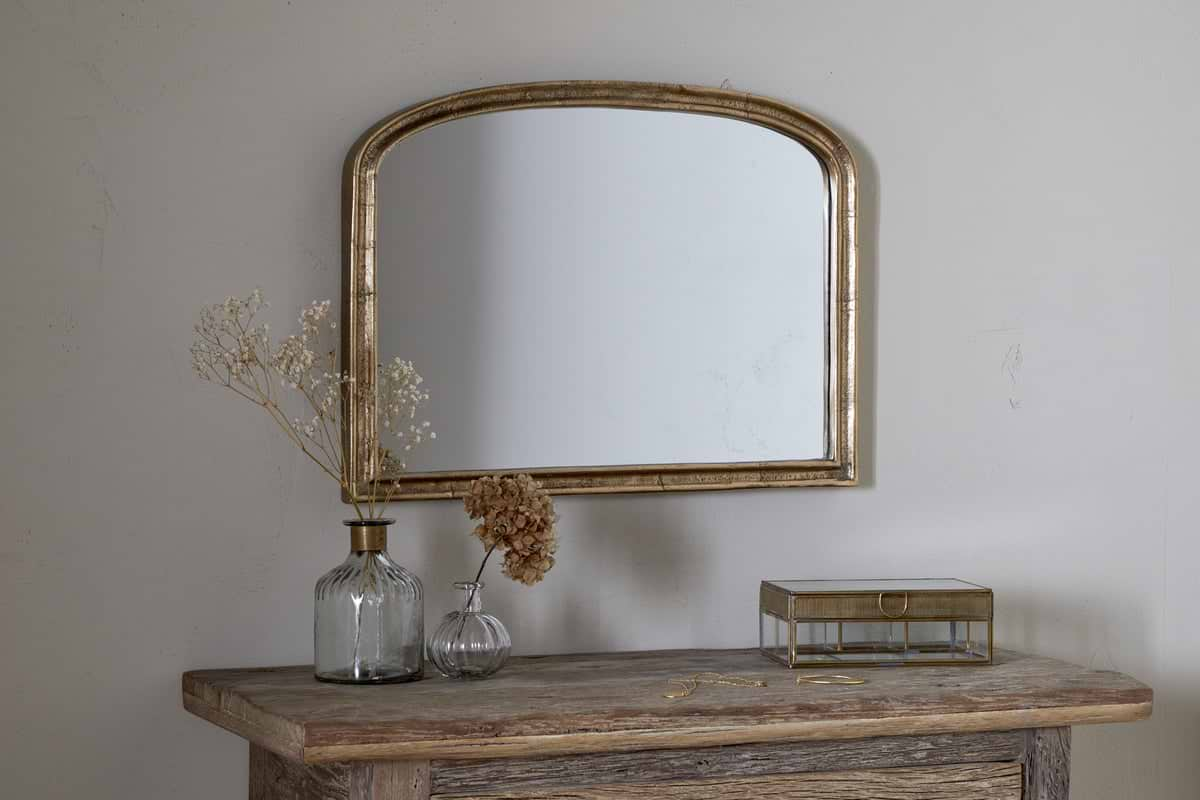
- Choose one large wall mirror or oval mirror and let it reflect light from the best window.
- Keep shelves and surfaces at least two-thirds clear; display only a handful of favourite items.
- Limit accent colours to one or two, repeating the same tone in more than one spot.
- Pick furniture with legs to let sightlines flow through.
- Use round, natural textures, linen, jute, clay, so nothing feels too sharp or cold.
Keep the largest rug and the main sofa in pale colours, and scatter visual weight with one dark accent only where you want the eye to settle.
What role do mirrors and reflective surfaces play?
A mirror placed near a window doubles the daylight, making a small living room brighter and more open. Reflective surfaces like glass or polished ceramics throw light into dark corners, keeping the space fresh.
Positioning a mirror across from or at an angle to the main window is a rental-friendly way to multiply natural light without making holes or heavy changes. When a round mirror reflects greenery outside, even a tiny room picks up a sense of depth.
A vertical rectangular mirror, according to Spiegel & More, draws the eye upward and helps a living space with a low ceiling feel taller. Unlike smaller, wall-scattered mirrors that can read as clutter, a single, large mirror makes a bigger impact with less effort.
Combining a mirror with warm LED lighting softens shadows and gives a gentle glow, instead of harsh spotlights. A polished metal lamp or a pale glass vase catches and throws highlights in quiet ways, making shelves and tables feel lighter. Using mirrors to reflect a simple shelf or tidy corner, rather than a pile of shoes or cords, creates a pleasing focal point.
| Mirror Placement | Effect | Best for |
|---|---|---|
| Across from window | Maximises brightness | Dark, narrow living rooms |
| Vertical rectangle | Makes ceilings feel higher | Low-ceiling spaces |
| Over mantel/sofa | Adds width; anchors central focus | Wide but short rooms |
In a small, dim living room, the right mirror increases both visible light and the sense of openness with only one or two changes.
How to edit shelves and displays without losing warmth?
Editing shelves by removing extras and repeating one texture keeps the living room feeling open. Grouping items in small clusters leaves more surface visible and prevents the shelves from reading as cluttered.
Shelves and surfaces fill up, books, mail, candles, little bowls. Over time, the mix of heights, colours, and materials creates confusion instead of comfort. Instead of blanking shelves entirely, keep your best-loved pieces: a stack of one or two pale books, a simple plant, a woven basket. The space between items is as important as the objects themselves.
Most small living rooms look calm when about two-thirds of each shelf or table is left open. A single clay vessel and a bowl of smooth stones soften straight lines and add texture, while a mix of plastic or metal often reads harsh. Unlike fully styled “cluttercore,” leaving surfaces clear lets the room breathe.
Repeat one detail, a white dish, a tan jute basket, on separate shelves to draw the eye gently around the space. Let one plant or photo frame stand out, rather than a crowded row of small things. Fewer, larger items show more of the shelf and help the room feel lighter.
Let each shelf hold two or three objects only, and use baskets or boxes below for things you need to tuck away. This keeps the top view simple but warm.
There’s often a moment, standing in the living room, when you feel the walls closer than they are. Something about the lighting or the shelves just feels off. The flow isn’t right; light sits in only one corner, or the furniture arrangement blocks easy walking. Most homes settle there by habit, not on purpose.
Making a single, clear design decision, like swapping thick curtains for linen or choosing one focal point, changes the entire feel of the room right away. The open lines let both daylight and attention flow much further, making daily living easier and more pleasant.
Many renters let shelves fill up and curtains fall closed because it’s simpler than changing things. But a room with too many competing surfaces looks restless, and even daylight seems to get stuck. It matters because a space you spend hours in should feel calm, open, and easy to move through, not heavy or blocked at every turn.
Once you sort out placement and palette, even small, shaded living rooms feel twice as large and much more restful.
Save this idea for later.What tends to hold up with making a living room look bigger and brighter
Reviewers and decorators consistently recommend mirrors placed to catch daylight. Large wall mirrors that reflect open space, rather than clutter or blank walls, give the brightest results. Furniture with raised legs also gets noticed for how well it keeps a room from feeling boxed in, allowing the eye to move right through to the edges.
Matte finishes are often suggested on shelving and paint near windows because glossy surfaces can reflect glare rather than softening the room. Neutrals and calm, pale tones hold up best in daylight, especially where rooms face shaded courtyards or alleys. Setting up even one walking path and clearing shelf clutter are small things, but they last longer, and work harder, than changing decor with every season.
, Mara, Loom & Glow
Common questions
How can I make my living room look larger?
The most effective way to make a living room look larger is to use light colours, uncluttered furniture placement, and a well-placed large mirror. Keeping surfaces clear and favouring furniture with legs allows light to move freely and opens up the space. Mirrors double natural light, which helps the room feel more expansive.
What colour makes a living room look bigger?
Soft, pale colours like white, bone, and pale grey make a living room look bigger by reflecting light and erasing harsh boundaries. Pale colours extend daylight into corners, reduce visual breaks, and allow the walls to recede visually. Using a limited palette prevents the space from feeling busy or boxed in.
What makes a home look cheap?
A home often looks cheap when there is too much clutter, heavy or mismatched furniture, and harsh, synthetic materials. Avoiding plastic, bright patterns, and over-stuffed shelves helps keep a space feeling calm and thoughtful. Natural materials, open surfaces, and balanced lighting build quiet quality into everyday rooms.
What colour mistakes should I avoid in my living room?
The biggest colour mistake to avoid is mixing too many high-contrast colours or using dark tones on every wall in a small room. These choices can shrink the space visually and stop light from moving freely. Stick to a small, soft palette for a calmer and more open look.
Explore more calm combinations inside our Shop The Look .
Shop the Look
A few Nkuku pieces that help a small living room feel more open.
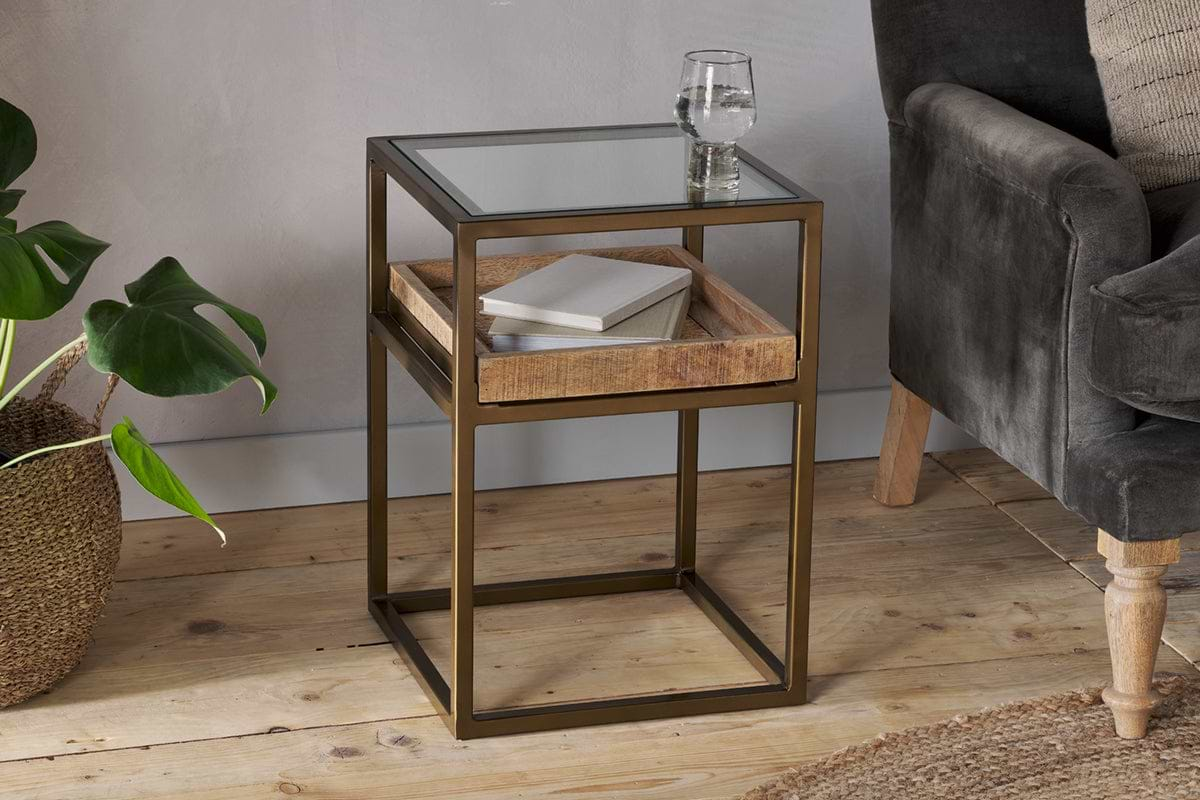
Luzon Side Table
Iron and mango wood with display shelf, small footprint, double function.
View at Nkuku →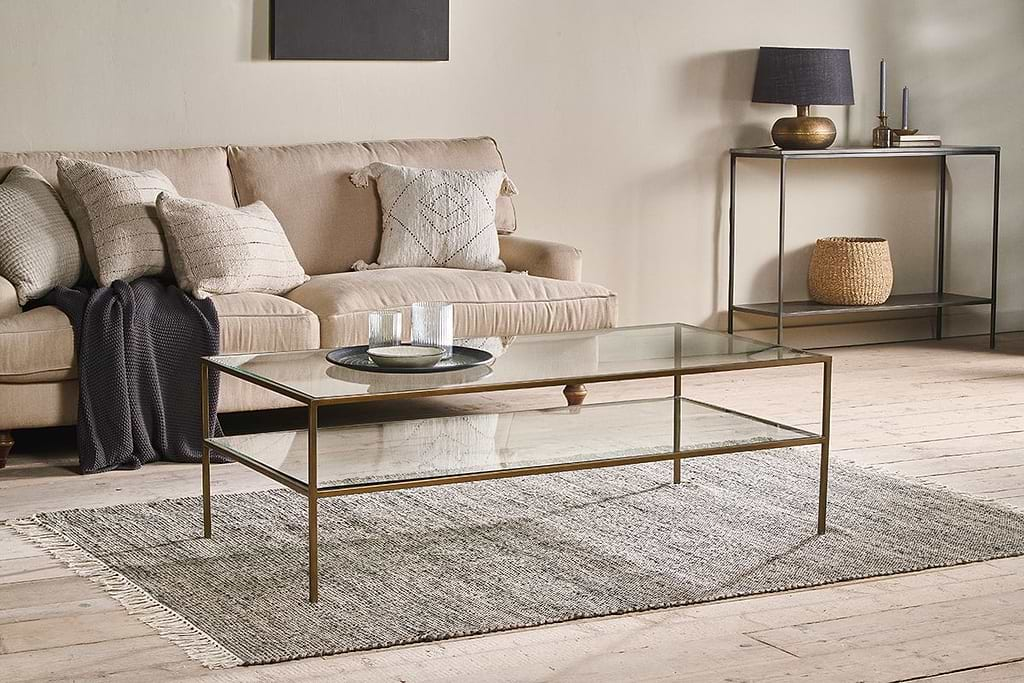
Some links above are affiliate links. If you buy through them we may earn a small commission at no extra cost to you. We only suggest pieces we think fit a calm, lived-in home.
Free guide
The Calm Leaf
12 quiet ways to bring dried botanicals, stems, and natural textures into calm spaces.