
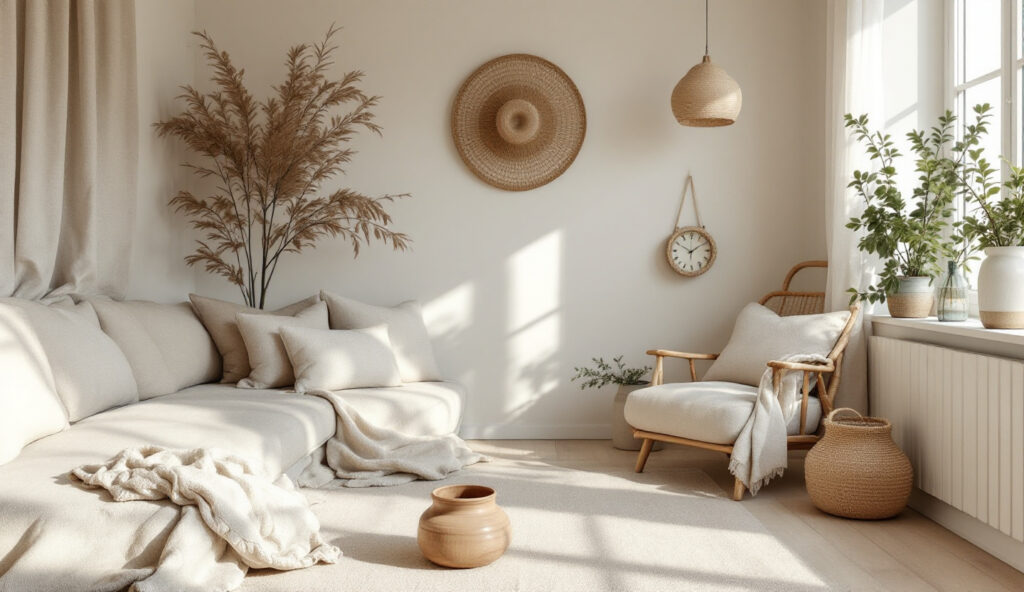
North facing bedrooms often feel cool and dim, especially in the morning. If you’ve tried north facing bedroom ideas but the room still looks flat or cold, the lack of direct light is usually to blame. This makes small flaws and clutter stand out and can make daily routines feel heavier than necessary.
With a few simple changes, you can make a north facing bedroom warmer and calmer. Today, you’ll see how to rethink paint, colour, bedding and light, all helping you choose, remove or swap things with purpose. This works especially well in a low-light bedroom when you’re working with rental limits or awkwardly shaped windows because you avoid big renovations and still see a difference.
The short version: North facing bedroom ideas centre on adding visual warmth using natural materials, warm paint colours and reflective surfaces to balance the dim, cool light. Simple swaps in textiles, colour and placement can make even a cold bedroom feel inviting and comfortable.
Key takeaways
- A north facing bedroom benefits most from colours with warm undertones and soft finishes.
- Lightweight curtains in linen or cotton maximise available daylight in a dim bedroom.
- Layered rugs and bedding add warmth and sound softness to cold floors.
- Paint companies like COAT Paints have created palettes just for north facing rooms.
- Mirrors placed opposite windows help spread light evenly into a cool, northern room.
- Where this works best
- How do you choose paint colours for a north facing bedroom?
- Which textiles actually help a cool, dim bedroom feel warmer?
- What furniture helps brighten a north facing bedroom?
- Styling and placement
- How do you get more light into a north facing bedroom?
- Why does clutter matter in a north facing room?

Where this works best
A warmer, layered approach works best in north facing bedrooms with small windows, low ceilings or minimal sun, where cool daylight makes the room look flat.
North facing bedroom ideas are most useful in rooms with low natural light, especially those with just one window or awkward alcoves. Bedrooms in flats and narrow houses often face north, which means daylight remains soft and sometimes even blueish for much of the day.
In these spaces, the cold light can highlight marks on walls and dull the colour of basic bedding. Choosing the right colours and materials keeps the room from feeling cold and overlooked. Warm paint, layered rugs and unlined linen curtains noticeably help block drafts and bounce back any light.
Avoid bright white paint on all walls in a north-facing room, as it makes shadows appear starker and the room feel less inviting. A gentle, muted neutral works instead, keeping the space calm without looking empty.
A layered, light approach can help a box room used as a guest space, a main bedroom with only overhead storage, or even an attic room with one strange window. Rooms without space for large beds or extra furniture benefit as well, since each surface becomes more important to get right.
How do you choose paint colours for a north facing bedroom?
The best paint colours for a north facing bedroom include soft neutrals and light muted shades with a warm undertone, balancing the cool light with subtle visual warmth.
Paint makes the biggest difference in a cool bedroom, so choosing colour is often the first step. North facing rooms get daylight that leans bluish and can make traditional cool greys or standard white look harsh. Instead, colours with a yellow, soft red or clay undertone add balance and stop the space from looking washed out.
COAT Paints offers a curated collection of colours specifically for north facing rooms, leaning on modern muted shades instead of stark whites. One featured colour is ‘Yard Party’, which is a grey-green with a soft warmth in flat matt, helping reflect light without looking shiny. Compared to classic ice blues or cold greys, these shades keep the walls from looking dull.
Most people notice that painting all four walls in the same soft neutral helps the bedroom feel warmer and more put together. Leaving the ceiling in white can help give a lift in small rooms, but too much stark white will overwhelm in dim spaces.
Try a sample pot first and check in both daylight and lamp light before committing, since the undertone will change through the day. A modern, muted paint finish disguises minor marks and creates a softer backdrop for furniture or art. For more on subtle colour options, see bedroom wall colours for a full palette overview.
Which textiles actually help a cool, dim bedroom feel warmer?
Thicker natural fibres like wool, cotton or linen, layered as bedding and rugs, help a cold bedroom feel warmer by adding surface softness and muting echo on hard floors.
Textiles play a key role in a north facing bedroom. A plain wood floor or a thin rug can leave the room feeling almost echoey, so layered floor coverings in wool or a heavy cotton immediately add a sense of warmth. Even a narrow stripe or muted pattern adds visual depth, compared to one flat colour.
Bedding, too, benefits from layer and weight. A linen duvet cover breathes in summer but holds enough weight for winter, while a cotton waffle blanket across the end of the bed grounds the arrangement. A bare polyester duvet looks colder and flattens after a few months, but a real fibre keeps shape and gains softness with washing.
For curtains, natural materials let more light filter through while still dressing the window, where heavier synthetics block small bits of daylight you want to keep. A linen curtain, unlined or with a light lining, can soften a basic window without making things feel stuffy. Matching curtain colour to your bedding or rug can help the whole space feel finished. Bedroom curtain ideas have more natural pairings to try.
What furniture helps brighten a north facing bedroom?
Lightweight, simple furniture in pale woods or powder coated finishes helps reduce heaviness and lets more light move through a north facing bedroom.
Dark, heavy furniture often makes a cold bedroom look even more shadowy. Choosing a simple bed frame with open legs or a low, blonde wood chest leaves more floor space open and lets any stray light reach across the room. In narrow rooms, placing storage against the wall opposite a window reduces extra shadows and sharp edges.
Mirror placement counts, as well. Placing a single wide mirror above a dresser or near a window bounces light right across the bed, making the area brighter even on a dull day. A cabinet with a glass or rattan front, compared to a solid wood face, feels lighter and avoids blocking lines of daylight.
Avoid covering every wall with shelving or bulky wardrobes. Instead of pushing everything to one end, leave space between each object. A calm corner with just a chair and a simple lamp gives the eye a rest. If your floor space is tight, a floating bedside ledge is less distracting than a full table and helps keep clutter low.
| Furniture Type | Visual weight | Light effect |
|---|---|---|
| Blonde wood bed | Light | Brightens, reflects |
| Dark wardrobe | Heavy | Casts deeper shadow |
| Mirror above dresser | Light | Bounces daylight |
| Rattan cabinet | Medium | Textural, softly breaks light |

Styling and placement
Placing key pieces with room to breathe, limiting the colour palette, and repeating one texture helps a dim bedroom look warmer and more finished.
The way you style a north facing bedroom can make more difference than adding new things. A small set of objects, arranged so no area feels busy or heavy, lets each surface catch light and stay readable. Placing a lamp with a warm bulb directly opposite the window doubles the effect at dusk and helps anchor the end of the room.
Choose one feature as a focal point, the bed wall, a single shelf above a chest, or the softest rug underfoot. Too many accents make the space uneasy and crowded. One or two good materials (like oak and linen, or rattan and cotton) avoid the feeling of mismatch, where mixed metals and colours can read as cold.
Avoid floating every object to the middle or pushing all the furniture against the glass. Instead, keep each item close to a wall but spaced apart. If you add art, frame it in a warm finish, simple oak or walnut frames, not glass or bare metal, for a softer, grounded feel.
Quick calm checklist:
- Pick no more than three compatible natural materials for main surfaces.
- Leave one third of the floor clear for breathing room (not precise, just enough to walk comfortably).
- Keep the palette to five colours maximum, repeating softer warms twice if possible.
- Repeat one soft material (linen or wool) in at least two places.
- Place mirrors facing windows, not at bed level, to bounce light up.
How do you get more light into a north facing bedroom?
Adding reflective surfaces, using lighter curtains, and placing lamps at two different heights help increase both daylight and evening glow in a north facing bedroom.
A north-facing room always needs a boost in light. Start with window treatments: sheer or light-filtering curtains let daylight spread further, while a thick blackout blind, when left down, can block even the little sun that comes in. Clean the window glass regularly, dust and marks stand out much more in low light, making the room look dull.
Placement matters just as much. A carefully chosen mirror opposite the window reflects any stray sun back into the room. Table lamps with pale shades, set at different corners of the bedroom (one low, one mid-level), spread glow rather than focusing in one spot. This feels different to one bright overhead bulb, which can create hard shadows and make the room look stark rather than warm. For ideas on how rugs and curtains pair well in small bedrooms, see small bedroom ideas for more combinations.
If the floor is bare, a pale rug will help bounce more light, whereas a dark, heavy carpet can soak up what little light there is. Using a table with a glass top or a lamp with a ceramic base adds a gentle glimmer not possible with just matte wood. Compared to metal objects, which can look cold in this kind of light, tactile, muted pieces add both softness and reflection at once.
Why does clutter matter in a north facing room?
Clutter looks harsher and more obvious in a dim, cool bedroom because less daylight softens lines and makes surfaces stand out.
In low light, every object and pile reads as more distinct, so even a few things on a bedside table or dresser quickly look messy. Unlike a sunny room where the light distracts, north facing bedrooms make minor clutter feel like a focal point. Open shelving that holds mismatched baskets or stacks of books stands out more, pulling the eye away from softer surfaces.
Removing unneeded extras makes the most difference in these rooms. If storage is tight, closed baskets in jute or linen hide the mix of items but still look natural. Solid boxes or glossy bins, on the other hand, reflect cold light and make small piles look bigger than they are. For a calm upgrade, swap out multiple catch-alls for one basket-size limit per surface.
A bare shelf or dresser can look too sparse, so placing a single object with texture, like a clay bowl or a woven tray, adds a human note without letting clutter take over. A north facing bedroom stays more comfortable when each surface is gently controlled and visual noise is kept to a minimum.
Most homeowners realise something feels off in their north facing bedroom during an ordinary morning or evening, when natural light leaves the room looking colder than expected or small items on the dresser catch the eye and break the flow. This is when the instinct to add more things can backfire, making the space feel crowded or heavy instead of warm. Noticing this moment means you’re ready for a calmer, more practical approach.
Trying to fix all these issues at once, most people crowd the room with extra cushions, decorative objects or dark furniture, hoping to make it “cosy”. Instead, this just piles up surfaces and blocks what little daylight you have, leaving the room unsettled and unfinished. Colours get muddled, and moving around the space feels awkward.
Once you decide to clear out the extras and focus on one or two textures and a simple palette, the whole room feels lighter, easier, and looks cared for, even on an overcast day. The bed area anchors the space, and mornings start on a quieter note. Save this idea for later.
What gets better over time in a north facing bedroom
Layers that use natural fabrics, muted paints and simple wood pieces remain reliable choices, even as styles shift or routines change. Matte finishes and mid-warm neutrals tend to wear well because they soften daily marks and stay inviting in both summer and winter light. Reviewers consistently point out that linen bedding softens with every wash, making beds more comfortable with use.
Experienced decorators recommend testing samples before any big change, especially with paint, because real daylight in a north facing bedroom can shift undertones in unexpected ways. A few high quality pieces, well spaced and thoughtfully placed, often suit the room and the person using it for years. Subtle changes in textiles or accent colour offer a fresh feel season after season, without needing to start over.
Mara, Loom & Glow
Common questions
What colour should I paint my north-facing bedroom?
You should paint your north-facing bedroom in colours with warm or muted undertones, like soft clay, blush, greige or light sage. These soften the bluish daylight and make the room feel more inviting. Matt finishes usually look better in cool light than shiny paints.
What colour should you avoid in a north-facing bedroom?
Avoid stark white, bright blue or cold grey in a north-facing bedroom, since they make shadows appear harsher and the room feel colder. Warm neutrals or gentle clay tones help prevent a flat, uninviting look. For best results, match paint finish and undertone to your natural light.
How can you get more light into a north facing bedroom?
You can get more light into a north facing bedroom by using mirrors, lightweight curtains and placing lamps at different heights. Reflective surfaces and pale textiles encourage even the smallest amount of daylight to move around the room. Clean windows and well-chosen curtain fabric matter more than people expect.
What color should I paint my north-facing bedroom?
The top color choices for a north-facing bedroom are muted neutrals with warm undertones, including blush, buff, and clay. According to COAT Paints, ‘Yard Party’, a grey-green flat matt paint, works well. Sampling paint first helps reveal how different shades behave in your light.
Explore more calm combinations inside our Shop The Look .
Shop the Look
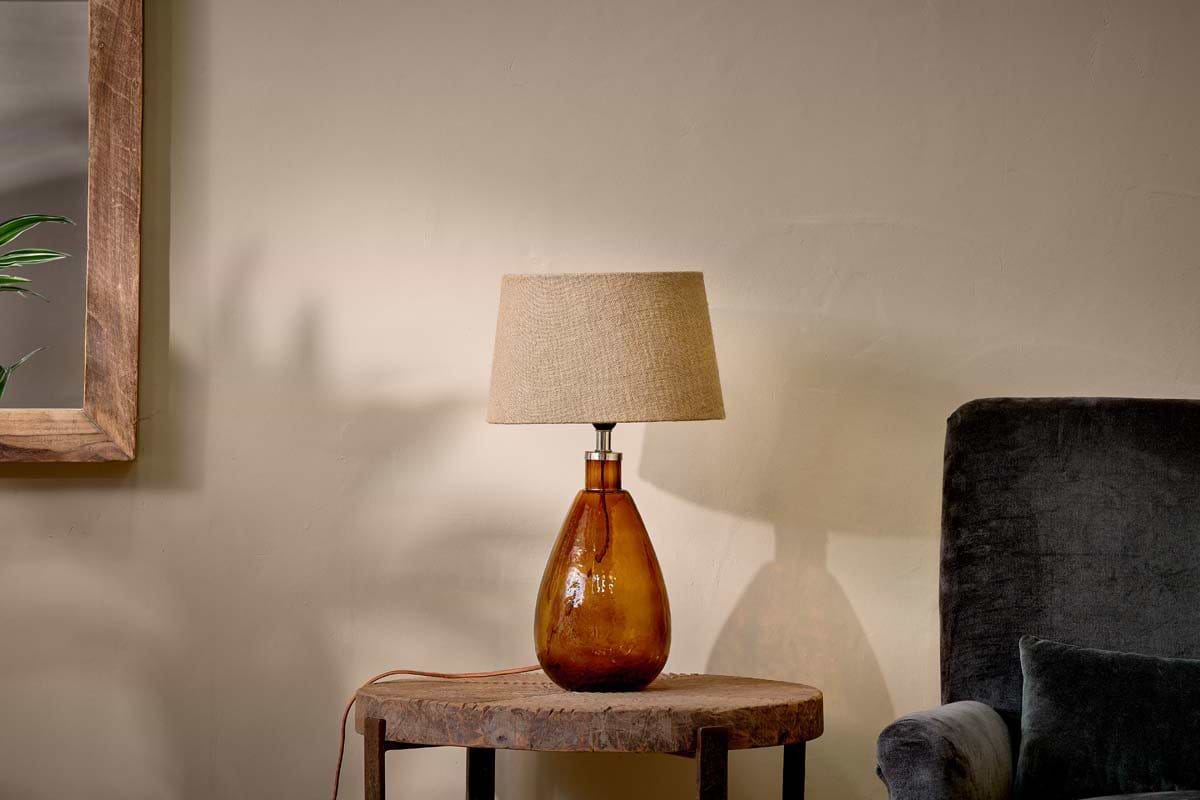
A few Nkuku pieces that suit a soft, warm bedroom.
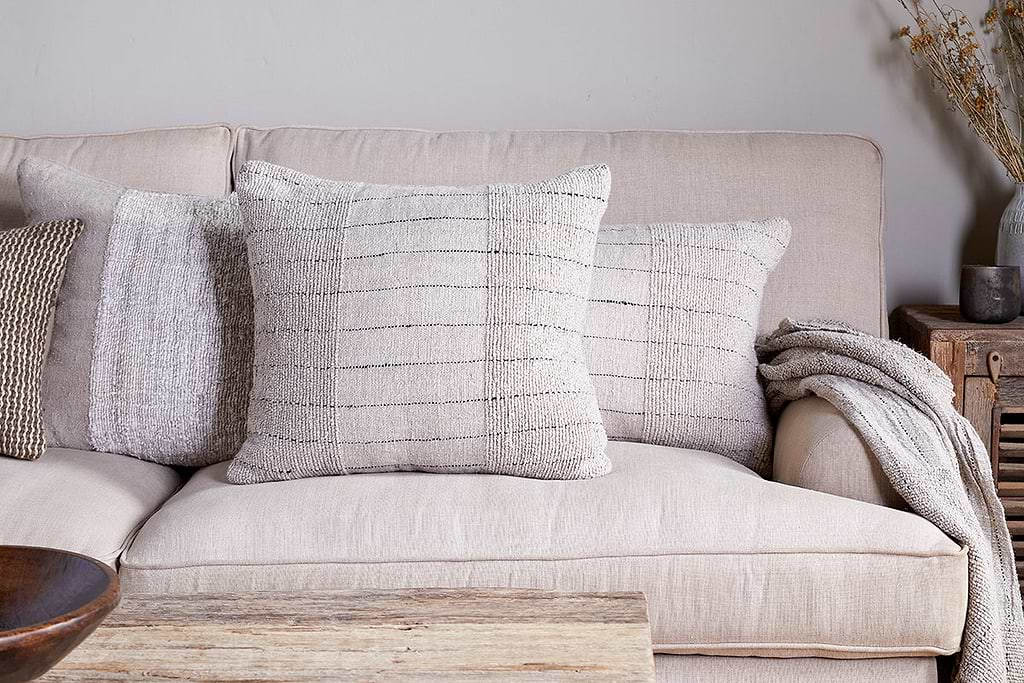
Mayla Cushion Cover
Soft hand-textured cover, instant warmth on linen sofas or chairs.
View at Nkuku →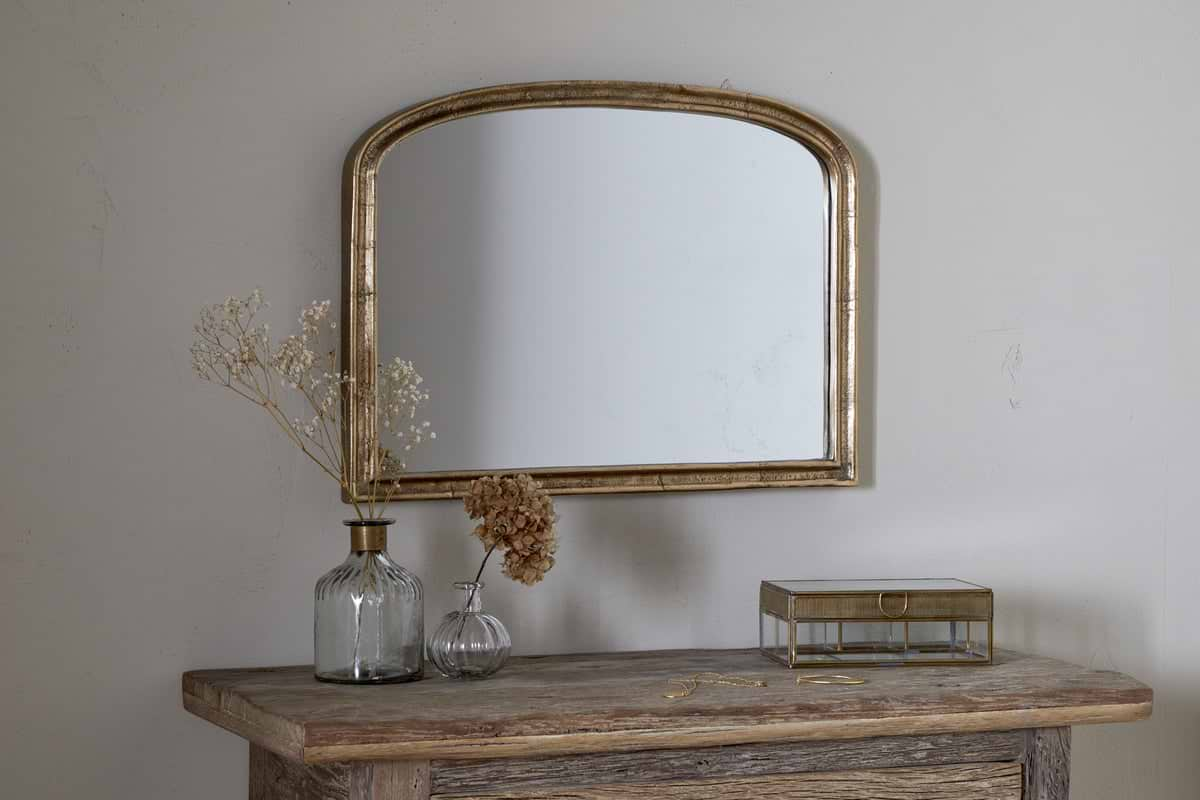
Some links above are affiliate links. If you buy through them we may earn a small commission at no extra cost to you. We only suggest pieces we think fit a calm, lived-in home.
Free guide
The Calm Shelf
12 styling ideas to help you compose calm, balanced shelves in natural texture homes.