

Rental homes with little natural light can feel heavy and small. The real challenge is learning how to brighten up a dark room without painting, especially when the landlord says no to color changes or permanent updates. Lamp swaps and curtains help, but most renters find the gloom sticks around.
Today, you’ll learn calm, effective ways to lift a dark room—what to keep, what to move, and how to use what you already have. This works especially well in bedrooms with small windows when you’re not allowed to paint because fixtures and fabrics can change the whole feeling without breaking rental rules.
The short version: The most practical answer to how to brighten up a dark room without painting is to use mirror placement, layered lighting, and light fabrics to reflect and spread both sun and lamp light. Soft rugs and simple layout changes make the biggest difference. You can finally enjoy a brighter, calmer home—no landlord approval needed.
Key takeaways
- Natural light is the best way to brighten a room and also boosts wellbeing, according to Velux’s expert advice.
- Layered lighting with table and floor lamps keeps a space bright, even when overhead lights feel harsh.
- Mirrors and reflective surfaces can double the effect of both sunlight and lamp light in a rental room.
- Light-toned curtains and rugs fight visual heaviness better than dark or heavy fabrics.
- Adding contrast with pale furniture makes a dark corner look lighter, as Apartment Therapy recommends.
- Why painting isn’t the only way to brighten a dark room
- How can you use mirrors and reflective surfaces to spread light?
- Where this works best
- What window treatments help a room feel lighter?
- How should you layer lamps and bulbs for brightness?
- Styling and placement
- How does room arrangement affect brightness?

Why painting isn’t the only way to brighten a dark room
Painting is not the only method for brightening up a dark room—mirrors, well-chosen lighting, and light furnishings can all make a visible difference. Using the right combination of elements immediately lifts a heavy, shadowed room without changing its wall color.
Many renters think their only option is paint, so they live with dim, awkward spaces. In reality, wall color makes up only part of how we sense brightness. The texture and tone of what sits in the room—soft window treatments, the surface of your table, where your sofa faces—matter just as much for how the space looks and feels after sunset.
A wooden coffee table topped with a pale tray can reflect light better than a dark dresser stuck in a corner. Lampshades in linen or cream also help, since smooth, light fabrics bounce even weak daylight or bulb glow back into the room. According to Velux, natural light boosts a room’s mood much more than artificial lighting alone, so using materials that pull sunlight deeper into a space is especially effective.
Unlike painting, swapping out a rug or positioning a mirror doesn’t break rental rules or require a weekend of prep. Quick changes—like trading thick drapes for sheer linen curtains—can turn a dark living room into a soft, glowing spot for both reading and relaxing. A space with a pale rug and light lamps feels less shut-in, even if every wall remains the same color.
Adding a single large mirror perks up an entryway or dining room corner. Hung opposite the main window or a bright lamp, its reflection increases the sense of daylight and creates a simple, steady brightness that painting alone cannot.
How can you use mirrors and reflective surfaces to spread light?
Mirrors and reflective surfaces placed opposite windows or lamps double the visible light in a room. A glass or metal surface brightens dark corners by bouncing both sunlight and bulb light across the space.
An inside-facing wall hung with a plain mirror works well in windowless or north-facing rooms. Mirrors multiply brightness by reflecting what natural or artificial light already exists, often making a small rental feel bigger and more open. A glass-topped side table can do similar work, spreading light to the neighboring sofa or wall.
When possible, aim to have at least one mirror facing—never adjacent to—the window or primary lamp, so the daylight or bulb is reflected into the center of the room. Unlike artwork, which soaks up light, mirrors and shiny trays push it further, lifting the whole mood of a cramped office or living area. Even a slim metal vase or ceramic bowl on a matte table can softly scatter light and break up a flat, dim expanse.
The difference between a dark and a light room isn’t just walls; it’s how surfaces catch and throw what little light exists. This is why using a single, plain mirror above a console or behind a lamp is often the biggest shift you can make in a shaded living room or entrance.
Where this works best
Brightening strategies work best in north-facing bedrooms, rental living rooms with thick walls, and small entryways that feel boxed in. These are the places where daylight doesn’t reach far, and every bit of reflection matters.
Windowless dens, hallways with limited sun, and basement playrooms all benefit from soft, new lighting or rearranged furniture. In these cases, the biggest culprit for darkness is a lack of reflection—dull surfaces and too many heavy, dark textiles that swallow what light does exist.
Try using mirrors in those stubby hallways or layering a pale rug over the flooring in a guest room. In an apartment living room, swap one bulky chair for a slim pale-legged one and notice the quick lift in brightness. Light curtains and light woods perk up corners that normally feel like dead weight after dark.
Avoid using oversized dark furniture or deeply colored fabrics in small or shadowed rooms. Heavy blackout curtains, for instance, can block vital sunlight from ever reaching deeper inside. A simple sheer or linen panel instead can keep privacy without dragging the whole space down. Adding nonpaint changes, from lamp swaps to reflective trays and cushions, works especially well in places that can feel cut off from the rest of the house.
What window treatments help a room feel lighter?
Lightweight, pale curtains and blinds filter and spread daylight, making rooms feel brighter and less heavy. Soft natural fabrics, like linen or cotton, brighten a window more than thick, dark drapes or heavy blinds.
Many renters default to blackout or thick fabric curtains for privacy, but these often make a small or dark room even gloomier. In most cases, swapping out heavy drapes for a basic, unlined linen or cotton panel works better. Sheer curtains filter sunlight without blocking it, softening the contrast between outdoors and in. Clean window glass helps too—dirt reduces daylight’s reach much more than most people realize.
According to Velux, natural light is the most effective source for brightening up a dark space, boosting not only the appearance of the room but also mood and productivity. A cotton or linen curtain with an off-white tone bounces this natural light far deeper than a velvet or dense synthetic panel.Learn more in our feature on how to lighten a dark room with no natural light.
Compared to blinds or wooden shutters, soft fabric drapes are easier to move or change as a renter—just a quick swap on a basic curtain rod. In a small bedroom, a white or cream curtain raised slightly above the top of the window draws the eye up and makes the wall seem taller and less weighted down. This is the rare spot where a high, wide drape brings in more light than a short one.

How should you layer lamps and bulbs for brightness?
Using a mix of table lamps, floor lamps, and accent lights creates steady brightness in a dark room, even with weak overhead lighting. Table lamps lit across the day make shadowy corners look less stark.
Overhead bulbs often cast uneven light, leaving areas feeling dim and flat. Instead, place several different lamps at varying heights: one soft-glow reading lamp on a side table, a floor lamp beside the sofa, and a small accent light on a shelf or cabinet. This breaks up the shadows and spreads light into areas that overhead fixtures miss. Table lamps, not strong overhead lights, should be kept on throughout the day in dark rooms, according to lighting experts.
Choosing the right bulbs matters just as much as lamp shape. Bulbs in the 2,700–3,000 K range emit a warm, welcoming light, softening the mood in the evening. In kitchens or work areas, slightly cooler bulbs (up to 5,000 K) can keep the room feeling bright and active, especially in spaces without any natural sun.For more layered lighting ideas, see our living room suggestions.
| Lamp type | Where it works | Best effect |
|---|---|---|
| Table lamp | Side table, bedside, shelf | Fills corners, soft spreading light |
| Floor lamp | Sofa side, reading chair, entry | Raises light level, pulls eye up |
| Accent/task | Desk, kitchen counter, bookcase | Brightens work areas and dark shelves |
Unlike bright-white overhead bulbs, scattered lamps in the right tones keep a room soft at night and vibrant by day. A shelf lamp beside a stack of books or a linen-shaded lamp on a braided rug can give even a windowless room a sense of presence and warmth.
Styling and placement
Simple layouts, pale natural materials, and clear surfaces prevent dark rooms from feeling cluttered and weighed down. Using a few well-chosen pieces keeps the look calm, not busy.
The way you arrange furniture, rugs, and accessories sets the visual tone for the entire room. Too many objects—even if pretty—can block the flow of light and make spaces look cramped. For high-contrast rooms, choose wood, linen, or rattan in pale tones for depth without heavy visual weight.
One pale jute rug on a dark wood floor keeps the room from feeling cold. Compared to three patterned throw blankets or a collection of candles, a single clay bowl or glass vase anchors a shelf and lets both daylight and lamp-glow move across the surface. In a small space, leaving most tabletops and counters clear has more impact than filling every spot with objects.
A living room’s mood can be lifted just by letting the tallest furniture rest against the darkest wall, not centered in the middle of the space. This clears the way for light to pass through, making the whole area easier to use and easier on the eyes. Read about balanced shelf styling for more examples.
Quick calm checklist:
- Use pale rugs (cotton, jute) on dark floors for contrast, not visual weight.
- Keep most tabletops clear, anchor one shelf with a simple bowl or vase.
- Pair linen or cotton curtains in light shades with bare window glass for the widest glow.
- Leave one-third of the wall space uncluttered for light to spread.
How does room arrangement affect brightness?
Moving bulky furniture away from windows and walkways lets more light move through a space and lifts a heavy-looking room. Simple paths and opened-up arrangements let every lamp and window do more work.
Crowded layouts trap light and add shadow to corners. Pushing a dark sofa closer to the wall or pulling a low bookcase away from a window clears a visual path for both sun and lamp light. When open space runs between natural light sources and where you spend time, the room looks and feels lighter.
Compared to angled, crowded furniture, straight clear lines and simple groupings help light travel across the floor and onto surfaces. Keeping light woods or soft-color side tables near windows, instead of blocking them with heavy armchairs, makes a bigger difference than most renters expect. A space where the sightlines are clear always looks brighter and easier to be in than a cluttered one.
A bedroom or sitting area shifts noticeably with a single layout change. Removing just one unused accent chair or moving a storage bench means more daylight can reach across—even a small change solves the sense of gloom that painting alone can’t address.
Sometimes the moment you realise a room feels wrong is when you walk in and can’t figure out what’s missing. The light stalls, furniture feels too close, and the space just seems heavy despite your best efforts.
The shift starts with one decision—a single focal point that lets light do its work. Clearing a pathway or anchoring one mirror changes the mood, often in minutes.
It’s common to hang up a heavy curtain, pile up boxes, or overdecorate a shelf, thinking that more items means more personality. In truth, most homes feel dimmer and more crowded this way; the floor seems smaller, and surfaces look weighed down. Simplifying the room’s lines means the whole place looks brighter and more open by default. When the background feels calm, the light gets further. Save this idea for later.
Renter-friendly ways to brighten a dark room
Reviewers and decorators often agree on one thing: using mirrors and pale textiles is almost always a safe, reversible improvement for dark rentals. Matte finishes get recommended again and again for shelves near windows, because they don’t catch glare the way a glossy tray does. Most renters say light sofas and unlined curtains lift the mood of a room, even if the surrounding walls stay dark or uneven.
Natural-fiber rugs handle heavy use and brighten spaces that see a lot of foot traffic, while clear surfaces on tables and shelves make a room feel easier to keep clean. These are slow, simple tweaks—small changes that tend to outlast trend cycles and landlord requests.
— Mara, Loom & Glow
Common questions
How can I brighten a dark home without structural changes?
The best way to brighten a dark home without structural changes is to increase reflective surfaces, use lightweight curtains, and layer multiple lamps at different heights. Opening up walkways and clearing clutter further spread both sunlight and artificial light. Choosing pale rugs and simple accessories helps light travel through the home.
What is the best way to lighten a dark hallway with no natural light?
The most effective way to lighten a dark hallway without natural light is to add mirrors, clear walkways, and use multiple wall or floor lamps. Pale paint or wallpapers can help, but in rentals, swapping to brighter bulbs and unfussy, light rugs also makes a big difference. Leave most of the wall and floor area open if possible.
How do you add the feeling of natural light to a room without windows?
The most practical method to add the feeling of natural light to a room without windows is to layer warm-toned bulbs in table and floor lamps, then spread brightness with mirrors and light-colored textiles. Avoid dark furniture and heavy accessories. Simple glass, metal, or pale ceramic accents bounce light further.
How to brighten a dark home?
To brighten a dark home, focus on reflective surfaces, pale textiles, and layered lamp lighting instead of relying on overhead bulbs or paint. Arrange furniture to open sightlines between light sources. Choose lightweight window treatments and simple, bright rugs to lift each area’s mood without permanent changes.
Explore more calm combinations inside our Shop The Look .
Shop the Look
A few Nkuku pieces that help bring light into a dim room without changing the walls.
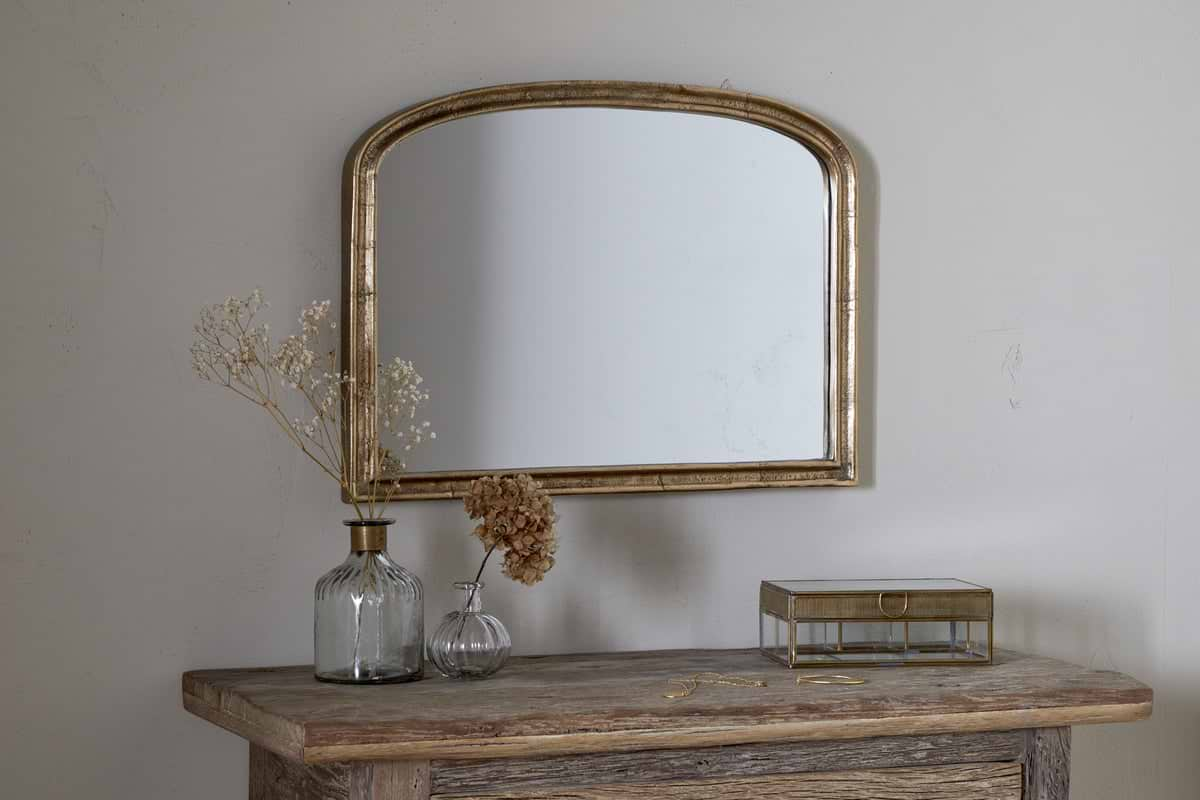
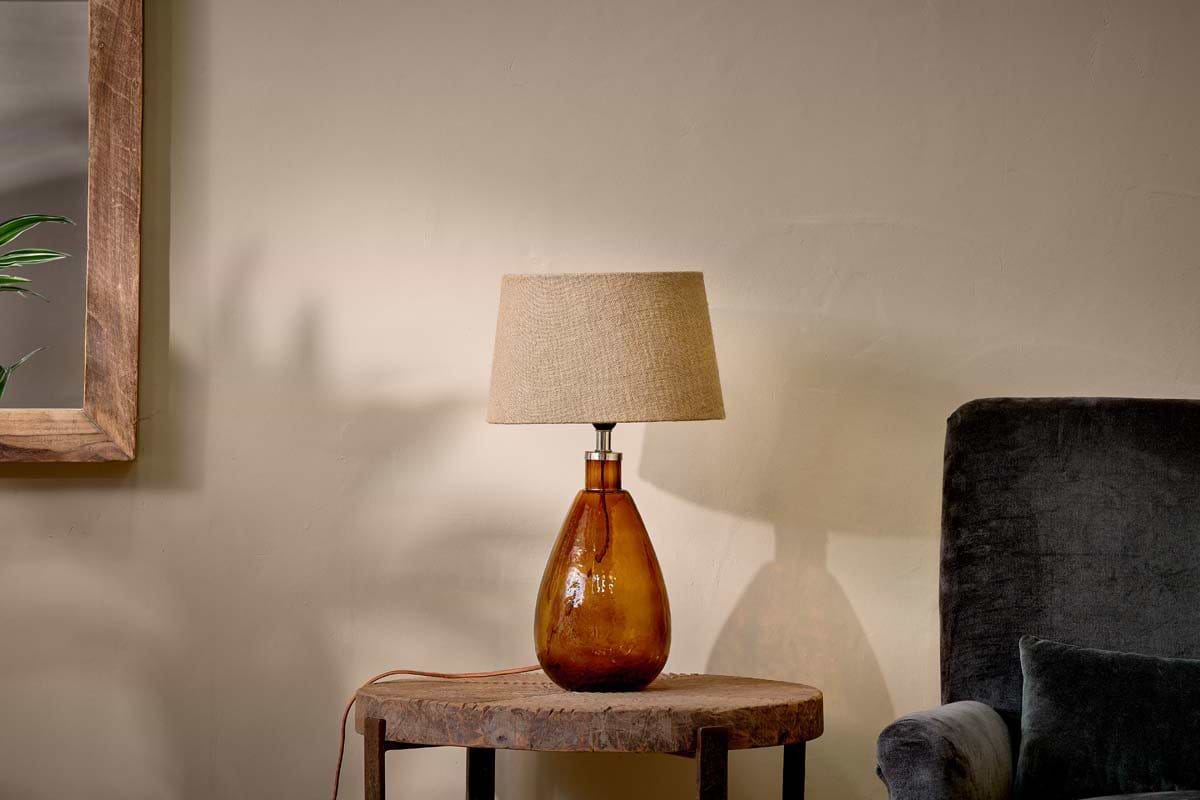
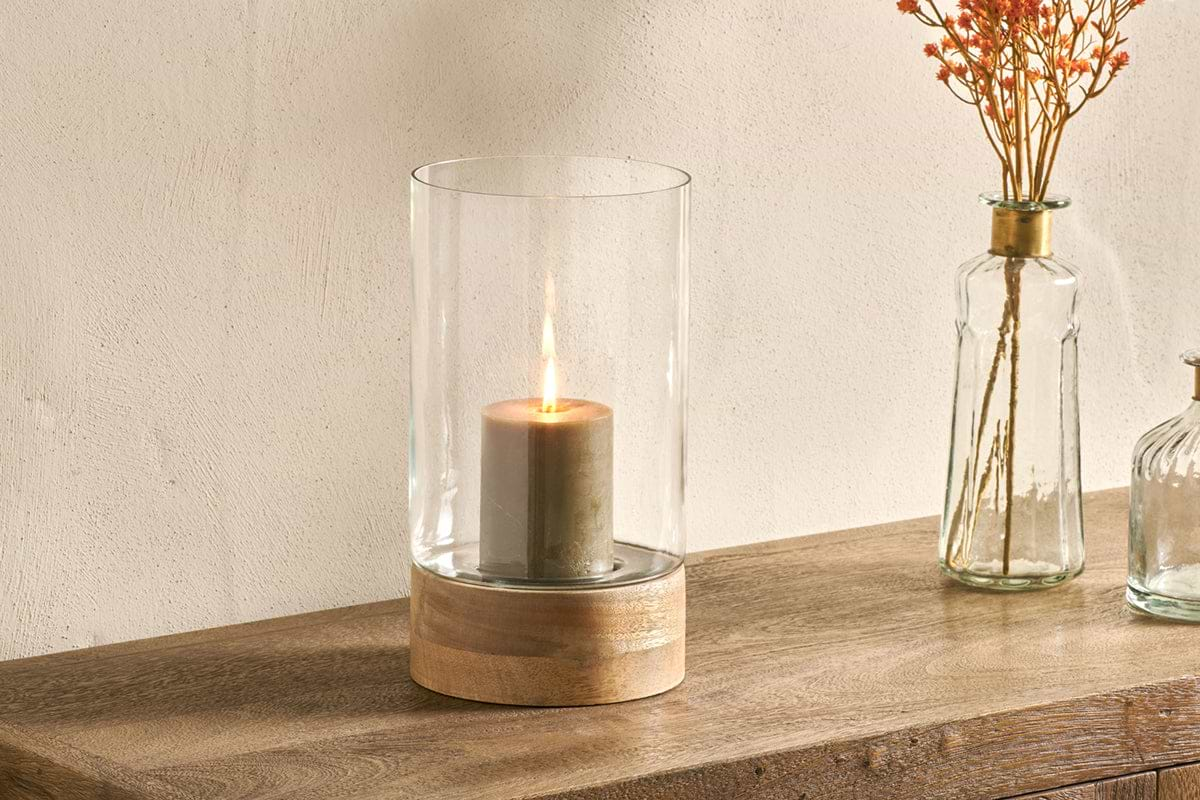
Idha Hurricane Lantern
Straight-sided glass, for candles indoors or sheltered patios.
View at Nkuku →Some links above are affiliate links. If you buy through them we may earn a small commission at no extra cost to you. We only suggest pieces we think fit a calm, lived-in home.
Free guide
The Calm Shelf
12 styling ideas to help you compose calm, balanced shelves in natural texture homes.