

Small homes quickly fill with things that promise to help, but too many “home essentials” can leave shelves packed, cupboards heavy, and spaces visually busy. When storage is tight or a flat has awkward corners, one extra basket or blanket can tip a room from simple to cluttered.
Here you’ll find a short, grounded list that makes daily life easier, and nothing more. You’ll learn what to keep, what to skip, and how each piece earns its place. This works especially well in a compact living room when storage is limited because each essential does more than one job.
The short version: Home essentials for small spaces are a short, carefully chosen set of useful basics that avoid clutter and keep everyday routines calm. Pick simple pieces, set clear rules for what stays, and edit often to keep the space feeling easy and open.
Key takeaways
- A home essentials list helps avoid overfilling rooms by focusing only on daily-use basics in calm, natural materials.
- A woven basket works best when placed where clutter builds, tucking away everyday items in plain sight.
- A linen throw placed on a chair or bed softens the look and feels breathable in all seasons.
- A ceramic jug doubles as both a water pitcher and a vase, cutting down on extra kitchenware.
- Most home essentials lists group basic items by room, according to Simply Be.
- What are home essentials for a small space?
- Where this works best
- How do you avoid clutter while still covering the basics?
- The essential throw: linen or wool for warmth without weight
- The essential basket: woven storage that does not shout
- Styling and placement
- How to build your essentials over time, not in one shop

What are home essentials for a small space?
Home essentials in a small space are basic, functional pieces chosen for daily use and calm looks, never just for show. They keep rooms open, easy to tidy, and free from busy corners.
Most rooms in a compact flat or small house can only fit a few real basics, a soft rug, one good basket, a lamp with warm light, and bedding that gets used nightly. Unlike long shopping lists that try to cover every possible need, this short list asks more of each item and leaves space for rest.
Choosing fewer, more useful home essentials keeps surfaces clear and routines simple. Most home essentials lists group items by room, like kitchen, living, or bedroom, according to Simply Be. This helps you check if you already have what is truly needed without adding extras.
A glass vase or ceramic bowl can serve as storage one day and table décor the next. Compared to rooms with lots of small, single-purpose objects, these flexible pieces keep things light and easy to move around. Use this idea anywhere you want to cut clutter without missing what matters.
Where this works best
This pared-down essentials approach works best in rentals, small flats, and shared homes with limited storage. It suits rooms where open floorspace brings daily calm.
Rooms with tight corners, limited shelves, or little closet space need each piece to earn its keep. In a rental, this might mean relying on baskets and rugs that can move from room to room, or a lamp that suits both a bedroom and living area. Keeping choices slim makes re-arranging easier, especially for those who move often.
Kitchens with only basic storage benefit most from this. A ceramic jug doubles up as a vase and a pitcher. Lightweight throws or foldable stools can hide away in a small bedroom but serve extra roles in the lounge.
Avoid filling every spare spot with a “just-in-case” item. In most homes, the difference between calm and mess is what stays visible. Instead of cramming more storage under beds or piling up trays and pots, keep only as many pieces as you actually use. A shelf with one set of stackable bowls always looks less crowded than one loaded with mismatched extras.
Try this in any rental, studio flat, or first home with limited cupboards and uneven surfaces. The design principle is that visible order, not just the right amount of storage, creates an easier room to live in.
How do you avoid clutter while still covering the basics?
A small-space essentials list prevents clutter by limiting items to what is actually used every day and choosing neutral, flexible versions. Simpler storage and fewer surfaces bring focus and make tidying easier.
Kitchen counters in a small flat can fill up with gadgets and utensils that only see use once a month. If you stick to one sharp knife, a plain cutting board, and your favourite mug, you do not sacrifice utility, just extra clean-up and fuss.
Bedrooms with overflowing drawers often lack a clear rule for what stays. Everyday bedding in neutral tones folds away tidily, making room for towels or a single woven basket for storage. Unlike rooms with piles of patterned pillows, a small stack in plain cotton or linen is faster to keep tight and smooth.
Choose home essentials in natural textures like linen, jute, or ceramic. These surfaces hide light marks, do not shout for attention, and blend with different wall shades. If a room feels hectic, removing one piece, an unused lamp, a busy print, can settle things more than adding a new “solution.” A jute rug will always look lighter on the eye than a thick-pile carpet in a busy pattern.
This works for cupboards, open shelving, and even the back of bathroom doors. A towel rail with one well-made towel needs less washing, hangs neater, and still feels “enough.”
The essential throw: linen or wool for warmth without weight
A linen or wool throw gives quiet warmth, softens chairs or beds, and folds away small, never taking up much room. Choose it over heavy or textured layers for a cleaner look.
Living rooms in UK homes often pair cool evenings with tight spaces. A thick duvet or pinned quilt feels bulky on a two-seater sofa, but a washed linen throw rests easy, can be tucked away in a basket, and looks right even casually draped.
Linen feels cool and breathes in summer, but keeps warmth close on chilly days; wool insulates, but a thin weave stays light. Both age well, softening with each wash instead of pilling or shedding. Compared to polyester or heavy cotton, they do not hold onto lint and rarely show pet hair or mild stains.
Choose neutral, natural colours, night-sand, cream, or grey. Decorative throws with fringe or bold patterns attract the eye and can make a small room feel smaller. Use a soft, simple layer to tie in scattered seating or as an easy extra blanket needed on cold nights. It works on any bed, sofa, or armchair where comfort and quick clean-up are both important.

The essential basket: woven storage that does not shout
A woven basket in a natural finish hides everyday clutter, stands up to daily use, and, unlike plastic bins, brings a warm note to plain floors and shelves.
In entryways and living rooms with no closet, keys, mail, and phone chargers can spread in minutes. A simple basket near the door or under a console keeps these out of sight but close at hand. A jute or seagrass basket ages gently, the handle showing light wear but holding shape for years.
Unlike stacked hard plastic boxes, a woven basket flexes, fits into awkward gaps, and blends with wooden or white shelving. Covered baskets hide laundry or toys; open versions keep shoes or shopping bags upright. Most are light enough for regular use and look best when not overfilled, loose edges breathe and make a piled surface less noticeable.
A basket in the bedroom or living area does the work of a drawer or extra tray, but is easier to move and never looks out of place beside a linen throw or wool rug. Place on open shelving in a warm minimalist home for easy access and a softer look than wire or enamel tubs.
| Woven Basket | Plastic Bin |
|---|---|
| Blends in softly | Draws the eye |
| Feels flexible, lighter | Hard edges, rigid |
| Ages with use | Scratches show |
Styling and placement
Calm styling means leaving space around each essential, repeating textures no more than twice, and keeping contrast low for a soft look. Fill only part of every shelf or floor area.
On living room shelves, placing a single ceramic jug beside a folded throw provides one focal spot. Avoid overloading with many small items. Keep kitchen counters bare except for the one basket or bowl that truly earns its space. In a neutral living room, pale and mottled tones work best for staying visually quiet.
Beds, sofas, and even entryways use these rules. Too many throws or pillows quickly tangle, while a single material repeated once, linen throw on the chair, matching curtain, chimes gently without feeling matchy. Warm metals like the Kiko Brass Frame add light but should land where sunlight naturally falls, not on crowded surfaces.
Quick calm checklist:
- Stick to two or three natural textures (linen, jute, ceramic) in one room.
- Leave at least one-third of any open shelf empty.
- Choose soft, muted colours to let small rooms breathe.
- Place storage (baskets, trays) near where you drop daily items.
- Repeat only one shape or material for quiet balance.
This works in a home office with open storage, a rented living room, or a shared family lounge where everyday things cannot hide away completely.
How to build your essentials over time, not in one shop
Building a calm set of essentials happens slowly, by replacing only what stops working and bringing in just one new piece at a time. This lets each change settle before adding more.
Most home essentials checklists try to cover every project at once, but experts writing at TK Maxx say the basics group naturally by room, kitchen, bedroom, bathroom, and soft furnishings. Try focusing on one area per month: update towels this month, bedding next, then swap in a new storage basket as needed.
Compare that to buying a full “move-in” set in one go or following long lists filled with items rarely used. Rushed choices fill shelves with too many styles and leave you with pieces that cannot move between rooms when needs shift.
Wait on decorative extras until you use what you have daily. A spare tray or vase left in a cupboard adds nothing if it has no job after a week. The rule of thumb: A kitchen feels more settled when only what you use every day is out on the counter. This lets the room breathe, and you can always add a missing piece later if it is truly missed.
What tends to hold up with simplifying home essentials
From reviewing hundreds of compact homes and listening to reader questions, one theme stands out: natural textures handle daily wear best and soften sharp lines. Decorators often recommend baskets and textiles in jute, linen, or undyed cotton, because these age well and do not tire the eye. Matte finishes get recommended again and again for shelves near windows, because they don’t catch glare the way a glossy tray does. Most new home checklists group by room, yet the most-used items work all over the home, not just in one spot. The pieces that last are ones you notice less and lean on more.
, Mara, Loom & Glow
Common questions
What are home essentials for a small space?
Home essentials in a small space are basic, functional pieces chosen for daily use and calm looks, never just for show. They keep rooms open, easy to tidy, and free from busy corners. Most rooms in a compact flat or small house can only fit a few real basics-a soft rug, one good basket, a lamp with warm light, and bedding that gets used nightly.
How do you avoid clutter while still covering the basics?
A small-space essentials list prevents clutter by limiting items to what is actually used every day and choosing neutral, flexible versions. Simpler storage and fewer surfaces bring focus and make tidying easier. Kitchen counters in a small flat can fill up with gadgets and utensils that only see use once a month.
Explore more calm combinations inside our Shop The Look .
Shop the Look
A few pieces that bring soft texture and quiet storage to a small, calm home.
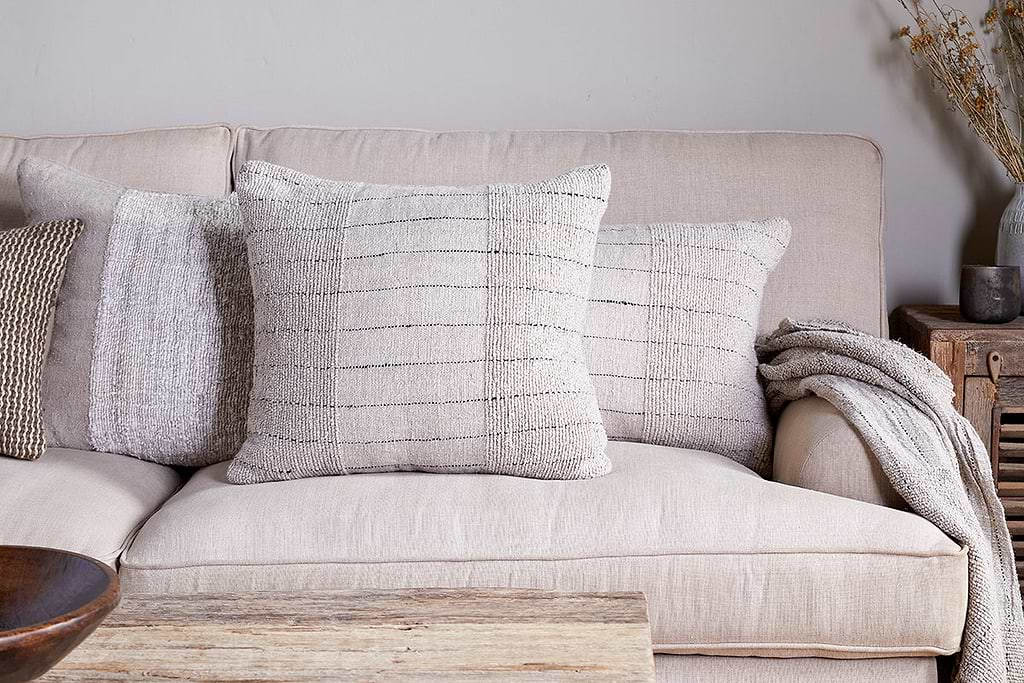
Mayla Cushion Cover
Soft hand-textured cover, instant warmth on linen sofas or chairs.
View at Nkuku →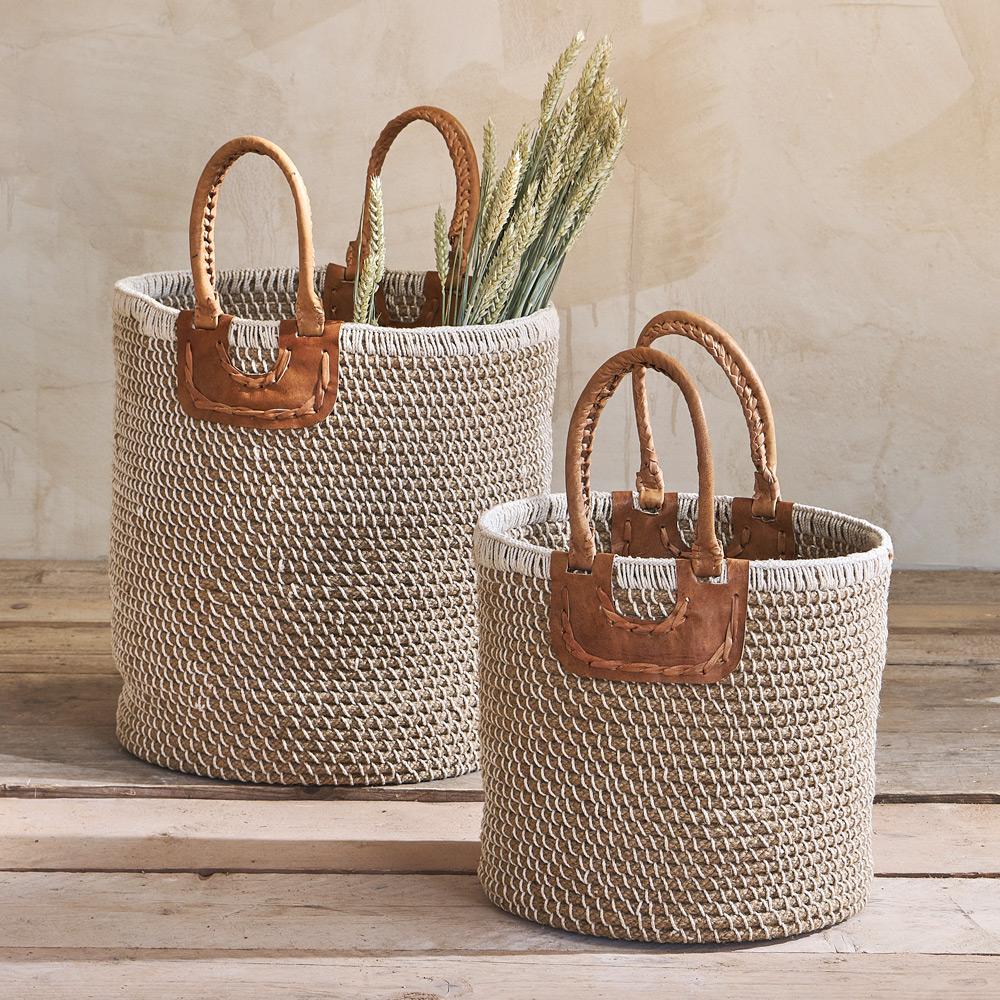
Indra Coil Basket
Natural coil weave, neat enough to leave out, large enough to hide clutter.
View at Nkuku →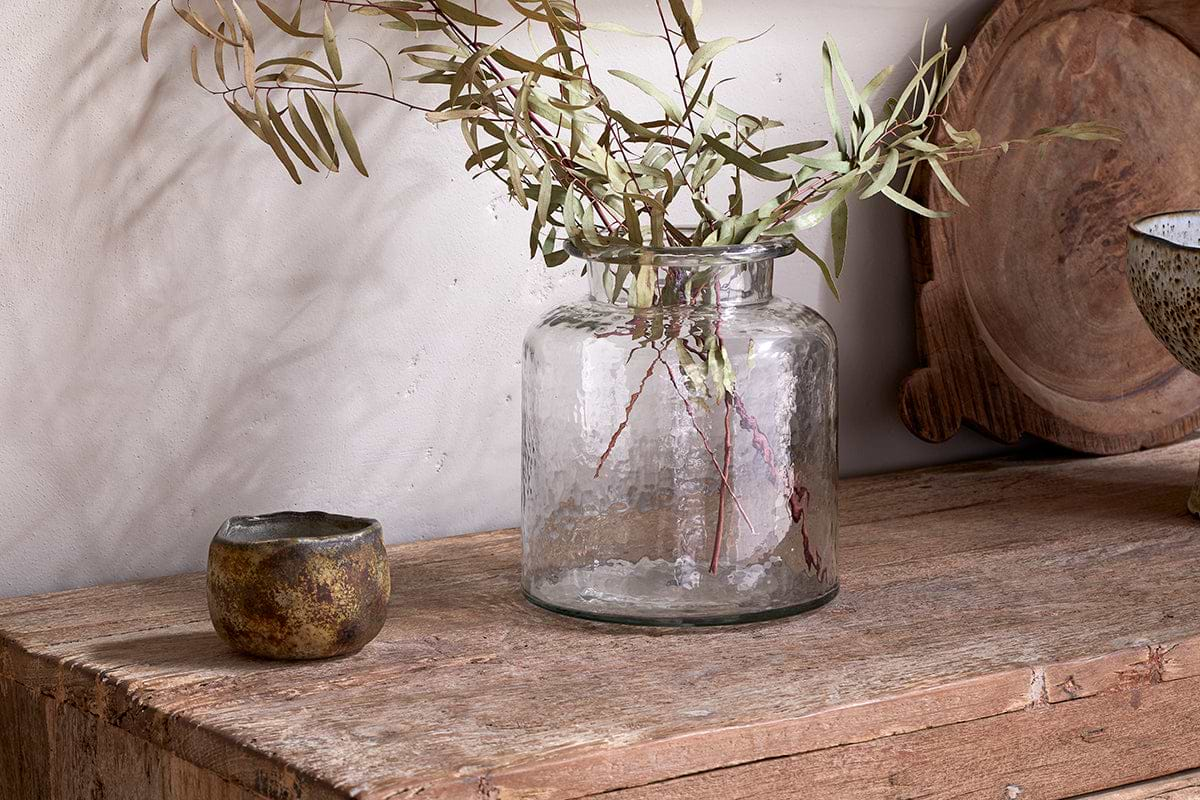
Akra Recycled Glass Vase
Clear cylindrical glass, pairs with stems or sits empty as a quiet accent.
View at Nkuku →Some links above are affiliate links. If you buy through them we may earn a small commission at no extra cost to you. We only suggest pieces we think fit a calm, lived-in home.
Free guide
The Calm Leaf
12 quiet ways to bring dried botanicals, stems, and natural textures into calm spaces.