

Bedroom walls in the UK often end up plain or painted in safe shades. When space feels tight and storage is limited, choosing from the range of bedroom wallpaper ideas uk can be overwhelming. Rental rules sometimes restrict permanent changes, leaving many bedrooms feeling generic and unfinished.
With a few calm pattern choices, you can soften the look and bring subtle interest, even in a small room or temporary home. Today, you’ll learn how to pick and place removable wallpaper that settles gently into the background and still feels personal. This works especially well in a rental or boxy flat when you want more texture but need to keep the walls easy to reset because it adds style without stress.
The short version: Bedroom wallpaper ideas uk work best when you choose low-contrast, removable patterns that suit small or rental spaces. Removable wallpaper makes it easy to try new designs, and calm prints can help a bedroom feel less boxed-in and more personal, even if you have limited daylight.
Key takeaways
- Removable wallpaper is a quick, low-commitment way to update a small or rented bedroom without permanent changes.
- Calm, textured patterns in neutral tones reduce the sense of clutter and make a bedroom feel softer.
- One accent wall can create a visual anchor and brings a sense of order to a small room.
- UK retailers like Very offer bedroom wallpaper from AS Creation, ARTHOUSE and Boutique, with both bold and subtle patterns.
- Choosing the right wall and limiting the palette helps stop the room looking busy or closed-in.
- Why does wallpaper work better than paint in a small bedroom?
- Bedroom wallpaper ideas for a calm, restful space
- The four types of removable wallpaper (and which to choose)
- Where this works best
- How do you choose a wallpaper pattern for a small bedroom?
- Styling and placement
- How to avoid common wallpaper mistakes in the bedroom

Why does wallpaper work better than paint in a small bedroom?
Wallpaper works better than paint in a small bedroom because it brings subtle texture and pattern without closing the space in, while paint can highlight wall flaws.
In a compact bedroom, plain painted walls can highlight bumps or awkward corners. Wallpaper softly masks those marks and gaps, creating a smoother look. Even a muted print can make the boundaries of a small room less harsh.
Choosing wallpaper instead of paint makes a space feel more finished, and softer patterns help the walls melt away. The cause is simple: texture scatters the light, while flat painted surfaces reflect it in ways that show every mark or join.
A flat eggshell finish, for example, may leave the room looking colder compared to a quiet woven-look wallpaper. The gentle weave or pattern on paper blurs sharp shadows and brings detail up close, which works better for low light or windowless rooms.
If you want to make a boxy room feel less harsh, a soft wallpaper gives the eye something to rest on, where paint just underlines the limits of the space. This approach changes the background from flat to layered, so even simple beds or mixed furnishings look more intentional.
For homes with damaged or tired walls, wallpaper hides the old paint lines and avoids the patchy result of fresh paint. That’s especially useful in rentals where wall repairs might be off-limits.
Try peel-and-stick or paste-the-wall wallpaper for the best effect when you want calm texture without total commitment.
Bedroom wallpaper ideas for a calm, restful space
Calm bedroom wallpaper ideas use soft, neutral colours and low-contrast prints to reduce visual clutter in a small UK bedroom.
Quiet patterns set the mood in a bedroom without shouting for attention. Textured neutrals, like linen-effect or crosshatch finishes, bring warmth and life to a room where bold graphics might feel busy. Light taupe, warm grey or clay work especially well for renters or anyone sharing their bedroom with a partner, as these hues calm down clashing bedding and floors.
If you prefer natural patterns, a soft biophilic print (like branches, grasses or a subtle fern) can draw in the feeling of the outdoors on a rainy afternoon. According to Very, damask or marble effect wallpaper can create an eye-catching finish in a living room or bedroom, but for the most restful effect in a private space, look for faded or watercolour versions.
Instead of covering every wall, try a single accent wall behind a low chest or beside a wardrobe. A heavy pattern on all four walls quickly shrinks the room, where one lower-contrast panel brings focus and feels open. A good rule of thumb: a wallpaper works best when less than half the room is patterned and the rest is kept plain.
While maximalist wallpapers are popular with designers, a subtle, small-scale design suits real bedrooms better, especially if the floors, curtains and bedding are already textured or coloured. Calming prints work because they draw the eye gently, without fighting for attention with other elements.
If the room faces north and tends to look grey, steer away from wallpaper with too much blue or black in the print, as this can chill the mood further. Soft sand, oat or faded olive feel warm even on overcast days.
To make the most of these ideas, use the wall opposite the main light source for the calmest effect and keep furniture plain, let the walls do the talking, quietly.
The four types of removable wallpaper (and which to choose)
There are four types of removable wallpaper, peel-and-stick, pre-pasted, traditional paste-the-wall, and self-adhesive vinyl, each suited to different needs in UK bedrooms.
Choosing removable wallpaper can feel confusing if you haven’t looked at the options before. Peel-and-stick wallpaper is the most popular for rentals because it comes away clean and leaves no glue. It feels like contact paper, is easy to trim and reposition, and usually pulls off in one strip when you move.
Pre-pasted wallpaper is great for anyone who wants easy clean-up. It has paste on the back that activates with water. This type sits well in small bedrooms if you’re only covering one feature wall. The paste-the-wall type (offered by Lust Home) is designed to be simple to hang, giving a more traditional finish but still comes down easily without steaming.
Self-adhesive vinyl wallpaper works best in high-traffic areas, think hallways or rental kitchens, since it’s tougher to scuff or peel by accident. Compared to paper-based options, vinyl can sometimes look too shiny under direct light but wipes clean with a cloth, making it great for behind furniture in a bedroom prone to spills or makeup dust.
| Type | Best for | Removal |
|---|---|---|
| Peel-and-stick | Rentals, short-term use | Easy to peel off |
| Pre-pasted | One feature wall | Soak and strip |
| Paste-the-wall | Traditional look, easy removals | Peeled off in strips |
| Self-adhesive vinyl | High-traffic, wipeable | Removable but firmer bond |
Compared to repainting, these options let you swap out your bedroom mood in a single day, with little prep. More textured paper types give the room a gentle, fabric-softened look, while vinyl reads sharper. Try samples first, placing them in natural and artificial light before committing to a full roll.
Whichever you pick, removable wallpaper helps small and rental bedrooms feel less generic and more controlled, as you can take it down or swap styles with very little drama.
Where this works best
Removable wallpaper is best for bedrooms with limited daylight, uneven walls or rooms that cannot be painted, such as rentals or shared spaces.
Spaces that benefit most are box bedrooms, small apartments with low ceilings or any room where storage eats up floor space and wall repairs aren’t allowed. In old flats with cracked paint or patchy skim, wallpaper covers flaws and softens harsh joins so the whole space feels more finished and gentle.
For shared bedrooms, removable wallpaper let’s you zone a bed or workspace visually without creating a sense of division. One accent wall behind a single headboard can set the mood for the whole room without filling every surface.
Avoid using heavy, dark wallpaper in rooms with minimal sunlight, as this can shrink the space and make it feel denser. Instead, pick a lighter-tone print or a subtle texture, especially if the only window faces a brick wall or car park. Bold maximalist prints often look harsh in small rooms when every surface is patterned, while gentle neutrals read softer.
Use removable wallpaper in corners where you want to draw focus away from clutter or built-in cupboards that look tired. In contrast, sticking with plain paint in a guest room sometimes feels unfinished or quick, but one wallpapered wall quietly ties the space together and adds a layer of comfort even on a short stay.

How do you choose a wallpaper pattern for a small bedroom?
For a small bedroom, choose wallpaper with soft, low-contrast patterns and avoid overbearing graphics or oversized repeats.
The size and style of a print makes a difference in a small space. Large, bold patterns can crowd a room, while delicate, repeated motifs stretch the walls and help them recede. Biophilic prints, like small leaves or gentle tree lines, bring life to a wall without pulling all the attention. One wall of textured neutral works when bedding or rugs already have colours or checks.
A bedroom with low light benefits from a subtle design, ideally one that matches at least one room accent. A pale clay, oat, or speckled taupe suits both warm and cool lighting. If the room is already busy with storage or a collection of books, steer clear of maximalist or high-colour wallpapers; they compete for attention.
Unlike big geometric prints that can overpower, softer geometric or faded stripe patterns help define the zone around the bed or dressing area. Compared to plain white or grey walls, these prints anchor the furniture and give the eyes something to focus on, while not making the room feel any smaller.
Try a sample first and tape it up for a few days to check how it looks morning and night. Most wallpapers available from UK retailers like Very, including brands such as ARTHOUSE, AS Creation, and Boutique, come in sample sheets kept specifically for this reason (source).
Use removable wallpaper where you need a focal point, and repeat the calmest hue from the pattern in a cushion or throw for a quiet, unified look across the space.
Styling and placement
The best bedrooms use removable wallpaper as a visual anchor, a single accent wall, spaced apart from shelves and busy corners, placed where the pattern is not blocked.
One accent wall is all you need in most small bedrooms. The most effective spot is not always behind the bed (where pillows and headboards can cover the print), but instead the wall that faces the door or the main window. If storage runs high up one wall, pick the lowest, emptiest wall as your feature. In a children’s bedroom, use a printed wall beside the bed for gentle playfulness and easier swaps as they grow.
Compared to wrapping all four walls, a single panel next to a plain wardrobe or desk softens lines and draws attention away from storage. Try to balance the amount of pattern by keeping bedding, lampshades and curtains in natural, solid shades.
Quick calm checklist:
- Choose natural materials, look for woven, linen-effect or paper-based wallpaper for a softer finish.
- Keep neighbouring walls light or white to prevent visual overload.
- Limit the room’s colour palette to three shades for bedding, accessories and wallpaper together.
- Leave at least half a wall bare of art or shelves to let the pattern breathe.
- Repeat one pattern or tone elsewhere, like in a throw or lampshade, for subtle unity.
Placement is key: patterns work best when they’re not covered by tall wardrobes, stacked boxes or heavy drapes. A bare window wall feels colder than one with a simple tree or stone-textured paper. Instead of covering every surface, let the paper span just one wall for a gentle impact.
Try using wallpaper to define a reading corner or dressing spot. It only takes a small area to set the mood, and moving lighting closer to the patterned wall makes the paper look richer in the evening.
How to avoid common wallpaper mistakes in the bedroom
Common wallpaper mistakes in bedrooms include using clashing patterns, skipping samples or placing bold prints in dark corners where they look heavy.
The most frequent slip-up is picking a pattern too bold for the space. In a small room, this can make the walls feel nearer and crowd the bed. Instead, start with a sample and check it in daylight and artificial light, giving yourself time to adjust.
Another mistake is not aligning the palette. Bedding with a busy print next to a clashing wallpaper can make the whole room feel restless. A simple fix: pick up one or two tones from the wall and repeat them in soft furnishings or art. Compared to a shop photo, a real bedroom with existing furniture always looks better when the wallpaper is quieter than the rest of the room.
If you skip the prep or hang wallpaper straight onto old, flaky paint, even removable papers can peel early. Prepping with a quick clean and sticking to a dust-free surface helps the paper settle in, while skipping this step makes any pattern look careless after a month or two.
Look for prints that echo a material in the room, such as a linen-effect if you have linen curtains, for subtle cohesion. If a room feels hectic, simplify: remove one extra art print or shelf near the patterned wall to restore balance. For more on visual calm, see bedroom colour schemes.
A bedroom looks more finished when the walls have purpose, not when every inch is patterned. Take time to step back and live with a sample before hanging the full roll, reducing costly changes later.
Most people notice the room feels flat, busy, or awkward after adding wallpaper that just doesn’t sit right. The surprising feeling can show up as increased clutter, or a colder, less restful corner. At this moment, the instinct to strip everything away is common, yet a few careful edits can change the mood completely.
The practical shift is choosing a single focal point, one feature wall or a single quiet print, while keeping bedding and furniture calm and complementary. The effect is immediate: the space feels controlled and restful, not busy or haphazard.
When you’re halfway through styling and the wallpaper still looks “off,” it’s often because patterns and objects are crowding each other. Most bedrooms fail here because prints aren’t tested in the room first, or all four walls are covered, making the space shrink. These details matter more now as more people are renting for longer or sharing rooms that weren’t designed as true bedrooms.
Once you scale back to one patterned wall and align the main tones, the rest of the room clicks. The space feels cohesive, light, and personal, whether you own or rent.
Save this idea for later.
Wallpaper finishes and styles that last over time
In rooms across the UK, wallpaper styles with gentle textures, like faux linen or sand-washed neutral patterns, continue to work year after year. Reviewers often point out how these finishes hide light marks and finger smudges, with less need for cleaning or quick replacement. Many decorators recommend paste-the-wall finishes under daylight, as they are less likely to highlight uneven patches or catch glare from reading lamps.
Calm, smaller-scale prints in washed taupe or faded olive don’t go out of style quickly, compared to very trendy graphic patterns. Independent brands remain a steady favourite for unique but mellow designs. Matted papers are also widely chosen for how they wear, they age gently and soften corners where the wall meets the ceiling, which painted edges cannot do as easily.
Mara, Loom & Glow
Common questions
What is the best type of wallpaper for a bedroom?
The best type of wallpaper for a bedroom is a removable or paste-the-wall paper with a soft, low-contrast pattern. These styles go on easily and come down without damaging the surface, which suits both renters and homeowners. Neutral textured finishes tend to wear well and hide everyday marks.
Can you put wallpaper in a rental bedroom?
You can put wallpaper in a rental bedroom if you use removable (peel-and-stick) or paste-the-wall types. These options are designed to come down cleanly when you move out, with no damage to the walls. Always check your rental agreement first but most UK landlords allow temporary papers.
How do you choose a wallpaper pattern for a small bedroom?
To choose a wallpaper pattern for a small bedroom, look for soft, neutral shades and subtle designs with a small repeat. Avoid high-contrast graphics, as they can make the space feel tight. Calm prints in faded taupe or natural textures anchor the room without crowding it.
What are the current bedroom wallpaper trends in the UK?
Current bedroom wallpaper trends in the UK feature textured neutrals, subtle geometric prints, and gentle biophilic patterns that bring nature inside. UK brands like ARTHOUSE and Boutique offer both calm and bold styles. Removable and paste-the-wall papers are especially popular due to their flexibility and ease of use.
Explore more calm combinations inside our Shop The Look .
Shop the Look
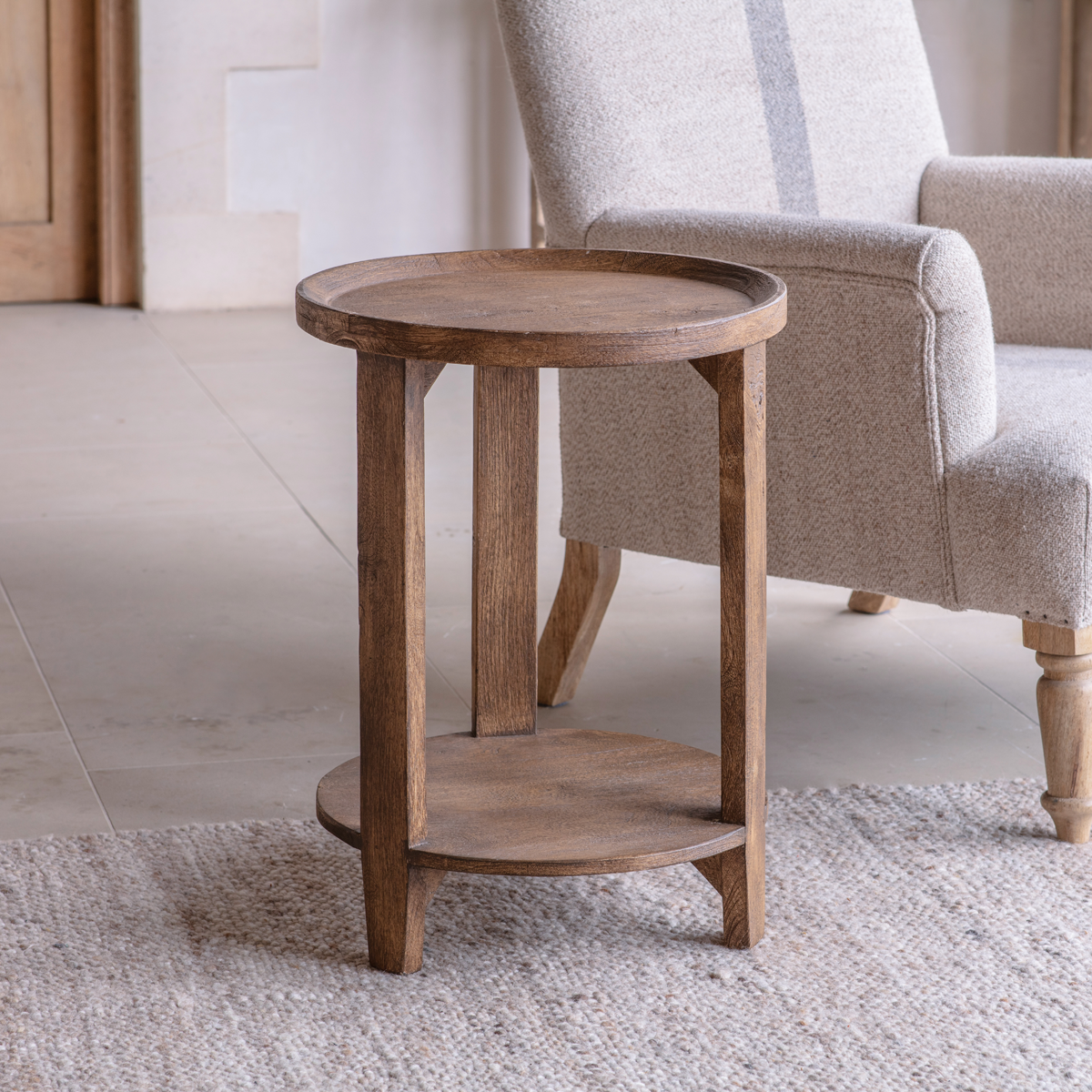
A few Nkuku pieces that sit gently in a small, papered bedroom.

Nkomi Basket
Woven storage with a calm silhouette, works open or tucked under a console.
View at Nkuku →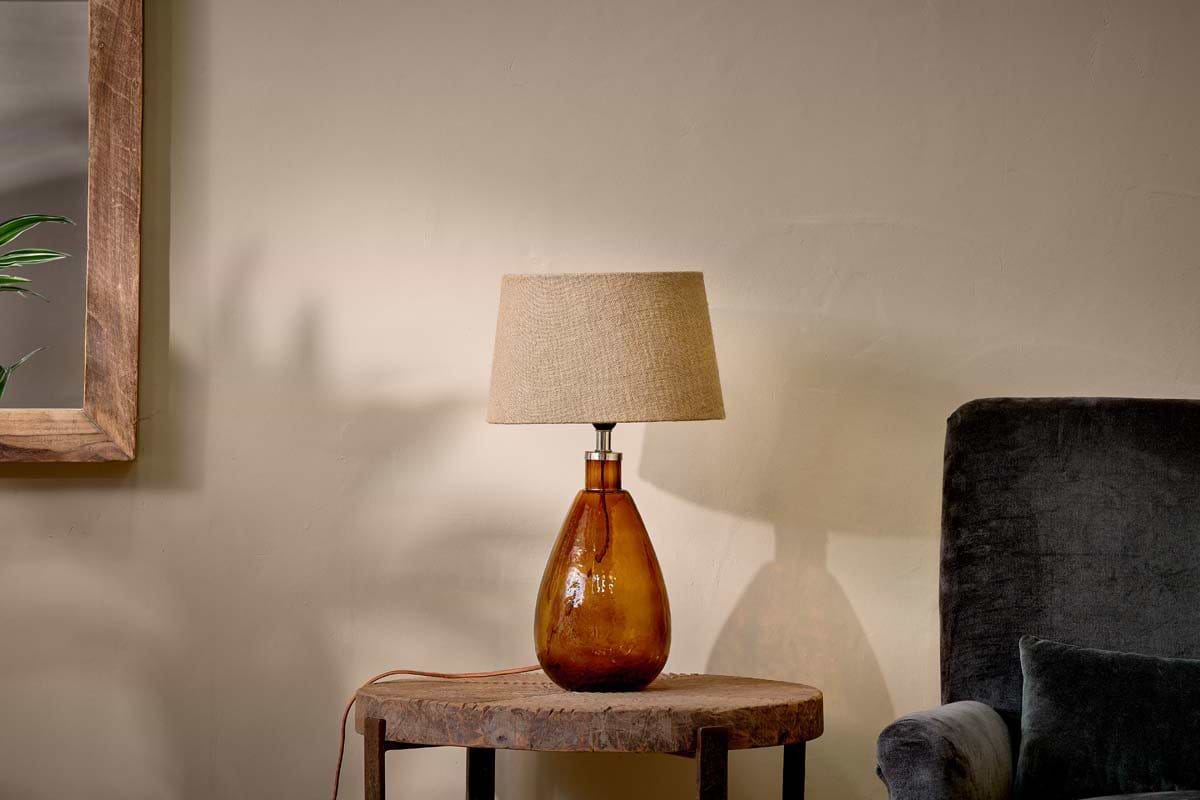
Some links above are affiliate links. If you buy through them we may earn a small commission at no extra cost to you. We only suggest pieces we think fit a calm, lived-in home.
Free guide
The Calm Shelf
12 styling ideas to help you compose calm, balanced shelves in natural texture homes.