

In a shared flat, personal space is often lost under the overflow of other people’s things, coats on your chair, kitchenware on your table, one too many shoes at the door. With routines clashing and limited room to retreat, it is easy to feel like you have nowhere of your own. Anyone who has tried to claim a quiet corner in a busy home knows how quickly that calm gets washed away by noise, clutter, or someone else’s schedule.
This guide lays out simple ways to create a small, calm spot just for you, even if you share every room. You will learn what to shift or remove, where to pick your spot, and how to style it, so you can enjoy a little personal comfort every day. This works especially well in a compact living room when you have to share with flatmates because even a small corner can give you a real sense of peace.
The short version: You can create personal space at home by choosing one corner or surface, clearing it, and adding just a few calming items. Even in a shared flat, picking and styling a small spot can give you a sense of control and calm.
Key takeaways
- A personal space works best when you pick one clear boundary, like a corner or shelf top.
- Everyday objects, such as a small rug or a table lamp, can visually signal your zone.
- The rules for personal space are often unwritten and need gentle reinforcing for comfort (source).
- Clearing clutter lifts weight from a small space and helps it feel restful.
- Shared homes need quiet reminders to respect each other’s chosen spots.

What does personal space mean in a flat?
Personal space in a flat means choosing and keeping a small area, like a chair, a shelf, or a corner, that feels under your control. It is about marking one zone as yours, even when you cannot close a door.
In shared homes, personal space is not always about having a full room. Often it means a nook behind the sofa, a chair under the window, or a tray on a coffee table nobody moves but you. This small area helps you feel grounded when the rest of the house is busy or loud.
Unlike in a private bedroom, the boundaries here depend on visible signals. A folded blanket, a stack of books, or a personal photo claims the spot in a plain but recognisable way. Guests and flatmates see that an area belongs to you, so respect comes more naturally.
Having even a small patch that is always yours makes you feel more comfortable in everyday life. The effect is simple: you are less likely to feel ignored, rushed, or overwhelmed, especially if others learn not to move or fill your things.
The research on personal space explains that boundaries are not just physical but social. Feeling crowded or overlooked can drain energy. A shared flat needs clear signals so everyone feels seen.
To make this work, pick one spot you can manage, not the whole room. This helps both visually and emotionally, small, clear boundaries are easier to keep calm day after day.
The one rule for claiming your spot in a shared flat
The most effective rule is to keep your personal space visually clear and repeat one soft signal, such as a specific lamp or textile, so the message is consistent. This method helps others recognise and respect your boundaries without discussion.
The simplest way to maintain personal space is to anchor it with a strong visual cue, then avoid mixing in items that belong to common use. If your spot has a cushion, a narrow plant, and nothing else, it stands out. Add clutter from the house and the signal fades.
Most people do not set out to cross boundaries. Instead, the problem shows up because your signals blend into the rest of the room. If you always keep one unique object, say, a clay mug or a patterned throw, friends and family learn that this corner means “pause” or “do not disturb.”
Unlike spoken reminders, repeated visual cues persist when you are not there. It feels smoother and avoids awkward moments. Borrowing cues from social routines (like a pair of reading glasses on a book) makes it clear when a spot is claimed but not completely off limits.
The rules for personal space are usually unspoken. Shared homes run best when everyone uses simple, visual reminders to set expectations.
Pick one marker and keep the rest minimal. This is more effective in a busy house than asking for a sign or leaving notes.
Where this works best
Corners of the living room, the side of a long hallway, or a window ledge in a study are often the best spots for setting up a personal zone. These spaces are easy to claim without asking anyone to move furniture or switch routines.
Shared living rooms get a lot of foot traffic, so the inside corner of a sectional, or even the spot just beyond a tall plant, works well. In bedrooms, a ledge by the bed or a low cabinet end can feel private because other people pass by but rarely stop there.
Open plan flats often have side walls or deep window sills that stay empty. Placing a slim chair, a folded blanket, or a quiet stack of books here turns forgotten space into a calm spot fast. These areas do not demand rearranging, only a small shift in use.
Avoid picking high-traffic pathways or the exact centre of any room. These spots easily become dumping grounds for bags, shoes, or leftover mugs. The result is your personal space gets swallowed up as the day goes on.
Bedrooms with limited storage or living rooms with too many screens are tricky for finding boundaries. Look instead for slightly hidden corners or soft, low-traffic edges where you can keep a few personal things in view.
If you pick a spot near a shared shelf, such as under a floating bookshelf or at the end of a sideboard, you can keep only your items in that mini-zone, making it easy for others to know not to leave their things there.
Rooms work best for calm corners when they have at least one bit of surface or floor space that is out of the main flow. The top of a bookcase or under a window are often overlooked but quietly become the most restful areas.
reading nook ideas can be found in these types of spaces, making even a small flat feel welcoming.What not to put in your personal space
Avoid adding stray objects, unsorted mail, or anything that belongs to everyone else; too much stuff erases the sense of ownership. Choose only items that support rest, calm, or comfort to keep the spot personal.
The most common mistake is letting shared items spread into the corner you have claimed. This happens with keys, chargers, shopping bags, or half-finished projects. The result is the zone quickly stops feeling like yours and loses its soothing feel.
Unlike a cluttered corner, a clear shelf or single tray reads as finished and stable. A stack of magazines may feel personal for some but, if left messy, it creates visual noise. One or two well-chosen books or a clean journal look quieter and easier to keep tidy.
Glass ornaments or breakables also backfire in shared spaces. They invite accidents, especially if children or pets are around. Instead, a folded throw or a small clay bowl gives the same effect with less worry about damage.
Avoid using loud colors or anything too bright, which pulls your area into the rest of the room. Muted tones and low-contrast patterns stay restful. Too much pattern or too many small objects can make the area look busy rather than calm.
Most importantly, never let a personal corner become a dumping zone. This simple check, are these objects mine or shared?, keeps the space from slipping back into chaos.
If in doubt, remove anything you did not pick for comfort. The less you keep, the calmer the spot becomes.

How can you signal your space without saying a word?
A single light, a personal blanket, or a small rug creates a clear visual cue that the space is meant for one person. These signals work better than spoken claims in everyday routines.
Lighting is the quietest marker. A small table lamp, fairy lights in a jar, or a directional floor lamp catch the eye and make a spot feel private. Most corners with a dedicated light get respected by flatmates without discussion.
A soft rug or mat under a chair, especially one with a gentle pattern or natural weave, sets visual boundaries from the rest of the room. When feet touch a distinct surface, the transition to “your space” feels clear.
Plants, especially tall but narrow ones, mark a zone without blocking light or taking over. A leafy green in a clay pot tucked by your chair or on a ledge gives shape to the boundary without making the area look boxed in. Compared to a screen or heavy divider, a single plant reads fresher and lighter.
Using personal objects on visible surfaces, such as a cloth napkin, a journal, or a clean mug, shows quiet ownership. Unlike putting up a sign or asking others to leave, these items act as gentle reminders that do not disrupt anyone else’s flow.
Borrow ideas from small space decor, where every item is chosen to look intentional and calm. This way, you avoid clutter and keep your personal zone feeling cared for without words.
When your markers are both clear and consistent, others learn your boundaries naturally and are less likely to forget or intrude.
Styling and placement
Limited color, soft textures, and one focal point help a small area feel like a personal nook instead of leftover space. Styling the corner simply makes upkeep easy and signals calm to the whole room.
Styling a personal space starts with a small baseline: a cushion or throw in a soft, breathable fabric, a solid side table, and perhaps a single textured object, like a wooden bowl or a natural candle. Materials with a gentle touch, such as linen or cotton, soften the edges and keep a corner from feeling cold.
Placement matters as much as material. The best feeling comes when each item lines up with a function: the lamp aims at your book, the rug sits under your feet, the basket holds your own things only. A personal nook works best when the eye lands first on one focal shape, such as a wide pillow or a woven tray, resting everything else in the background.
Compared to a crowded surface, a clear, neat arrangement is easier to keep tidy and feels more stable throughout the week. A cluttered corner takes more effort to maintain and invites others to drop their things.
Quick calm checklist:
- Stick to soft fabrics and natural materials, think linen, wood, or clay.
- Leave small gaps between each item for breathing room.
- Pick no more than two main colors and keep patterns subtle.
- Place one key object (like a lamp or plant) slightly off-centre for balance.
- Keep a floor basket or box for your things, never housemates’ extras.
Most floating shelves work best with about two-thirds of the space left clear, so stash only what you value most. This way, the spot stays restful and unmistakably yours.
small bedroom storage lessons apply here, guiding you to keep only what counts in sight and simplify the rest.How do you reset your space if it gets invaded?
A 15-minute reset, removing stray items, smoothing fabrics, and resetting your markers, restores personal space whenever it is lost. Make this a low-pressure routine, not a big chore.
In shared flats, even the best spot will sometimes fill up with everyone’s things or get borrowed. Instead of feeling stuck, treat “reset time” like brushing your teeth, quick and regular. Carry anything that is not yours back to the main area, refold your blanket, replace your book or mug on the surface.
If something important goes missing or your objects keep being moved, talk about simple cues. Most people respond well to a quiet lamp or a basket that stays in the same place as a sign to leave that area alone.
Unlike a full tidy-up, resetting one corner does not require much time. Set a timer for a short window and focus on just that spot. In most homes, 15 minutes is enough to restore calm and signal to others that the space matters to you.
Physical resets work best alongside gentle reminders. A hand-written card or a new plant refreshes the area and brings attention back to your boundary, especially if a housemate or guest keeps crossing it unintentionally.
Take inspiration from what not to do when decorating. Focus on what to protect, not just what to add, for long-term comfort in a shared home.
The difference after even a quick reset is clear, the area feels lighter and you start using it for what you want again, instead of letting it blend into the rest of the flat.
Often, you notice something feels off when your spot starts to see more mess or interruptions. Maybe a pile of shoes lands where you usually read, or a side table fills with everyone’s takeout cups instead of your lamp. At first it seems harmless, but after a while, your comfort fades with every new item that is not yours.
The practical shift comes from choosing one focal piece or marker and removing any extras, freeing up both surface and sightline. As soon as your chair, ledge, or tray has only your things again, the sense of calm returns. Suddenly, it feels like a small room within a room.
One everyday mistake is letting your area slide into shared storage, so the zone never feels finished. A spot filled with leftovers, laundry, or other people’s things looks busy and is overlooked. Keeping to your rule, one main object, your own materials, prevents this from creeping in. A clear corner lifts mood and invites you back in, making the whole room feel more settled.
Once you reset your corner and anchor it with one or two familiar signals, the rest of the household understands the cue. You enjoy using the space again, and it stops feeling like borrowed ground.
Save this idea for later.
What materials and solutions outlast trends for shared living?
Natural materials last quietly. Linen cushions, thick-woven baskets, and unfinished wood are consistently easy to look after and do not go out of style. Reviewers note that flatwoven cotton rugs still look good even after frequent spot cleaning, and solid clay bowls take daily handling without marking easily. Matte finishes, especially for lamps, trays, and planters, are often recommended, as they do not show dust or catch glare the way glossy objects do near windows.
Decorators often suggest repeating a texture rather than a colour; for example, two wool throws in different shades feel linked without requiring a perfect palette match. In long-term shared homes, movable objects, like a side table on light legs or a narrow book ledge, prove most flexible because they suit layout changes as people come and go. Over time, boundaries marked by these materials wear in rather than out, keeping a sense of ownership reliable and comfortable.
Mara, Loom & Glow
Common questions
What are some everyday examples of personal space?
Everyday examples of personal space include keeping one chair at the dining table just for yourself, setting out your own mug and book on a side table, or making the end of a sofa your usual reading spot. People also use specific areas, like a section of a shared closet or a favourite spot near a window, to mark where they feel most comfortable.
Why might someone invade your personal space?
Someone might invade your personal space out of habit, by accident, or because they do not notice your boundaries. Shared homes often blur lines between private and community areas. Setting clear visual cues and gentle reminders helps others learn to respect personal spots over time.
How is personal space defined?
Personal space is the area around a person that they consider their own, where they feel comfortable and in control. People set these boundaries differently depending on social context, culture, and available space. According to experts, personal space is about how close you can be to people in different situations without making them feel uncomfortable.
Why is respecting personal space important?
Respecting personal space is important because it helps everyone feel safe, relaxed, and valued in a shared environment. When people know their boundaries are seen and understood, there are fewer misunderstandings and less tension. This simple courtesy supports better wellbeing in everyday life.
Explore more calm combinations inside our Shop The Look .
Shop the Look
A few Nkuku pieces that help carve out a quiet, personal corner in a shared flat.
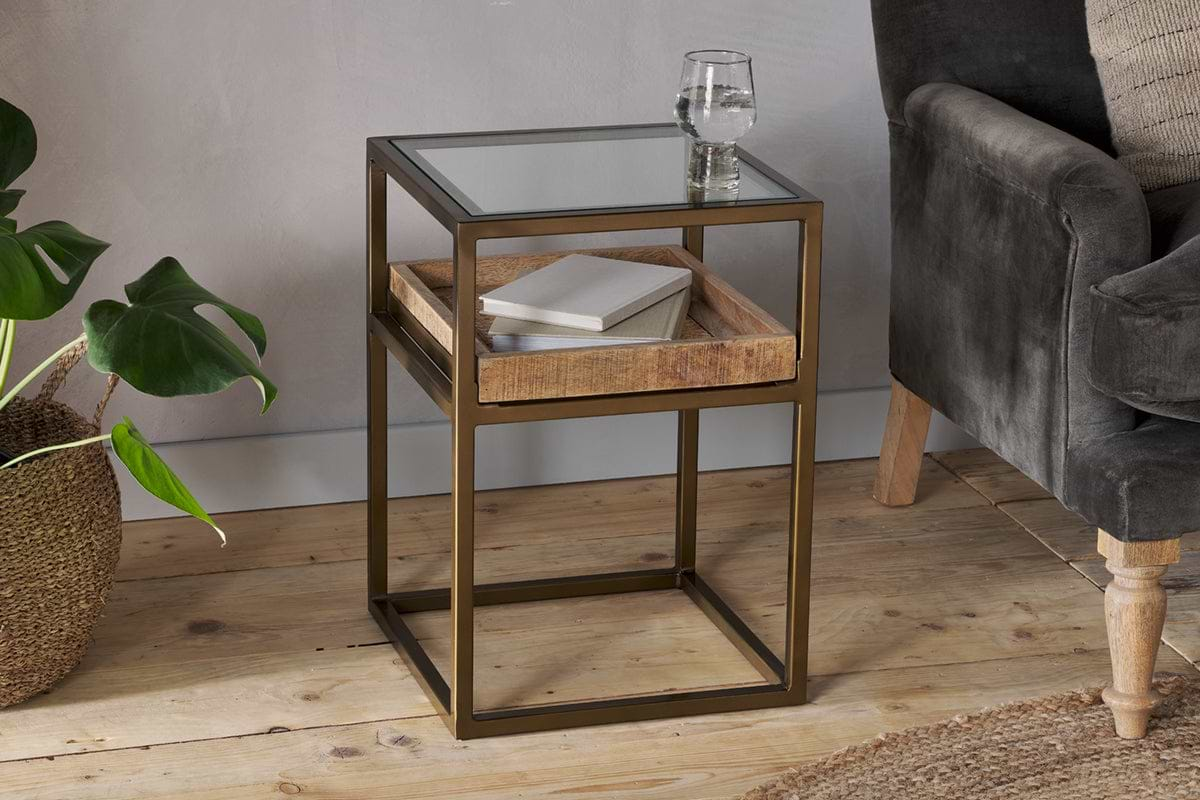
Luzon Side Table
Iron and mango wood with display shelf, small footprint, double function.
View at Nkuku →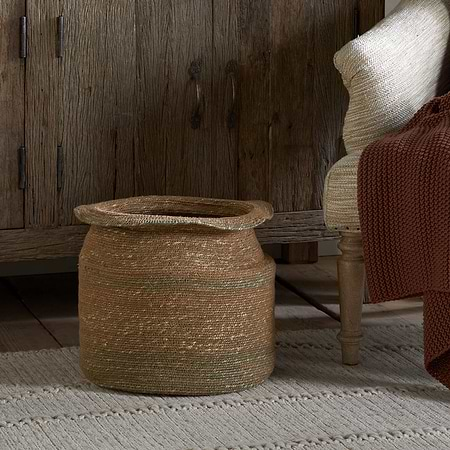
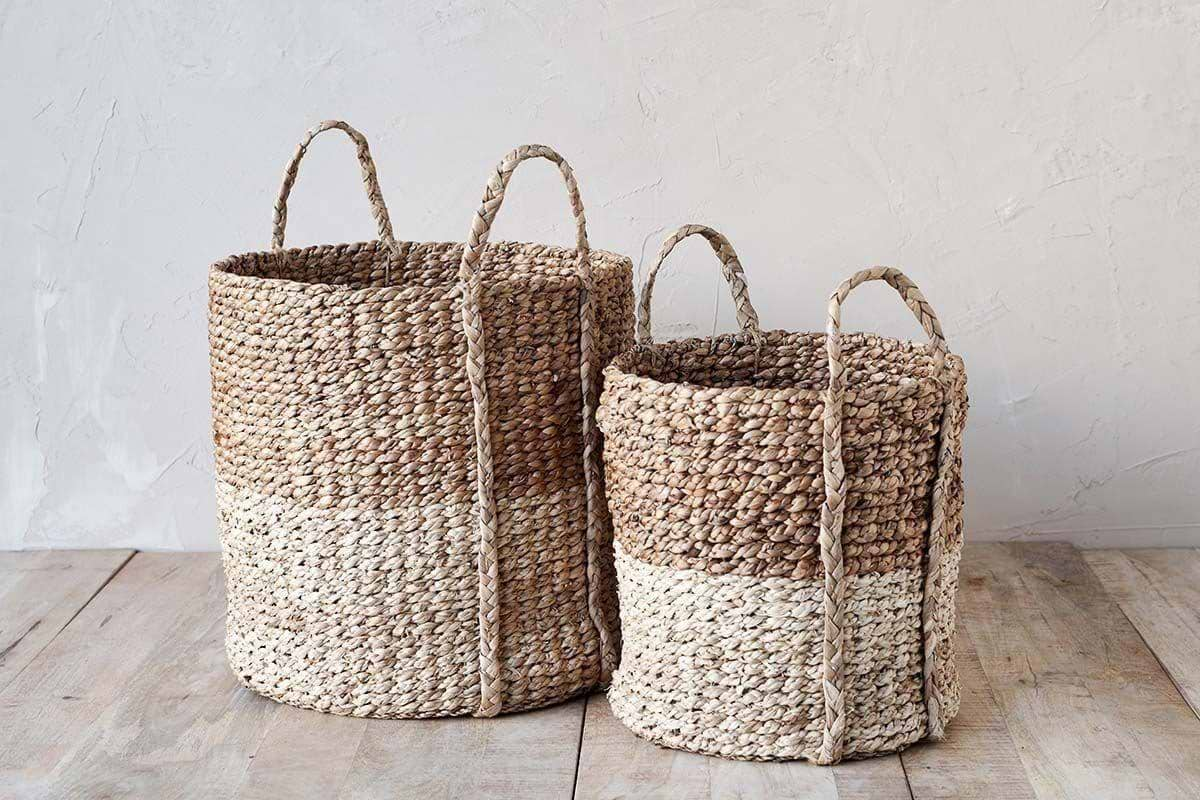
Nkomi Basket
Woven storage with a calm silhouette, works open or tucked under a console.
View at Nkuku →Some links above are affiliate links. If you buy through them we may earn a small commission at no extra cost to you. We only suggest pieces we think fit a calm, lived-in home.
Free guide
The Calm Shelf
12 styling ideas to help you compose calm, balanced shelves in natural texture homes.