

Many people searching for bedroom art ideas worry about making their space feel even busier. It’s common to see empty walls and want to fill them, but stacking prints or mixing too many subjects can create tension instead of rest. Most guides do not explain the effect of art on how you fall asleep or unwind.
Today, you’ll learn how to choose art that soothes rather than distracts. You’ll see what to leave out, how to decide between one big print and a gallery wall, and techniques for letting art anchor calm instead of adding noise. This works especially well for a small apartment bedroom with mismatched bedding when blank walls amplify the feeling of unfinished space because one simple piece can gently centre the eye.
The short version: The best bedroom art ideas use one large, restful piece or a pared-back gallery to focus the mind and soften the mood. Choosing gentle colours, minimal imagery and quiet placement helps make the bedroom feel less busy and more like a place you want to rest.
Key takeaways
- Bedroom wall art with muted colours and fewer subjects helps reduce visual noise at bedtime.
- One big print with calm lines, or a tightly grouped pair, brings more stillness than a scattered gallery wall.
- Symmetry is a rule interior designers recommend for bedroom art because it naturally settles the eye.
- Botanical, abstract and landscape prints are popular for bedrooms due to their soft shapes and relaxed tone.
- The typical height for bedroom wall art is at eye level above the bed to keep it feeling contained.

Why calm art matters more than rules
Bedroom art shapes the way you settle down at night by shifting what your eye focuses on, so the best pieces don’t grab attention but quietly support sleep.
A bedroom with loud, busy art can feel unsettled even if every frame is hung at the “right” height. Decorating rules often focus on placement or matching styles, missing how colour and subject change the mood as you get ready to wind down.
The way bedroom art ideas work is more about brain response than trend. Bedroom wall art affects quality of rest by setting a backdrop for how your thoughts move as you drift off, according to recent studies on colour and imagery.
Unlike living rooms, bedrooms are for letting go of tasks. An illustrated print with wild lines or shouting colours pulls your mind back into activity. Soft shapes, like a watercolour mountain or cloud, slow the senses. Choosing gentle art instead of following style rules centres rest over display. A room feels different when the last thing you see is easy on your eyes and mind.
In practice, select bedroom art that sits quietly, like a soft-hued abstract or a single plant print above the bed, and you will notice sleep comes more easily.
Where this works best
Bedroom art ideas work best in rooms with few distractions and simple layouts, especially when the bed is the main feature and storage is tucked away.
Small bedrooms and rentals often come with blank walls, little sunlight, and neutral floors. In these spaces, even one framed piece can change the feel from sparse to complete. Choosing the right kind of art makes these basic rooms feel more personal and soft.
Placing calming art behind or beside the bed helps the whole space seem unified, no matter if the bedding is plain or mixed. If you share a room, a large botanical print or landscape above the headboard becomes a shared visual anchor without clashing with two sets of colours or habits.
Avoid adding tiny prints spaced far apart or stacking multiple styles vertically, which can leave the space feeling chopped up and restless. A single piece with quiet lines anchors calm, while crowded arrangements often read as busy.
One gentle artwork above the bed suits a room with a simple rug, minimal furniture, and soft morning light.
How do you avoid visual noise on your bedroom walls?
You avoid visual noise on bedroom walls by choosing art with soft shapes, few colours, and simple frames, then spacing them to allow blank wall between each piece.
Rooms feel hectic when every wall is filled or the art includes lots of sharp contrast. One of the main causes is combining bold posters, personal photos, and vintage prints without a clear link. The effect is jumpy and unsettled.
A bare wall can feel cold, but adding three unrelated prints makes the space even choppier. Instead, hang a matched pair of soothing botanical drawings, each in a natural wood frame, with clear space around them. The eyes settle and the mind follows.
Compared to rooms coated in art, bedrooms with gaps or repeats of the same motif are calmer. Leaving at least half the wall empty keeps the space open. According to interior designers, symmetry brings quiet and order behind the scenes, so try matching sides or heights.
A simple pair of ink line prints flanking the bed or a small field painting above a dresser prevents clutter and draws focus.
What subjects actually help you relax?
Bedroom art with gentle landscapes, abstract forms, or simple botanicals helps most people drop daily stress and slow their thoughts.
At night, strong faces or storytelling images keep your mind active. Popular subjects for bedroom wall art like meadows, leaves and coastal scenes are chosen for their restful curves and lack of conflict. These let the eye move slowly and quietly across the wall before sleep.
Abstract paintings with smooth movement, such as gentle washes of colour or big loops, support rest by keeping the mood light. On the other hand, prints with lots of angles or words can stir up mental to-do lists.
Unlike graphic posters, real botanical art uses shapes and muted tones to bring a sense of air and space. Photography with a blurry horizon or soft mist lets your brain ease out of daytime thinking, according to art researchers.
Place a brushed field scene, a single dark leafy stem, or a calm beach print above the nightstand to shift your room into evening.

Styling and placement
The best place for calming bedroom art is above the bed at eye level, framed simply, with enough space that it stands alone without crowding the wall.
A room with low ceilings gets weighed down by frames hung too high, while art set right above the headboard draws the space upward instead. Art retailers often recommend matching the frame style to your bedside table or curtain rod for quiet order, rather than mixing every material.
The effect of calm is stronger when art fills less than two-thirds of the empty wall above a bed or side table. Unlike office art, which aims for energy, bedroom art relaxes the eye by using soft, matte frames and restful placement.
Compared to busy gallery walls, bedroom art works best with tighter groupings or solo pieces. A print set low on a shelf or hung centered over the bed helps avoid a top-heavy look.
Quick calm checklist:
- Choose natural wood, linen, or pale metal frames to keep edges soft.
- Hang art at eye level or just above the headboard for coherence.
- Space pieces with at least one print’s width of blank wall between, unless grouped as a set.
- Limit the main palette to 3 restful colours for every wall display.
- Balance the largest piece centrally if possible, to keep the room from feeling tilted.
A beach print in a maple frame above the pillows makes the head of the bed the natural focus.
Should you choose one big print or a gallery wall?
One large, gentle print usually adds more calm to a bedroom than a busy gallery wall, but a paired or trio arrangement can work when tightly grouped and visually quiet.
A common dilemma is deciding between one big piece and a gallery wall. In bedrooms with simple bedding and plain floors, a single print with lots of blank space around it draws the eye and reduces clutter. Gallery walls sometimes look heavy or mismatched if the styles, colours, or frames feel random.
When comparing the two, a focused grouping works only if the pieces share one subject (all botanicals, or all black-and-white photographs) and similar frames. Unlike stairways, bedrooms rarely improve with a wall full of tiny prints. Instead of variety, repetition soothes.
| Option | Best for | Downside if overdone |
|---|---|---|
| One Large Print | Rooms with little furniture and blank walls | Can dominate small rooms if colours are too bold |
| Gallery Wall | Spaces with subtle bedding or neutral paint | Feels busy if pieces clash or are too small |
Most people notice the room feels calmer and more finished when one big piece above the bed sets the tone for the rest of their decor. For renters, leaning two coordinated prints on a simple shelf can group art naturally with less commitment.
Hang a single landscape, or balance two matching abstract prints above twin nightstands, to see the effect on quieting your space.
Explore more bedroom prints if you want ready-to-frame calming options that fit real bedrooms.
How to choose colour palettes for a calm bedroom
Choosing a calm bedroom art palette means sticking with just a few colours, ideally muted or natural, and using texture for interest instead of lots of contrast.
The most relaxing art for bedrooms uses soft blues, greens, greys, or faded terracotta. Bold brights or lots of colour changes catch the eye and keep you alert. In rooms decorated with plants or linen curtains, artwork that repeats one or two of these colours supports a peaceful mood.
Unlike gallery walls in living rooms, bedroom colour should aim for rest over vibrancy. Using watercolour washes with natural edges or minimal photography in black and white helps the art feel like part of the room rather than a billboard.
The effect is smoother if the art’s background shade is similar to your bedding or wall paint. According to recent research, art that blends with the overall palette rather than interrupting it is more likely to support sleep quality.
Try a pale sky, sand, or single-stem botanical print as your main art for a gentle finish.
For extra ideas about keeping colour gentle, find inspiration in neutral bedroom decor styles on our site.
The moment you notice something is off in your bedroom is often right before sleep. The walls feel empty but adding more prints only makes the space busier, not calmer. The sight of mismatched art or bold posters can leave your space unsettled, especially when the rest of the room is simple.
The practical shift comes from picking one restful piece as your focus and repeating its colours or textures elsewhere, so the eye can settle instead of darting around.
A common mistake is choosing art based on trend, matching bedding, or filling space just to cover walls. This can make the room heavy or distracting, leading to restless nights. Many homes end up with too many small frames or art with clashing themes that compete for attention.
Once you anchor the room with a simple, restful artwork, everything feels lighter and it’s easier to relax.
Save this idea for later.
What tends to hold up with bedroom art and calm spaces
Over years of observing how bedrooms actually feel, one pattern stands out: rooms with less art, but more space around it, remain restful even as styles change. Reviewers often report that natural textures like linen and pale oak soften hard edges, and matte finishes hold up better than glossy frames in low light. Symmetry does the most work for calming a bedroom, a point interior designers recommend again and again.
The difference is usually small but real, one gentle piece above the bed lasts through many bedding swaps, and plant-based or abstract art is still the most long-lived silent anchor in calm rooms.
, Mara, Loom & Glow
Common questions
How does bedroom art affect your ability to fall asleep?
Bedroom wall art affects quality of rest by setting a backdrop for how your thoughts move as you drift off, according to recent studies on colour and imagery.
What should you avoid when decorating bedroom walls with art?
Avoid adding tiny prints spaced far apart or stacking multiple styles vertically, which can leave the space feeling chopped up and restless.
Which art subjects work best for a restful bedroom?
Bedroom art with gentle landscapes, abstract forms, or simple botanicals helps most people drop daily stress and slow their thoughts.
Why is symmetry important when hanging bedroom art?
According to interior designers, symmetry brings quiet and order behind the scenes, so try matching sides or heights.
Explore more calm combinations inside our Shop The Look .
Shop the Look
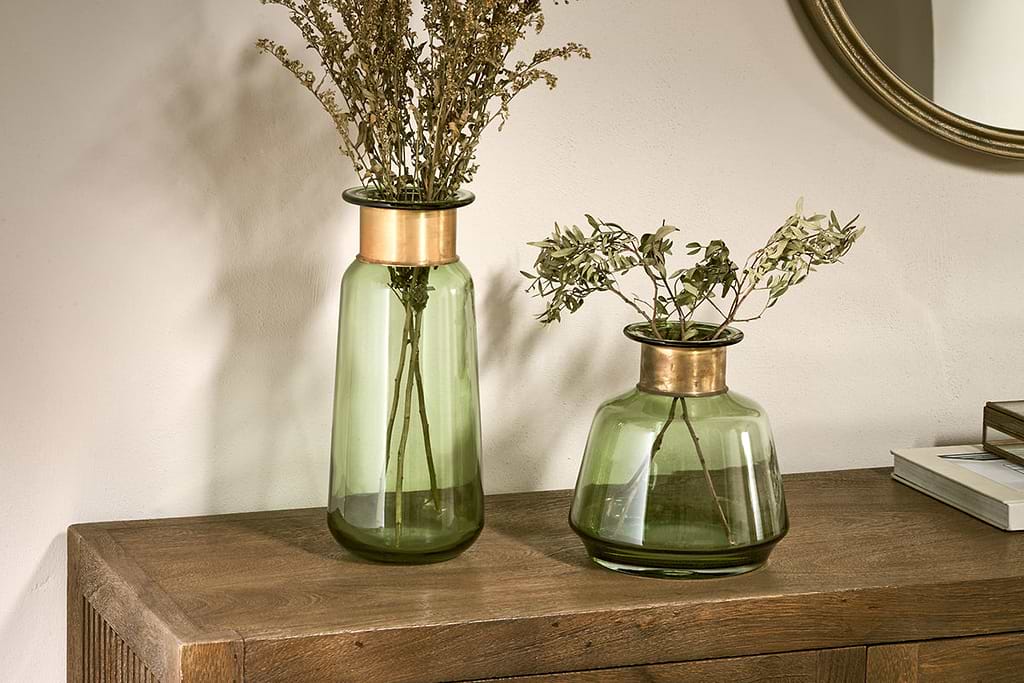
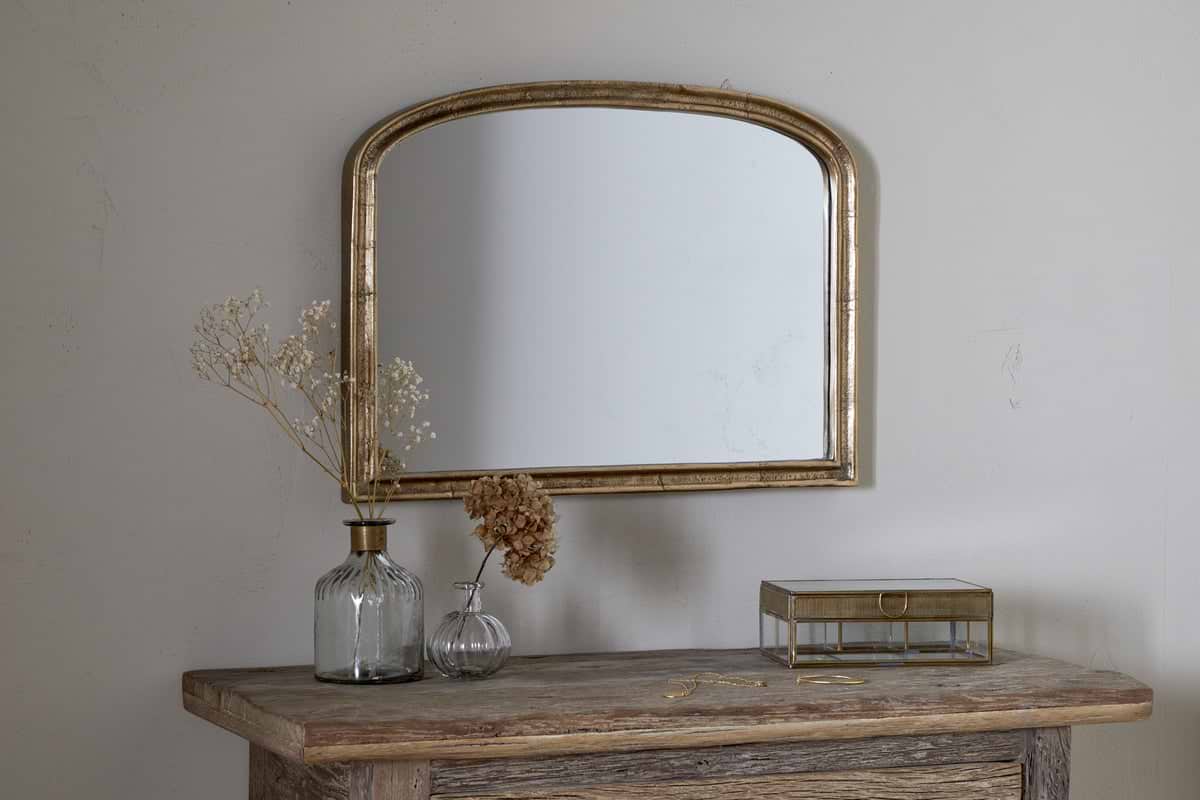
A few Nkuku pieces that sit quietly alongside your art without competing for attention.
Some links above are affiliate links. If you buy through them we may earn a small commission at no extra cost to you. We only suggest pieces we think fit a calm, lived-in home.
Free guide
The Calm Shelf
12 styling ideas to help you compose calm, balanced shelves in natural texture homes.