

Many people searching for bedroom inspiration run into the same problem: a beautiful idea online looks cramped or awkward when tried in a rented, small bedroom. Growing piles of things, awkward nooks, and walls you can’t paint make it harder to create a space that feels warm and personal.
Today, you’ll learn how to use subtle colour, portable furniture, and natural textures that work in rentals and tight spaces. This works especially well for a small bedroom in a shared flat when you want change without losing your deposit because each change can be removed or reversed easily.
The short version: Bedroom inspiration that works in rentals and small spaces relies on flexible colour accents, simple storage, and movable pieces. You can lighten, calm, or add character without painting or drilling, by using soft furnishings and natural textures that suit real-life renter limits.
Key takeaways
- Portable decor such as baskets and light textiles allows easy updates that do not risk walls or floors.
- A two- or three-colour palette looks calmer in a small bedroom than multiple competing colours.
- Most rented bedrooms benefit from one focal point, like a headboard or a large throw, anchoring the space.
- Natural materials, including linen and wood, soften hard rental surfaces and hide wear.
- Floating shelves or wall-hung racks deliver storage even when you cannot make permanent changes.

The problem with most bedroom inspiration
Most bedroom inspiration online skips rental limits and small-space frustration, so copying these looks leaves rooms feeling out of place or unfinished.
Scrolling through photo galleries brings ideas, from moody tones to wall panels and layered beds, but they rarely match rental realities. Landlords set boundaries. That means blank walls, tired flooring, and little control over fixtures or light.
Applying big style changes in a small rental often leads to clutter or a space that feels heavy, not inviting. Permanent pieces or dark accent walls can make a snug bedroom look cramped or busy.
Many inspiration shots, like those highlighted in Farrow & Ball’s bedroom ideas, show bold features and fitted cabinetry. Those elements typically clash with the limited options renters and small-space dwellers face day to day.
Unlike owner-occupied rooms, rentals reward portable and flexible changes. Low-level storage or a soft area rug can be moved easily, while a painted mural or attached shelves often cause headaches later. A simple, flexible plan avoids static rooms and gives freedom to update with the seasons or changing needs.
Use this approach in student rentals, shared flats, or guest bedrooms with strict house rules. It’s also helpful for anyone sharing space or rethinking a spare room that needs to double as an office.
Where this works best
Portable, layered bedroom changes work best for rented rooms, small spare bedrooms, and anywhere permanent updates are ruled out.
Bedrooms with tight entryways, low light, or awkward proportions often challenge renters and small-home owners alike. Here, permanent changes, heavy paints, fixed wardrobes, built-out panelling, aren’t practical or allowed.
Instead, soft elements like linen curtains, woven baskets, and freestanding storage respond to shifting needs. Neutral bedding and a light-hued wool throw help spaces feel larger and more restful in daylight and evening.
Avoid crowding narrow guest rooms with bulky dark furniture or sharp metal pieces; these throw off the visual balance and break the room’s natural flow. Even a single over-bright wall can pull the eye uncomfortably, making the space feel choppy.
In almost any rental, layering light textiles and simple storage on neutral bases makes the most of the limitations, and brings comfort whether the room is slept in nightly or used occasionally by guests.
How do you make a small rented bedroom feel less generic?
A layered throw, a textural rug, or an oversized pillow adds personality to a rental bedroom better than temporary wall art or stick-on décor.
Blank off-white walls and basic carpet are familiar constraints. Portable accents give the quickest refresh, thin, relaxed throws in soft earth tones, wool or flatwoven rugs underfoot, stacked cotton cushions, or a wood stool as a bedside table.
Unlike mass-produced wall decals, a linen curtain or hand-thrown clay vase adds real texture and visual depth. Natural slubs or subtle grain break up harsh lines, making rooms look lived-in instead of staged.
The result: even in a generic space, layering one or two standout materials, like washed linen or oak, makes the whole bedroom feel intentional. Repeating a material twice (such as a rattan lamp and a rattan tray) ties small spaces together quickly.
This principle works in guest rooms, sublets, and any smaller bedroom that needs warmth but can’t take permanent fixtures. Focus on versatile pieces you can take with you or switch as the seasons change.
Rule one: colour is a layer, not a statement
Colour in a rented or small bedroom works best as small accents, blankets, cushions, throws, instead of all-over bold paint or wallpaper.
Painting walls dark green or wallpapering an accent is tempting, but in a rental or tiny bedroom, wide brushstrokes of colour often shrink the sense of space and break up light. Most landlords want plain walls left unchanged.
A bedspread or throw blanket in a muted blush or olive goes further than a bold wall, because you can fold it away, swap it out, or layer it with other tones as you wish. Even a simple cotton runner at the foot of the bed can anchor a palette.
House & Garden notes that “a mix of interesting pieces can help” offset the blandness of ordinary bedrooms; a group of textured accents, like a deep blue cushion, a tan jute basket, and one patterned lampshade, looks collected, not busy. Source.

bedroom paint ideas don’t have to mean picking up a roller. Instead, try accents: a soft cotton curtain, a pile of sun-faded towels, or a picture ledge with artwork that leans without hooks.
Comparing a wall of navy blue to two or three objects in faded blue-grey shows clearly: large-scale colour makes a rented room feel boxed in, while layered small accents keep the space open and easy to update.
| Approach | Flexibility | Effect |
|---|---|---|
| Painted Wall | Low | Permanent, harder to remove |
| Accent Bedding or Throws | High | Changeable, adds softness |
| Stacked Picture Ledge | Medium | Less commitment, personal touch |
Choose colour as a supporting layer, not a statement, in any room you can’t renovate.
How do you choose a neutral that is not cold?
The best neutrals for rentals are soft beige, warm white, or muted sand, since cool greys and blue-undertoned whites feel sharper and less inviting.
Most rental bedrooms come with a blue-grey or off-white base, practical for landlords, but they often leave rooms feeling flat. Adding a warm-toned rug or choosing natural light-filtering blinds steers the mood toward cosy, not clinical.
Compared to bare painted walls, layering in cream, oatmeal, or dove hues on surfaces that touch the skin, bedding, cushions, even lampshades, visibly softens each line and edge. A chunky wool rug prevents empty floors from feeling cold, both visually and under bare feet.
Many seasoned decorators, as seen in B&Q’s advice sections, suggest one rule of thumb: a neutral bedroom works best when each layer feels softer in shade and finish than the surfaces behind it.
When picking a neutral, touch every candidate fabric in daylight and see how it shifts under lamplight. A sandy throw or biscuit cushion adds heat; a greyed linen reads cooler. Place these next to your usual bedding before choosing combinations for the whole space.
Apply this for calm, rental-friendly updates, especially helpful if your bedroom gets little light or the floor reads stark.
Styling and placement
Styling works best when one piece anchors the room, and smaller accents draw eyes across the space without crowding furniture or edges.
In a small rental, the position of the bed usually dominates. Instead of squeezing in multiple tables, pick one main feature against the head of the bed, an upholstered headboard, a propped canvas, or a relaxed pile of pillows.
Use a floating shelf above to display small items, or place a single small lamp and a ceramic bowl together on a tray. Unlike busy arrangements, this keeps the room feeling open and easy to use. Too many objects at the same height create a line that breaks the visual flow and pulls attention away from the bed.
A rule of thumb: a rented bedroom feels more finished when almost two-thirds of any long surface (like a shelf or chest) is left clear for breathing room.
Decision comes in: the moment you move a pile of books or unneeded side chair from the corner and the room feels wider, you know placement has gained space, and calm.
Quick calm checklist:
- Pick a natural or woven storage basket instead of built-in drawers
- Limit accent colours to two or three throughout the room
- Use one anchor, like a headboard or art piece, then layer varied textures
- Leave open space on surfaces so nothing blocks light or access
- Stick to fabrics and storage you can move or remove without tools
Try this approach in guest bedrooms or any narrow rental room to avoid overwhelming the space.
Why do natural materials matter more in small and rented rooms?
Natural materials, such as linen and unfinished wood, absorb light differently, making small bedrooms feel richer, while synthetic surfaces often look shiny or cheap in tight quarters.
Many rental bedrooms feature laminate, gloss paint, or fast-fading polyester, a practical choice for cleaning, but these reflect hard light and show wear. By contrast, woven baskets and raw-edged wood pieces develop character, softening lines and hiding small marks from daily use.
Floating shelves in light wood feel less “tacked-on” than plastic wall pockets, and a stoneware dish on a nightstand grounds the space visually. According to IKEA’s bedroom inspiration, even a room for a parent and baby can be both neat and soothing by using natural and easy-clean surfaces.
Instead of trend-driven décor, stick with the basics: a cotton rug, a thick woven throw, one or two clay pots for plants. These don’t date quickly, and wear tells a story of use, not neglect. In contrast, a bright plastic caddy quickly looks tired.
Natural textures save the day wherever a bedroom must take daily wear and offer easy refresh, like a sublet you’ll live in for a year, or a rental you use as a home office during the week.
The turning point usually arrives in the middle of a tidy-up or when you sit down at the end of the day, something in the bedroom feels unsettled. Maybe books pile up where a warm lamp should live, or bold colours clash with old carpet. In these moments, surface changes and accent choices matter more than another throw pillow or decorative tray.
The biggest difference comes from picking one anchor, like a neutral bedcover or a moveable headboard, and limiting the palette. The room feels mindful instead of messy.
Save this idea for later.
What tends to hold up with small-space and rental bedroom updates
After reviewing hundreds of bedrooms and following feedback from decorators and renters, the advice that works most often is this: small or generic rooms hold onto warmth best with layers of familiar, simple materials. Pieces that can move, like a freestanding shelf, a linen curtain, or a jute basket, keep the room flexible so it never feels set in stone.
Matte and woven materials come up again and again in reviews, not only because they look restful but because they hide marks and don’t pick up every speck of dust. A room fitted with matte wood or soft cotton elements also feels quiet when the light changes throughout the day, which glossy or painted surfaces can’t match.
, Mara, Loom & Glow
Common questions
Can I decorate a rented bedroom without losing my deposit?
This works especially well for a small bedroom in a shared flat when you want change without losing your deposit because each change can be removed or reversed easily.
What’s the best way to add colour to a small rented bedroom?
Colour in a rented or small bedroom works best as small accents-blankets, cushions, throws-instead of all-over bold paint or wallpaper.
How do I make a generic rental bedroom feel more personal?
A layered throw, a textural rug, or an oversized pillow adds personality to a rental bedroom better than temporary wall art or stick-on décor.
What materials work best in small rented spaces?
Natural materials, including linen and wood, soften hard rental surfaces and hide wear.
Explore more calm combinations inside our Shop The Look .
Shop the Look
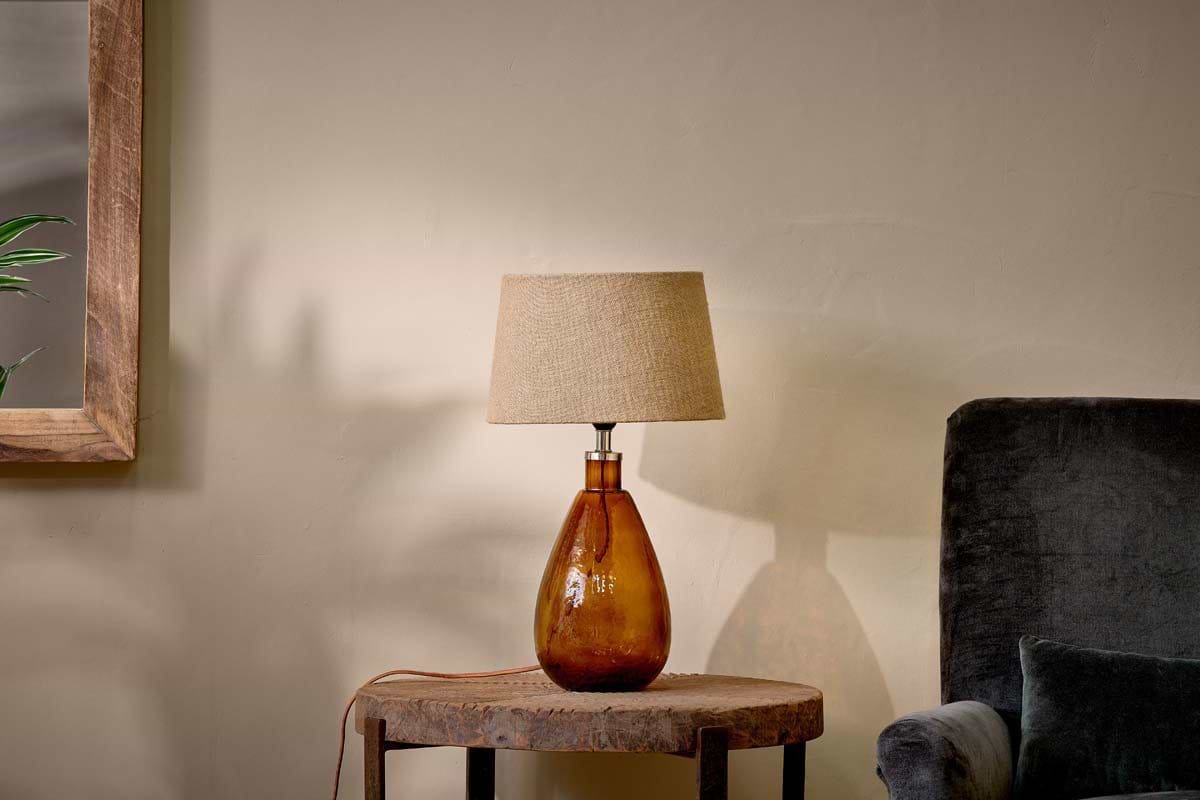
A few Nkuku pieces that bring warmth and calm into a small bedroom without clutter.
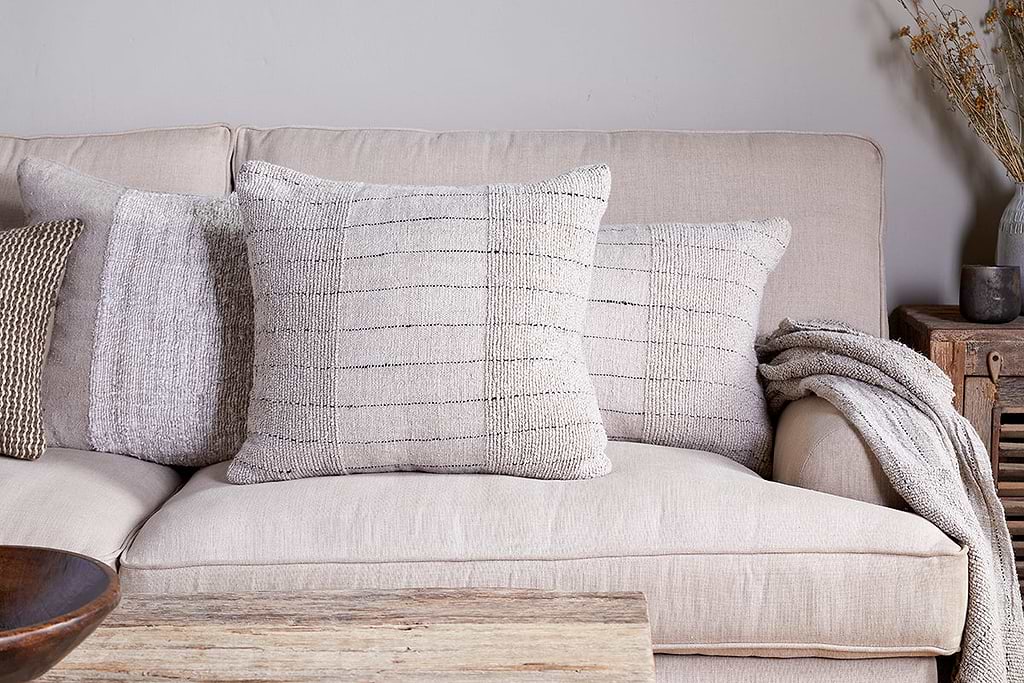
Mayla Cushion Cover
Soft hand-textured cover, instant warmth on linen sofas or chairs.
View at Nkuku →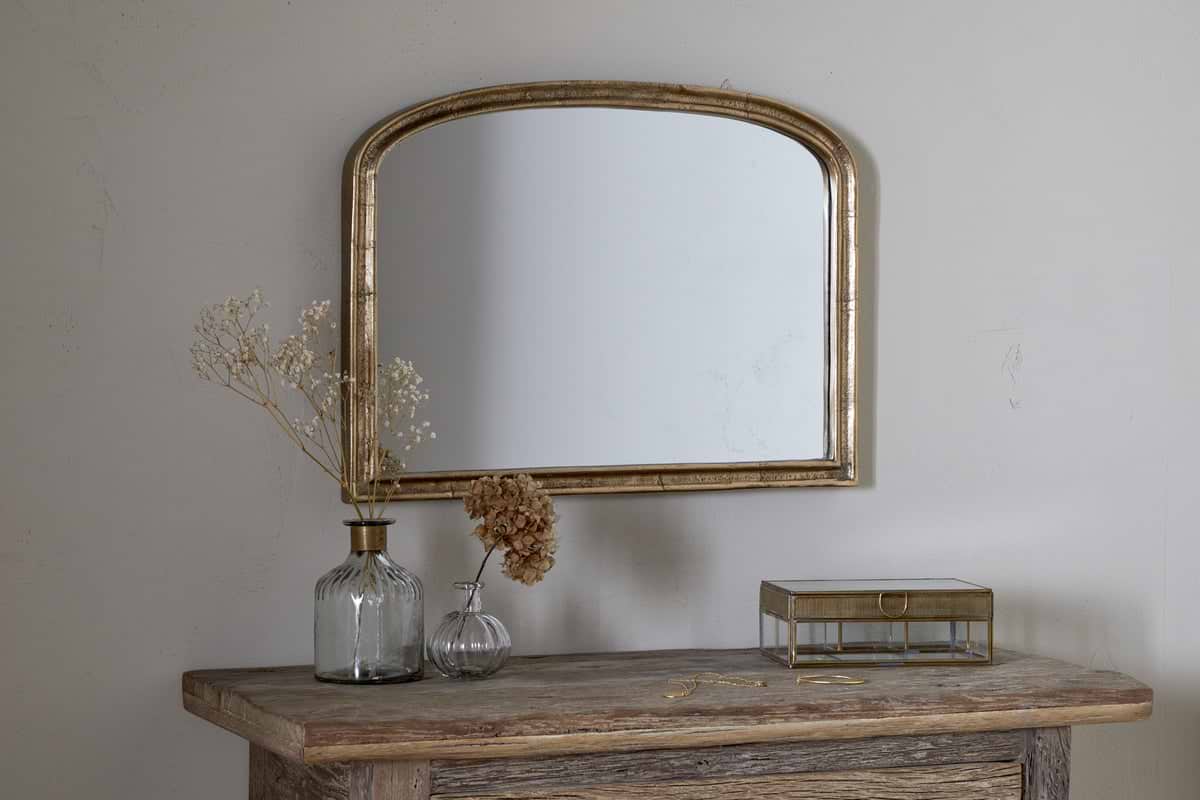
Some links above are affiliate links. If you buy through them we may earn a small commission at no extra cost to you. We only suggest pieces we think fit a calm, lived-in home.
Free guide
The Calm Shelf
12 styling ideas to help you compose calm, balanced shelves in natural texture homes.