

It’s easy for a living room to feel unfinished and cold, especially when everything leans neutral. Gold living room accessories, though popular on Pinterest, often seem risky, too many and the room starts looking busy; too few and they disappear. Where do you put them, and which ones won’t make your carefully chosen space feel cluttered?
This guide shares clear steps to choose gold accents thoughtfully and use them to bring warm points of light into your living room, no brash glare or extra fuss. This works especially well in a small apartment when you work with limited natural light because gold adds warmth and focus without filling up surfaces.
The short version: Gold living room accessories work best when used as a single accent at each eye level, reflecting light and drawing attention without adding clutter. Pairing just one or two gold objects with a neutral palette keeps the space open, warm, and calm.
Key takeaways
- Gold home decor makes a room feel warmer and brighter when it reflects even soft daylight.
- A gold accessory works best when it stands out on a clean backdrop, not crowded by similar tones.
- Mirrors, small sculptures, and lamp bases are the three calmest, most useful gold accessory types.
- Major home retailers like Dunelm offer hundreds of gold accessories, so you can find subtle options easily.
- Why gold accessories work in a neutral living room
- What are the main types of gold living room accessories?
- How do you add gold without making the room look cluttered?
- Where this works best
- Styling and placement
- How should you care for and clean gold finishes?
- What kinds of gold accessories should you avoid?

Why gold accessories work in a neutral living room
A gold object creates a warm focus in a neutral room by scattering light softly across pale surfaces. Placed thoughtfully, gold draws the eye in a way that feels considered, not forced.
Neutral living rooms can often feel too plain or spare, especially if everything is beige, grey, or white. Many people worry that adding gold will turn calm into loud, but a single warm metal, like brushed gold, can stop a pale room from looking washed out. Gold works here because it naturally adds points of light where a matte vase or dark wood tray would disappear.
A small gold tray on a linen sofa arm or a single brass-framed mirror above a shelf can catch soft daylight, spreading it further across the space. Unlike silver or chrome, which pull cool blue and grey into the mix, gold blends better with creams, taupes, and wood. Most of all, gold looks natural in daylight or lamp light, never cold.
Rooms that lean all one colour benefit most from just a hint of something warm. If a plain living room with white walls feels flat, a gold accent placed in line with where you sit or walk adds interest without any clutter.
What are the main types of gold living room accessories?
The three most useful gold living room accessories are mirrors, trays, and lamp bases. Each type offers a different way to reflect light and define a spot in the room.
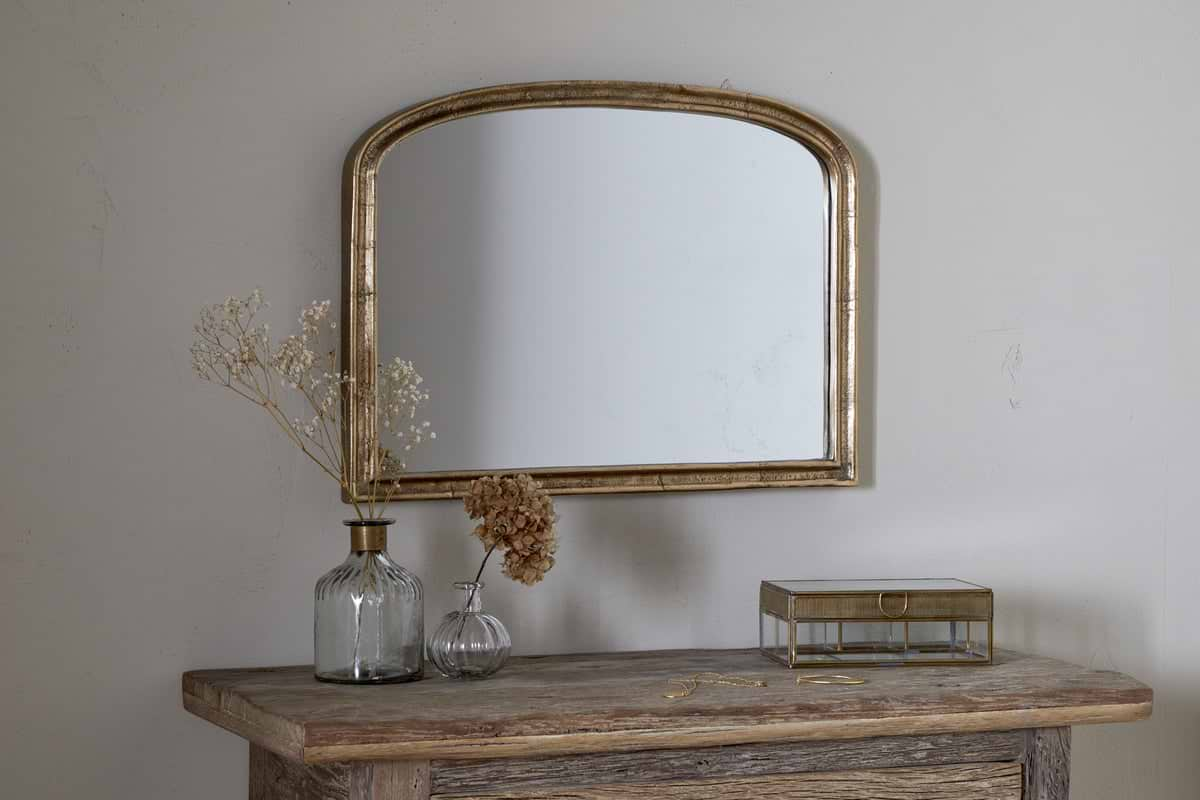
Mirrors in gold frames brighten the area above a sofa or sideboard. According to retailers like Next, a slim gold rectangle wall mirror fits many styles and starts at around £90. A mirror works especially well across from a window, where it bounces soft daylight deeper into the living room. In low-light corners, even a medium-sized mirror can expand the sense of space for a small apartment.
Tray-style accessories, think round or oval gold trays, sit calmly on coffee tables or shelves. Compared to a glossy ceramic plate, a brushed gold tray adds warmth without extra shine. Trays with a bit of texture or patina don’t show fingerprints as quickly and make any surface feel more finished. These are widely available from major home retailers.
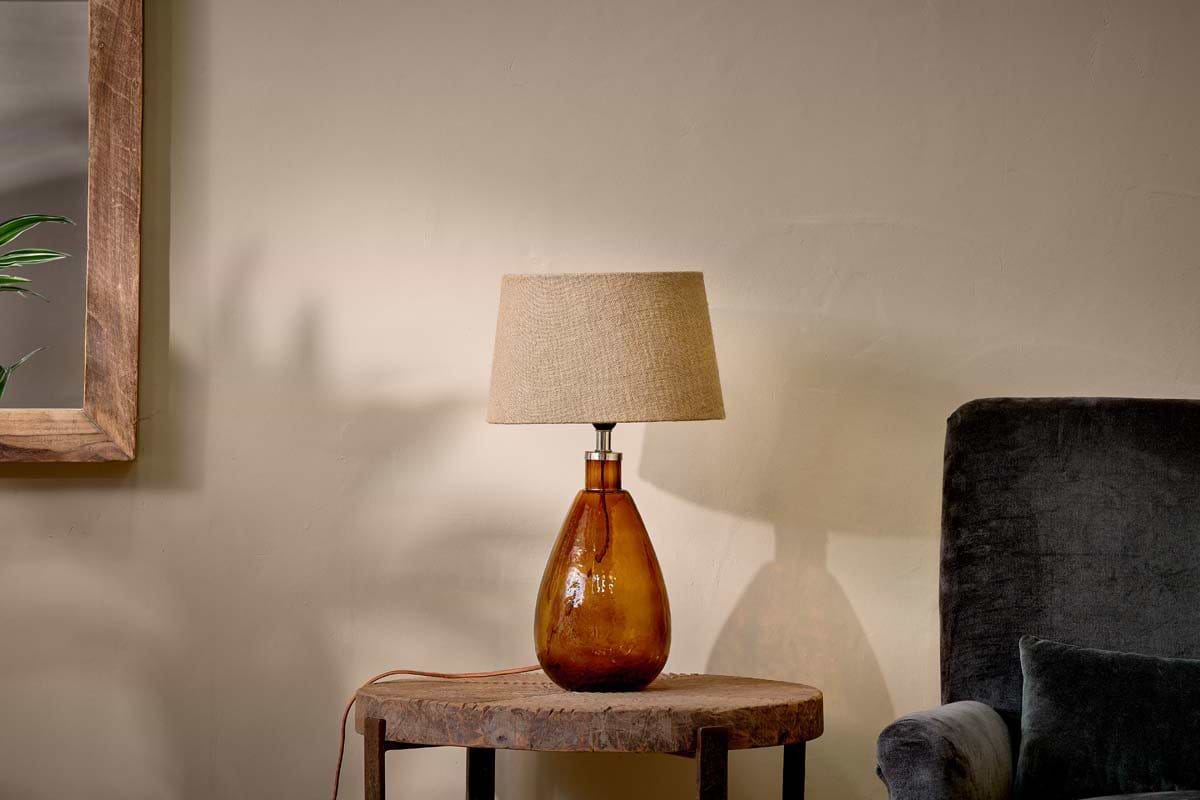
Gold lamp bases and simple sconces work as directed light sources. A gold lamp base softens the look of a side table, while a lamp with a simple white shade keeps the effect subtle. Unlike shiny chrome, gold looks less stark alongside linen or soft wool, especially in rooms using layered neutrals.
A gold sculpture, such as an animal figure or a classic bust, can act as a calm anchor for a book stack. Specialist retailers like Picture Perfect Home offer pieces like an antique gold bronze stag ornament for around £53. The weight and texture of metal add quiet presence, especially in corners or on a shelf where nothing else stands out. Intentional shelf styling often includes at least one gold-focus object, never more than two per shelf.
| Accessory Type | What It Does Best | Where It Goes |
|---|---|---|
| Gold-framed mirror | Adds light, expands space | Above sofa, facing window |
| Gold tray | Softens edges, subtle shine | Coffee table, shelf |
| Gold lamp | Warms corners, directed light | Side table, reading nook |
| Gold sculpture or bust | Focal anchor, tactile | Bookshelf, console |
Choose one accessory per main surface or area for clarity. Stacking more than one gold item on a single table can make the area feel busy. A gold lamp base feels calm when it stands alone, especially if most of the other accents are in stone, wood, or ceramic.
How do you add gold without making the room look cluttered?
A gold accessory stands out best when used once per shelf or table, never repeating the same shape nearby. This keeps the effect simple and stops visual noise.
In a small or closely furnished living room, too many gold pieces in one spot can look messy. The best approach is to limit gold to one object per surface, like a single gold-framed photo or a lamp on a table. Unlike arranging silver candle holders in a line, gold should punctuate the room rather than line it.
Grouping gold objects by texture, not colour, keeps things calm. For example, a matte gold tray feels warmer next to a rough clay pot than with another metal piece. If you want to tie a look together, use one gold shape at each height: one on a table, one above in a frame or sconce, and one low down (like a basket, if it has gold wire).
Sometimes, people add too many small gold pieces, tiny picture frames, bowls, or trinkets, across every surface. This breaks up the space and draws the eye in too many directions. Choosing fewer, bigger accessories prevents this kind of clutter and makes each piece feel intentional. An open shelf with a single gold sculpture looks considered, while crowded shelves just add confusion.
Keeping about two-thirds of a shelf or tabletop clear with only one gold object helps the space to breathe and places gentle focus on what matters most.
Where this works best
Gold living room accessories suit spaces with pale walls and limited daylight, offering warmth and a clean contrast against quiet backdrops. Work with a single piece in high-traffic rooms for best results.
Minimal living rooms with pale wood floors or off-white walls gain warmth from a small dose of gold. In narrow hallways, a gold-edge mirror or reflective lamp base helps light reach further without piling on stuff. These lived-in spaces, where most days mean shoes by the door and keys on the shelf, benefit most from practical accessories that also look special.
For open-plan setups, one gold focus point (a large tray or a single lamp) breaks up the sea of white or grey and helps orient the eye. Sometimes, a small apartment calls for even subtler pieces, think of a gold wire basket in a storage nook or a lamp in a reading corner to mark these spots out.
Avoid using old-fashioned shiny gold or brassy finishes against yellow or orange walls. Too much gold, especially in busy print curtains or with large, bright patterns, can fight for attention and upset the calm. Instead, soft gold tones work well with neutral and clay-inspired palettes, especially if the rest of the decor is matte or woven.

Styling and placement
A gold accessory looks best against a plain background, with clear space around it and no stacked objects crowding the view. Thoughtful placement makes even one piece stand out.
Start with the spot where you want the eye to land first: a coffee table, a plain shelf, or a corner of the sofa. A gold-framed mirror hung above a console, for example, works as a visual anchor. This is especially true when the wall and tabletop are pale or have a matte finish, gold stands out more clearly and reads as warm, not harsh.
Heavy layering dulls the effect; a gold tray filled with items becomes just another busy flat surface. Instead, keep trays mostly empty or hold just one daily-use object, like a remote or a plain candle. Spacing matters for softening the look, especially in living rooms where furniture already fills much of the floor.
Here’s a simple, practical way to style gold accessories without creating clutter:
Quick calm checklist:
- Use brushed or matte gold instead of shiny metal for a softer effect.
- Leave at least half the space around each accessory clear of other objects.
- Keep your palette to three main materials, wood, natural fiber, and one metal (gold).
- Place one gold accent per eye level to avoid stacking too many metal objects.
- Repeat a single shape or line (circles, rectangles) from other furniture for visual unity.
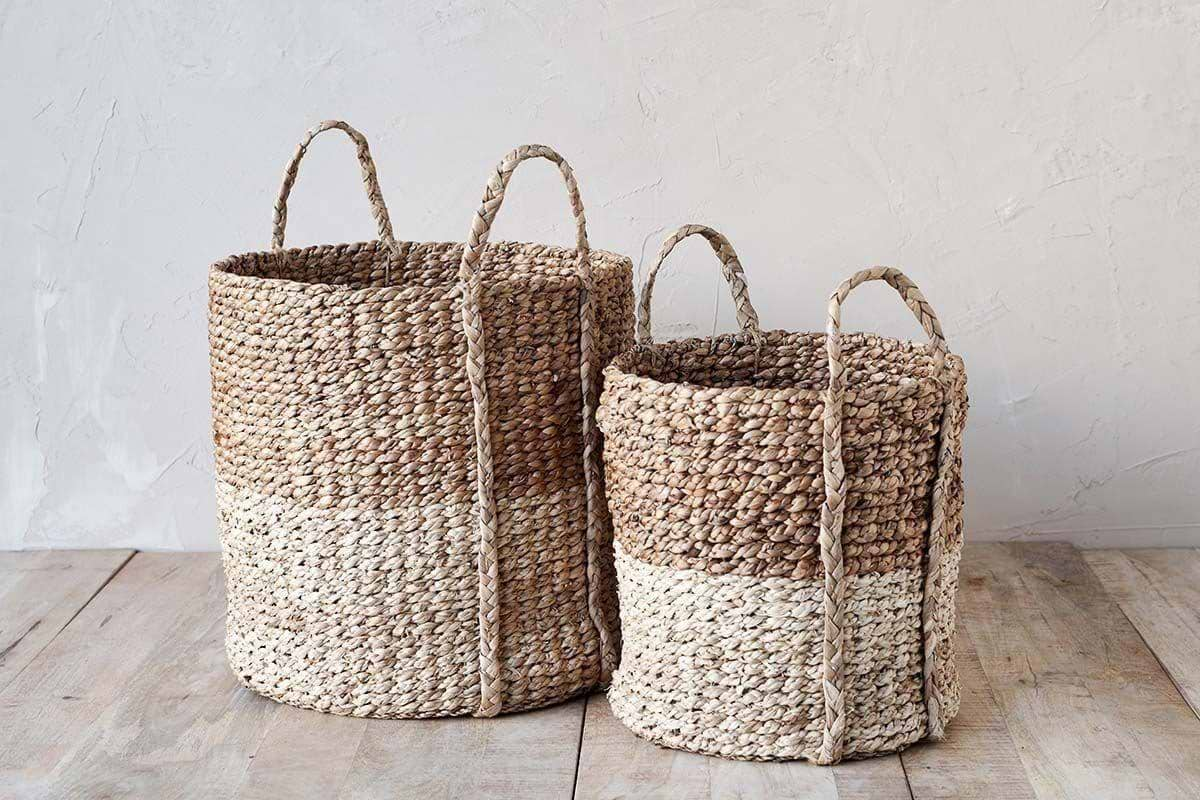
If a narrow hallway has room for a wall basket, pick a matte gold wired one like the Nkomi Basket, which is both open and warm without catching too much glare. For more styling ideas, browse warm minimalist living, where simple palette and material rules make a room easy to use day after day.
A clear, open coffee table with a single gold tray on it draws the eye, while too many objects on the same surface break up the calm.
How should you care for and clean gold finishes?
Gold-finished accessories stay bright with a light dust and gentle wipe using a soft, dry cloth. Strong cleaners or rough sponges will dull the surface over time.
Most gold home decor is finished in brushed or plated metal, which means it can look streaked or lose its shine if cleaned with anything abrasive. A plain microfiber or lint-free cotton cloth is enough for weekly dusting. If smudges show up, common with trays or lamp bases, dab gently with a slightly damp cloth, then dry right away. Avoid polishing with paper towels or rough pads: they can leave fine scratches.
For deeper cleaning, a drop of mild dish soap in warm water is safe for most gold finishes. Dip the cloth, wring it out well, and gently wipe. Never soak gold accessories or leave water on the surface. If a tray or mirror looks streaky after cleaning, buff it gently to restore the soft shine. According to Amazon UK listings, most gold-finished decor calls for “dry dusting only” to keep the look consistent and avoid fingerprints.
A gold accent like the Nkomi Basket or a frame will look better for longer if sunlight does not hit it directly all day, which can fade finishes. For storage, wrap delicate gold pieces in soft cloth, not newspaper, to prevent marks or colour transfer. Keeping gold away from steam and humidity (such as near a kitchen) will help prevent tarnishing.
Regular gentle care keeps gold home decor looking warm and clean on any shelf or surface.
What kinds of gold accessories should you avoid?
Avoid glossy, ornate, or heavily patterned gold pieces in calm living rooms; these steal focus and can feel old-fashioned fast. Simple, brushed styles blend in better and age well.
Shiny gold vases packed with faux flowers or ornate candle holders with filigree details often feel at odds with a relaxed, neutral space. These designs catch more glare, and their bold patterns can fight with the clean lines of modern sofas and open shelves. Instead, choose calm matte finishes and shapes that echo what’s already in the room, like a thin gold frame or a round, open basket.
Oversized gold statues or mirrored gold furniture quickly tip into visual noise, especially in small or low-light rooms. Flashy, bright yellow gold items tend to look cheap against natural materials, making other accessories appear dull or out of place. Rooms styled for quiet and calm usually skip objects with heavy ribbing, glass gems, or ornate engravings.
Instead of crowding many small gold pieces across a shelf, pick one that gives off a soft, even shine and keeps the rest of the surface clear, helping every other material in the room stand out, too.
There comes a point, after putting out a few new accessories or swapping in a patterned pillow, when something doesn’t look quite right. Maybe the space feels fuller, but not warmer. The visual balance is off, and no one piece actually draws your eye in a good way.
The practical shift is to anchor each area of the room with a single gold object, a finial, tray, or lamp, keeping the palette simple and letting textures, not extra items, do the work.
Homes often slip into clutter because every shelf or table tries to stand out; too many gold items, or badly placed accents, only bring more visual noise. Most living rooms end up heavy, stale, or strangely empty, never quite pulled together. Fewer, better-placed pieces solve this, especially now as more people crave a space that feels good to use every day.
Once the right gold accent is in place, surfaces look lighter and every zone feels clear, more room to breathe and live in, not just style.
Save this idea for later.
What tends to hold up with choosing gold living room accessories
Looking across many reader photos and supplier galleries, one thing stands out: matte or brushed gold finishes remain popular, partly because they’re less reflective and suit pale, textured rooms. Reviewers consistently report that a single gold tray or mirror softens a hard-lined, open-plan layout, and decorators often recommend sticking to one warm metal per space. Gold, as a material, does best when it’s not glossy or stacked; it ages quietly and hides prints or dust better than chrome.
Matte finishes get recommended again and again for shelving or walls facing direct light, since they don’t reflect harsh glare and always read as soft, even late in the day.
, Mara, Loom & Glow
Common questions
What colours work best with gold in a living room?
Gold pairs best with neutrals such as cream, taupe, warm grey, and natural wood tones. These colours allow gold accessories to stand out without competing for attention. Soft clay, ivory, and muted greens also work well if you want gentle contrast without clashing.
Is gold still a popular choice for interior design?
Gold remains a popular choice for interiors, especially when used in small accents. Subtle, brushed finishes are seen in many new collections at major home stores and are often used to add warmth without overpowering the space. Gold stands the test of time when kept simple and paired with calm colours.
What are the best ways to add gold accents to a living room?
The best ways to add gold living room accessories are with slim mirrors, understated lamp bases, and single trays or baskets. Placing gold on clear, uncluttered surfaces gives the room a gentle highlight and stops the look from feeling overdone. Choose matte finishes for the calmest effect.
Can you create DIY gold decor on a budget?
Yes, you can make DIY gold decor with spray paint or liquid gold leaf over simple objects like picture frames and wooden bowls. Always use a matte or satin finish for a softer look. Upcycling thrifted items is affordable and allows you to control both shade and surface texture.
Explore more calm combinations inside our Shop The Look .
Shop the Look
A few Nkuku pieces that add warm, reflective gold without visual clutter.
Some links above are affiliate links. If you buy through them we may earn a small commission at no extra cost to you. We only suggest pieces we think fit a calm, lived-in home.
Free guide
The Calm Shelf
12 styling ideas to help you compose calm, balanced shelves in natural texture homes.