

Open shelves can turn messy fast. Many renters and small-space dwellers use decorative accessories for shelves hoping to add style, but they often end up with stacks of clutter, scattered dust, or toppled piles that feel anything but calm.
Instead of living with shelves that stress you out, you can pick and place a few tactile pieces that bring warmth without fuss. Today, you’ll learn what to swap out, what to keep, and how to anchor your shelves with natural texture, no excess needed. This works especially well in a living room with limited storage when you need a relaxed look because it stops visual overload and lets each item stand out.
The short version: Decorative accessories for shelves keep open storage neat by using tactile pieces like baskets and ceramic vases instead of random knick-knacks. The key is to mix a few textures, use negative space, and focus on quality over bulk for a look that feels calm, not crowded.
Key takeaways
- Shelves look calmer with fewer, weightier objects in natural materials rather than lots of small items.
- Woven baskets and fabric-lined boxes absorb visual noise, hiding mess and adding texture at once.
- Mixing books with decorative items creates a balanced, visually interesting look on shelves, according to La Redoute.
- Keeping two-thirds of a shelf clear makes a small living room feel less cramped.
- What decorative accessories for shelves do you actually need?
- How do you keep an open shelf from looking cluttered?
- Textural objects that absorb visual noise
- Where this works best
- What’s the benefit of mixing books and objects on shelves?
- Styling and placement
- Functional accessories that still look decorative

What decorative accessories for shelves do you actually need?
You need a few sensory objects, like woven baskets, one ceramic vase, and a steady bookend, to bring texture without inviting clutter. Fewer, heavier pieces make an immediate difference on open shelves.
In a small rental kitchen, open shelving often attracts random items: mugs, spice jars, orphan mugs, grocery overflow. Instead of everything on display, choose sturdy accessories that give structure. A single stoneware pot for utensils or a rattan box for packets draws the eye and hides the mess.
A shelf gets chaotic when items lack weight. Scattered trinkets look fussy next to the calm bulk of a lidded basket. Picking a few solid things, and repeating that material, calms the background while hinting at your personality.
Natural materials, wood, linen, rough ceramics, help each shelf feel tactile and finished. When you limit the number of objects, clean-up is easier too. This is especially true for renters who want simple swaps, not full builds.
Place a heavy basket at the end of a shelf run or a pale clay vase in the middle, these grab attention and hold it, unlike a spread of tiny bits and bobs.
How do you keep an open shelf from looking cluttered?
An open shelf looks less cluttered when you use just a few objects with different heights and textures, leaving purposeful space in between. Negative space is as important as the objects themselves.
The problem with most shelf accessories is that people fill gaps with small items, hoping for charm, but instead create scattered chaos. If every inch holds an object, dust settles faster and nothing gets noticed.
Space feels calmer when you leave some open spots or stack books with room beside them. Stylists recommend stacks of two or three books, not big piles, to set a rhythm of peaks and pauses across the shelf. This gives the eye a rest and makes a rented room feel less crowded.
Compared to a packed shelf, leaving open gaps along the run makes the contents look purposeful. A chunky vase or a basket at one end, with nothing right up against it, looks as if each part was chosen and placed deliberately, not dropped without thought.
This technique works especially well on shelving units in narrow hallways, where every object needs to count but not crowd.
Textural objects that absorb visual noise
Baskets, rough ceramics, and soft-finished boxes soak up brightness and hide clutter, giving shelves warmth and softness without adding to the mess.
Natural fibre baskets and bowls always work harder than plastic bins. Woven baskets and fabric accents take busy shelves, like those in open-plan kitchens or kids’ rooms, and turn them into calm zones by absorbing light and visual chaos. Unlike clear acrylic, a jute basket hides frayed edges and bits of everyday life.
Hand-thrown ceramic vases or clay vessels soften the harsh lines of modern shelving. Their matte surface scatters sunlight, so glare doesn’t distract from the things around them. This is helpful for rooms with lots of daylight or harsh ceiling bulbs.
When you switch from shiny store-bought containers to baskets and fabric boxes, the surfaces become muted. The room looks tidier even before anything is sorted inside. One covered box works better than several open trays when your goal is quiet order.
Try tucking a rattan lidded box onto a shelf in a bathroom or next to the sofa for remote controls. Its weight and weave draw the fingers as well as the eye.
Where this works best
Textured shelf accessories fit best in living rooms, bedrooms, and kitchens with open storage, especially when wall space or enclosed cabinets are limited.
Living rooms with shallow shelving, studios where every wall matters, or kitchens using rails instead of cupboards can all benefit from weighty, practical objects that double as decor. In rental flats where drilling into the wall is tricky, neat baskets and sculptural vases help break up the stretch of books or pantry goods.
In shared bedrooms, a small storage basket anchors a floating shelf and gives somewhere to drop keys, glasses, or bedtime reads. Compared to bare planks, shelves with tactile pieces feel warmer and look more settled, without much effort.
Avoid putting too many small, fragile items on high shelves if you can’t reach them easily, these tip over and look forced, especially in busy family rooms or active kitchens.
For work-from-home nooks, one sturdy bookend and a ceramic pen pot lift the surface from makeshift to inviting.

What’s the benefit of mixing books and objects on shelves?
Mixing books with decorative objects, like a basket, vase, or framed print, creates a shelf arrangement that feels deeper and looks designed, not thrown together.
A shelf filled edge to edge with books feels hard and stiff. When you break up the line with ornaments, a candle holder, or even a small plant, the setup breathes. According to La Redoute, combining books and objects leads to a more balanced look and helps every item stand out.
Placing a stack of two books underneath a pottery bowl elevates the whole group. It breaks up the monotony and brings the touchable surface closer to hand or sight level, which looks welcoming on a living room shelf or even in an entryway.
Compared to a single line of spines, a mix of vertical and horizontal books paired with a few favorite objects avoids flatness. Shelves gain visual rhythm, and the space feels more relaxed, even in rentals where storage is tight.
In smaller rooms with open shelves, keep about two-thirds of each shelf free for best effect. This practical ratio helps you resist the urge to fill every gap.
Styling and placement
A shelf looks more calm when you repeat a texture, anchor one main piece per level, and use a palette of two or three earthy tones.
Styling and placement matter more than the object itself. If you spread textured accessories evenly and keep the color range simple, your shelf reads as calm, not stuffed. A pale linen tray left on one side, paired with a dark clay pot on the other, makes each piece distinct. This breaks up the run while stopping the eye from darting back and forth.
Practical rules help. A good shelf needs an anchor, usually the heaviest item, at one end or the middle to pull the eye. A single framed photo or art print, like those mentioned in what to put on living room shelves, can balance three shorter items beside it. Varying heights matter: tallest to the left, middle, or right but never a straight slope.
Compared to shelves crammed with multi-colored pieces, repeating just one or two textures, like wood and linen or jute and ceramic, slows down the whole scene. The shelf feels grounded, so even a light color wall blends and doesn’t pop harshly.
Quick calm checklist:
- Pick sturdy, touchable materials: jute, linen, clay, raw wood.
- Leave at least a hand’s width between major pieces.
- Limit color to two neutrals plus one accent for depth.
- Anchor one weighted piece (basket, vase, bookend) on each shelf.
This practical styling works for renters who want to swap items as seasons change, or in kids’ bedrooms where storage and decoration have to blend.
Functional accessories that still look decorative
Functional pieces, like candles, trays, or lidded boxes, bring both storage and style to shelves, making them work harder in everyday rooms.
You don’t need to choose between useful and beautiful. Candles and decorative objects give off a soft glow and act as daily accessories, not just once-in-a-while accents. A simple candle in a low-gloss holder blends in during the day and creates mood in the evening.
Small trays made from timber, ceramic, or even (for bathroom shelves) bamboo, catch loose bits, keys, jewelry, coins, so these don’t scatter. Compared to drawer storage, an open tray means you use the surface but still keep order, especially in compact rental spaces where every shelf counts.
On hallway shelves, a box with a lid or low rattan basket stashes dog leashes, chargers, or winter gloves. Unlike plastic bins, textured boxes don’t glare in daylight or shout for attention.
This approach works throughout the home, from bedside shelves to laundry rooms, making every open surface both attractive and practical.
What tends to hold up with shelf styling and natural texture
Reviewing rooms with open shelves, the patterns are clear: natural finishes like raw wood or matte ceramic last longer and resist fingerprints better than glossy plastics. Reviewers often point out that hand-thrown containers chip less and soften the look of a modern shelf, while baskets with close, tight weaves keep dust out more effectively than open wire bins.
Decorators usually stress the value of repeating one material on a run of shelves, especially in rentals or small rooms, too many mixed textures make shelves look busy fast. Matte finishes get recommended again and again for shelves near windows, because they don’t catch glare the way a glossy tray does.
, Mara, Loom & Glow
Common questions
What are some good decorative things to put on shelves?
The best decorative things for shelves include sturdy baskets, hand-thrown ceramic vases, framed prints, weighted bookends, and candles in simple holders. Mixing these materials introduces warmth and texture but avoids clutter. Each piece should have a purpose, either to store, anchor, or soften the overall look.
How can I decorate a shelf in a stylish way without it looking messy?
The easiest way to decorate a shelf stylishly is to use a limited color palette, repeat textures, and group a few objects with space between them. Placing one large item at one end and balancing it with a stack of books or a bowl gives the shelf a sense of order. Negative space keeps it from feeling busy.
What are some cute but minimalist things to put on my shelves?
Cute but minimalist shelf ideas include a soft jute basket, a small clay bowl, a narrow linen-lined tray, and a compact candle in a stone holder. Each should bring tactile value without shouting for attention. Choose pieces that join function and style for a calm effect.
How do I make a basic shelf look more intentional and designed?
To make a basic shelf look intentional, pick one or two anchor objects like a ceramic vase or lidded box, then leave open space around them. Vary the height and texture of accessories and avoid overfilling. This approach works even in rental units where shelf styling options are limited.
Explore more calm combinations inside our Shop The Look .
Shop the Look
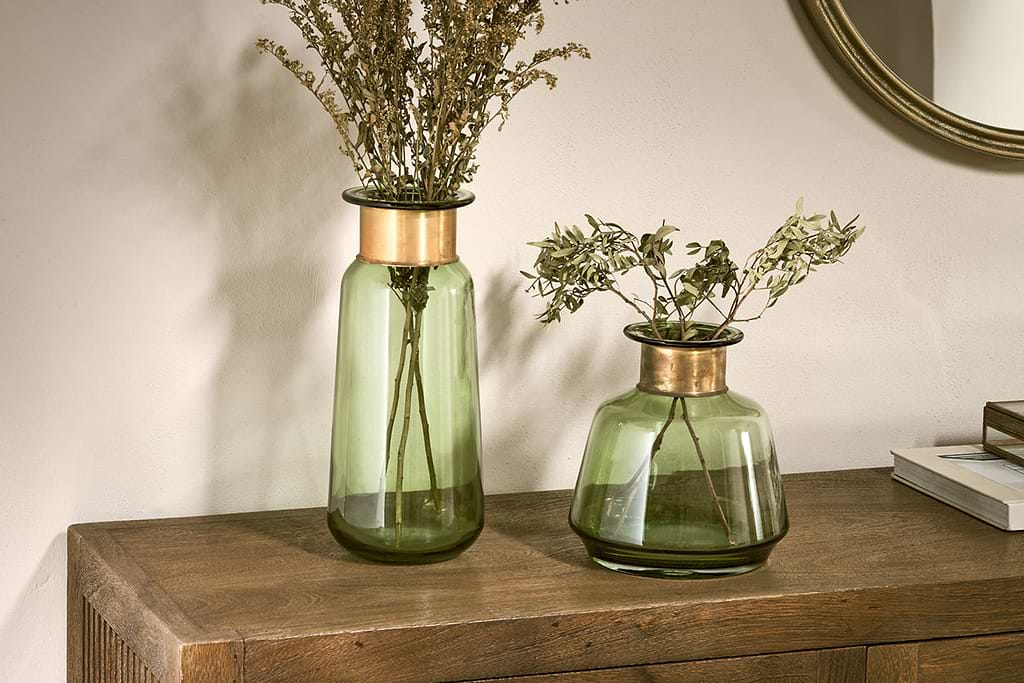
A handful of Nkuku pieces that add texture to open shelving without feeling busy.
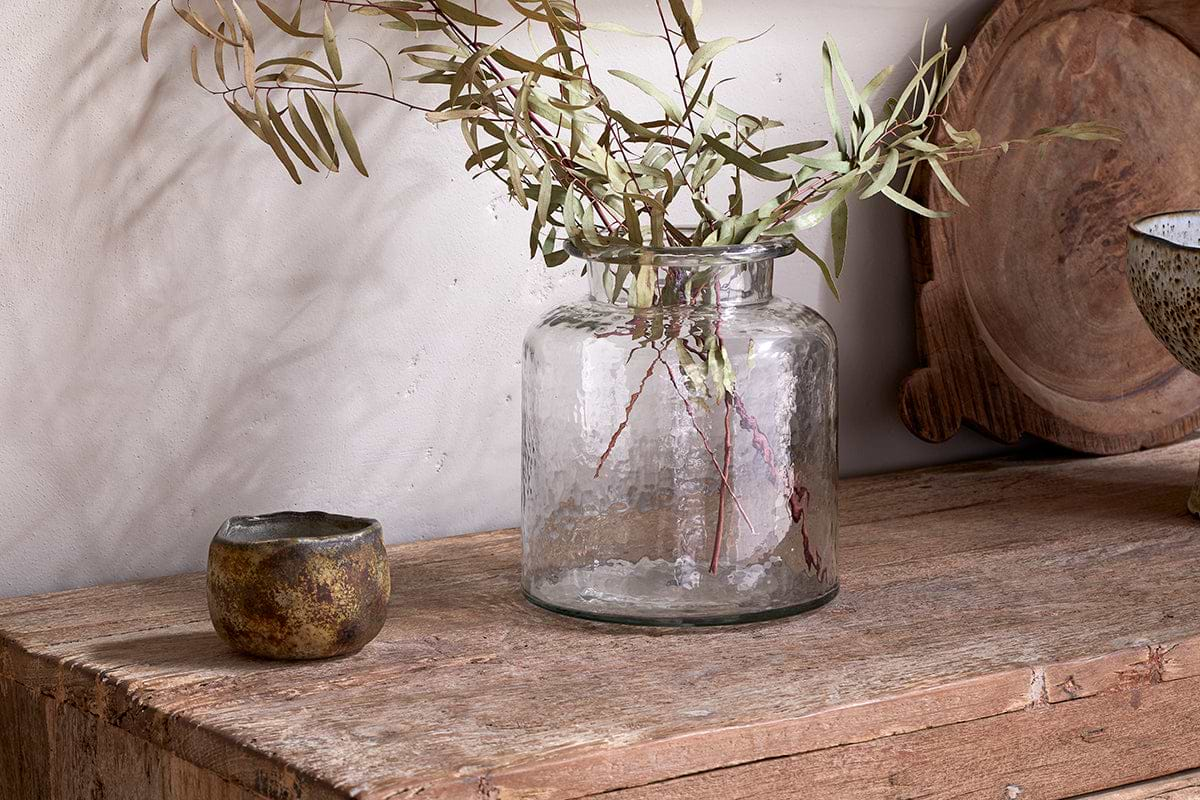
Akra Recycled Glass Vase
Clear cylindrical glass, pairs with stems or sits empty as a quiet accent.
View at Nkuku →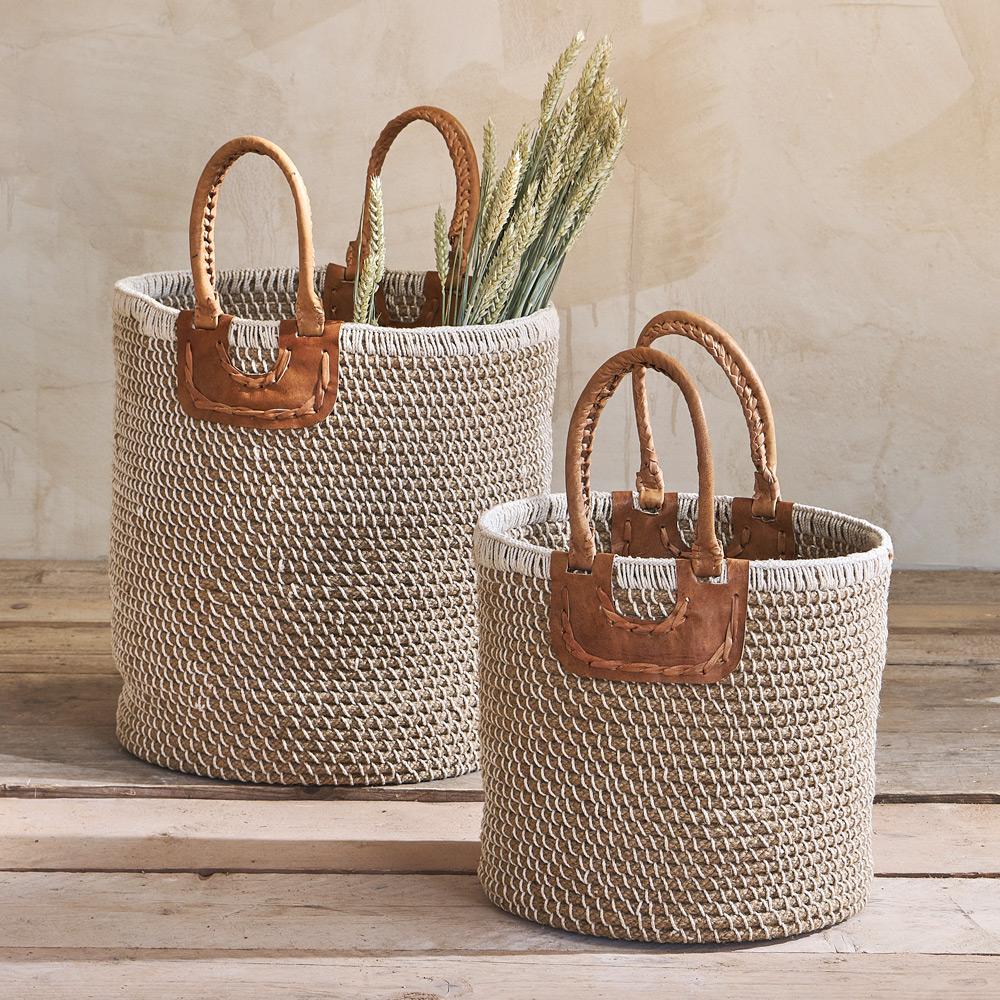
Indra Coil Basket
Natural coil weave, neat enough to leave out, large enough to hide clutter.
View at Nkuku →Some links above are affiliate links. If you buy through them we may earn a small commission at no extra cost to you. We only suggest pieces we think fit a calm, lived-in home.
Free guide
The Calm Shelf
12 styling ideas to help you compose calm, balanced shelves in natural texture homes.