

Stacks of books and paperbacks tend to attract clutter fast. Even a small shelf can start to feel messy, especially when decorative bookends don’t match the material or size of what’s already there. When you look for calm but still want a room with some character, those heavy or clashing ends only add to the noise.
If you want a shelf that feels pulled-together and quiet, the answer is to use fewer objects, pick the right materials, and keep proportion in mind. This works especially well in a small living room when storage is limited because a few solid, simple pieces keep the whole wall from looking crammed.
The short version: Decorative bookends work best for calm shelf styling when you match their material and weight to both your books and the shelf space. Choosing the right proportion and texture makes the shelf look ordered and pleasant, while still keeping it personal.
Key takeaways
- Decorative bookends made from natural materials help a full shelf feel softer and less busy.
- Keeping roughly two-thirds of a shelf clear is a reliable way to avoid a crowded look.
- Wood and rattan bookends suit most neutral palettes and handle daily use well.
- Most decorative bookends are available under 50 GBP on platforms like Etsy UK and eBay UK.

How do decorative bookends actually make a difference?
Decorative bookends help keep books upright while grounding a shelf visually, especially when chosen in a subtle texture or neutral material. A single well-chosen pair can shape where the eye lands on a busy wall.
A shelf in a busy hallway often gets loaded with odds and ends fast. If you use a heavy marble bookend, for example, it adds both function and a weighty anchor for the eye. That is much easier on the senses than a bare run of paperbacks slowly toppling sideways, or the random mug someone left behind.
Decorative bookends are more practical than they get credit for, holding everything from vintage hardbacks to kids’ cookbooks with a little shape and strength. Unlike plain wedges or metal brackets, they pull double duty as both storage and decor, leading the eye and offering a spot to pause in a cluttered space.
The right bookends can even soften harsh shelves. A wooden or rattan style won’t glare in the sun the way chromed metal does on a bright day.
One pair, set on an open stand or in a nook near the sofa, keeps the shelf looking intentional in daily use.
Choosing bookends by material, not by trend
Natural fiber, stone, or unfinished wood bookends tend to hold up best, both in looks and daily handling. Materials like rattan and oak read quiet but strong across most palettes.
In a shared living room or rental, picking a tactile material pays off over time. Wood bookends won’t chip as easily as ceramics, while woven options hide fingerprints and dust in a way glass cannot. Retailers like NOTHS list oak and marble among the longest-wearing types, and most people gravitate back to these for both looks and feel.
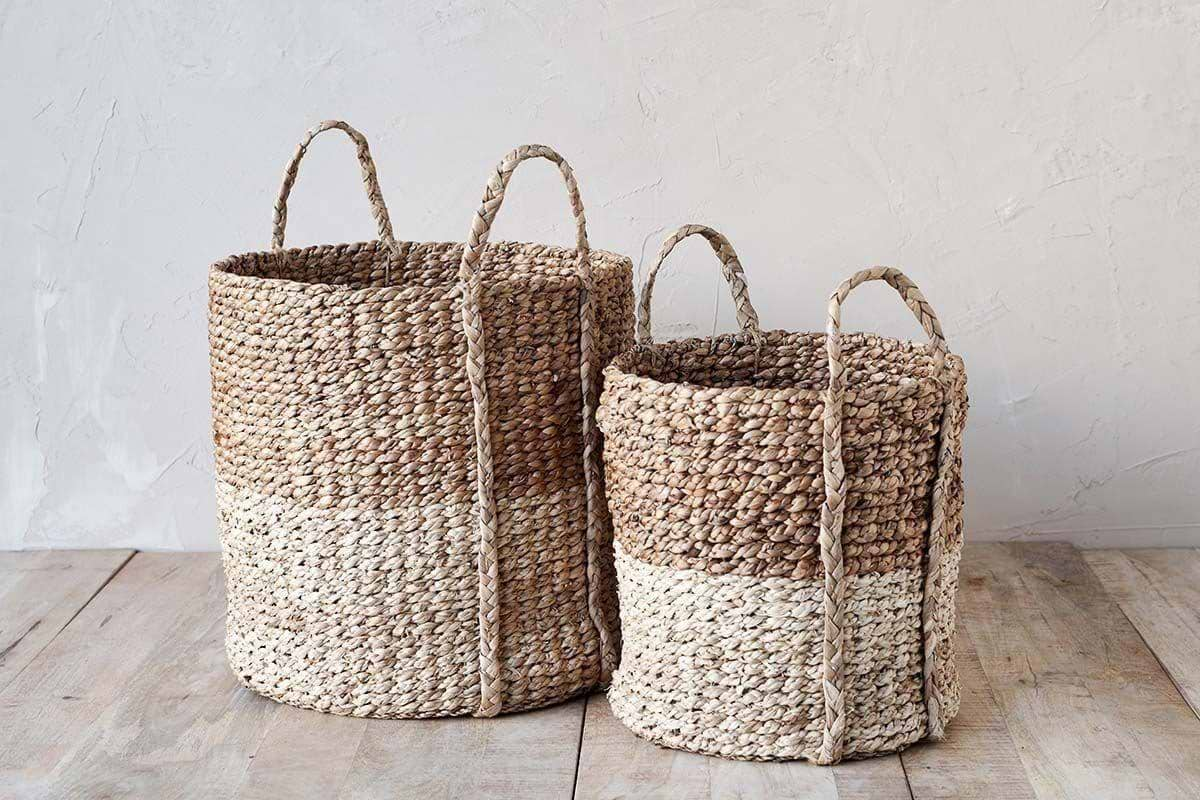
If you use a rattan basket or tray elsewhere in the room, anchoring the shelf with a woven bookend picks up the theme without repeating exact shapes. This link between objects calms the space because your eye finds related textures nearby.
Compared to brightly painted resin or glazed ceramic bookends, matte wood and stone are easier to live with when tastes change or you rearrange the room next season.
Bookends made from solid oak or stone hold up in a home where shelves get touched and dusted daily.
Where this works best
Decorative bookends in soft, natural finishes are most effective on open shelves in small sitting rooms or home offices with limited closed storage. These areas benefit from subtle visual weight without adding bulk.
In a small apartment with floating shelving, there’s never enough cupboard space. Here, decorative bookends can act as both storage helpers and quiet anchors. Tall wooden bookends help break up a line of colorful books, while woven or basket-weave ones echo the woven basket storage found on a lower shelf or side table.
This style also helps in rooms you don’t use much, like a guest room or hallway. If most surfaces are already full, adding a sculptural bookend at one end brings focus and gives loose books a final home, without the shelf feeling crowded.
Avoid placing shiny metal or high-gloss ceramic bookends on narrow ledges or under bright spotlights. These surfaces can glare and distract, making the setup feel unfinished instead of calm.
One pair of natural bookends works best on a waist-high shelf where you can easily reach both ends, without bumping the display.
How can proportion and weight solve shelf clutter?
Bookends that match the height and weight of your books anchor a shelf, while lighter or too-small pieces make it look unstable. Getting the scale right keeps shelves from looking haphazard.
When a shelf crams paperbacks and oversized art books together, the balance goes off fast. Using decorative bookends that stand nearly as tall as your tallest book creates a visual stop, making the whole row look deliberate. According to Wayfair, bookends are grouped under ‘Home Accessories,’ and there is a wide range of sizes, from slim metal to broad stone blocks.
A solid wooden end piece serves more as an anchor than a slim wire or acrylic one. Compared to basic metal brackets, chunkier bookends help avoid the zig-zag effect of uneven stacks, especially when you leave a little gap between ends. If a shelf is too full, use just one bookend and let the other side butt against the wall or a heavy object.
Books will naturally lean if not supported, so weight really matters here. A heavy oak or marble end stops rows from sliding out of place, even when kids grab at the middle book on a rushed morning.
Keeping a bit of space between book stacks and the bookend makes the shelf look relaxed, not forced.

Styling and placement
Bookends should sit about a hand’s width from the book stack, not pressed flush, so they feel like part of the setup rather than an afterthought. Mixing in a natural object nearby strengthens the effect.
In a kitchen with open shelving, wood or stone bookends can support cookbooks without overpowering dishes or glass storage jars. On a long living room shelf, placing bookends at both ends of a book row, but leaving some open space, stops the whole thing from looking crowded. For an office built-in, one heavier end and one visually lighter basket break up the line in a way that still feels practical.
The way you style a shelf matters as much as the objects you choose. A bare ledge with books stuffed tightly between walls and ends feels hard-edged. Instead of that, try adding one small tactile piece, a clay bowl for keys, or a wooden home decor object, beside your bookend. This gives the whole setup a natural stopping point.
Quick calm checklist:
- Choose natural materials (wood, rattan, stone) for a soft look that wears well.
- Leave open space between bookends and other objects for breathability.
- Keep color palette to two or three muted tones that already appear in the room.
- Avoid centering everything; stagger book stacks or objects for interest.
Bookends work best on open, eye-level shelves where you can touch and move them often.
What materials should you avoid for a calm shelf?
Brightly colored resin, shiny metals, and high-gloss ceramics often pull too much attention and feel harsh on calm shelves. Light wood, soft stone, and bare rattan usually suit a quiet space better.
A shelf with glass-and-chrome bookends in a dim corner can feel colder and more cluttered than one with simple oiled wood ends. Glare and fingerprints are common problems with polished materials, especially in kitchens or kids’ rooms. Instead of adding a calming effect, these choices catch the light in ways that demand attention.
Retailers like Etsy UK and eBay UK offer plenty of bright or painted styles, but the neutral, unfinished options consistently outlast the trend-driven ones. If you want a gentle atmosphere, skip neon acrylic or glazed animal-shaped ends. These look playful at first but often clash with a more natural palette and grow tiresome quickly.
Rough ceramic or matte-finish bookends avoid these problems and need less cleaning day to day.
| Material | Look & Feel | Downsides |
|---|---|---|
| Wood | Warm, sturdy, quiet | Heavy, may mark surfaces |
| Stone/Marble | Solid, neutral, timeless | Can chip, very heavy |
| Rattan/Woven | Airy, textured, soft | Not for heavy books |
| Metal (Shiny) | Reflective, bold | Shows dust, feel cold |
| Resin/Plastic | Bright, modern | Often looks cheap, scratches |
Choose soft wood or woven textures for shelves you use every day and want to keep calm.
How to use a single sculptural bookend as a focal point
A sculptural bookend works as a quiet focal point when placed alone at the end of a short row or with space beside it. Pairing it with a contrasting material highlights the shape.
On a bedside shelf in a small bedroom, a single heavy stone bookend can hold up night reads and leave visual breathing room for a lamp or basket. Unlike a matched set, the solo piece catches the eye but doesn’t overwhelm. Add a neutral shelf styling approach and there’s less chance the display feels busy.
Modern stone wedges or a hand-thrown clay block anchor one end, while the other side might use the wall or another object for support. A kitchen shelf styling trick: leave the area beside the bookend open, or rest a wooden spoon pot as soft counterbalance.
Unlike conventional symmetrical styling, this method highlights one shape and lets the rest of the shelf fade into the background. In practice, a single sculptural end works best where the shelf space is limited, and decor needs to stay subtle.
Place a single weighty bookend at the edge of a short shelf and leave open space as the natural finish.
It’s usually a small shift, a different bookend, or less of them, that marks the moment a room finally feels finished. You stand back and sense that something nagged at you before: maybe too many objects, too many clashing textures. The real decision is often to put back two-thirds of what you tried, anchor what stays, and let the rest remain open.
Most people keep filling shelves and forget that every added piece does its own work. Without a clear visual anchor, the surface gets busy and stops making sense, no matter how tidy it is. The first time you swap in a single, weighty bookend with a useful material, the rest of the shelf starts to behave.
The practical shift is to make one calm focal point, by repeating a material, spacing objects, and using a single anchor.
The feeling of “off” hits right after you’ve cleared the books and set everything back, but the shelf still looks scattered or cold. It lingers until you see that nothing leads the eye, or there’s nothing soft to break the hard lines.
Commonly, people pick overly bold or glossy bookends, or line up too many mismatched styles at once. That leaves the room feeling busier, heavier, or even unfinished. Reducing the number and focusing on natural, tactile materials clears up this problem immediately.
Once you scale back to one material or shape, everything reads quieter, books stay up, surfaces look clear, and there’s space for the eye to rest.
Save this idea for later.
What tends to hold up with decorative bookends and shelf styling
Most shelves that look calm have one thing in common: fewer, heavier bookends in natural finishes. Decorators repeatedly recommend keeping the palette tight, wood, rattan, or stone nearly always win out over glass or painted metal when rooms are lived in every day. Reviewers almost always note that matte materials need less fuss and catch less dust, which matters for open shelving in high-traffic spaces.
Simplicity in styling, using an anchor object and leaving space for the eye, stands up to changing trends much better than filling every gap. This small shift reflects what works in real homes, rather than in photos. Shelves set this way don’t need constant rearranging to stay pleasant.
, Mara, Loom & Glow
Common questions
What household items can you use instead of bookends?
You can use heavy objects like a brick wrapped in linen, a potted plant, or a weighted basket as bookends. Some people use tall vases, marble slabs, or even a set of sturdy jars. The main things to look for are enough weight to hold the books and a base that won’t scratch the shelf.
What are some creative, non-traditional bookend ideas?
Unusual bookends can include things like vintage chopping boards, stacked stone coasters, or even a pair of old rolling pins. These objects add both function and story to a shelf. Some people use found rocks, brass candlesticks, or rope-wrapped blocks as their focal pieces.
How can you make your own bookends at home?
The easiest homemade bookends use heavy wood or stone offcuts with felt pads underneath. Glue two thick wooden rectangles together in an L shape, or wrap bricks in spare fabric or jute rope for texture. What matters most is that the result can handle regular handling and doesn’t tip easily.
What should you look for when choosing the best bookends?
The best bookends are heavy enough to support a full row, sized roughly similar to your tallest books, and made from a material that feels good to the touch. Always consider both appearance and practicality, rough textures hide dust, and neutral tones blend with many shelves. Changing bookends is one of the fastest ways to shift the look of a shelf.
Explore more calm combinations inside our Shop The Look .
Shop the Look
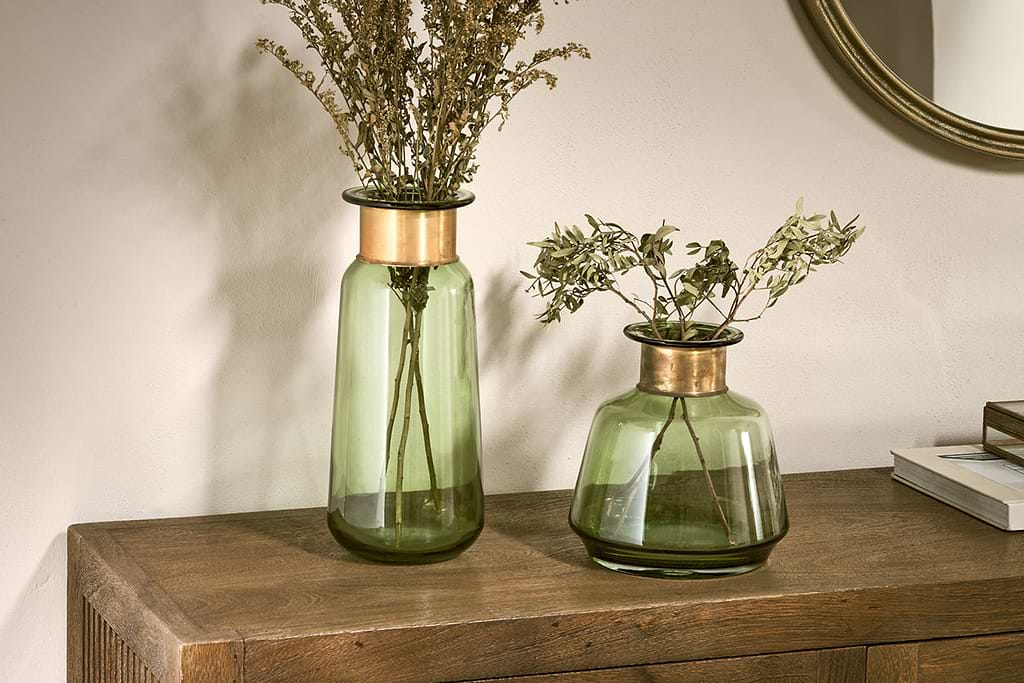
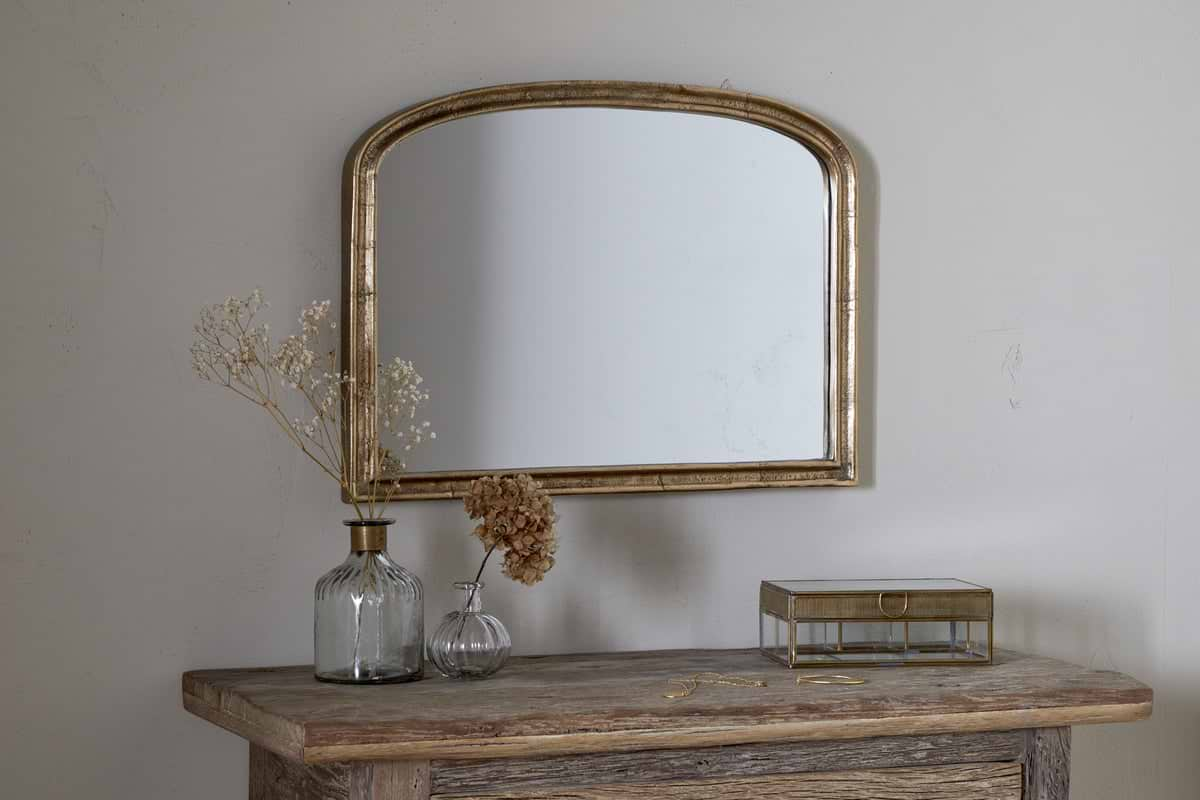
A few Nkuku pieces that work beautifully alongside calm bookends on a considered shelf.
Some links above are affiliate links. If you buy through them we may earn a small commission at no extra cost to you. We only suggest pieces we think fit a calm, lived-in home.
Free guide
The Calm Shelf
12 styling ideas to help you compose calm, balanced shelves in natural texture homes.