

Grey slat wall panels can bring calm to a room, but many homes end up with busy walls, cold surfaces, or awkward gaps when the tone or placement is off. Picking the wrong panel, too dark, glossy, or thin, can make a small space feel boxy or leave a living room unfinished. This works especially well in a bedroom with low light when there’s little room for artwork because the panels add gentle texture without clutter.
This guide untangles the choices. By the end, you’ll see clear ways to use or avoid slat wall panels grey, how to work with materials, and where the panels look best. You’ll learn which options are waterproof, which help with sound, and which just look good for the price.
The short version: Slat wall panels grey add interest without feeling heavy when you limit the palette, choose the right depth, and place them on one main wall. Use grey slat panels to warm up plain bedrooms or soften echo-prone living rooms, but avoid overusing them or picking a tone that jars with the rest of the room.
Key takeaways
- A slat wall panel works best when its tone matches nearby surfaces like flooring or side tables.
- Acoustic grey oak panels reduce sound bounce in large or echo-prone rooms.
- Waterproof grey panels suit bathrooms or kitchens prone to splashes and steam.
- Most premium acoustic panels offer a 10 year guarantee, according to Panel Company.
- One vertical panel feature per room keeps the design simple and calm.
- What you need to know before buying grey slat wall panels
- Where this works best
- How do you pick the right grey tone for your space?
- Grey oak acoustic slat panels: a visual breakdown
- Styling and placement
- How to use grey slat panels in small or rental spaces
- What do product pages not tell you about installation?

What you need to know before buying grey slat wall panels
Grey slat wall panels come in many grades and finishes, but not all types suit busy homes or humid rooms. Look for real-wood veneer or sealed MDF if family traffic or moisture are likely.
Living rooms, bedrooms, and hallways each react differently to panel color and depth. Slat panels with rough edges or poor finish can peel or chip near doorways. Panels made for a showroom wall may be too thin or flat for daily wear, so check for a sturdy build or listed warranty in the product details.
Finishes range from soft ultra-matte to sharp, semi-gloss. Some light grey options hide dust and small marks, while darker panels may show fingerprints more quickly. Light, sealed greys work best for surfaces that children or pets touch often.
Unlike pure decorative panels, true acoustic slat wall panels have extra thickness and usually a felt backing. The felt layer underneath the wood strips absorbs sound, helping reduce the echo that hard floors and plastered walls can bring to open living areas. Picking the wrong grade means you might end up with panels that look good for a month, but don’t hold up or do much to calm echoes.
Rooms that get heavy use, by kids, pets, or guests, do better with sealed, scratch-resistant finishes. Always check if a free sample is available; most premium grey acoustic panel sellers will offer one for a small fee or free with a minimum order. A good way to test is to tap or press the sample against a painted wall to hear how much sound is absorbed or reflected back.
Where this works best
Grey slat wall panels look best on one main wall in a room that needs texture but not extra clutter. Bedrooms, living rooms, and entryways benefit from subtle pattern and soft light reflection.
Slat panels work in bedrooms with simple layouts, especially where bed or wardrobe walls feel flat or cold. They break up white walls in living rooms that lack an architectural focal point. People often use them behind a sofa or headboard to anchor the room and draw the eye without needing extra art or shelving.
In narrow hallways, a single vertical run of light grey panels can stretch the wall and add interest, compared to plain paint or wallpaper that can read as lifeless. Entryways with shoes, bags, or keys piling up benefit from a feature wall, with hooks or a floating shelf blending into the slats.
Avoid using the same panel on all four walls or in small, poorly lit spaces, where the effect can become boxy and heavy. An all-over grey slat approach looks colder than one well-placed panel, while mixing too many tones can distract from the room’s purpose.
A board in a low-light bedroom gives a gentle contrast to pale bedding, while placing a grey oak panel behind a TV can warm up an open-plan living area. In most homes, the best outcome happens when the panel anchors a single wall that shows from the main entrance or is visible from a favourite seat.
How do you pick the right grey tone for your space?
To choose a grey slat panel, match the undertone (warm or cool) with your current flooring and largest furniture. Light grey softens bright rooms; deeper grey adds contrast on pale walls.
In a sunlit living room with light wood floors, pale grey panels tie in seamlessly and avoid sharp breaks between wall and ground. Cool greys lean blue or green and work better with glass or black metal accents. Warm greys, often found in deeper grey oak, have a brown or taupe base, pairing well with natural textures like baskets or tan leather.
Matching an undertone keeps a space from looking piecemeal. Clashing greys with gold or red furniture reads harsher; sticking to similar underlying tones between flooring, panels and big upholstered pieces creates smooth transitions. This is especially true in open-plan settings, where sightlines run unbroken between dining and living areas.
Choose ultra-light greys for small apartments or low-light rooms so the panels don’t seem heavy. A darker grey against pale plaster can produce a strong focal wall, but used back-to-back in a windowless hallway makes the route feel closed-in.
A grey slat wall panel works best when its undertone connects with an existing texture in the room. Lay samples side by side on the floor before deciding; differences can read subtle in isolation but much sharper once mounted on a full wall.
Grey oak acoustic slat panels: a visual breakdown
Grey oak acoustic slat panels have real wood veneers, soft felt backing, and a subtle, mid-tone grey. The acoustic layer absorbs sound where hard floors or blank walls would bounce it back.
Acoustic panels differ from standard options in both build and appearance. The wooden slats are thicker and slightly deeper, mounted on a dense black or charcoal-coloured felt. According to STRIVO acoustic slat, their panels come with a 10 year guarantee and have a textured, light-absorbing surface that reduces echo and makes conversation easier.
Unlike thin decorative panels, acoustic types have real functional heft. That depth scatters and absorbs noise, a practical fix for living rooms with hard floors or home offices where typing and talking bounce off bare walls. A flat MDF panel looks cleaner but won’t soften sound as visibly or make a difference on video calls.
Some ranges, such as the Easy Panels grey oak collection, ship with pre-cut pieces for quick install. Premium lines offer felt in black or anthracite, letting you control visual depth and shadow even in low-light spaces. On price, Panel World sells grey acoustic panels from £23.95, while basic waterproof versions cost under £25 each, making them accessible even for a one-wall project.
Grey oak panels hold up best where sound is a problem or a hard edge needs breaking, behind a TV, a feature wall in a bedroom, or to anchor an open-plan living space.

Styling and placement
Styling grey slat panels is clearest when you treat one panel as the singular focal point, keeping nearby accents soft and neutral. Use loose textiles or one woven basket to break any hard vertical lines.
For a calm finish, pair grey slat panels with natural textures. A chunky wool throw on a sofa, a woven lamp shade, or a rattan stool can warm the look. Place large objects, like the Nkomi Basket, close by but not pressed into the panel; leaving a gap makes the wood lines show as intended, without crowding the wall.
When you style a bedroom, soft bedding in off-white or pale beige always creates a gentle contrast with grey slats. Earthy ceramics or matte brass trays avoid the room feeling too cold. Compared to glass or shiny silver, natural finishes pair quietly with wood and felt, reducing sharp glares and distracting highlights.
Rooms with too many accent colors or metallic objects will distract from the slats. Instead of covering every inch, leave part of the panel exposed so the stripes read clearly from the doorway. This holds especially in rental bedrooms, where fixed changes aren’t possible, textiles, baskets, and low, light wood chairs work without extra holes or effort.
Quick calm checklist:
- Choose matte or ultra-matte finishes over gloss to keep reflection low.
- Keep three-quarters of the panel clear, add a single object, not many.
- Use baskets or textiles with visible natural fiber (jute, sisal, cotton, linen).
- Repeat one neutral color in nearby throws, bowls, or planters.
- Anchor only one wall per room as the vertical feature.
Styling works best on the main wall you see entering the space, behind the sofa, bed, or at the end of a hallway, never on multiple walls competing for attention.
How to use grey slat panels in small or rental spaces
Grey slat wall panels suit small apartments and rentals when you mount them without glue, keep to one wall, and match light tones to pale paint. Use removable strips for a damage-free install.
In small homes with thin walls, grey panels can deaden sound without major changes. Bedrooms with no headboard benefit from a short run of light grey slats, fixed above the bed with sticky pads. Narrow hallways brighten when you line one side only, leaving the opposite wall bare for shoes or storage benches.
Landlords often ban nails, so stick-on wooden decorative wall panels are useful. Most runners prefer ultra-light, thin grey panels that can be peeled off with heat. If you need moisture resistance for a kitchen or bath, a waterproof grey oak 3D slat wall panel costs about £19.99 and resists splashes and steam.
When using slat panels in a studio, keeping furniture low lets the eye travel up the striped surface, making the ceiling appear taller. Compared to dark painted walls, soft grey slats reflect more daylight without looking stark or chilly.
Rooms with sliding doors or little natural light do best with a single, uninterrupted panel on the main wall. Keep the palette pale and repeat one texture nearby, jute baskets, whitewashed shelves, or soft rugs, to soften any strong vertical lines.
What do product pages not tell you about installation?
Most product pages skip details about wall prep, trim pieces, and the real work of hiding seams or outlets. Plan for extra time fixing uneven walls and cutting panels to fit around corners.
Grey slat panel installation appears quick online, but real homes have quirks, wavy plaster, odd corners, or hidden wiring. Patching, sanding, or even adding a slim batten may be needed for a flush finish. Corners can expose raw cut edges if you skip matching end trims, which are sold separately and often not included in the panel price.
Outlets pose a problem. Expect to unclip panels for wiring or cut holes into the slats, sanding down raw edges. Silicone or putty helps seal gaps for kitchens or bathrooms, especially with waterproof grey options.
Unlike shower panels or basic wall boards, slat panels may require multiple steps: dry fit, trimming for height, and securing each strip so lines run straight. Some buyers work in pairs to line up edges or keep seams tight. Acoustic panels are heavier, so budget extra hands or patience to get the foam backing sitting flush.
A table can clarify the main points, acoustic, decorative, and waterproof types each have traits that may not be obvious from the online photos:
| Type | Main Benefit | Best Use |
|---|---|---|
| Acoustic grey oak | Reduces echo, adds warmth | Living rooms, bedrooms, workspaces |
| Decorative | Lightweight, easy to install | Entryway, rental, short-term projects |
| Waterproof 3D | Resists steam, wipes clean | Kitchens, bathrooms, laundry walls |
Wall prep and trim take more thought than fast-shopping product pages show, but the payoff is a wall that fits into daily life with no rough edges or awkward seams.
There’s often a moment, maybe after standing back or looking at a Pinterest save, when the room feels busier, colder, or less finished than expected. The wall pulls the eye, but objects feel scattered or the color clashes with something in the space. These are usually the best times to step back and rethink placement, tone, or even the role of the panel in the room before locking a design in place.
Many living rooms end up with heavy, dark feature walls that don’t work with the rest of the palette, or bedrooms where the panel is hidden behind clutter or the wrong lamp. Most people don’t realize that placing panels too close together or using too many textures will overwhelm instead of calming a room.
Once you pull back to a single focal point, reduce the palette, and limit extra accents, the room starts to read as one clear idea instead of many small ones.
Save this idea for later.
What tends to hold up with slat wall panels grey
Looking through hundreds of room photos and product reviews, one pattern shows up: calm rooms with grey panels rely on restraint. Designers consistently recommend sticking with one panel feature per room and pairing it with soft, neutral objects to let the slats read clearly from across the space. Matte or ultra-matte finishes also tend to get high marks in homes with mixed lighting because harsh glare is never an issue.
There’s also recurring advice to check panel depth and sound absorption claims carefully, especially with acoustic panels, many reviewers report that the extra felt or backing is what makes a difference for echo control in open-plan homes. Small changes, like leaving most of the panel clear, spacing baskets instead of clustering, or repeating tone in pillows, seem to last the longest and work for nearly any mood or season.
, Mara, Loom & Glow
Common questions
Where can I find affordable grey slat wall panels?
Affordable grey slat wall panels can be found at retailers like Panel World, which sells acoustic panels for £23.95 per section. Online suppliers often run promotions or offer free samples for a small fee, helping you test color and material before buying. Shop around for deals, check reviews, and look for a free delivery threshold to cut costs.
What is the difference between cheap and expensive grey acoustic panels?
The difference lies in materials, sound absorption, finish, and longevity. Premium acoustic panels often use real wood veneer and felt backings, plus carry features like a 10 year guarantee according to Panel Company. Cheaper versions might use printed MDF or skip the acoustic layer, providing less noise control and shorter lifespans.
What are the best slat wall panels for a calm home?
Panels with matte or ultra-matte finishes, real wood veneer, and a soft felt acoustic backing are best for calm homes. Light grey oak options work with many palettes and reflect less light, reducing glare. Look for products rated cruelty-free, low-VOC, or acoustic tested if you prioritize wellbeing or sound comfort.
Why do slat panel prices vary so much?
Prices differ due to wood quality, thickness, finish, and features like waterproofing or acoustic layers. Brands offering longer guarantees, free samples, or advanced sound absorption usually charge more. Cheaper panels skip some details, so check product specs or warranties before deciding.
what are the disadvantages of acoustic wall panels?
Acoustic wall panels can lose their effectiveness if you pick the wrong grade, as panels that look good for a month may not hold up or do much to calm echoes. Rooms with heavy use by kids, pets, or guests require sealed, scratch-resistant finishes, while panels with rough edges or poor finish can peel or chip near doorways.
Explore more calm combinations inside our Shop The Look .
Shop the Look
A few Nkuku pieces that sit well against slatted grey walls.
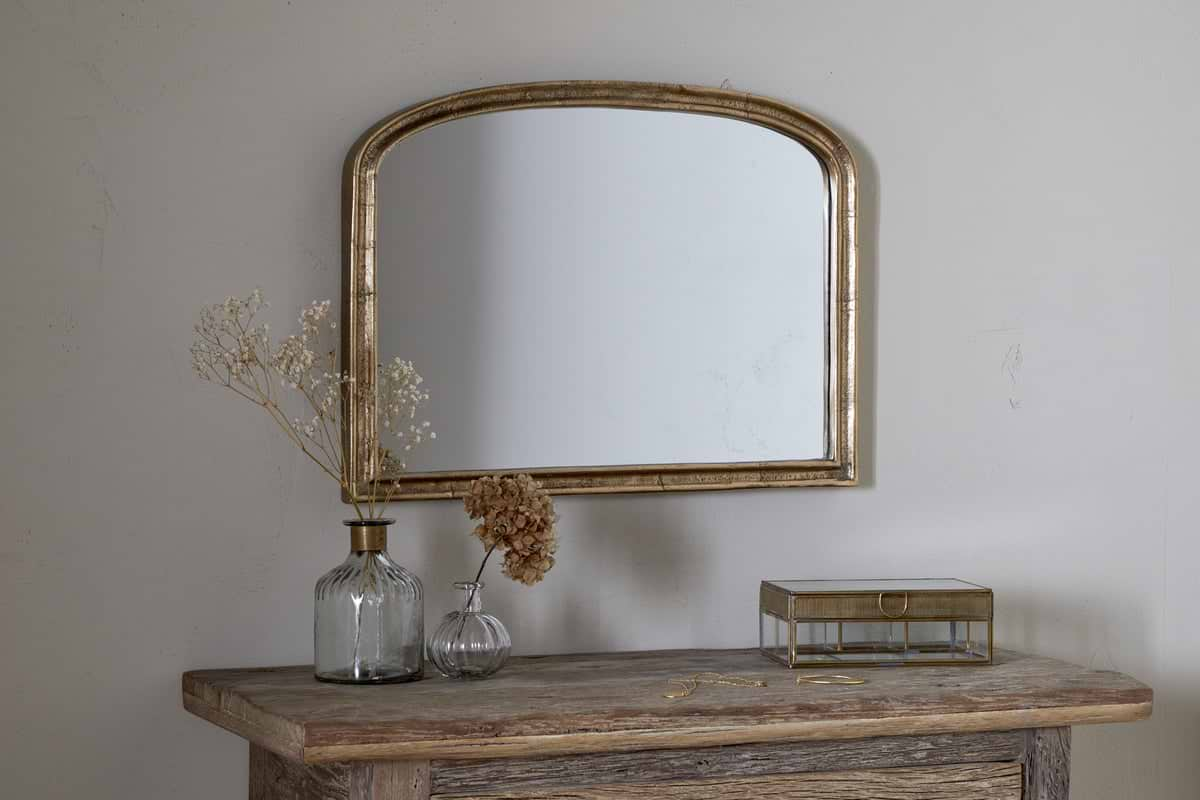
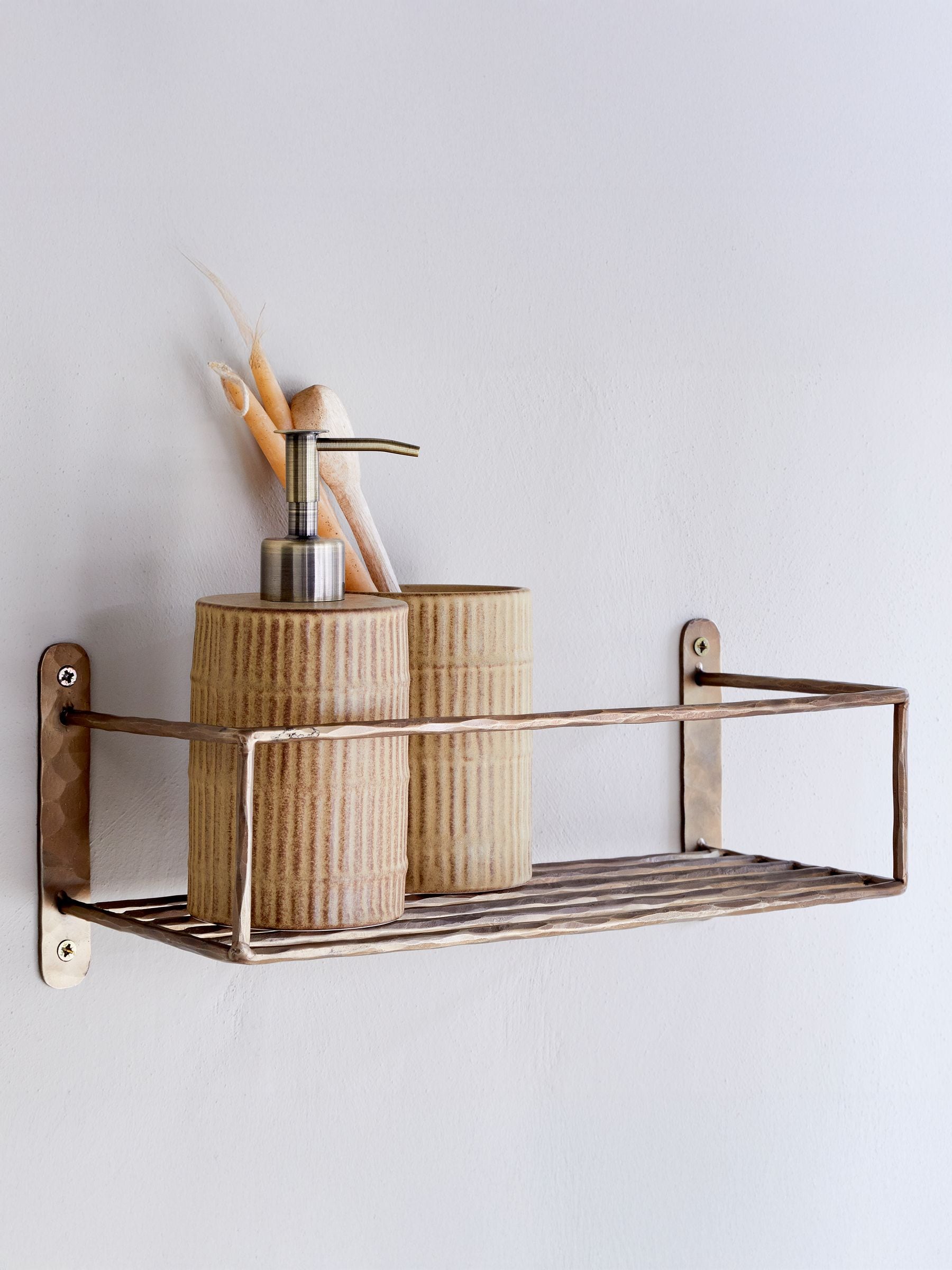
Nkomi Basket
Woven storage with a calm silhouette, works open or tucked under a console.
View at Nkuku →Some links above are affiliate links. If you buy through them we may earn a small commission at no extra cost to you. We only suggest pieces we think fit a calm, lived-in home.
Free guide
The Calm Shelf
12 styling ideas to help you compose calm, balanced shelves in natural texture homes.