

In homes where you can’t drill or make big changes, a blank plaster wall feels flat and stubborn. It’s common to want slats on wall finishes that won’t leave a mark, but the usual panels seem out of reach if you rent or don’t want holes. Landlords worry about damage and decorators warn against heavy add-ons that break plaster or won’t come off clean.
Today, you’ll see exactly how to put a slat feature wall up without tools or stress, using adhesives, picture rails, and lightweight tongue and groove wall planks. You’ll learn which wood finishes work, how to use tape and mounting strips safely, and the real tricks to styling with less. This works especially well in a small apartment hallway when you need texture that moves with you because it brings warmth and pattern without commitment.
The short version: Slats on wall panels can be installed using removable adhesives, tape, or picture rails, no drilling required. These renter-friendly methods let you add wood tone, shadow, and subtle shape while keeping your deposit safe and the space calm.
Key takeaways
- A slat feature wall can be mounted with strong adhesive strips or tape for a non-permanent installation.
- Picture rails and tension rods make slats on wall possible without marking plaster or paint.
- Peel-and-stick tongue and groove wall planks work best on smooth, dry surfaces like sealed plaster or MDF.
- Water-resistant slat panels suit kitchens and bathrooms, where splashes and moisture challenge plain wood walls.
- Most acoustic MDF slat panels are designed to be light enough for adhesive mounting, according to Naturewall.

What counts as slats on wall?
Slats on wall means adding rows of wood or wood-look pieces spaced apart to create pattern, shadow, and warmth on a blank surface. Unlike solid wall panelling, slats let the background show through, keeping the room light and textured but not heavy.
Most people first notice slat walls in living rooms or offices, where vertical strips of oak or walnut break up white plaster or painted MDF. These strips stand tall and narrow, set apart by small gaps that pull eyes up and around the space. A slat feature wall can use solid wood, veneer-wrapped MDF, or even PVC if weight is a concern.
The main difference between slats and full wall panelling is space and relief. Full panels fill the wall; slats create rhythm and shadow by leaving space between each line. This adds interest without feeling boxed in. A wall with just two or three horizontal boards can mimic a low wall plinth, while a full set of narrow slats adds subtle movement along the entire wall. Compared to painted MDF, wood tones in a slatted pattern soften stark plaster and raise the look from basic to lived-in.
Rooms with minimal light or open shelves benefit most. Kitchen banquettes, studio flat entryways or the back of a living room alcove suit this approach; slats bring definition where plain paint falls flat. A wood wall decor piece can sit above a bench or console for a softer break.
Choose slats when you need lift, not weight. A flat wall board covers up marks and cracks, but slats add depth, especially effective when you want something that stands out without being bulky.
Can you put slats on a wall without drilling?
Slat walls can be mounted without drilling by using adhesive strips, strong double-sided tape, or fixtures that clip on to an existing picture rail. These methods keep rental agreements intact and allow easy removal when you move.
The biggest worry when hanging anything in a rental is damage, but most MDF and veneer slat panels are light. Peel-and-stick options use adhesive already applied to the back; others require only a strip of wall-safe mounting tape or command-strip-style fixings. According to Naturewall, their panels are specifically made for adhesive mounting if you avoid placing them where moisture lingers, like next to baths or kettles.
Unlike framed prints, which need hooks or nails, many newer slat panels are light enough that adhesives work without slipping or peeling. The effect is close to built-in, even though you can take the pieces off cleanly. Instead of patched plaster or cracked paint, you’re left with the same blank wall when your lease ends. If the wall is especially rough, try a neutral-coloured flat wall board underneath for grip.
Removable mounting means you can add or swap panels for seasons or for new styles, without repainting. Slats bring pattern while moving out is still easy.
Where this works best
Removable slats suit rentals, small flats, and any room where you need a quick update or want to avoid permanent renovation. Rooms with plain, smooth walls and little light are the best place to start.
Hallways in shared homes and small city apartments tend to lack built-in texture. When landlords ask for “no marks,” anything nailed or screwed is out. A peel-and-stick slat feature wall sets a boundary or seating nook without closing in a space, especially when painted slats mimic tongue and groove wall cladding. Low natural light or empty corners can look more pulled-together with subtle wood strips placed upright or across the wall.
Entryways and small studies are common “problem areas” because furniture is minimal and storage is limited. Lifting plain plaster using wood slats helps break up the blankness and gives a landing spot for hooks or art. Compared to more complex joinery, this approach suits compact spots where every mark on the wall is tracked. Using water-resistant slats, such as the ones the Panel Company also stocks, is a good option for kitchens or bathrooms with splash zones.
Avoid sticky strips on rough brick or flaking paint. Unlike smooth plaster, heavy textures let panels slip or fall. Instead, primed or sealed walls work best, and curved corners or alcoves need care since many peel-and-stick panels are flat.
You get the best payoff in overlooked nooks or long, bare corridors, adding interest where it’s tricky to change much else.
Adhesive strips and tape: which work for lightweight slat panels?
Removable adhesives work for slats on wall if they’re rated for picture frames or lightweight shelving, and the wall is smooth, clean, and fully dry. Command strips, heavy-duty double-sided tapes, and nano-gel pads hold most MDF or veneer panels with no drilling.
In living rooms or bedrooms, mounting tape is the most invisible solution. Brands make tapes that hold from a fraction up to a few kilograms, check your panel’s packaging, but most flat slat wall boards stay put when secured along the top and sides. Double-sided mounting tape can be cut to the panel width, pressed tight for a minute, then left to settle before hanging anything heavy in front. Unlike older foam tapes, new nano-gels lift off with no sticky marks.
Command strips, originally made for gallery walls and picture frames, support slats in smaller sizes. Peel off the liner, press the slat panel flat, and walk away. For tongue and groove wall planks, or “click together” strips, add a little extra tape where the groove ends, so the edges don’t pop free with humidity changes.
| Mounting Method | Best For | Remove Cleanly? |
|---|---|---|
| Command Strips | Light MDF slats, painted walls | Yes |
| Double-sided tape | Flush panels, sealed flat walls | Usually |
| Nano-gel pads | Tension spots, quick swap-outs | Yes |
Unlike drilled screws, the adhesives settle flexibly, so small shifts or wall expansion cause less damage. Instead of repairing plaster, you just peel off and go.
Panels with felt backing or water-resistant coatings can be heavier; always match your adhesive to the real load, not just the wall. Lightweight slats move with you, an advantage for renters or anyone likely to swap rooms in the future.

How do picture rails and tension rods help renters?
Picture rails and tension rods let you hang slats on walls without tools by using existing mouldings, window frames, or tight alcoves. This makes them a smart choice when adhesives won’t hold or the wall finish is delicate.
Some older flats have a picture rail running near the ceiling, a thin strip of moulding designed to take hooks. Small slat wall panels with D-ring hangers or thin wire loops can hang from these rails, leaving the plaster untouched. This trick suits period homes where the landlord’s rule is “no wall damage at all”, you hang panels just as you would a framed canvas or mirror.
For rooms with tiled or low-resistance walls, a tension rod wedged between two parallel walls can support lightweight slat strips or tongue and groove wall planks. Laundry rooms, narrow bathrooms, or window nooks can take this approach, especially when braces at each end keep the panel upright. Unlike adhesives, the rod removes without a mark or residue.
This approach is different from standard wall panelling because nothing fixes directly to plaster or paint. Instead of using screws, you rely on existing rails or structural tension, a prime setup for renters. Rooms with visible picture rails can carry long vertical slats down from the ceiling, bringing both pattern and shelter.
Create a feature that’s both reversible and unique by matching your slat tone to the rail or rod colour. The result is a display that changes with your lease, not your deposit.
Styling and placement
The best styling relies on repetition, one feature wall, a single wood tone, and few competing shapes. Slats stand out when not crowded by busy colors or too many objects.
Living rooms with fewer strong lines feel calmer with one panel as the centerpiece. A slat wall behind a sofa or above a sideboard draws focus away from scattered shelves or cords. Bedrooms use slat feature walls as soft headboards, giving shape without pushing the bed out into the room. Unlike gallery walls, which can overwhelm, a single slatted area grounds the eye and looks finished without clutter.
Corner walls or ends of hallways work well for vertical slats, which stretch the feeling of height. Place painted tongue and groove wall planks horizontally along a dining area for a gentle break between kitchen and living space, letting color and shadow tie both sides together. Compared to bold art, slats keep things grounded, drawing light but not stealing attention from furniture. Arrangement matters, a busy kitchen already full of open shelving benefits from a narrow, vertical panel, not a whole wall covered.
Quick calm checklist:
- Pick one wood tone or color for all slats in sight.
- Leave at least two-thirds of the wall clear, avoid full coverage in small rooms.
- Space slats evenly, or use tongue and groove wall planks for a closer, seamless look.
- Keep the palette simple, three or fewer colors per zone.
- Let at least one section of wall remain plain as visual relief.
Use a tight arrangement on the narrow end wall of a kitchen, or keep a bigger panel behind the bed to separate sleep from storage.
Wood finishes: oak, ash, walnut and colour rules
Wood finish choice sets the mood: oak lifts and brightens, walnut warms cool rooms, white and soft greys fade into the background. Use felt backing or painted finishes where you need less contrast.
Panel Company sells MDF and acoustic slat panels in finishes like Walnut, Ash, Natural Oak, White, and Charcoal, all popular in the UK for matching existing floors or cabinetry. A pale oak adds freshness to shadowy rooms, while black finishes anchor big living spaces or damp rooms.
Acoustic slat panels, especially those with felt backs, also absorb noise and line up well for renters who hate echo in bare rooms. Some companies, such as Panel Company, offer water-resistant wall slats (in Walnut, Charcoal, Light Ash) for bathrooms or splash-prone kitchens, with a smooth outer layer that wipes clean.
Unlike natural oak or walnut, painted slats or those with a veneer can look flatter but hide marks and wear better in high-traffic areas. Instead of a yellow-toned wood that ages with sun, grey and white finishes keep their shade even in well-lit spots. Use a test swatch on bare wall to check how each reflects midday light, sometimes a warmer walnut works better than a pale oak in rooms with harsh LEDs.
Wood tone controls weight: dark walnut makes a big open wall feel snug, but can look heavy in a small or cluttered spot. Use lighter finishes for small bedrooms or windowless halls.
Sometimes, a room looks styled but feels incomplete until you pick one anchor to repeat shape or color throughout. That’s the design moment: standing back to check if your feature wall actually ties the room together, or if it adds a new confusion. A single vertical panel, carried in wood tone or shadow to a shelf or a bowl, is often all you need.
Many homes pile on pattern or leave feature walls floating with nothing else picking up the tone. The most common mistake is scattering too many textures, mixing three woods with bold paint, or running slats behind tall bookcases so nothing stands out. When you keep palette and shape simple, every object looks more deliberate.
The room softens and feels inviting when the right piece anchors the wall and the eye knows where to land. Save this idea for later.
What tends to hold up with removable slat wall solutions
Most removable feature walls look best in rooms with spare layouts and steady, dry air. Reviewers mention that matt-finished tongue and groove wall planks and acoustic slat panels placed where kids or pets can’t pull at edges stay neater over time. Decorators consistently suggest using one clean wood tone and avoiding mix-and-match, since contrast between slat colours quickly feels unintentional instead of stable.
Matte finishes come up often in recommendations near windows, because they don’t pick up unwanted glare the way gloss coatings can. Lightweight panels with felt backs also muffle sound, a bonus in open-plan homes or flats with thin walls.
, Mara, Loom & Glow
Common questions
What is a slat wall called?
A slat wall is also called a slat feature wall, slatwall panel, or acoustic slat panel. In home design, these mean strips of wood or veneer placed at regular intervals over a backing board or directly on the wall. The name sometimes changes with the room or finish, but the pattern remains distinct.
How do you attach slats to a wall without drilling?
You can attach slats to a wall without drilling by using removable adhesive strips, mounting tape, or hooks from an existing picture rail. Most light MDF panels stick securely on painted or sealed surfaces. If your walls have rough textures, a flat wall board first gives a steadier surface for mounting.
Are slat walls still on trend?
Slat walls remain popular for their warm, textured look and ability to fit both modern and classic rooms. Many brands continue to expand their finish and size ranges, especially for renters or those wanting easy, changeable updates. Slat walls also double as sound baffles in open-plan spaces.
How much do wall slats cost?
Wall slats typically cost anywhere from £40 to £150 per square panel, depending on wood species, finish, and backing. Panels with acoustic felt or water-resistant overlays may run a bit higher, but adding just a single feature zone can often be done affordably in a compact space.
Explore more calm combinations inside our Shop The Look .
Shop the Look
A couple of objects that work softly with slatted wooden walls.
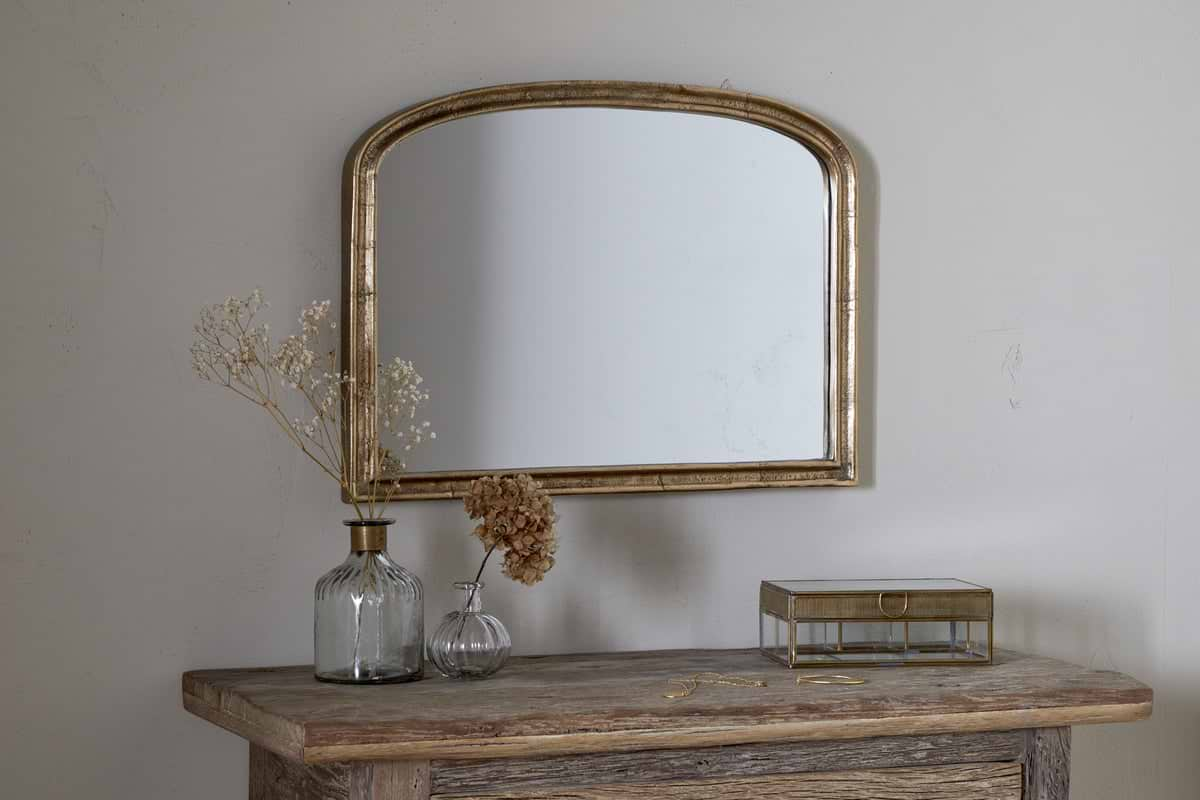
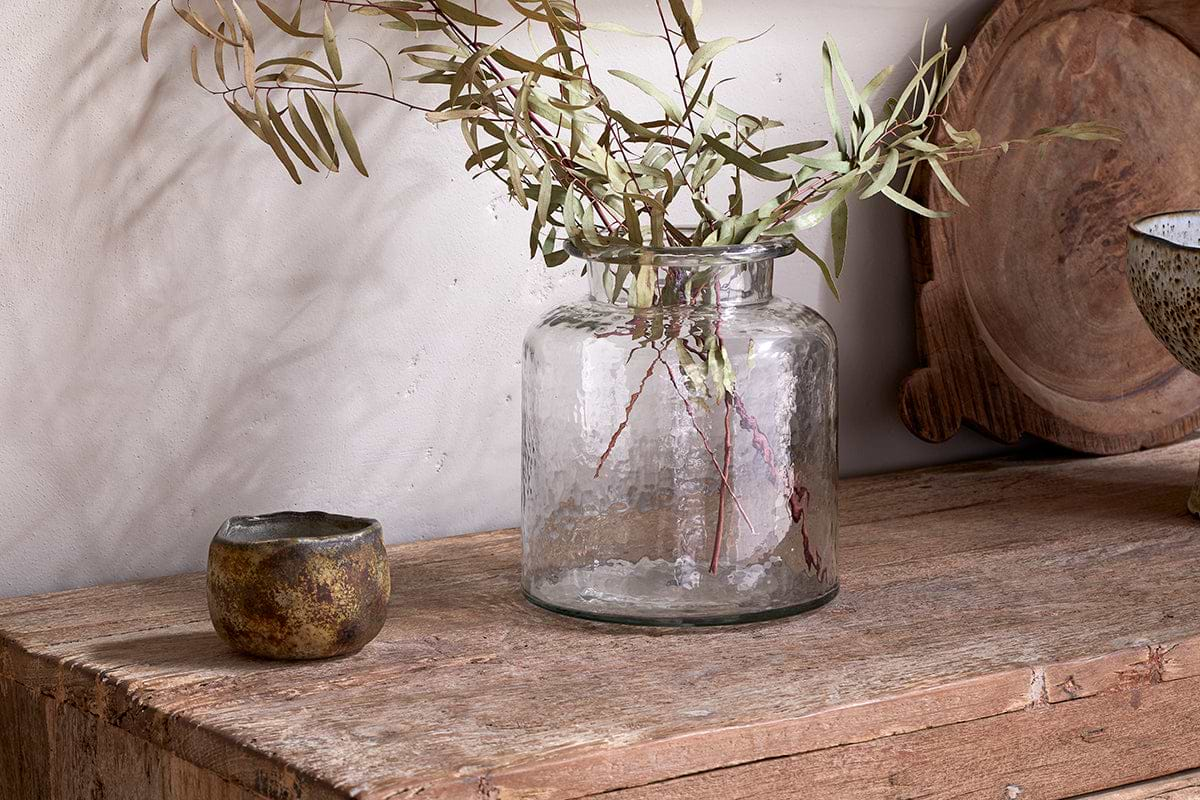
Akra Recycled Glass Vase
Clear cylindrical glass, pairs with stems or sits empty as a quiet accent.
View at Nkuku →Some links above are affiliate links. If you buy through them we may earn a small commission at no extra cost to you. We only suggest pieces we think fit a calm, lived-in home.
Free guide
The Calm Shelf
12 styling ideas to help you compose calm, balanced shelves in natural texture homes.