

Staircase walls in small flats present a tricky challenge. Common staircase wall decorating ideas, like gallery walls or bright wallpapers, often add to the visual clutter, making the space feel more squeezed. Busy prints or too many frames on a staircase can close in a narrow passage and turn a much-used walkway into a source of irritation instead of calm.
This guide helps you cut through the noise and decide what to keep, what to remove, and what to introduce. You’ll learn how to use just one or two key pieces or textures that lighten the feel, soften transitions, and work with your flat’s awkward lines. This works especially well for a staircase landing in a rental flat when space is narrow because the right material draws the eye without making the wall busy.
The short version: The most effective staircase wall decorating ideas for cramped flats involve using one large, natural focal piece or subtle texture to calm the space. This approach makes the stairwell feel open and clean, so you stop noticing the wall entirely and start moving through it with ease.
Key takeaways
- A single vertical or oversized art piece relieves crowding and opens up small staircases.
- Natural textures like wood, plaster, or woven hangings soften hard corners and muffle sound.
- Monochrome or gently varied palettes reduce visual clutter on narrow stairway walls.
- Choosing light-reflective materials can brighten a dark staircase without adding visual bulk.
- Most floating shelves for staircase use are kept shallow and uncluttered for best results.

The staircase wall problem: visual noise in a cramped junction
Small flats often have staircase walls that end up crowded with objects, making tight spaces feel even narrower and busier. Simplifying what goes on the wall brings instant visual relief and helps people pass through with less stress.
Many staircases sit at the heart of a flat, joining upstairs and down in a busy junction where coats, boxes, and artwork often collect. Add too many objects to this area and the result is a buildup of distraction.
A gallery wall, while popular, often adds visual lines and conflicting styles, which can feel especially heavy in a narrow stairwell with low light. The eye jumps from piece to piece and the sense of chaos grows, especially in a shared space where storage competes with display and every inch counts.
Unlike a wide staircase in a house, a flat’s tight passage can’t handle a lot of detail. One simple arrangement acts like an anchor, so the wall stops pulling focus and the space feels lighter to walk through.
Applying a quiet approach here works best for renters or anyone conscious of how clutter builds up. Placing one soft, textural element at eye level turns a busy staircase into a calming route between rooms.
Where this works best
Single-piece decorating works best in narrow, rental or low-light staircases where adding lots of detail would make the area feel boxy. In these spaces, a pared-back approach gives breathing room and keeps movement easy.
Many small flats have staircase walls that double as corridors: there’s little room for furniture or layered art, and adding shelves can break the walking path. Vertical apartments, maisonettes, and older walk-ups with tight turns rarely benefit from cluttered walls.
Choosing one feature for the wall in these places lets owners skip fuss and reduces the amount of cleaning or resetting needed. If you live with frequent come-and-go, kids, guests, groceries, having less on display means less risk of knocks or marks too.
Avoid using gallery walls or textured paint effects in spaces where the light is already low or the steps feel close together. Too much surface pattern makes a cramped stair feel even more busy, so a small step instead, like a single wooden panel or woven piece, gives all the benefit without doubling the lines on the wall.
It’s this combination, one focus, spare details, clean lines, that creates the sense of space people actually notice as soon as they walk upstairs.
Why does a feature wall fail in a small flat?
A typical painted feature wall in a stairwell often draws attention to the narrowness and makes cramped landings feel boxed in. A lighter, subtler finish lets the area open up and recede into the background.
Bright or dark accent walls sound appealing, but in practice, painting one wall in a staircase deep green or navy can make a small flat feel even smaller. The rule of thumb: A feature wall works best when nearby surfaces have space to balance the colour or texture.
Unlike a living room, where a statement colour has room to breathe, in a stairwell, the surface stretches up and down, not out. Most staircases are also softly lit, so deep colours tend to swallow what little daylight there is. According to Wallsauce, decorating a staircase is different than a main room: it’s walked through, not lived in.
A softly textured wall colour or natural, matte finish hides scuffs better than gloss and helps the passage feel less boxed in. Instead of heavy paint, using pale clay or plaster offsets shadows and stops the wall from crowding the stairs. This can make an awkward stair junction feel wider and more restful to climb.
Pick a finish that draws softly, not sharply, on the eye, especially if your stair wall meets another room or landing.
How do you hang one oversized piece without overwhelming?
An oversized artwork or panel works in a stairwell when the rest of the wall is left blank and the piece lines up with the main sightline. The scale feels deliberate and actually makes the stairs look roomier.
Many people are wary of hanging a big piece over the stairs, worrying it might shrink the space. In reality, when you let a single oversized print or painting run along the main part of the wall, starting just above the banister and ending near head height, the extra vertical line draws the eye up and makes the wall feel tall.
Instead of filling the gap with lots of frames or narrowing the wall with color blocks, one large canvas or a slim tapestry can create a sense of pause. This helps break up the run of white paint or plain plaster and gives the stairway a bit of softness without any added chaos.
Place the centre of the piece around eye level on the first or last step you usually stand on, and let the rest of the space stay open. A bare wall reads colder than one with a warm jute or wool hanging.
If you’re using a heavy material, like a framed textile or an oak panel, make sure it sits flat and doesn’t jut into the walk path, this keeps both the look and the safety in check.

Tactile layering with natural textures
Natural textures like woven wall hangings or polished plaster dampen sound and soften the edges of a hard staircase wall. Using tactile materials in a small stairwell keeps the look calm and masks everyday wear.
Staircases in flats often sit next to kitchens or entryways, places where shoe noise, footsteps, or echoes can carry. Hard walls reflect sound, which makes a cramped landing even noisier and less pleasant for anyone going up or down.
Woven wall hangings made from wool, linen, or jute help by muffling sound and drawing the touch as well as the eye. These absorb stray noises and, because they’re soft, don’t risk the sharp corner bumps that frames do. Woven wall hangings are also lighter to hang and move if you rent and need to keep the wall changeable.
Compared to bare plaster, a natural fibre wall panel won’t chip or show fingerprints as easily. Instead of many little art pieces, adding just one softly textured textile makes the staircase feel finished without clutter. This is especially practical for homes where shoes and bags bump the wall daily.
Hang a woven hanging by the middle of the staircase and keep the rest plain, this approach works well in passageways that echo or feel chilly.
| Material | Sound absorption | Care needed |
|---|---|---|
| Wool/woven | High | Light dusting |
| Polished plaster | Medium | Wipe down |
| Painted wall | Low | Touch up |
What colour works for a narrow, dark stairwell?
A soft, monochrome colour palette makes a narrow stairwell feel brighter and less crowded, while a single pale tone helps bounce the available light. Simple colours also help conceal scuffs and keep focus off the walls.
For flats where the staircase doesn’t get much daylight, deep or bright colours easily overwhelm and complicate the space. A single shade of white, cream, or pale clay lets light reflect gently and helps low-light areas look cleaner. According to Mixtiles, consistent colour is key for staircase walls, variety brings visual clutter, while simplicity expands the feel of the area.
A monochrome approach means the wall, skirting, and even the underside of the stairs all stay in the same gentle family. Instead of painting the whole staircase a trendy dark colour, try a pale, matte finish that won’t flash underlight but still hides hand marks.
Unlike larger homes with windows on the landing, most small flats have to make do with limited natural light. If you pick the palest tone your furnishings can allow, the area reads cleaner and feels less pinched. This works especially well in stairways that turn a corner or end at a solid door.
Styling and placement
A well-placed natural item, like a mirror or shelf, adds purpose to a stair wall without cluttering it, keeping both sightlines and movement clear. Careful styling prevents accidental visual noise and lets the staircase become almost invisible day-to-day.
The safest strategy is to edit down to one or two objects with clear purpose. A round mirror bounces available daylight without showing dust as easily. A single floating shelf at eye height works as a perch for a clay bowl or dried botanical arrangement, but only if kept mostly empty.
Compared to a gallery wall (which mixes frames, prints, and colours), placing a single shelf or small mirror keeps the wall feeling open. A wood, linen, or stone material will soften the visual weight compared to metal or glossy plastic. Most floating shelves for stairs are narrow, leaving the passage unobstructed and safe.
Avoid clustering objects near the bottom of the stairs where bags and shoes collect. A single, stable fixture higher up is easier to keep uncluttered. If there’s a window, stagger the shelf or mirror to catch the best indirect light, not the harshest shadows.
Quick calm checklist:
- Choose a single main material (wool, wood, clay, glass or linen).
- Keep at least half the wall surface bare for clarity.
- Limit the colour palette to three gentle tones or fewer.
- Install any shelf or mirror at eye level or higher, well out of the way of passing arms or bags.
Style with restraint, one practical piece does more than a cluster, especially in a flat where every bit of wall counts.
There comes a point when you realise the staircase feels unsettled. Maybe it’s too busy, or maybe it just seems unfinished every time you go up or down. Instead of relief, the area draws your eye and you start to resent passing through it.
The fix nearly always involves less, removing extras rather than adding more. By choosing one anchor piece or texture with care, you soften transitions, brighten movement, and create a pathway that feels like a pause instead of a pinch point.
Most people try to fix a narrow, busy-looking staircase wall with more art or brighter colour, but this only makes the space feel smaller and heavier. Pushing every decorating trend onto a small wall creates distraction and takes away calm. When the right single feature is introduced, the wall becomes background and moving between rooms feels easier. Save this idea for later.
What tends to hold up with staircase wall decorating
Across flats, the best results come from restraint. Patterns show that too many frames or objects on a staircase wall cause the eye to jump and the space to feel uneasy for nearly everyone using it. Reviewers mention, again and again, that matte finishes, whether on paint, plaster, or soft textiles, hide fingerprints and scuffs much better than anything glossy.
Lightweight materials and open placement win out over dense shelves, especially in homes where stairs serve as daily entry and exit points. Over time, well-chosen tactile pieces (like a wool hanging or clay dish) age gently and feel more welcoming. Simplicity, above all, lasts through trends.
, Mara, Loom & Glow
Common questions
How do I decorate a staircase wall in a small flat?
The best way to decorate a staircase wall in a small flat is to add one large focal piece in a natural material or subtle finish. Keeping the rest of the wall bare reduces clutter and makes the space feel brighter and calm. Simple styling works better than a busy gallery effect.
What should I put on my stairs wall to avoid clutter?
The safest choice for a stairs wall is a single mirror, shelf, or woven textile in a calming colour. Limiting items prevents the wall from feeling busy or crowded. Anything too detailed or layered quickly looks like clutter, especially in a flat with not much spare space.
Which colour is best for a dark stairwell wall?
The best colour for a dark stairwell wall is a light, soft tone like white, cream, or gentle clay. These simple shades help reflect whatever daylight is there, making the area look open. Dark accent colours often shrink small spaces and draw attention to marks or shadows.
What are the current trends for staircase walls?
The most popular staircase wall trends now are soft natural textures, oversized textiles, gentle neutral palettes, and subtle floating shelves. Minimalist looks and light-reflective materials win out, according to Mixtiles. Everyone seems to want something easy to change, and simple to live with day to day.
Explore more calm combinations inside our Shop The Look .
Shop the Look
A small mirror and a slender vase work quietly on staircase walls, catching light without competing with the steps themselves.
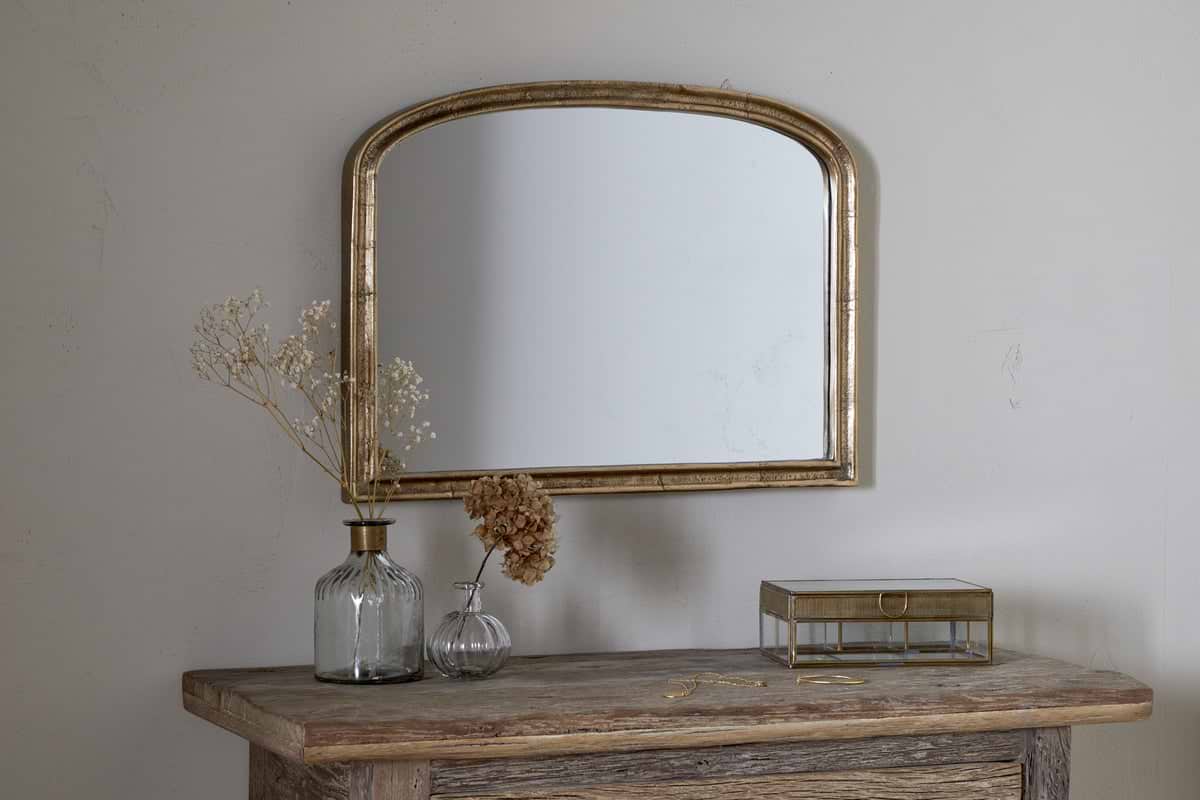
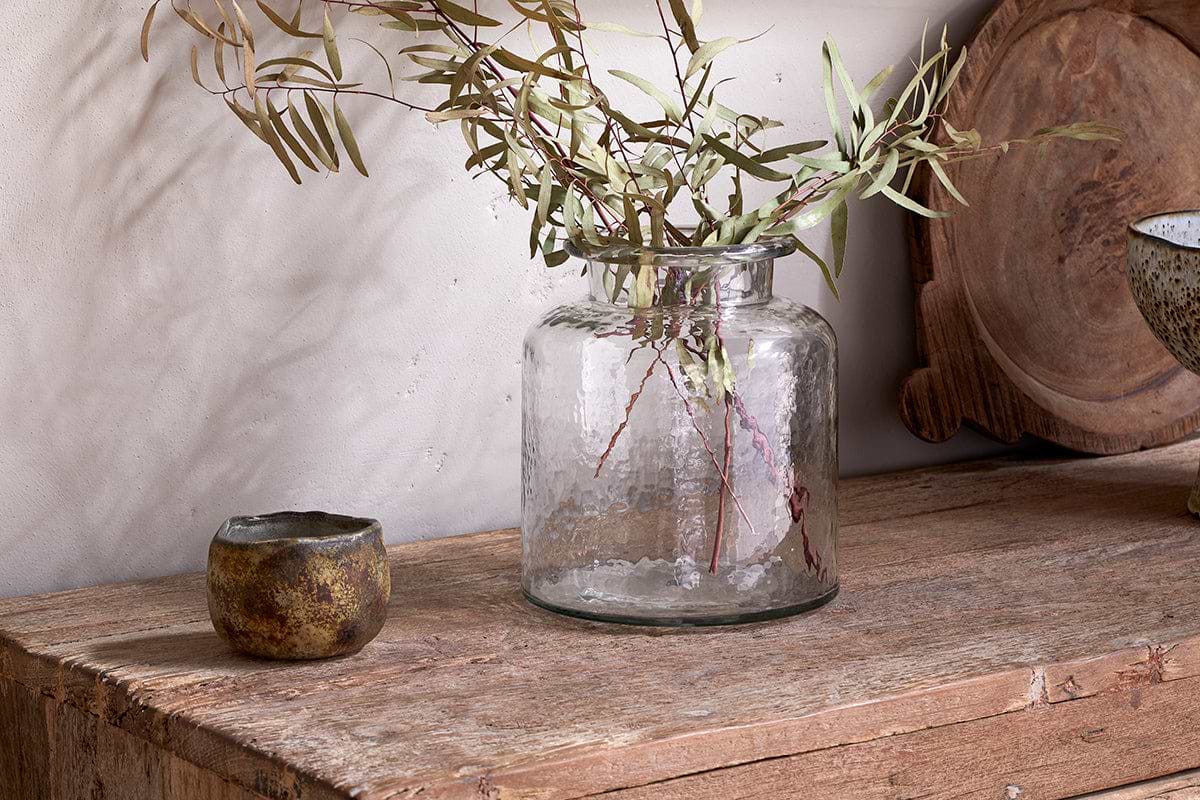
Akra Recycled Glass Vase
Clear cylindrical glass, pairs with stems or sits empty as a quiet accent.
View at Nkuku →Some links above are affiliate links. If you buy through them we may earn a small commission at no extra cost to you. We only suggest pieces we think fit a calm, lived-in home.
Free guide
The Calm Shelf
12 styling ideas to help you compose calm, balanced shelves in natural texture homes.