

Visual clutter in the bedroom can make it hard to rest, and most wall treatments only add more pattern or color without giving the eye a place to settle. There’s a difference between decorating for effect and using wall panels bedroom ideas to actually anchor a space and quiet the look. Bedroom walls often end up full of half-used storage, old hooks, or art that’s lost purpose, which only adds to the noise.
This guide shows you how to cut distractions, not just “decorate.” You’ll see what to change, what to avoid, and which panels work, especially in a small bedroom when you need a calm focus because there’s nowhere to hide clutter.
The short version: The best wall panels bedroom ideas use simple panels to draw the eye with quiet lines, not busy pattern, so the room feels calmer right away. Minimal wall panels solve visual distraction, not just add another layer, shifting your walls from background mess to a clear centerpoint.
Key takeaways
- Wall panels can make even a small bedroom feel less busy by creating a clear focal area.
- Vertical slat panels draw the eye up and help low-ceiling rooms look taller.
- Using half-height paneling breaks up wall height for balance without making a space feel closed in.
- MDF or painted panels are good for rentals because they’re easy to change or patch later.
- Natural wood panels add warmth and dampen sound, especially useful near a shared wall.

How do wall panels calm a bedroom?
Wall panels calm a bedroom by creating a single, steady line or texture that focuses the eyes and cuts the sense of clutter. Unlike pure decoration, a single-paneled section gives the mind and body a quiet place to rest.
Many bedrooms start with blank walls that collect random art or hooks over time. This patchwork effect keeps your attention moving, and can actually make it harder to relax at the end of the day. If you use narrow slat panels, or a section of wainscoting, that area becomes a low-key anchor for the whole room.
A slat panel behind the bed, for example, does more than “add style”, the even lines set a pace for the whole wall and help distract from everything around it. The headboard can then appear as part of the wall, not just another object taking up space.
Compared to a wall full of prints or shelves, a clean panel section is much less exhausting for your eyes. Wall panels also absorb some sound, pulling the room together physically as well as visually. A panel works best when it’s used in one place only, not scattered all over.
If you want to layer in storage, use one horizontal dado rail to keep hooks low and calm, instead of dotting them at random heights. This softens the difference between storage and display, helping the room feel more restful day and night.
Where this works best
Wall panels work best in bedrooms that feel disjointed or have little natural light, because panels organize the wall and soften the mood even with small furniture or basic bedding.
A small bedroom with lots of furniture or a tricky corner is a strong candidate. Rounded corners and awkward nooks make standard decor look unfinished, paneling turns one section into a soft backdrop, so the bed or chair feels purposely placed. Rooms with little light benefit too, since flat panels reflect warm artificial light instead of just disappearing into shadow.
You don’t need expensive materials: lightweight MDF panels or even paintable strips can do the job. Many people use slat wall panels in bedrooms with creaky floors because they can help dampen echo and cut sound bouncing off plaster. Using wall panels also helps break up a blank expanse and gives the impression of depth in a tighter layout.
Avoid busy patterns or colors for wall panels in small bedrooms, as too many lines or clashing shades can overwhelm the eye. Instead, stick to natural wood tones or soft, paintable neutrals for the calming effect to work.
A clean panel section works best behind the bed, but can also help in an office nook or reading corner that feels cut off from the rest of the room. Keep panels off every wall so they don’t start to box in the space.
What style of bedroom panelling gives focus?
Classic wall panel styles like shaker, slat, or half-height wainscoting give focus by breaking the wall into simple sections and drawing the eye cleanly, which immediately grounds the furniture in place.
Shaker panels use straight frames to outline a section, working well for a structured, clean look in both modern and period bedrooms. A headboard wall with shaker style feels more anchored than a random art cluster, because the lines repeat the bed’s own shape and pull your focus to one spot.
Slat wall panels are another calm favorite, especially with narrow vertical lines. They suit Scandinavian and Japanese-inspired spaces, and do not add much depth so they still work even if you need to save space. Slat wall panels are available in different sizes and are often chosen for their acoustic softening, according to Naturewall.
Unlike busy wavy panels or heavily textured 3D boards, classic flat or ribbed styles let light move across the wall without breaking into visual noise. If you like a soft, layered look, a half-wall of fluted or reeded paneling brings shadow and texture right at eye level while the rest of the wall stays simple.
Feature wall panels, in one color or wood, focus attention at the bed or a long blank wall. Where a gallery makes the eyes hop, a panel holds them steady. This makes the space feel calmer, even with plain duvet covers or simple lamps.
Choosing panels for a small bedroom
The best panels for a small bedroom use vertical lines, simple texture, and light colors to avoid closing in the space and instead draw attention to one spot.
In a tight bedroom, floor-to-ceiling slat panels create a quiet, gentle sense of height because your eyes are drawn up with the lines. Go for pale oak or white slats if the room is already short on natural light. The Panel Company offers lightweight options in pale tones and will send free samples to help you preview the look. The Panel Company shows how anthracite or grey panels work as an alternative where pure white feels stark.
MDF is a practical pick for renters or anyone not ready to commit: panels can be nailed or even stuck up with adhesive strips, then patched or painted later. Paintable panels match existing walls and keep things simple if you plan to change colors. Many slat wall panels are now available in acoustic versions, which quiet the sound in rooms with hard surfaces, as explained by Naturewall.
Compared to full wallpaper or textured paint, paneling is less risky, it covers flaws, makes the wall feel finished, and avoids the maintenance of dusting between patterns. A panel works best when it fits behind the main furniture piece, like a headboard or a desk, not scattered in every corner.
Acoustic panels make bedrooms close to a street or hallway noticeably quieter, especially when used on one shared wall. Sizes range, but most mini panels fit behind a standard bed without crowding the room.

Styling and placement
Wall panels look their best when sized to the main furniture, finished in matte paint or natural wood, and placed on a single wall to avoid visual overload.
Placement matters as much as the panel style. In most bedrooms, the wall behind the bed is the strongest spot, since the panel will ground the central piece without competing with windows or doors. In a multi-use room, try short half-height panels along a closet wall or desk area to give a sense of separation.
Wall panels can be finished to blend in or stand out. Matte paint in a restful color keeps light from bouncing harshly around the room, while a natural wood panel absorbs light and adds visible texture. Using just one texture per wall keeps the look steady. A panel works best when it sits flush behind or aligned with the furniture, never floating off to the side.
Quick calm checklist:
- Choose matte or natural finishes (never high-gloss) for less glare and a softer look.
- Align the panel with the width of the bed or main furniture, not the entire wall.
- Stick to two main colors: panel plus background wall, to keep the room from feeling chopped.
- Limit texture to one panel type per room (e.g. slat or shaker, not both).
- Check spacing under and above panels, leave open space for lamps, outlets, or artwork as needed.
Unlike artwork or fabric headboards, panels offer a physical anchor without taking up floor space. Setting a diffuser or woven tray on the bed’s edge, just below the panel, brings in softness without more wall noise.
Should you use a feature wall or full wrap?
A feature wall with panels focuses attention and calms the bedroom, while full wrap panelling can make rooms feel smaller if finishes or textures are too bold.
Most bedrooms benefit from a single paneled wall used as a feature, usually behind the bed or around a reading nook. This stops the eye and signals where the bed “belongs.” If you try to wrap every wall in panels, especially with heavy texture or dark wood, the space quickly feels crowded and boxy.
For large bedrooms or open studios, multiple panel walls might feel right, as long as all panels share the same line and tone. It’s a gentle way to give extra structure in rooms that otherwise feel unfocused. In a smaller space, stick to one wall only for the best effect.
| Option | Best for | Possible downside |
|---|---|---|
| Feature wall | Small or medium bedrooms | May look underdone if everything else is plain |
| Full wrap | Large or open-plan bedrooms | Risk of feeling boxed-in, especially in low light |
Unlike wallpaper, panels have a physical depth and shadow, so wrapping a whole room in them is a much bigger visual step. Feature wall panels used behind the bed are safer and easier to update, the lines work like a frame for your sleeping area.
If the bedroom has an awkward corner or chimney breast, add vertical panels to that zone only to draw attention without boxing in the rest. This method is also recommended in bedroom panelling guides because it feels purposeful, not random, while leaving air around the space.
How to avoid panelling mistakes that make a room busier
Avoid busy panelling in bedrooms by limiting panels to a single area, keeping colors soft, and matching lines to key furniture, this stops visual clutter from creeping back in.
It’s easy to get swept up in options, especially if you scroll endless inspiration images. But most real bedrooms end up feeling worse when too many materials, panel heights, or colors are mixed together. Stick to one panel style per room, and keep the rest of the wall free for simple storage or a single piece of art.
If you use both slat and shaker styles in the same space, the lines compete and your eyes travel without resting. A calm bedroom doesn’t mean a blank one; it just means parts of the room fade back while one part, like the bed wall, steps forward. Compared to using pattern wallpaper on more than one wall, paneling looks heavy if the texture repeats everywhere.
Another pitfall: using dark or glossy panels in a low-light room. This looks dramatic online but will shrink the space and bounce light oddly at night. Stick to matte finishes, pale woods, or soft neutral paint in spaces with little natural sunlight.
Many calm bedroom ideas recommend keeping small items off paneled sections. Wall panels are best left open or paired with the simplest sconce or fabric shade, not cluttered with pegs or pinboards. Even a small bedroom looks organized when the panel is bare except for the bed.
Most people realize something feels off when the panel draws attention away from, rather than toward, the bed or main piece of furniture. This is a moment for an edit, a single panel section, steady color, and one main texture always read neater than any number of clever add-ons.
The shift that solves the core frustration comes down to one choice: anchor the eye with a clean panel in just one spot, using calm materials and steady lines, so the bedroom finally feels done and not always in transition.
Often the problem shows up when the bedroom looks “finished” but still unsettled: hooks along one wall, shelves above the bed, floating art with no relation to each other. It’s hard to see what to fix, and buying more only adds to the mess. At this stage, it feels heavy and never quite restful.
Most bedrooms get this wrong by trying too many patterns, or skipping a central wall treatment altogether, leaving spaces visually busy, especially at night. Once the right panel is added and the rest is pared back, the effect is quieter mornings and easier evenings right away.
Save this idea for later.
What tends to hold up with bedroom wall panels
People who use wall panels in bedrooms, whether for style or sound, tend to report the most satisfaction when the finish is matte and light, and the paneling is kept to one main area, most often the wall behind the bed. Decorators and homeowners alike consistently cite slat panels and classic shaker styles as solutions that “settle” a room, not just decorate it.
Matte panels, especially in light wood or muted colors, attract less dust and don’t fight with sunlight or lamplight, which is why they’re such a common recommendation, especially for bedrooms with shifting natural light over the day. A panel section that relates directly to the central furniture piece, rather than trying to fill empty space, keeps things looking calm over time, even as bedding and decor change with the seasons.
, Mara, Loom & Glow
Common questions
What are the best types of wall panels for a bedroom?
The best types of wall panels for a bedroom are slat, shaker, or half-height wainscoting panels because they organize the wall without adding too much depth or fuss. Slat panels add subtle texture and can absorb sound, while MDF or painted panels are practical for renters and easy to refresh. Choose light finishes for small or shaded rooms.
Should I install panelling in my bedroom, or will it make it feel smaller?
You can install panelling in your bedroom without making it feel smaller if you use vertical lines, light colors, and keep it to one area. Full-height slat or pale shaker panels draw the eye up and help walls feel taller, not tighter. Restrict panels to a feature wall so the room stays open.
How do wall panels work in a small bedroom?
Wall panels work in a small bedroom by focusing attention on one wall and breaking up the expanse so it feels tidy, not closed in. Choose slim, light panels behind the bed or as half-height for extra dimension. Avoid wrapping every wall or using busy textures if space is tight.
What are the current bedroom panelling trends?
The current trends in bedroom panelling include vertical slat panels in light wood or white, half-height shaker styles, and panels with acoustic features. Many sources, including a DIY.com article, recommend using panels to create a headboard or frame a feature wall for a calm but structured look.
Explore more calm combinations inside our Shop The Look .
Shop the Look
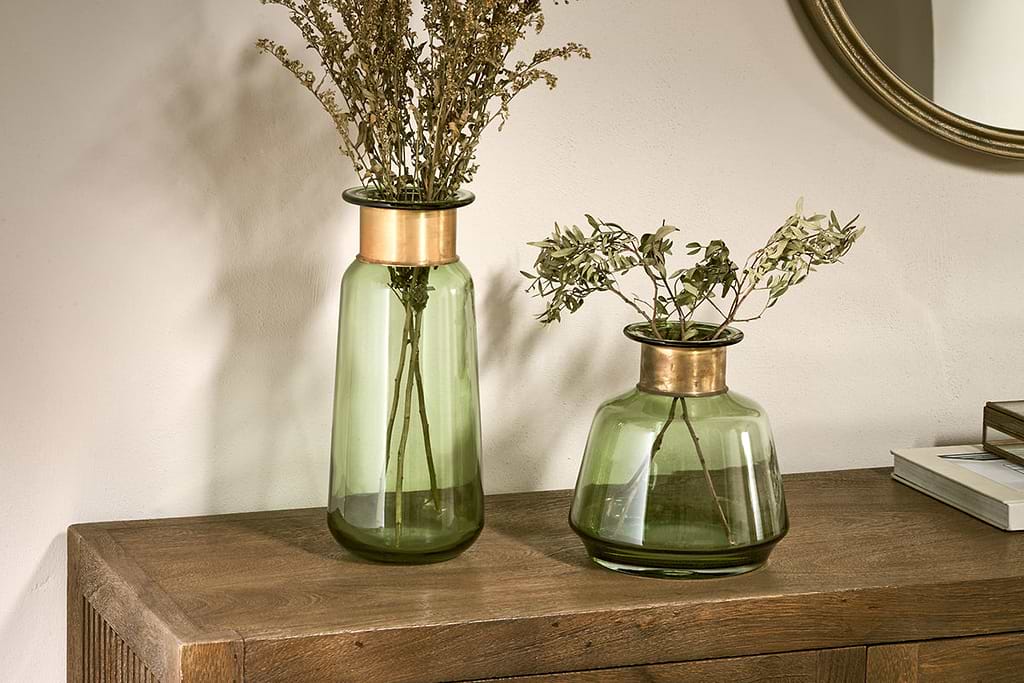
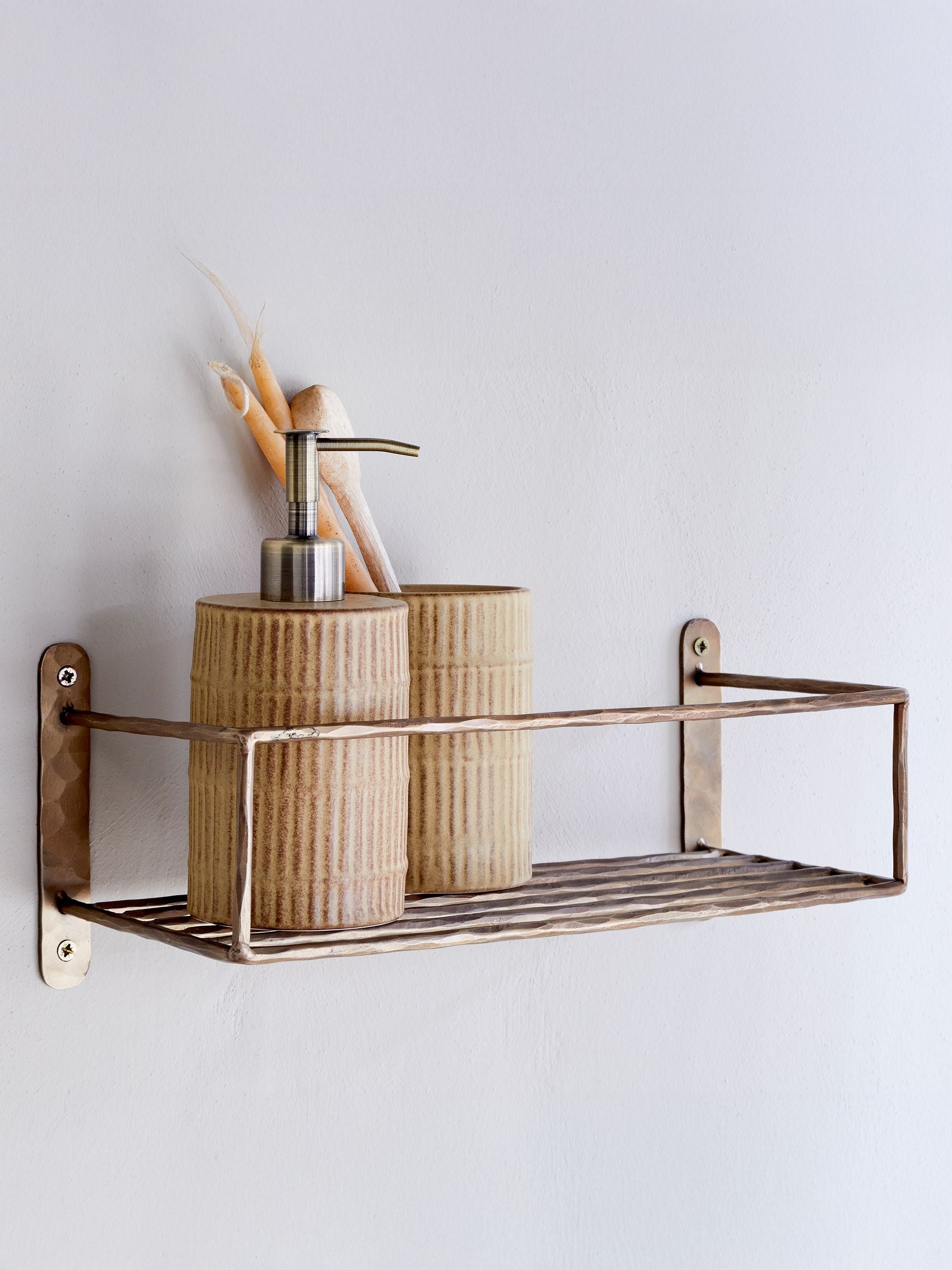
Understated pieces that complement the clean lines and calm rhythm of bedroom wall panels.
Some links above are affiliate links. If you buy through them we may earn a small commission at no extra cost to you. We only suggest pieces we think fit a calm, lived-in home.
Free guide
The Calm Shelf
12 styling ideas to help you compose calm, balanced shelves in natural texture homes.