

Standing in an empty room can feel less like a fresh start and more like a problem to solve. With no furniture or colour, every echo and blank wall turns small decisions into stress, especially when rental rules, awkward layouts, or budgets leave few easy answers.
Today, you will learn how to start small, choose essentials in the right order, and avoid clutter, and what to skip or move first. This works especially well for a small apartment when you have missing storage or odd-shaped corners because it stops money and effort slipping into pieces you’ll regret.
The short version: The calmest way to style an empty room is to start with texture, one rug, one fabric, one natural item, before adding any furniture. This practical approach tames decision stress, sets a clear focal point, and keeps spending focused on the pieces that matter most.
Key takeaways
- Starting with one large textile in an empty room creates a sense of softness and helps absorb sound right away.
- A calm baseline is easiest when buying one piece at a time, instead of shopping full sets.
- Natural fibres, such as jute or linen, break up hard edges and reflect soft daylight evenly.
- Buying curtains before large furniture lets you control privacy and glare with less expense.
- Most calm living rooms keep about two-thirds of surfaces clear for visual breathing space.

Why does an empty room feel stressful?
An empty room feels stressful because lack of anchors, no rug, no drape, no focal point, leaves your eye with nowhere to rest and your decisions scattered.
An empty living room or bedroom makes many people freeze. Without even a single chair or curtain, every small echo, morning glare, or floating dust feels larger. The absence creates a silent pressure to fill space just so it “feels done.”
Most people’s first reaction is buying the biggest statement piece, thinking it will fix the emptiness. But buying one big sofa or a pair of shelves first can often leave edges looking colder and corners still lost.
A bare room feels cold and echoey, while a cluttered one pulls the eye in too many directions. The quiet at the start can be calming, but only if softened with a single textile or object to anchor the space.
Placing a simple jute rug on the floor, or hanging a length of linen fabric, stops sound from bouncing and instantly feels less stark.
Where this works best
The slow approach works best in rooms with few built-ins, tricky light, or rental restrictions because layering textiles and small pieces gives movable comfort.
Many small apartments and starter homes have rooms with rough light, odd wall shapes, or rules about paint. A calm setup thrives here, since rushing in loads of heavy furniture only blocks flow and complicates the next move.
In entryways, long living rooms, or bedrooms with drafty windows, starting with a rug or curtain first lets you control how sound and early light behave, before any heavy buying. These soft layers give coverage, hide cords, and break up the hard floor without installing or drilling.
Avoid buying oversized storage or deep sofas first in tight, angled rooms. These pieces kill usable space and complicate every next choice. Instead of overfilling walls, let soft items do most of the early work, then see where you still need storage or shape.
Adding a runner rug to an awkward hallway or a draped curtain in front of open shelving works especially well for homes with limited closet space. The reason is that movable soft pieces adapt as needs change, keeping the room flexible for new tenants or owners.
What should you buy first (and why)?
Textiles, like a flatweave rug or a linen panel, should come before major furniture because they set the tone, soften sound, and block harsh daylight simply.
Rugs, curtains, and throws give a room its first sense of comfort before adding any heavy objects. Most empty rooms echo and feel cold until a textile absorbs footsteps and cuts glare from the windows.
Unlike a new armchair or coffee table, a flat rug can be rolled up or moved around as you figure out where you actually walk or sit. Curtains, even tension-rod ones, take five minutes to hang and quickly make a blank rental feel settled and private.
The reason this works is that soft, natural fibres, like jute, cotton, or linen, break up both noise and the hard lines of plaster or wood, which helps any size room look more welcoming.
Starting with a woven rug gives a small living room a place for bare feet, sets a boundary for other furniture, and makes spending less risky from the start.
A rug also soaks up sound, which matters because empty rooms often carry noise between floors and walls. According to Jamie Miller’s song “Empty Room”, even musical space can feel stark and haunted by memory, a blank home can feel the same way, until you ground it with texture.
For extra traction in rental flats, a simple jute rug is often less than the cost of a dinner out, and can replace a need for new shoes at the door or slippers next to the bed.
How do rugs, curtains, and textiles change a blank space?
Adding rugs, curtains, or throws breaks up echo, softens daylight, and builds a gentle surface underfoot, making the empty room easier to spend time in right away.
A flat-woven rug right by the entry will trap dust, soften heel noise, and catch the eye at the doorway. In long, boomy rooms, a cotton curtain dampens afternoon sound from traffic or neighbours and makes naps or reading possible anytime.
Compared to shiny polyester or plastic, real jute, linen, or organic cotton have a muted weave and subtle texture that catches slow light from the side. Sunlight on a linen curtain reads warm and linen’s loose weave lets shadows blur instead of cut.
Coverlets or throws over a hard chair or foot of the bed lend weight where there was none. Each textile added means less of the “empty box” effect, where floors and walls bounce sound and light back in sharp sheets.
Placing a thick rug in a small room styling scenario allows sound to drop and the room to feel less like a gym. This shift from harsh to softened sound is one reason calm rooms use multiple textiles, not just one.

Styling and placement
Start by anchoring the largest textile near the everyday footpath, then layer upward, never crowding corners or stacking smalls in every niche.
Softening a blank room goes quickest when you anchor one rug near the entrance or bed, then add the next piece, like a curtain or cushion, where glare or cold feel strongest. In rental flats, keeping curtains just inside the frame avoids drilling, while lining up a long rug along the main walkway keeps cleaning simple.
Unlike stacking shelves everywhere, scattering small baskets or bowls on needed surfaces centres the eye without adding clutter. A shelf left half-empty, holding one stone mug or woven tray, reads calm; a crammed ledge always ends up looking heavy.
Lighting works the same way. One warm bulb or a simple shade at a single side table is enough for most evenings, while multiple mismatched lamps crowd sightlines and clash with shadows.
Quick calm checklist:
- Start with one floor textile (rug or runner) near the highest-traffic area.
- Use pale, natural fibres (jute, undyed cotton, linen) for all first textiles and curtains.
- Limit total surfaces with objects to one or two per view, leave open space on shelves and tables.
- Pick one warm light (table lamp, lantern, candle) per zone; avoid overhead bright bulbs.
- Step back before adding the next item: check that every corner can “breathe.”
Keeping baskets, throws, and side tables light and mobile makes the most difference in rentals and awkward spaces. This way, you can always clear out or rethink placement as the room finds its shape.
For visual order, keeping a palette neutral ensures that light shifts during the day don’t leave corners feeling yellowed or stale.
How do you avoid the “furniture set” trap?
To avoid the “furniture set” trap, buy each new piece only after the last one settles, never all at once, focusing on single uses, not matching looks.
Buying a matched set of sofa, chairs, and side tables is the surest way to make a small room feel like a catalogue rather than a lived-in space. Instead, the slow approach, one chair, one table, then step back, lets each piece earn its place.
Unlike pre-packed sets promising “complete style,” a single armchair next to a lamp or a plant feels considered. You spot what’s truly missing (like a reading light or extra seat) instead of filling in blanks with things you’ll rarely touch.
Many renters buy sets to “finish fast,” but this locks the whole look cost in before living there. Letting the rug and curtain define the colours and mood makes future choices simpler, a round table next, a cushioned bench later, as needed.
What is a simple budget for starting out?
A small budget works best by dividing spends between one quality floor textile, a soft curtain, and a single mobile seat, skipping extras for now.
It’s common to feel pressure buying everything at once, but most calm rooms pay less than £50 on the first essentials. That means a typical jute rug or flatweave, an undyed cotton panel, and a lightweight stool or basket for the corner.
Compared to big-box starter sets, buying these pieces separately stretches money further. Most good jute or cotton rugs for small spaces run under £35, while a basic linen curtain costs less than a few takeaway coffees. A strong, simple side table made from real wood or rattan often comes in around £15, ready for lamp or tea.
When every pound counts, focus spending first on what softens footsteps, blocks harsh light, and gives a spot to sit. Add heavier or decorative things only later, as habits and light lines in the room become clear.
Spending slowly on one rug, one curtain, and one table draws far less waste, and lets you spot what the room truly needs, not what a catalogue promises.
If craving colour or extra calm, swap in a handmade or vintage textile instead of buying new accessories. This works in nearly every room, especially for those wanting to copy jute rug styling staples from Pinterest boards.
What tends to hold up with styling a brand-new space
The habits that make empty rooms easier are almost always about layering one practical thing at a time. Reviewers for neutral and slow-living product lines often praise mats and drapes for turning cold or echoey corners into sitting spots, even in low light or unheated flats. Decorators rarely recommend filling a blank room with sets or bulk buys. Matte finishes, like jute or washed cotton, bounce less glare than shiny polyester, especially by windows or under lamps. These rules hold up in both tiny rentals and proud first homes.
, Mara, Loom & Glow
Common questions
Why does an empty room feel stressful?
An empty room feels stressful because lack of anchors-no rug, no drape, no focal point-leaves your eye with nowhere to rest and your decisions scattered.
What should you buy first when styling an empty room?
Textiles-like a flatweave rug or a linen panel-should come before major furniture because they set the tone, soften sound, and block harsh daylight simply.
How do rugs and textiles change a blank space?
Adding rugs, curtains, or throws breaks up echo, softens daylight, and builds a gentle surface underfoot-making the empty room easier to spend time in right away.
Why is starting with textiles better than buying big furniture first?
Unlike a new armchair or coffee table, a flat rug can be rolled up or moved around as you figure out where you actually walk or sit.
Explore more calm combinations inside our Shop The Look .
Shop the Look
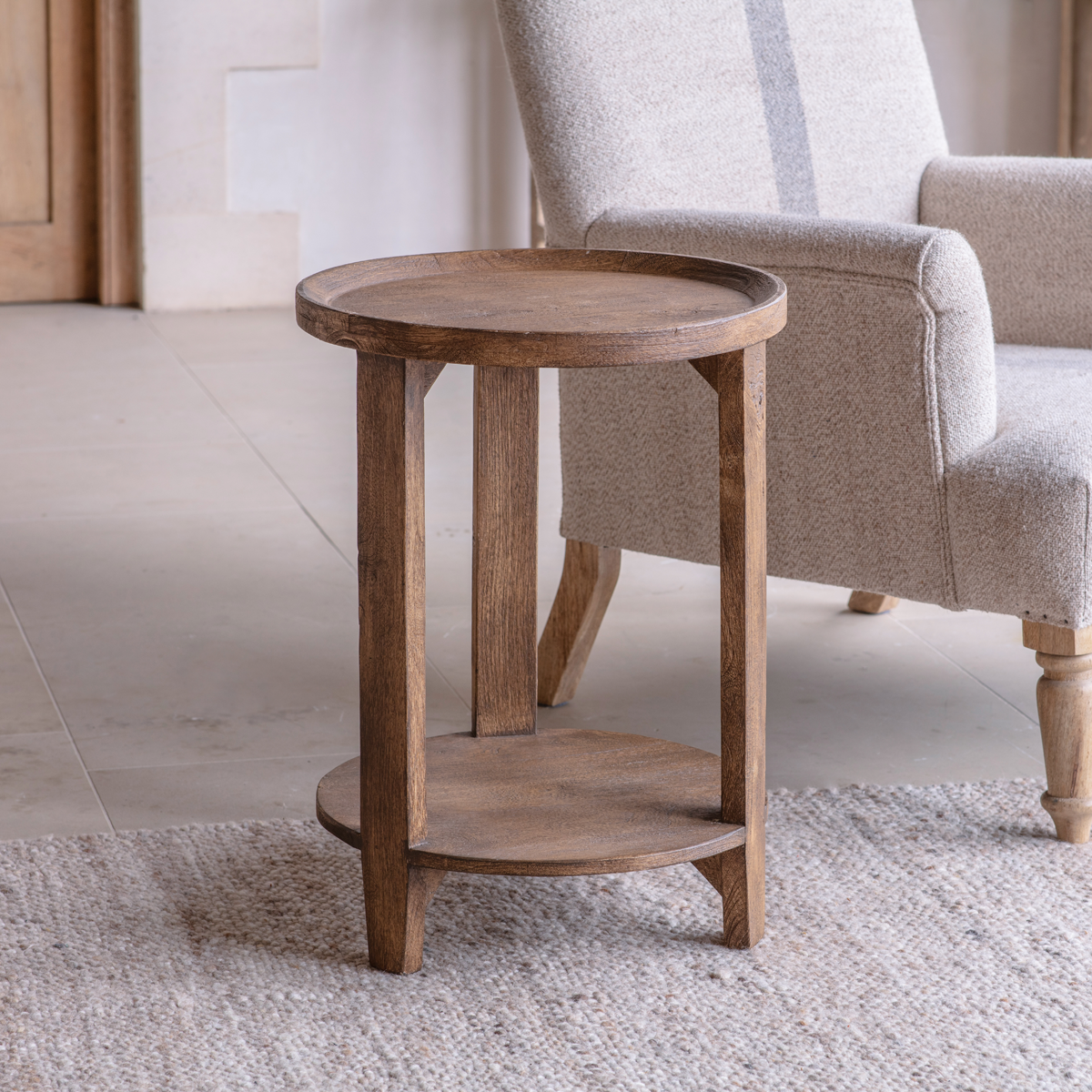
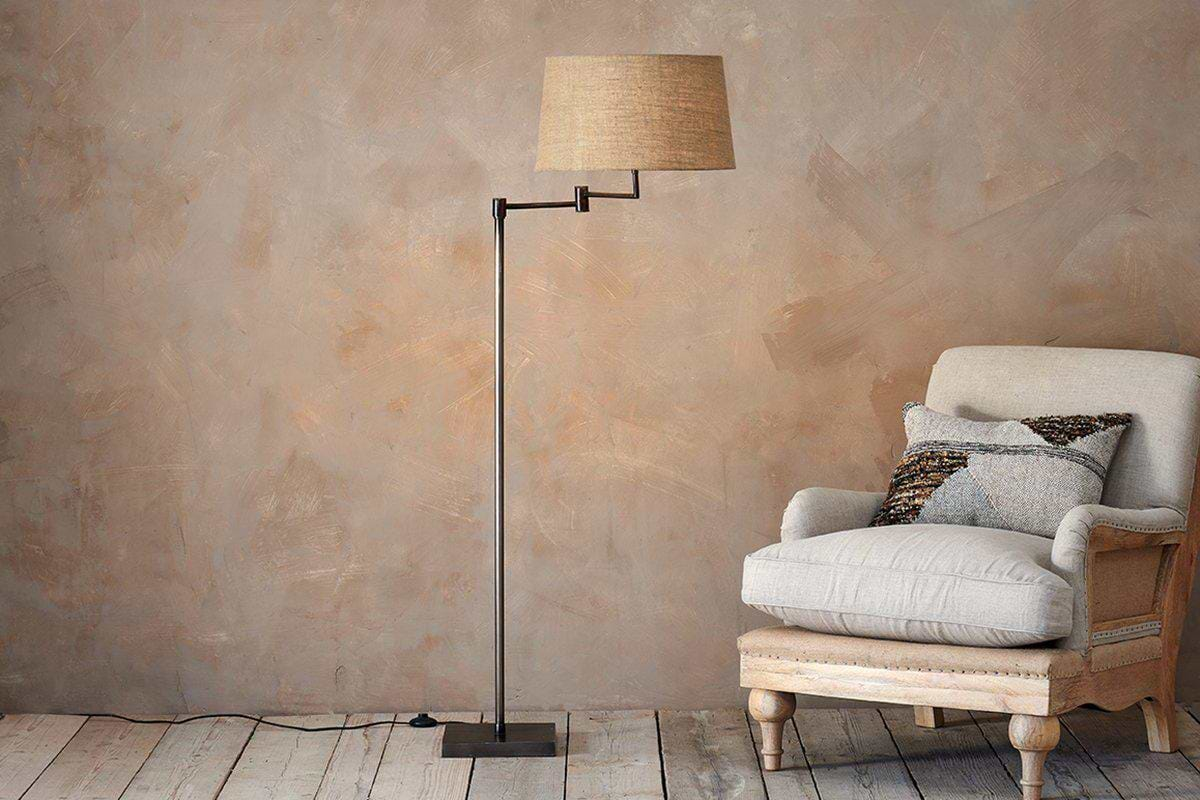
A sculptural side table, floor lamp for soft light, and a textured cushion are the quiet essentials that make an empty room feel intentional and warm.
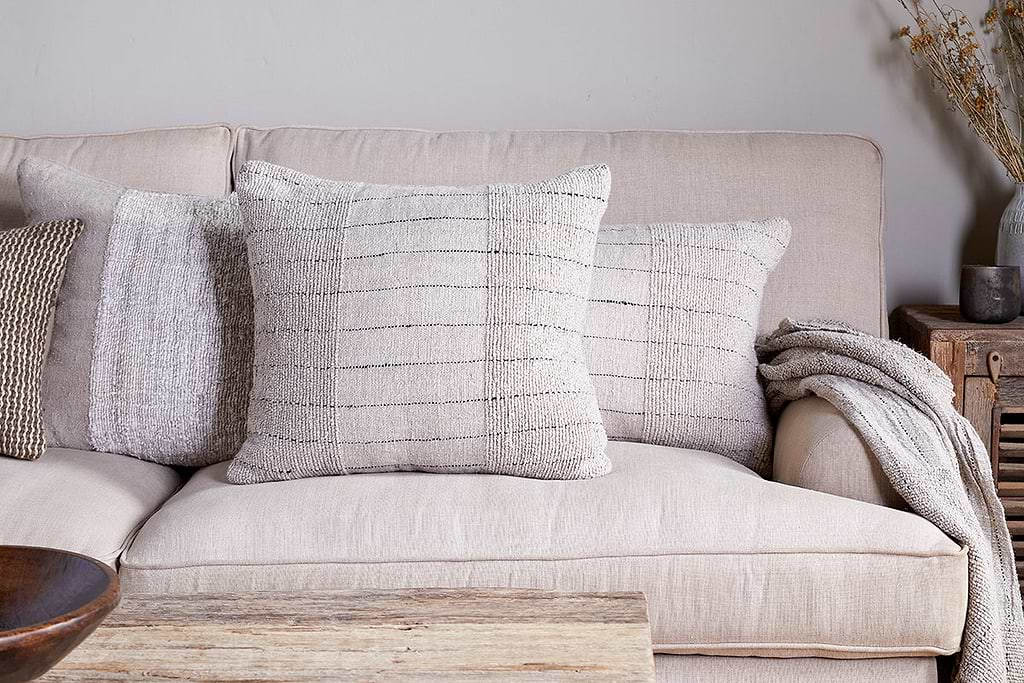
Mayla Cushion Cover
Soft hand-textured cover, instant warmth on linen sofas or chairs.
View at Nkuku →Some links above are affiliate links. If you buy through them we may earn a small commission at no extra cost to you. We only suggest pieces we think fit a calm, lived-in home.
Free guide
The Calm Shelf
12 styling ideas to help you compose calm, balanced shelves in natural texture homes.