

Bedroom curtain ideas often turn into a puzzle when a room feels crowded or restless. Busy patterns, heavy fabrics, and mismatched rods quickly draw the eye and break any sense of calm, especially in a room with low light or limited floor space.
Today, you will see how a few small changes, a new fabric, a lighter colour, a clearer layout, lead to a quieter, more natural bedroom. This works especially well in a small apartment bedroom when you want privacy and light control without adding weight, because natural curtains can soften harsh corners and keep the room restful.
The short version: The best bedroom curtain ideas use simple, neutral fabrics like linen or cotton to soften light and quiet the look of a sleep space. Choose light-filtering layers and skip heavy patterns for a finish that feels gentle, not busy.
Key takeaways
- Natural fabrics like linen or cotton make bedroom curtains look lighter and help filter light softly.
- Neutral colours or gentle patterns are calming choices for sleep spaces.
- Block-out curtains or blinds can keep a bedroom cool and dark for better sleep, according to IKEA.
- Rails provide a cleaner, modern look than rods in small bedrooms.
- Sheer curtains paired with blinds offer both privacy and soft morning light.

What makes a bedroom curtain feel calm?
A bedroom curtain feels calm when the fabric, texture, and colour blend softly into the space, filtering light without drawing too much attention.
Many bedrooms pick up too much noise from bold prints or shiny finishes. An off-white linen curtain lets sunlight in slowly and hides sharp edges, while a cotton drape in a gentle clay colour draws the eye downward and eases the mood at night.
Most people overlook how a solid curtain in a neutral tone works as a backdrop, letting a favorite lamp or basket stand out. Neutral fabrics contribute to a serene bedroom scheme, according to The English Home.
A bare window with only a bright blind can glare first thing in the morning, but even a single panel of linen takes down the edge. A jute rug, simple clay vase, and raw-edge curtain often set up a lighter, cleaner place to wake up or wind down.
Using a linen or cotton curtain in the same palette as your bedding helps the room read as one restful whole, not as a wall of busy shapes. In practical use, this lets you close out the day without a jolt of colour or texture.
Where this works best
Calm, natural curtains work best in bedrooms with limited floorspace, south-facing windows, or walls painted soft white or taupe.
Smaller rooms feel easier to be in when the curtains invite light but close off glare. In a rental, a rod above the window gives flexibility but does not need drilling or a builder’s hand. An attic space, with slanted ceilings, often shows extra shadow, so neutral drapes downplay harsh lines and keep daily routines easy.
Switching heavy, glossy panels for matte linen or a cotton blend can also help bedrooms with darker corners feel brighter. Open the curtains halfway, light filters in, and clutter all but disappears behind a soft fold.
Avoid pairing thick, patterned window coverings with detailed bedding. The eye gets caught in the middle of the room, and rest feels harder to find. Instead, keep at least two-thirds of the room’s textile surfaces plain so a single curtain choice does the work quietly. For small bedrooms, calm curtains at the window keep focus gentle and privacy high.
Try this in a bedroom that shares walls with a busy street, or in any space where too many loud colours or textures start adding up by the end of the week.
How do you choose natural curtain fabrics for sleep?
For good sleep, choose curtain fabrics like linen or cotton that let air move but still block harsh light when drawn.
Linen sheets and curtains show a slight slub; this tiny roughness blurs sunlight and can muffle sound, which is calming at bedtime. Cotton, especially unbleached or washed, lets you layer two panels for blackout, or use a single panel for filtration. Synthetics tend to look shiny and hold heat, avoid these in rooms that run warm.
Everyone knows velvet feels plush and looks rich. Unlike linen, velvet keeps out chill and deals well with outside noise, but can feel heavy if the rest of the room has simple flooring or walls. Cotton curtains, by comparison, dry quickly after washing and usually hold their shape even after months hung in the same spot.
Pair curtains with a light bedroom blind for flexible darkness and coverage. Curtains can be paired with blinds for better light control, as noted by The English Home, letting you adjust for glare in the afternoon and full darkness at night.
Layering linen drapes over a block-out roller blind works in a shared bedroom, where sleep and privacy both matter. This setup cuts out car beams or early sun and makes the most of gentle, natural textures.
How do block-out and sheer curtains change a room?
Block-out curtains darken a space for deeper sleep, while sheer curtains let in gentle light and soften hard corners.
Block-out curtains or blinds cut out most outside light, which is key for shift workers or anyone with a window near a streetlamp. According to IKEA, block-out curtains are recommended for darkening a sleep space. The added layer also keeps out morning chill, so the room stays warmer on cold days.
Sheer curtains can filter and scatter sunlight, softening harsh daylight and hiding cluttered shelves or busy cityscapes. Unlike block-outs, sheer panels give privacy without losing the feeling of space, which suits rooms with smaller windows or renters who want light movement all day.
In bedrooms where blackout is needed only on occasion, use sheers during the week and pull heavyweight panels at the weekend. A sheer holds colour well and washes quickly, making it a rental-friendly, low-stress finish.
For a wide window, put block-out panels at the ends and hang sheers across the rest for a layered effect that lets you change up the light throughout your morning routine.

Styling and placement
A calm effect comes from hanging curtains a little wider and higher than the window, using soft fabrics and a limited palette.
Hanging curtains so they start closer to the ceiling and finish just above the floor makes the room seem taller. Rails can provide a top-fixed, elegant look for curtains, as IKEA recommends. Unlike rods, rails often blend in, meaning less visual fuss on the wall.
Keep extra furniture and large plants away from the curtain area so the drapes hang free and gather naturally. If the curtain stacks up tight with a side chair or a shelf, it looks bunched and tight rather than soft and clean. Compared to a curtain that puddles on the floor, a crisp hem at ankle height keeps things clear and easier to clean.
When planning colour, keep curtains one shade lighter or darker than your wall. Strong contrast draws attention, but gentle shifts hold the eye calmly. In rooms with a pale rug or chest of drawers, blend the curtain into the background, letting your hardware or a single object (such as the Nkomi Basket) draw quiet attention.
Quick calm checklist:
- Pick natural fabrics, linen, cotton, or light blends.
- Mount rod or rail three-quarters up the wall, not just above the frame.
- Limit curtain colour to the same palette as walls or bedding.
- Keep most floor space clear under the window.
- Group hardware and accessories to a single finish, not mixed metals or woods.
For best results, use the checklist when dressing a window facing west for soft evening light, or a narrow bedroom where clear placement is vital.
How do you hang curtains for a cleaner look?
Curtains hung on simple rails or slim rods, with panels wide enough to fully cover the window, give a bedroom a cleaner, taller look.
Most bedrooms have rods mounted just above the frame, which chops the wall and draws attention to the edge. If you shift the hardware higher, and run the rod or rail a hand’s width past each side, the wall reads larger. Rails versus rods matter: rails let fabric stack back almost flat, so nothing juts out.
This works differently from using finials or thick rods, which often grab the eye and can make a window look heavy. In bedrooms with sloped ceilings or off-center windows, use tracks so the curtain falls from the highest point you can manage. Curtains, when hung well above the window and allowed to drop almost to the floor, stretch the space visually and soften square shapes.
Pair this approach with block-out panels at night, swapping in sheers by day for a filtered light that keeps morning routines calm. For fast, neat changes, or if your home is a rental, use a tension rod that removes cleanly later.
| Mount Type | Look | Best Use |
|---|---|---|
| Rail | Flat, modern | Low bulk, tight spaces |
| Rod | Visible, traditional | Quick install, rentals |
| Track | Discreet, custom | Sloped ceilings, layered drapes |
Try this in a sleep space where the window feels pinched or crowded, raising and widening the curtain effect gives even a tight room space to breathe.
The problem with too many patterns in a small space
Too many patterns on bedroom curtains, bedding, and rugs quickly make a small room feel cluttered and less restful.
In small bedrooms, even one floral print or bright stripe can take over, pulling the focus away from softer details like a bedside lamp or a wood headboard. Unlike a soft, solid curtain, a bold pattern on the window can create tension and compete with every pillow or throw in sight.
Stripping out prints and sticking to plain or gently textured curtains lets the wall fade back, so any pattern used elsewhere becomes the main feature. Compared to pairing pattern on the curtains and the rug, using mostly solids helps the floor and wall read as one surface and makes the most of every bit of space.
When color and pattern must be used, limit them to one or two small places, maybe a hand towel or an accent basket. In rooms with not much daylight or low ceilings, busy fabric on the windows just increases the sense of clutter.
Apply this to a narrow room or a shared space to avoid ending up with a busy corner every time you open the closet door.
What tends to hold up with bedroom curtain ideas
Reviewers tend to agree that natural fabrics, such as linen and washed cotton, look better after regular use and hold their softness over time. Many decorators recommend sticking to a single curtain style per room, often echoing wall or bedding colour for an unbroken look. Matte finishes get recommended again and again for bedroom curtains, because they do not catch glare the way glossy polyesters often do. Heavyweight fabrics often sag in the wash or during high humidity, so lighter options keep their shape.
, Mara, Loom & Glow
Common questions
What are the current bedroom curtain trends?
Calm, natural fabrics like linen, cotton, and light wool blends are trending for bedroom curtains. Sheer layers, gentle earth tones, pinch pleats, and rail mounts are now favored over bold prints or shiny synthetics. Many bedrooms use double layers, sheers for daytime privacy, blackout for night, to control light more easily.
What type of curtains are best for bedrooms?
The best curtains for bedrooms use natural fabrics in simple weaves, such as linen or cotton. These let some air move, soften light, and feel gentle to the touch. Pairing curtains with a blind allows for flexibility, bring in the morning sun or block it out as needed.
What is the best curtain for a bedroom?
The most practical bedroom curtain is one made from a natural, soft-touch fabric hung high and wide on a rail. Neutral colours and a block-out option help keep sleep deep. For most situations, light-filtering linen sheers layered with blackout panels offer comfort and flexibility.
What colour curtains are best for a bedroom?
The best curtain colour for a bedroom is a neutral like off-white, pale grey, or warm beige. Gentle colours do not clash with bedding and keep the room restful. Avoid strong contrast; aim for a shade close to the walls or a tone softer or deeper for a soothing effect.
Explore more calm combinations inside our Shop The Look .
Shop the Look
A few Nkuku pieces that echo the softness of natural fabrics and gentle light.
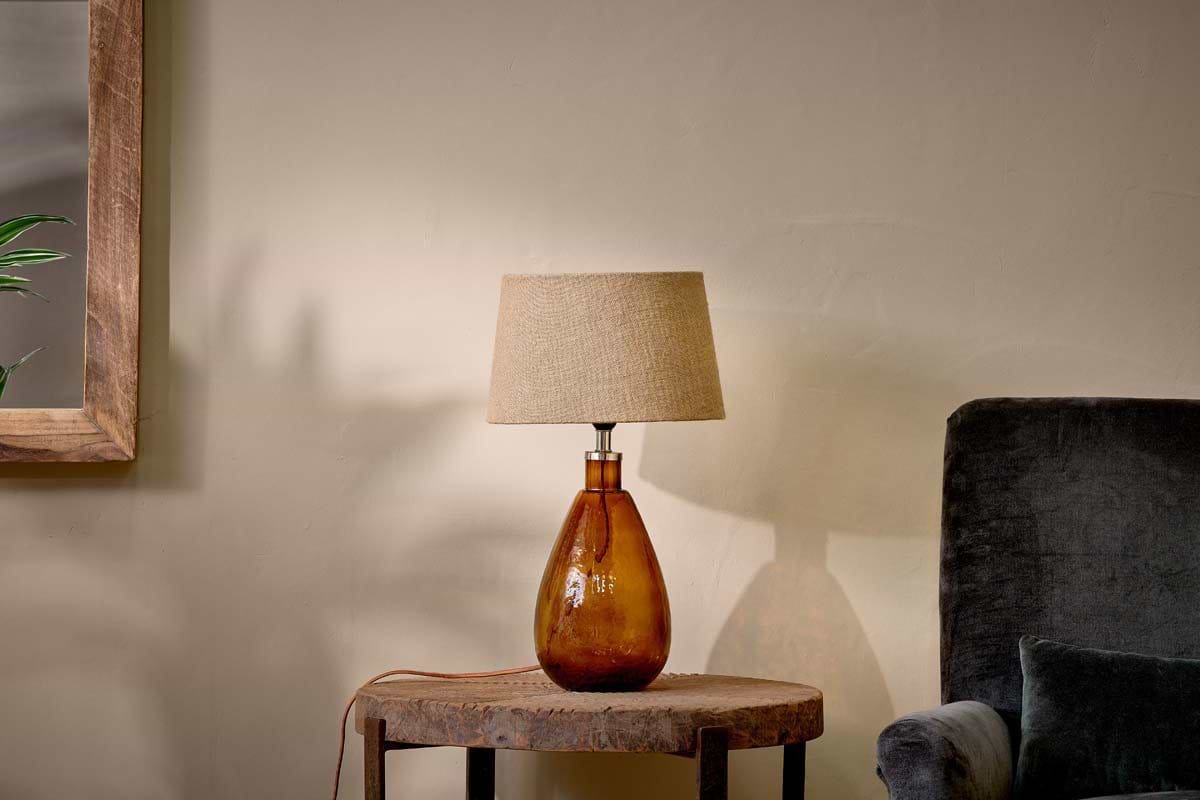

Jahari Jute Pendant
Natural woven jute, adds texture overhead without darkening the room.
View at Nkuku →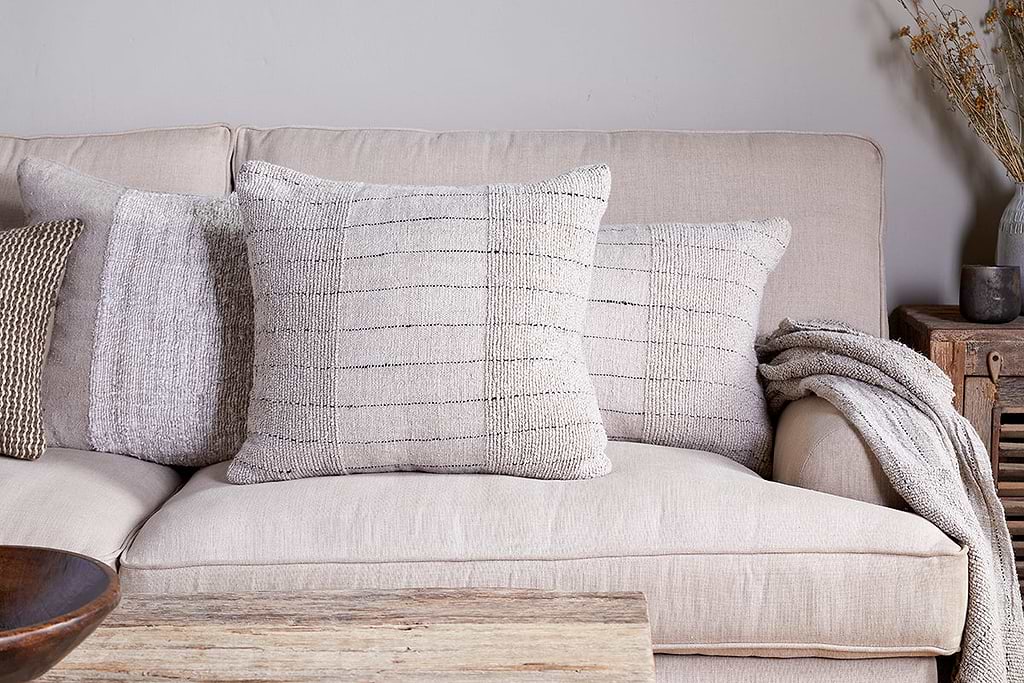
Mayla Cushion Cover
Soft hand-textured cover, instant warmth on linen sofas or chairs.
View at Nkuku →Some links above are affiliate links. If you buy through them we may earn a small commission at no extra cost to you. We only suggest pieces we think fit a calm, lived-in home.
Free guide
The Calm Shelf
12 styling ideas to help you compose calm, balanced shelves in natural texture homes.