

Living room layouts get messy fast when storage is tight or the seating is bulky, and dark grey couch living room ideas often run into the same problem, the sofa feels strong at first, then suddenly looks heavy and cold against the wrong surroundings. Shadows pool in the corners and texture disappears, especially in rental spaces with plain walls or little sun.
This guide shows how to choose wall colour, rugs, and textiles so a dark sofa grounds the room in a good way, not a gloomy one. You’ll learn which materials and pairings break up the heaviness and stop that boxed-in feeling. This works especially well in a small apartment with one big window when the right textures and colours are repeated, because it pulls the whole space together without making it dark.
The short version: The most reliable dark grey couch living room ideas pair soft neutral walls, warm rugs, and natural textures so the sofa grounds the room cleanly, not coldly. By repeating a few calm materials and keeping bold colour small, any space feels less heavy and much more inviting.
Key takeaways
- A dark grey sofa looks warm, not cold, when paired with off-white walls and natural textures.
- A single soft rug in an oatmeal or sand tone breaks up visual heaviness.
- Contrast works best when the sofa is treated as the anchor, not the backdrop.
- Wall colour choices in soft clay or warm plaster set off grey couches in small rooms.
- Layering cozy throws and linen cushions in warm colours prevents a boxed-in feeling.
- Where this works best
- What wall colour stops a dark grey sofa from feeling heavy?
- How to choose cushions and throws for a dark grey sofa
- Pairing a dark grey couch with a rug that adds warmth
- Styling and placement
- How to brighten a dark grey sofa without losing its anchor effect
- Lighting choices that keep a dark grey sofa from looking gloomy

Where this works best
A dark grey sofa suits small living rooms, open-plan spaces, and rentals with plain walls because it grounds the space and hides wear. The key is pairing it with light, soft elements so it feels anchored, not heavy.
Small living rooms with one large window or narrow layouts work especially well with a dark grey sofa as the center. The depth of grey gives structure without demanding attention from every angle. In open-plan apartments, the couch can be the piece that visually divides lounge and dining areas without using extra furniture.
When the walls are pale and the floors aren’t too dark, dark grey couches living room ideas become about balance rather than covering up. In rentals or spaces where you can’t change the carpet, a dark sofa naturally hides spills and scuffs from daily life, ideal for busy households or for anyone without time for constant upkeep.
Avoid using a dark grey sofa on floors that are also deep grey or black with no texture breaks. This can make the space feel like a cave instead of a home. Instead, soften the look with a light, textured rug or with pale curtains that keep the focus comfortable.
What wall colour stops a dark grey sofa from feeling heavy?
The best wall colour for a dark grey sofa is a warm, soft white or gentle clay that prevents the room from looking flat or chilly. Warm undertones lift the dark base instead of making it heavier.
Pale walls with a bit of warmth work against the blue tones hiding in many greys. Warm off-white or a hint of plaster pink brings the grey forward and softens shadows. According to top-ranking content for grey sofa styling, wall colours like bone, sand, or unbleached linen are popular choices for stopping the sofa from reading as stark.
Compared to plain white, a clay or chalk-wash colour helps avoid the boxy look some small rooms suffer from. The edges of the sofa blur a little, and the room feels deeper. This subtle shift in undertone means the couch stands out, but people notice comfort and colour, not just darkness.
Paint is the biggest lever here: most wall paints with a warm or soft base also reflect more light, making cold corners less noticeable. One coat is usually enough to see a real difference, especially in rooms with just one or two windows.
Use this principle in small apartments with renter-white walls. Even a large canvas with plaster or textured linen stretched over a frame can break up the starkness, helping the couch look thoughtful instead of dropped in.
How to choose cushions and throws for a dark grey sofa
Choose natural-fiber cushions and softly textured throws in sand, blush, muted olive, or peach tones to lighten a dark grey sofa without losing comfort. Natural linens break up the strong shape and soften the overall look.
Living room ideas dark grey sofa pairings often falter because people match everything to the sofa. Instead, aim for contrast in material. Linen or cotton covers catch the light and read softer than velvet or heavy synthetics, especially in small or shared rooms. This stops the sofa feeling like a single dark block.
Pinterest boards show that soft colours, warm ochre, slightly faded blue, blush, bring the most life to dark grey sofa living room ideas (according to boards built for grey sofa living rooms). Avoid navy and harsh black, which lean into the heaviness.
Unlike shiny cushions, slightly nubby linens add real warmth and stay appealing even after daily use. If you have kids or pets, covers that can be stripped and washed make sense and will last longer. Pair two or three colours at most, spacing them along the seat, so the palette reads calm but never flat.
Add one cotton throw or a waffle blanket draped along an armrest. This small move shifts the mood from stark to cozy and gives hands something to grab during movie nights.
Pairing a dark grey couch with a rug that adds warmth
A warm, textured rug in oat, sand, or muted pattern under a dark grey sofa breaks up visual heaviness and welcomes bare feet. Natural fiber rugs support the anchor effect without adding more darkness.
In most dark grey carpet living room ideas, a thick rug stops the space from reading as cold. Jute or wool in a natural tone brings softness underfoot and helps the couch stand out instead of sinking into the floor. Even synthetic rugs with a tight loop or brushwork pattern can soften the look when the tone is light and the pile is inviting.
Many stylists recommend a single larger rug, rather than layering two small mats (see cozy living room ideas), because one surface ties the seating area together. Rugs in the oat or sand family work even when the wood floor is dark, more so if your rental has plain white or beige walls.
Compared to repeating the same grey from couch to carpet, this move lets the sofa act as a strong anchor, while the floor sets a warmer, less formal mood. A typical good jute rug usually runs between $80, $140 for a size that fits under a three-seat sofa with a coffee table. Smaller rooms need less rug to see the effect.
For pets or high-traffic homes, a tight-woven wool blend resists pilling. Place the front sofa legs just onto the rug, not floating entirely, so the base is unified and stable.

Styling and placement
A dark grey couch works best when it is the clear anchor and placement lets light and colour frame it from more than one side. Simple styling stops the room from looking overloaded.
Layout really matters. In a small living room, float the sofa slightly off one wall if there’s space, to let light pass behind. If that’s not possible, use pale curtains or a console table with a linen runner to catch and bounce more daylight into the corner. Place small accent stools or a wooden side table, never crowding them, on each side for a grounded look.
Unlike rooms packed tight, a little breathing room around a grey sofa makes any throw or cushion pop and keeps cleaning easy. Most designers agree that a sofa should only have the right amount of accessories: one or two throws, three to five cushions at most. Too many objects compete with the anchor role and feel cluttered.
Furniture ideas for shared or open spaces often rely on repeating one or two textures, not many shapes. Example: match the rug fibre to a nearby basket, not to a second sofa. This keeps the eye moving naturally but always returns to that solid couch.
Quick calm checklist:
- One soft natural-fiber rug, lighter than the sofa.
- No more than three cushion colours, with at least one warm or textured option.
- Pale wall or large art behind the sofa to lighten the backdrop.
- Leave space between sofa and walls or tables for airy flow.
- Repeat one or two textures (linen, wool, jute) instead of many.
Place the dark grey sofa where it stays in gentle light, not wedged in a shadowy spot. In rentals with little control, one panel of linen draped near the armrest or a jute ottoman nearby makes the whole zone look considered.
How to brighten a dark grey sofa without losing its anchor effect
Layering warm natural textiles and soft pale accents on and near a dark grey sofa keeps the sofa stable while pulling light into the room. Limit bold accents for a restful, balanced look.
Brightening a dark grey sofa is less about covering it than setting up the right companions. Sheer curtains, pale wooden side tables, and softly glazed pots lift grey out of the shadows. A sofa sits best as the room’s anchor; too many bright patterns only distract and send the eye all around.
Adding a soft table lamp or one pale abstract print above the couch works much more than trying to fight the grey with too much colour. Compared to struggling with brash accents, repeating calm textures like linen and clay means the sofa grounds the space but doesn’t drown it.
Plain glass or glazed ceramic bowls dotted on the coffee table reflect small bits of sun. Keep strong contrast for one area only, the rest stays light, so the room always opens up. For more, brightening a dark room is possible even without new lighting if you let existing daylight bounce off the right surfaces.
Lighting choices that keep a dark grey sofa from looking gloomy
Soft, layered lighting near a dark grey sofa prevents gloom and keeps grey shades looking complex and rich. Warm, indirect light works better than strong overhead spots.
In rooms with little sunlight, bounce light with a floor lamp in the corner or a pair of shaded table lamps set just off the sofa end. Choose bulbs marked “warm white” rather than cool, since these make the grey read softer, less blue. Floor lamps with a linen or woven shade throw patterns onto the wall, giving interest instead of a stark wash.
Compared to harsh overhead blinds, side lighting picks out the structure of the sofa and breaks strong shadow lines on the seat. Place a lamp so it pools light around a reading spot or throw, not right overhead. This is especially useful for apartments or older houses with limited natural light.
Living room ideas with dark grey sofa inspiration often treat lighting as part of the décor, not just a utility. For added life, let one bulb glow from a shelf nearby or a glass fixture on a sideboard. The hue of the light matters more than total brightness for keeping the seating area cozy but clear.
What tends to hold up with dark grey sofa layouts
The patterns that work best come from rooms where one clear anchor, usually the sofa, sets the tone for everything else. Repeating a single warm texture, like a jute rug or linen curtain, gets recommended often by decorators and shows up across the most shared Pinterest boards.
Matte finishes on walls and furniture consistently win out over shiny, smooth surfaces when arranging a room around a strong sofa. Matte keeps light soft, prevents glare, and lets the colour of the couch look stable, not harsh. Cosy rooms tend to show fewer objects, just one or two key materials carrying the tone throughout.
, Mara, Loom & Glow
Common questions
What colours go best with a dark grey sofa?
Warm whites, soft sand, blush, gentle clay, and muted greens all match well with a dark grey sofa. These colours add warmth and prevent the sofa from looking too cold or flat. Adding texture through linen, jute, or woven accents further complements dark grey in any living space.
Is a dark grey sofa good for a living room?
A dark grey sofa is practical for living rooms because it hides stains and anchors the space. The colour works especially well with natural materials and warm neutrals. With the right wall colours and rugs, a dark grey sofa fits both small and open-plan rooms.
What wall colour goes with a grey couch?
Soft off-white, pale clay, or gentle plaster tones are the best wall colours for a grey couch. These tones set off the grey, keep the room bright, and avoid the space feeling too cold. A warm undertone in the wall paint makes the sofa stand out in a positive way.
How do you brighten up a dark grey sofa?
Layering soft throws, natural-fiber cushions, and warm accents like wood or ceramic helps brighten up a dark grey sofa. Adding light rugs and choosing warm-toned lighting are simple fixes. Keeping bold patterns minimal locks in the sofa’s anchor feel while opening up the whole room.
what's a dark room gay?
A dark grey couch in a living room feels warm and anchored, not heavy, when paired with off-white walls and natural textures like linen cushions in sand or oatmeal tones. The key is repeating calm materials-such as a soft rug in oatmeal or sand-to break up visual heaviness and prevent a boxed-in feeling.
Explore more calm combinations inside our Shop The Look .
Shop the Look
Textured cushions and a soft amber lamp to deepen the warmth around a neutral grey sofa.
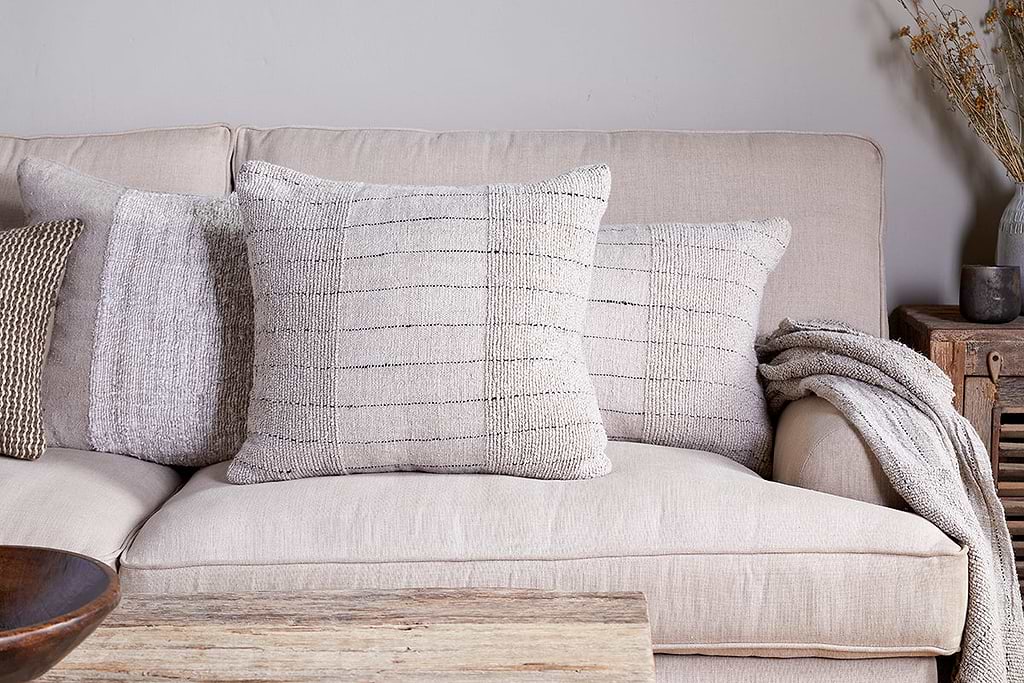
Mayla Cushion Cover
Soft hand-textured cover, instant warmth on linen sofas or chairs.
View at Nkuku →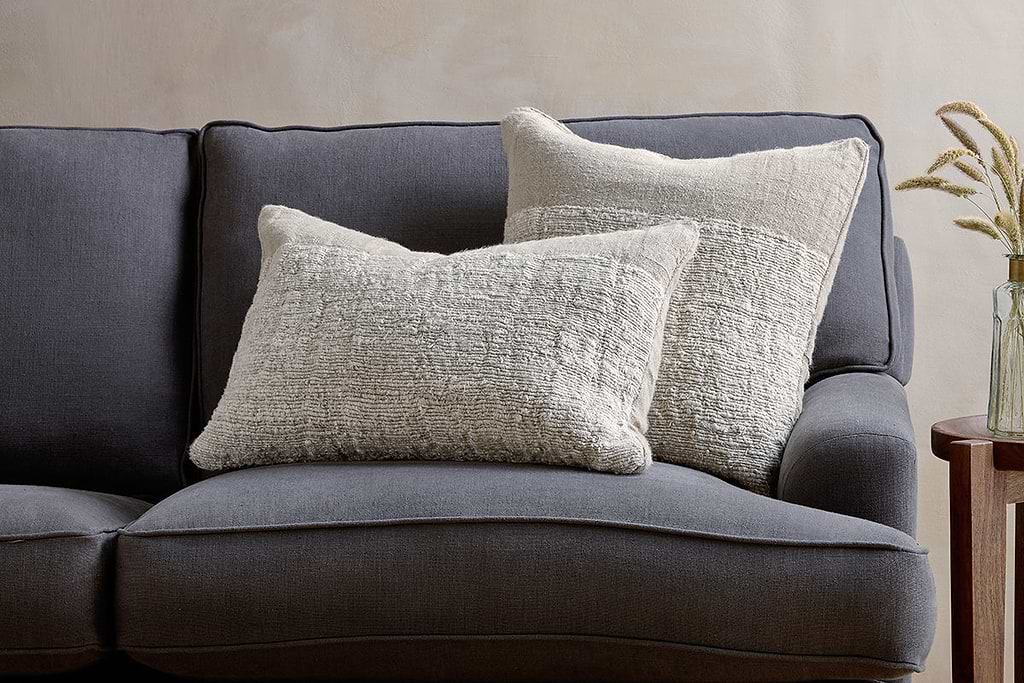
Puli Linen Cushion
Recycled linen in natural, pairs with woven textures and aged wood.
View at Nkuku →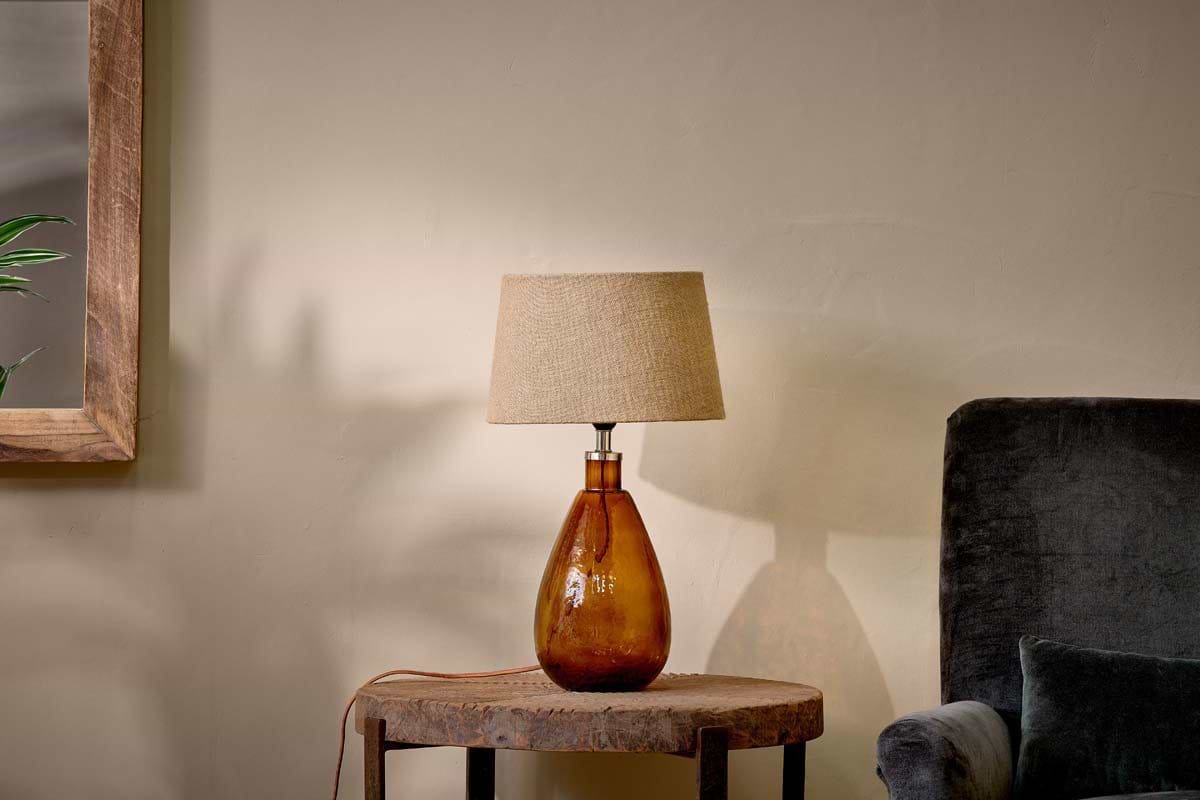
Some links above are affiliate links. If you buy through them we may earn a small commission at no extra cost to you. We only suggest pieces we think fit a calm, lived-in home.
Free guide
The Calm Shelf
12 styling ideas to help you compose calm, balanced shelves in natural texture homes.