

A dark room can feel like a drain on your energy, especially in a basement or any space with low windows and little sunlight. Heavy shadows settle on walls, and even with lamps, the room often looks flat and not quite finished.
Today you will learn how to make a dark room feel lighter using affordable decor changes, mirrors, fabric, ceramics and thoughtful paint, without having to renovate or add windows. This works especially well in a narrow hallway when your lighting is limited because small tweaks in texture and placement can give a bigger effect than big renovations.
The short version: The simplest way to brighten a dark room is by choosing light-toned decor, reflective surfaces and layered lighting, all arranged to catch and bounce what little light you have. This approach softens harsh shadows and makes each surface matter more, giving low-light spaces warmth and purpose.
Key takeaways
- Layered lighting replaces lost daylight best when you combine different light sources and spread them across the room.
- Mirror placement doubles light from even a single lamp if you angle the mirror near a window or fixture.
- Light matte walls reflect glow softly and help the room feel open, while gloss finishes can show glare and look cold.
- Natural fabrics such as linen catch soft light and feel less heavy than thick velvets or dark wool.
- Colour-drenching one feature wall using pale earth tones can brighten a north-facing or windowless room without making it flat.

Why does the room still feel dark even with all the lights on?
A dark room will still look heavy if the walls and objects in it absorb light rather than reflect it. Using only overhead lights often makes the ceiling bright but leaves corners dull and unwelcoming.
Many readers ask why their basement living room feels dull, even with plenty of lamps. The answer is that a single light source, especially overhead, creates deep shadows instead of spreading a soft, even glow. Dark surfaces soak up what little light there is, making the space seem even tighter.
If you have a dark hallway, adding a single ceiling fixture often leaves the floor and lower walls in shade. Instead, a mix of wall sconces and table lamps brings the light down to where you move and sit, helping hands and faces look clearer without making the ceiling overpowering.
Unlike polished tiles, a matte-painted wall scatters light subtly. For practical use, place a lamp near a matte wall in a reading nook and notice how the glow seems to stretch wider across the surface.
How to lighten a dark room with no natural light
Any dark room with poor or no windows can feel lighter by combining mirrors, pale fabrics, and layered lamps placed at different heights. These simply bounce and spread artificial light where it is needed.
Rooms in the center of a house, or those below ground level, rarely get direct sunlight. The natural instinct is to reach for brighter bulbs, but too much single-point light creates glare zones instead of even warmth.
A glass or smooth ceramic vase on a narrow shelf will double the impact of any lamp placed opposite. A mirror placed where it can catch stray light (from either a wall sconce or a small window) softens dark corners and pulls interest away from cold patches.
Compared to crowding the area with small knick-knacks, one tall ceramic jug or a pale clay bowl stands out and doesn’t soak up the glow. Use this in a low-light entryway by keeping a single light ceramic piece near a lamp to anchor the eye.
Colours for a dark room that actually help
Colours for a dark room work best when you choose warm pale neutrals, soft earth tones, and muted greens instead of stark whites or deep hues. These tones reflect artificial light softly and make the room feel more alive.
Painting a windowless room pure white often makes it look gray and cold because there is no daylight bouncing off the walls. Instead, gentle creams, sandy beige, or sage spread lamplight evenly, shrinking harsh contrasts.
In a dark hallway, rich clay pink or olive can work better than light blues, which tend to look flat at night. Soft colours also let you work with dark hallway ideas without the space closing in.
A dark ceiling paired with light walls can frame the room while keeping the eye drawn outward, not downward. For a snug den, paint the ceiling a muted olive and use off-white walls, so overhead lighting stays gentle and doesn’t glare.
Where this works best
Tricks for brightening a dark room make the biggest difference in basements, north-facing bedrooms, narrow hallways, or any space with very little daylight. These areas tend to need gentle, repeated fixes rather than one big change.
Rooms without big windows or those with view-blocking fences outside often feel closed off. This method, the gentle layering of light, reflective objects, and simple fabrics, works best in spaces where construction is too costly or the home is rented.
For a hallway with only a single overhead bulb, try placing a narrow table with a tall mirror at one end. The mirror holds the light and draws the gaze down the narrow passage, making it look longer and less boxed in. In a windowless bathroom, a glass tray for everyday items catches more glow than a solid black one.
Avoid filling these low-light rooms with too many small dark pieces, which can make even a wide room feel closed and cramped. Instead, stick to a couple of larger, lighter objects that scatter light and don’t block sightlines.

Styling and placement
Style a dark room by spreading light-coloured items at different heights and keeping a clear viewline from the doorway. Avoid lining up all the furniture or decorations in one area.
Try placing a linen curtain over a thin rod a little wider than the window, letting more light slip through at the edges. This softens the transition between sunlight and shade, and makes even faint light seem brighter. On shelves, use a mix of white ceramics, a woven basket, and a small, pale bowl to break up rows of books or dark frames.
Unlike a crowded console, a single large mirror placed opposite the door bounces light deeper into the room. This creates depth and prevents the entry from reading as a shadowed box.
When pulling together hallway mirror placement, keep the mirror at eye height. Try moving it around until it catches the reflection from both your main light and any nearby lamp.
Quick calm checklist:
- Pale, lightweight curtains that don’t block slim windows
- One reflective piece, glass, gloss ceramic, or a large framed mirror, per narrow wall section
- Flat weave, light-toned rug by the door to avoid dark patches underfoot
- No more than three colours visible from the main entry
- Keep all tall items within arm’s reach of the lamp or overhead light
What to avoid: choices that make a dark room feel smaller
Some common choices, like bulky dark furniture and too many wall hangings, leave a dark room looking even smaller and busier. Less is almost always more in these spaces.
A bulky black sofa or tall, heavy bookcases can turn a windowless den into a cave. Instead of big, blocky items, try lighter silhouettes, open-legged stools, slim tables, or shelving with gaps that let light pass through. If you crowd every wall with framed art, the space may feel cluttered and dense, especially once shadows gather.
Compared to one carefully chosen wall mirror, a gallery of small prints or photos looks busier and doesn’t help with light. Floor-length drapes in dark velvet swallow glow and can bring the ceiling lower. Natural linen or cotton in pale neutral tones lets air and light move more freely.
Apply this in a small study: skip the dark timber desk and pick a lighter, open-frame option. Let the corners breathe, and use a neutral rug to prevent the floor from reading as a black void.
How do matte and gloss finishes change the mood?
Matte paint scatters light softly and reduces glare, making surfaces in a dark room feel gentle. Gloss finishes bounce sharp reflections but can look cold or artificial if overused.
When repainting a dark hallway or basement, many decorators suggest a low-sheen wall. Eggshell or flat paint can hide small marks and does not draw attention to bumps, unlike strong gloss, which bounces every lamp dot and makes flaws stand out. This is supported by reviews on the Wikipedia entry about surface reflectivity and mood changes.
If you do want some shine, reserve it for details: a thin line of gloss on the door trim, or one side table with a glazed top. This contrast adds interest without overwhelming calm surfaces nearby.
Instead of painting both ceiling and walls in full gloss, try combining a matte ceiling and semi-gloss trim for a layered, gentle effect. In practice, this brings quiet to large flat areas while allowing small flashes of light along the edges.
| Finish | Effect in Low Light | Best Use |
|---|---|---|
| Matte | Soft reflection, hides flaws | Large walls, ceilings |
| Satin/Eggshell | Subtle sheen, easy-clean | High-touch areas |
| Gloss | Sharp shine, shows marks | Small details, trim |
What tends to hold up with styling for dark spaces
After reviewing hundreds of room designs and reader notes, some choices surface as consistent winners: mirrors often do as much to expand a tight entry as any paint, while natural fibre curtains soften transitions between zones without blocking slim windows. Matte white walls tend to receive praise for their ability to reflect light without making blemishes too obvious.
What decorators repeatedly caution against is too much gloss or too many small decorative objects. Instead, most recommend one or two reflective pieces paired with natural fabrics. The result is simple: focus on spreading light, not just adding brightness.
, Mara, Loom & Glow
Common questions
Does painting a dark room white always make it feel brighter?
Painting a dark room white does not always make it feel brighter; sometimes, pure white can highlight shadows and make the space feel colder. A warm off-white or soft neutral typically reflects artificial light more gently. Matching the paint to your lighting source is often more effective than going straight to white.
What is the best paint finish for a dark hallway?
The best paint finish for a dark hallway is often a matte or eggshell finish because these reduce glare and scatter light softly. Gloss can highlight every uneven patch and catch awkward reflections from overhead fixtures. A soft finish helps the hallway feel calm and welcoming.
What is the story of A Dark Room?
The story of A Dark Room centers on a mysterious narrative discovered through text-based exploration, according to the Wikipedia entry. Part of the game’s appeal is its slow, layered reveal and surprising emotional punch. The stripped-back gameplay draws attention to small details, much like styling a quiet interior.
Does A Dark Room have an ending?
A Dark Room does have an ending, which users describe as both surprising and thought-provoking, according to user reviews on A Dark Room’s Steam page. Many reviewers find the conclusion satisfying but open to interpretation, inviting players to reflect on their journey through the text-based experience.
Explore more calm combinations inside our Shop The Look .
Shop the Look
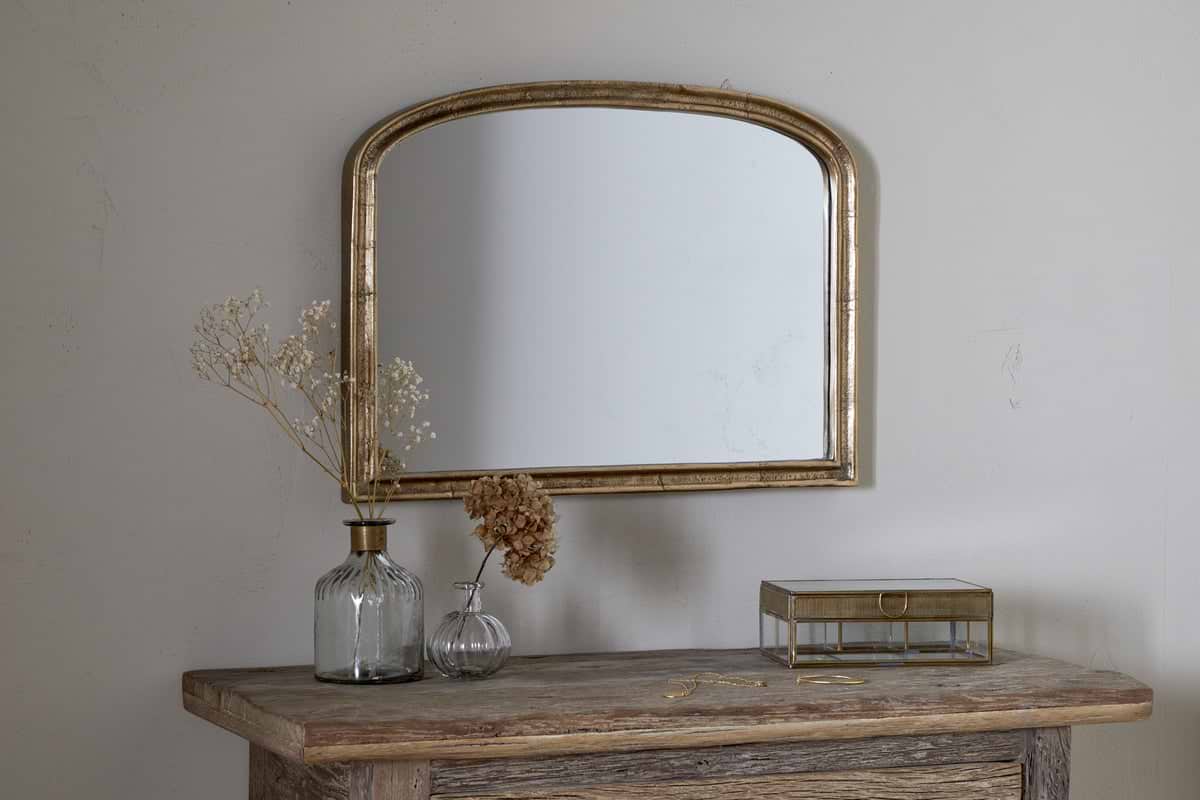
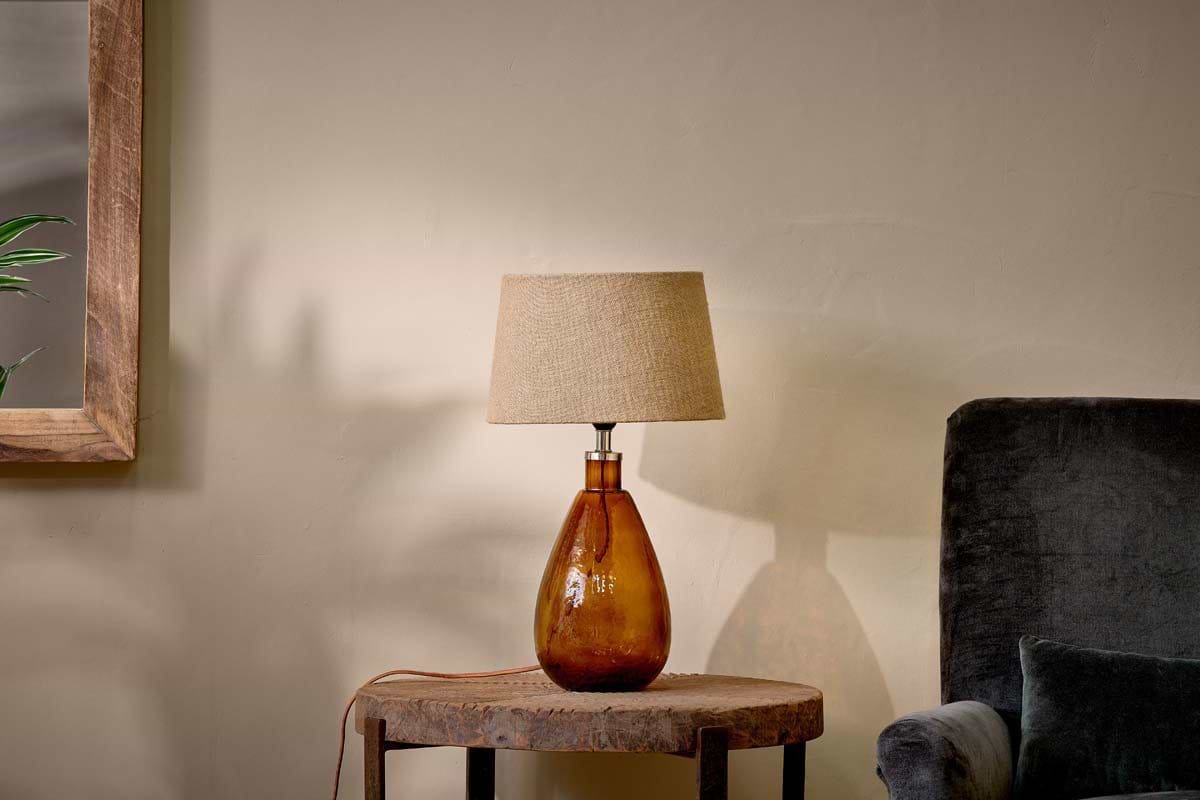
A small mirror and warm glass lamp work together to lift a dark room without feeling forced.
Some links above are affiliate links. If you buy through them we may earn a small commission at no extra cost to you. We only suggest pieces we think fit a calm, lived-in home.
Free guide
The Calm Shelf
12 styling ideas to help you compose calm, balanced shelves in natural texture homes.