

Cottage bedroom ideas use soft patterns, natural materials and vintage furniture to create a calm, authentic feel without clutter. Focus on layering textures quietly and spacing out accents so the room feels relaxed, not dressed up. Limit patterns to two per room, like checks and faded florals, and keep them separated by solid colours or wood. Choose furniture that looks collected over time, such as a painted chest with an iron bed, to avoid a matched, artificial look. This approach works especially well in small or rented bedrooms where clutter control is key.
Cottage bedroom ideas can feel out of reach if you live in a small flat, share a room, or rent. Pattern and colour look inviting online, but in real bedrooms too many florals, quilts or trinkets can quickly cross the line into busy or childish. A space meant to feel calm can end up unsettled, and hard to keep tidy.
This guide is about editing, not adding. You’ll see what to choose, what to leave out, and how to avoid clutter by focusing on texture, gentle contrast and a few anchor pieces. This works especially well in a small, awkward-shaped bedroom when storage or decorating rules limit your options, because it helps each element stand out and keeps things feeling calm.
The short version: The key to cottage bedroom ideas is using a small number of soft patterns, natural materials, and one or two vintage touches so the room feels relaxed, not dressed up. Focus on layering quietly, spacing out accents, and keeping surfaces mostly clear, results stay peaceful even in tight, rented spaces.
Key takeaways
- Cottage style suits small or rented bedrooms best when clutter is controlled and decor is spaced out.
- Checks and stripes look calm together when one is softer or larger in scale than the other.
- A vintage, not matched, furniture mix gives an authentic cottage feel in any size room.
- Layered lighting, overhead, table, and wall, works better than a single ceiling bulb, according to The English Home.
- Exposed beams or sloped ceilings look best left visible, not boxed in or over-covered.

What makes a bedroom feel like a cottage, not a costume?
A real cottage bedroom feels lived-in but never staged, with only a few patterns, handmade pieces, and natural finishes like cotton or wood. Limiting trinkets and using one vintage piece keeps the room from looking cluttered or artificial.
In small rented spaces, too many new or themed items can quickly read as play-acting. Keeping the focus on a handful of materials, say, one metal bed frame, loose cotton bedding, and a single art print, grounds the room. Lightly worn finishes feel more restful than shiny or brand-new decor.
The effect shifts when you use old timber frames, a hand-thrown mug for bedside bits, or a single quilt with a muted pattern. Compared to blocked floral wallpaper on every surface, one feature wall or just a quilted sham draws less attention and keeps clutter down.
Unlike a themed guest room layered with props, a real cottage bedroom lets negative space and soft edges do the talking. A space with several textures but only two key patterns (checks or faded florals, never all at once) keeps things easy to live with. A room using this mix is calmer, easier to clean, and never slips into forced style.
Using woven baskets or untreated timber on the wardrobe brings a quiet, grounded feel to a flat-pack-heavy rental. Natural finishes feel sturdy and wear in, which steadies the space on busy weeks. Try adding just one handmade or inherited object, like a bedside lamp with a clay base, to avoid overthinking.
A room looks “cottage”, not costume, when nothing feels bought to match, and surfaces aren’t overfilled. This lets light shift across wood grain or cotton instead of being lost among things. If there’s one rule: space beats quantity, always.
Where this works best
Cottage bedroom styling works best in small or awkward bedrooms with minimal built-ins and natural daylight, because each choice stands out. Rental rooms and guest spaces adapt well without big structural changes.
A low-ceilinged room, attic bedroom, or a rental with odd corners is often better suited to this approach than a big new-build. Older places, and especially shared flats, offer nooks where an armchair or a single wardrobe makes more impact than a crowded design plan. Natural daylight and original quirks give every material a use.
Using this style in a shared flat means fewer, sturdier pieces. A single wool rug or natural linen curtain absorbs sound and covers basic rental finishes, so the bones of the room still peek through. In a space with limited storage, open shelving with one or two ceramics, not a dozen, steers the look away from busyness.
Avoid trying to force too many features in one space, putting floral bedding, painted wardrobes, patterned wallpaper, and chunky lamps together can overwhelm a small bedroom. A calm cottage room has gaps between visual moments. Select one focal point (like a restored chest or textured pillows), pair it with plain backgrounds, and let the rest breathe.
If your bedroom has a grey carpet, natural wood frames and loose-fitted linen sheets lend softness and take away chill from the floor. This mix is easy to update over time if you move, or rules change. Accent colors work better as one or two tones, not five, in a tight rental plan. The practical outcome: everything in sight feels usable, not just there to fill space.
In awkward spaces, sloped ceilings, lofts, alcoves, a quiet rug or low bench tucks in without shouting for attention. A mix of vertical shelving and low storage lets you keep the most-used objects close, and display only a few family pieces for a homey finish.
For renters or new movers, layering these cottage bedroom ideas keeps costs and commitment low, since every piece looks fine on its own. If you add or subtract, the style stays steady.
How do you mix patterns in a small space?
Pattern mixing in a cottage bedroom works best when you pair one bolder pattern with a softer, faded one and keep scale limited. Most rooms look better with one main pattern, like checks, plus a second, at half the size or color strength.
Checks, stripes, and loose florals are hallmarks of cottage-style bedroom decor, but in a small room, too many can crowd the eye. Start simple: pick a textural base (plain linen bedding or a single-colored rug), then add a patterned pillow or throw. Let the rest of the bed or chair stay plain.
If you want both checks and stripes, follow this rule: a small stripe on the sheet, checkerboard on the pillow, and a plain blanket read calmer than using both at the same size. A bare mattress with only one bold blanket feels cold by contrast, while a pair layered with a faded print calms the setup.
Compared to all-over floral wallpaper, a feature wall or peel-and-stick panel behind the bed gives a gentle hint without flooding the whole room. This means you can change things easily in a rental, and avoid creating unfixable visual noise. One rug with just a border, not an all-over motif, steadies patterned curtains or cushions.
A country bedroom idea that holds up: limit patterns to two per room, and space them apart, say, bedding and a window seat. Patterns work best when separated by plenty of solid color or visible wood. If you’re unsure, keep the patterns closest to your face (pillows and headboards) more muted so the room never feels overwhelming as you wake up.
For anyone on a budget, soft furnishings with removable covers let you swap out more lively prints seasonally, keeping the bulk of your room gentle year-round. The room feels lived-in, not over-dressed.
Choosing furniture that looks collected, not matched
The best cottage bedrooms use furniture that looks gathered over time, like a painted chest, a thrifted chair, and a single iron bed, never all from one shop. Combining older and newer pieces keeps the space believable and easy to update.
Matched “sets” flatten the feel of a country bedroom. A single vintage desk, a painted pine nightstand, and an iron bed work well together even if no two are exactly the same. This approach avoids the boredom of catalog suites while giving every piece a job. A mix of vintage and antique furniture is recommended for small cottage bedrooms.
Rustic bedroom ideas from older houses stress using genuine or upcycled pieces. Painted wood can lift a gloomy wall of brown wardrobe doors. Swapping one flat-pack item, like a plastic drawer unit, for a junk shop find, say, a basket or bench, is usually enough. Compared to all-white, a scraped wood side table shows wear well and adds some tactile interest.
Unlike more formal looks, cottage bedroom ideas welcome irregularity: knobs that don’t match, or unpainted wood with rough grain. Pieces with dings or faded paint tell a calmer story than spotless surfaces. One chunky armchair or cane stool pulls the space together, especially in a tight rental where big furniture isn’t practical.
The cost stays down: most upcycled side tables or chairs run less than a new chain-store item, and if you change flats, you can mix them again. Practical note, avoid placing heavy, dark furniture by the window, as it can drag light from the room. Instead, keep these anchor pieces closer to the bed or a side wall, giving borrowed light more reach.
A collected look is about patience. Layering, moving or removing pieces for months is normal. This is what keeps the style renter-friendly and adaptable, not stuck.

Styling and placement
Styling a cottage bedroom works best when every accent has space to breathe, and practical items double as decor, a clay jug for flowers, or a basket for blankets. Editing keeps the atmosphere uncluttered, even when tricks are borrowed from country bedroom or shabby chic bedroom ideas.
Focus on how you place the biggest or most visually heavy piece. An iron bed feels lighter when set away from the window, with plain bedding and a single print on the wall. A patchwork quilt folds at the end of the bed, not draped, so the room doesn’t look busy. Simple linen curtains work better than busy valances if the room is very small.
On shelves, use trios, one art print, one bowl, one heirloom, instead of lining up everything you own. Compared to filled shelves, this approach helps each object stand out and creates breaks for the eye. For renters, wall hooks can hold straw hats, basket bags or a light throw, without marking the walls.
Height matters. Layering rugs under the bed, or a bench at the foot, balances the horizontal line so the room doesn’t feel empty near the floor. Heavy drawers or trunks suit alcoves and awkward nooks. If you have a low ceiling, keep shelving open and closer to the floor to avoid the space feeling “stacked.”
Pendants or lamps with fabric shades look less stark than exposed bulbs. Cord covers (sewn in plain cotton) work for rentals where fitting wall sconces isn’t allowed. A lamp at the bedside and a small clip-on light near the reading chair provides enough glow for layered lighting, as recommended for cottage bedrooms.
Quick calm checklist:
- Keep patterns to two surfaces only (bed and chair, or wall and rug).
- Choose furniture in different finishes, but similar heights for balance.
- Limit shelf displays to trios, not rows.
- Stick to a neutral base, white, cream, or soft grey, then layer accents.
- Place heavy pieces away from main windows.
If you want to see how these principles translate to open living, cosy bedroom ideas use similar rules: fewer accents, more space around each piece.
What’s the best palette for a calm, grown-up cottage look?
A calm cottage bedroom palette uses two neutrals (white, cream, or pale grey) with one accent, sage green, faded blue, or a soft rose, plus wood or rattan for warmth. Avoid busy, high-contrast colors or heavy all-grey schemes.
Colour sets the tone instantly in a cottage bedroom. Most grown-up spaces stick to a base of off-white, soft brown, or pale grey, never stark white, layered with a single color on the bedding, curtain or wall. Too many color pops make a room feel unsettled and smaller.
Using grey carpet bedroom ideas, you can soften the floor’s chill by layering in tan and gentle olive, or a pale yellow rug. By contrast, bold wallpaper or multicoloured curtains can quickly look mismatched, breaking the visual flow. One painted headboard, or a green or pink quilt, adds just enough contrast to carry the room.
Wood always plays a role: a single wood nightstand, bed frame, or trim edge brings cosiness to neutral bedrooms. Renting can mean working with dull beige walls, but a single colored quilt or throw wakes things up while staying grown-up. Use patterns in muted shades, no more than two tones, spaced apart.
Most decorators suggest avoiding shiny finishes in a cottage palette; matte or lightly textured surfaces read softer and collect less dust. If you want to bring in floral, try chintz fabric on a pillow or headboard rather than heavy curtains or all-over wallpaper. This brings color without noise.
Compared to country living room ideas, which can handle more color, bedrooms are steadied by the quietest shades available. This approach is renter-friendly, letting you swap soft goods with no paint or damage. Small changes (a new coverlet, lamp shade or cushion) shift the mood in seconds.
If you work with more than one strong color, always echo the least dominant shade somewhere smaller across the room, a common decorator’s trick for settling the palette.
How do you layer soft furnishings without clutter?
Layering soft furnishings in a cottage bedroom works when only one or two surfaces carry pattern, and every extra pillow or blanket has a job, warmth, sound, or light control. Capsule layering calms small bedrooms and keeps cleaning easy.
Start with the basics: one heavy curtain (linen, cotton or wool blend), a single patchwork or solid-color bedspread, and a rug that feels good underfoot. Don’t pile extra throws if you rarely use them, one folded at the foot keeps the look and cuts down on laundry. Compared to a full stack of different fabrics, focused repetition calms the room.
Pillows are best kept to three or fewer on a twin or double bed. Use a plain one for sleeping, a patterned sham, and something with texture (like a nubby weave or embroidered cover) for reading. Unlike hotel-style beds with piles of cushions, pared-back beds look cared for and avoid fuss.
Softening the corners with draped fabric over a chair, or a loosely tucked-in quilt, lets everything settle without crisp edges. For sloped rooms, pinning a single sheet like a canopy above the headboard can soften light, while avoiding drilling holes common in traditional canopies, a good choice for renters using temporary hooks.
For pure country bedroom ideas, layer one natural texture (like a jute rug or wool pouf) with your existing bedding. See jute rug styling for ways to ground the palette with organic fibre. Unlined curtains with a bit of crumple work better than blackout for the cottage look, especially if morning light is welcome.
Keeping additions down to what you use makes tidying simple and avoids the trappings of a themed set. Most rooms feel fresher with only one textile on the chair or end of the bed. Surfaces stay clear, routines feel less fraught, and the room always looks ready to receive you.
What tends to hold up with small-space cottage bedroom styling
Cottage style stays fresh longest when you work with the room’s basics, keeping visible storage light and the palette muted so things don’t look crowded. Reviewers, decorators and renters alike all note that too many patterns and matched sets almost always slip into fuss if used together. Most praise goes to rooms where each object is slightly different; this is a detail many repeat in feedback.
Natural finishes like raw wood or linen typically hide wear and small stains that show up on glossy, synthetic pieces. Matte finishes get recommended again and again for rooms near windows, since they cut glare and help drawn curtains blend quietly into the background.
Spacing is the real secret: surfaces with one or two useful things feel more secure than those dressed for display. Time spent editing out excess pays you back every morning you open your eyes to stillness.
, Mara, Loom & Glow
Common questions
How do you create a cottage style bedroom?
Create a cottage style bedroom by mixing vintage or handmade furniture, soft textiles, and a few patterned accents. Add only one or two gentle floral, check, or stripe prints. Soft lighting, wood touches, and a couple of sentimental objects keep the look grounded without creating clutter or pastiche.
What are the best colours for a cottage bedroom?
The best colours for a cottage bedroom are soft neutrals like white, cream, pale grey, and faded greens or blues. These shades add warmth and suit small rooms, especially when balanced with natural materials such as wood. One soft accent colour on bedding or pillows works well with gentle patterns.
What are the 2026 bedroom trends?
The 2026 bedroom trends focus on comfort, warm muted palettes, and a return to natural materials such as linen and wood. Vintage and upcycled pieces are popular, as are simple, layered lights instead of harsh overhead bulbs. Calmer rooms with fewer but more meaningful objects feel most current.
How do I make a living room look like a cottage?
To make a living room look like a cottage, use a neutral palette, a mix of vintage and new wood furniture, and soft layered textiles. Choose subtle patterned accents, add plants, and keep display surfaces sparse. Exposed beams or rustic finishes, even faux ones, create a sense of subtle country living room ideas.
Explore more calm combinations inside our Shop The Look .
Shop the Look
A couple of pieces to layer warmth and texture into a cottage bedroom.
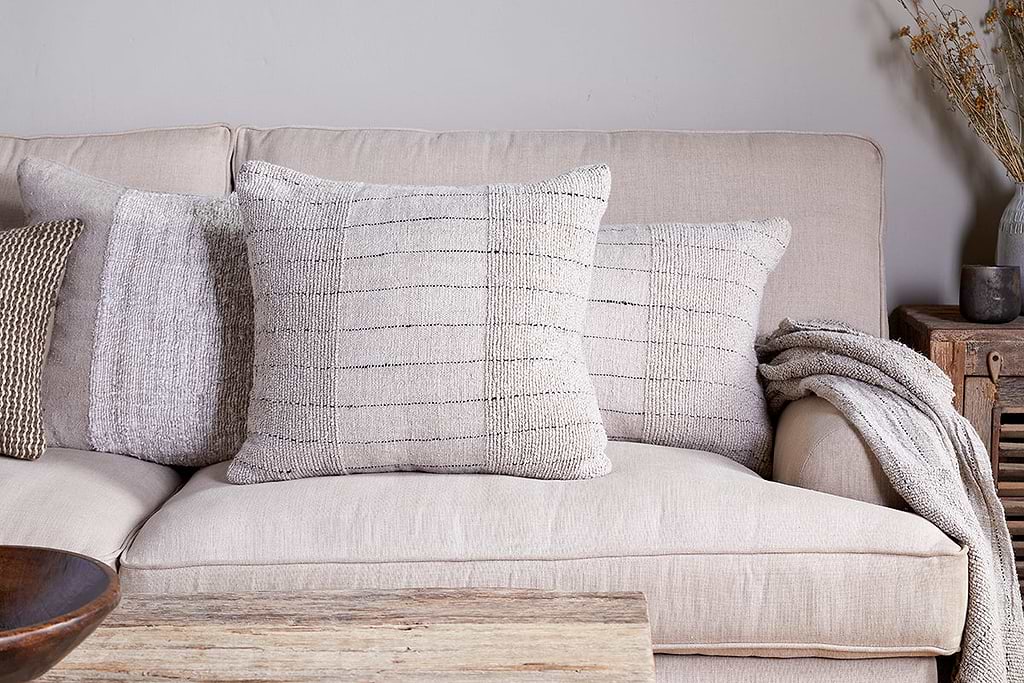
Mayla Cushion Cover
Soft hand-textured cover, instant warmth on linen sofas or chairs.
View at Nkuku →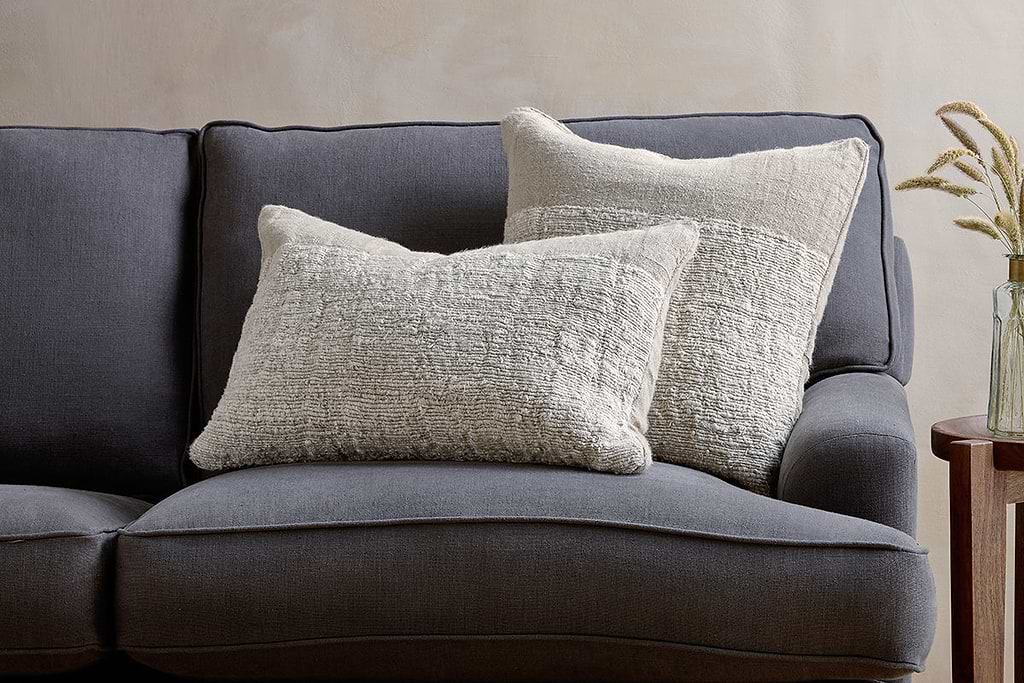
Puli Linen Cushion
Recycled linen in natural, pairs with woven textures and aged wood.
View at Nkuku →Some links above are affiliate links. If you buy through them we may earn a small commission at no extra cost to you. We only suggest pieces we think fit a calm, lived-in home.
Free guide
The Calm Shelf
12 styling ideas to help you compose calm, balanced shelves in natural texture homes.