

Bedrooms stack up clutter quickly, especially in small homes where every surface tries to do more than one job. Searching for cozy bedroom ideas easily turns into a game of piling throws, pillows, or lamps, only to find the room suddenly feels busier, not warmer. A thick rug and layered blankets can help, but too many soft things often make the space look crowded instead of calm.
This guide shows what to keep and what to skip, so comfort reads as calm, not crowded. By focusing on a few anchor choices—light, fabric, layout—you’ll learn to set warmth without the risk of overdoing it. This works especially well in a small flat when storage is tight because careful restraint keeps the space feeling restful, not boxed-in.
The short version: Cozy bedroom ideas feel calm, not cluttered, when you limit the number of added textures and let one or two natural materials come forward. Focusing on practical comfort—softer light, fewer colours, a clear layout—keeps things restful, while too much decor pushes a bedroom into feeling staged.
Key takeaways
- A cozy bedroom works best when only a few warm materials repeat across the space.
- Mixing several types of lighting in a bedroom softens shadows and shuns cold corners.
- Choosing curtains over blinds softens the room and filters harsh morning sun, according to Sharps’ 20-tip cosy bedroom guide.
- Limiting your palette to three main tones keeps the mood restful, not busy.
- A simple focal piece—a headboard, low bench, or well-placed chair—gives the room a sense of calm order.
- What makes a bedroom feel cosy instead of just decorated?
- How do you layer light for a warm bedroom glow?
- Where this works best
- What fabrics create a layered bed without making it too warm?
- How much colour is too much in a small cosy bedroom?
- Styling and placement
- How do you build a reading nook in a corner you already have?

What makes a bedroom feel cosy instead of just decorated?
A bedroom feels genuinely cosy when soft elements support the way you use the space, rather than fill every surface. One rug underfoot warms the room faster than piles of accent pieces.
Some bedrooms end up feeling “try-hard” because every trend is out at once: velvet pillows mix with silk throws, candles compete with string lights, and nothing stands out. Instead, pausing at three main soft materials—perhaps a wool blanket, a linen pillow, and a cotton rug—calms the mix. This restraint gives each element space to work.
A tall upholstered headboard looks inviting, but a room full of similar shapes—big lamps, heavy curtains, chunky bed frame—reads as heavy and boxed-in. Comparing a styled-to-sell bedroom to one focused on sleep comfort, the difference is clear: comfort comes from letting one texture or feature lead, not crowding several for effect.
In homes with low ceilings, picking a headboard with clean lines and skipping bulky bed-end benches keeps the space feeling open and still soft. The effect is a lighter mood and more breathing room for the senses.
How do you layer light for a warm bedroom glow?
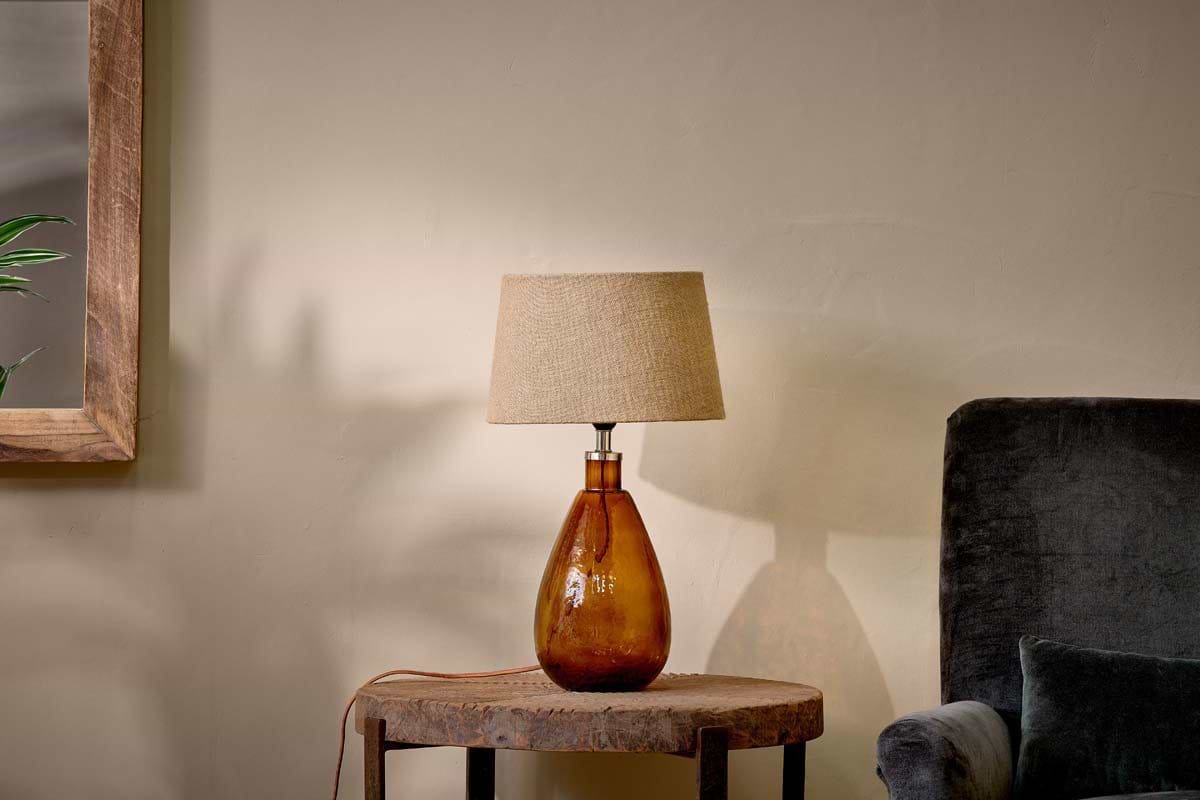
Warm light in a bedroom comes from layering sources—one small lamp by the bed and a wall sconce or two add up to a softer mood than any overhead bulb. The right bulbs matter, too.
Rooms relying on a single overhead pendant stay cold. Adding a small table lamp, a few wall lights, and even a candle changes how corners and textiles look at night. According to House & Garden’s winter bedroom edit, pairing a brass wall light with warm-toned paint lets the whole room glow, not glare.
Most common mistake: mixing harsh white bulbs or using only ceiling lighting. A string of soft bulbs, or even a shaded floor lamp in a corner, diffuses the glow instead of casting strong shadows. Compared to a single cold ceiling fixture, layered lighting gives you shapes and textures, not flatness.
The shift is simple—a lamp here, some candles there, a warm-glow bulb by the bed. Once the lighting changes, even the wall colour starts to feel softer. Try this in bedrooms where shadows look harsh or the room feels hard at the end of the day.
Where this works best
Cosy bedroom ideas suit almost any home, but work best in rooms where you need comfort to last beyond just bedtime. Small city bedrooms and shared flats benefit most.
Bedrooms with little natural light or odd layouts, like those in converted rentals or houses with angled ceilings, need the biggest help from calm, simple layers. In these rooms, even one natural material—linen, wool, or soft washed cotton—settles the space down. Unlike larger rooms where missed spots fade away, every blanket or candle in a compact bedroom leaves an impression, so being choosy matters.
Shared bedrooms or guest rooms where everyone brings different things benefit from restraint. Instead of filling the space with multiple prints or loud pieces, repeating two main tones—grey and cream, for example—gives a quiet backdrop for personal items that always come and go.
Avoid cramming in every soft thing you like, which can make a bedroom read smaller and heavier. In narrow rooms especially, one too many storage baskets or side tables turns warmth into clutter. Keep just what’s needed clear and let a few choices do most of the work.
What fabrics create a layered bed without making it too warm?
Mixing breathable layers in cotton, wool, or linen adds softness and keeps the bed comfortable year-round. Too many heavy fabrics stacked together make sleep sticky or the arrangement cluttered.
Layering two or three lighter throws or a woven blanket over a crisp cotton duvet lets you build warmth up or down as the weather changes. According to House & Garden’s favourite picks, materials like a Melin Tregwynt Welsh wool blanket bring both weight and texture, without the sweat of synthetics.
Compared to polyester blends, natural fibres release heat instead of trapping it. One oversized linen cover thrown across the end of the bed adds softness and shape without blocking airflow. In rooms with poor ventilation, picking one loose woven layer wins over stacking several dense quilts.
To balance the bed, keep throws neat—don’t drape blankets everywhere. The clean, folded edge of one wool throw on the bench or the end of the bed anchors the scene. This makes it easier to tidy up and, in a busy morning routine, less likely to end up in a pile.

How much colour is too much in a small cosy bedroom?
Limiting colour in a bedroom—three tones or fewer—prevents the space from feeling restless or cluttered. Painted walls in muted shades work best for holding restfulness all day.
Bringing a full rainbow of cushions, throws and art into a small room pulls the eye in every direction and eats up floor space visually. Instead, sticking to one main colour, one accent, and a neutral lets the things you choose feel grounded. Farrow & Ball’s bedroom inspiration gallery features calming shades like Pavilion Blue and Calke Green for this exact reason.
Unlike living rooms or playrooms that can absorb more colour activity, a calm bedroom only needs one or two key pieces in a stronger shade—maybe a clay-coloured pillow or a deep blue throw. If the room is north-facing or already gloomy, warm natural whites or dusty greens keep the feeling balanced, not washed out or cold.
Avoid bright patterns on most surfaces. Pick a single spot—maybe a framed print or one vase—and let everything else recede. The result: a space where colour supports sleep, instead of competing with it. If you’re curious about wider options for walls or textiles, bedroom paint ideas gathers safe palettes that work in nearly any light.
Styling and placement
Bedroom styling works best when each piece has breathing room, repeats a natural material, and sits in a spot that you use every day. Leaving clear space matters as much as the things you place.
An open shelf along one wall reads colder than one with a small jute basket for worn clothes or a clay bowl for keys. Placing one or two tall soft items—a linen curtain, a stack of books, a plant—draws the eye up and gives a sense of height. The key: don’t fill every gap, and let enough stillness settle the scene.
Compared to beds stacked with pillows, a low pile of just two—the one you sleep with and another decorative—keeps dust and fuss to a minimum and saves time making the bed each morning. Small bedroom ideas often repeat this principle: fewer layers, but chosen for comfort and colour over sheer numbers.
Quick calm checklist:
- Leave bedside tables half clear (cup, book, lamp).
- Stick to one natural rug—jute or cotton—no overlays.
- Limit main palette to three colours max.
- Anchor the bed as main focal point; keep other furniture low or tucked away.
- Add one plant or textured vase; skip stacking decor in lines.
This works for bedrooms with limited space or uneven floors, as well as larger rooms that need a calmer focal area. Following this list stops the space from slipping into “staged” territory, so the room always feels lived-in but clean.
How do you build a reading nook in a corner you already have?
A reading nook needs only a corner, a soft chair or pillow, a small lamp, and a place to set down a cup. Keeping the setup simple encourages daily use.
An awkward corner in many bedrooms—by the window or beside a wardrobe—often gets skipped as a possible hiding spot. IKEA’s cosy bedroom gallery notes that even a single chair and lamp turn a spare corner into a personal retreat, no major changes required.
Unlike crowded window seats or bench corners stacked with knickknacks, a reading nook works best when it has just one or two elements: a thick cushion, a wool blanket, and a low side table are enough. A clip-on reading light, ideally in warm white, lets you wind down in the evenings without waking the rest of the room. If you’re renting, use a floor lamp or plug-in sconce instead of drilling or painting.
Try this in rooms where bedtime drags on or where you’d like a small spot away from the main bed. A nook like this also frees up bedside space for sleep instead of extra piles of books or electronics. More on setting a calming overall mood can be found in calm bedroom ideas.
Most homes that crave calm try layering more and more soft things, hoping to make a bedroom feel warm, but the result can be a room that feels tight or messy. The moment you step back and wonder why the space looks full but still thin, it’s often because every surface is treated like a chance to decorate instead of editing for rest. The solution is to strip back until each layer or lamp actually serves the way the room gets used—one clear focal point, a small range of colours, furniture set where you land first thing in the morning.
Many people realise something feels “off” the first night the room is done: it’s busy or less restful than hoped, the view from the bed is noisy, yet nothing is obviously wrong. This subtle discomfort comes from too many layered objects or shades pulling the eye around the room instead of letting it settle.
Rooms where everything shouts for attention rarely stay restful long. Pulling back by half, letting only the essential comforts show and paring down what’s on display, is often the practical fix.
Once restraint shapes your main choices, the whole bedroom settles: sleep comes easier, clutter fades, and the room feels right for winding down or waking up quietly.
Save this idea for later.
What tends to hold up with cozy bedroom ideas
Across hundreds of bedroom redesigns, the rooms that last—those readers call “real-life restful”—nearly always reuse materials. A single rug style or repeat wood finish, alongside a cotton or linen base for bedding, tends to outlast trends. This doesn’t just look calm; natural materials wear well and feel better over time. Reviewers consistently note decluttering first is the step that finally shifts how the space feels.
Matte finishes on lamps or headboards get repeated mentions for keeping bedroom lighting flat and soft, helping avoid glare in spaces that double as work zones by day and relaxation zones at night. The calm in these rooms comes not from the amount of things, but from letting one feature—texture, light, or line—lead, instead of layering for the sake of variety.
— Mara, Loom & Glow
Common questions
How can I make my bedroom look cosy?
The fastest way to make a bedroom look cosy is to add a natural-fibre rug, a couple of layered soft throws, and warm light sources. Limiting clutter and repeating one or two materials helps the space read as inviting, not busy. Set one focal point, then keep the rest of the room simple.
What colours are best for a cosy bedroom?
The best colours for a cosy bedroom are muted blues, greens, taupes, creams, and soft warm whites. These shades hold warmth without feeling heavy and don’t overpower a small space. Soft undertones in the paint or fabric soften shadows and make the room restful from day to night.
What are the 2026 bedroom trends?
Bedroom trends for 2026 centre on natural materials like wood, linen, and wool, with layered lighting and muted, complex paint shades. Simple headboards and visible grain finishes will be more common. Expect fewer decor items and more attention to restful palettes over quick-fix accessories.
What are the bedroom trends for the UK in 2026?
In the UK, 2026 bedroom trends lean toward clean-lined beds, relaxed neutral palettes, and smart use of space-saving furniture. Layered drapery, wool throws, and muted paint colours drive the cosy feel. Ceiling lights will give way to wall lights and lamps for soft, low-glare mood lighting.
what's trending in bedroom decor?
Trending bedroom decor focuses on calm restraint rather than piling on trends, achieved by limiting soft materials to just three main types-such as a wool blanket, linen pillow, and cotton rug-and layering multiple light sources like table lamps and wall sconces instead of relying on a single overhead bulb.
Explore more calm combinations inside our Shop The Look .
Shop the Look
A few Nkuku pieces that bring warmth and layered texture to a restful bedroom.
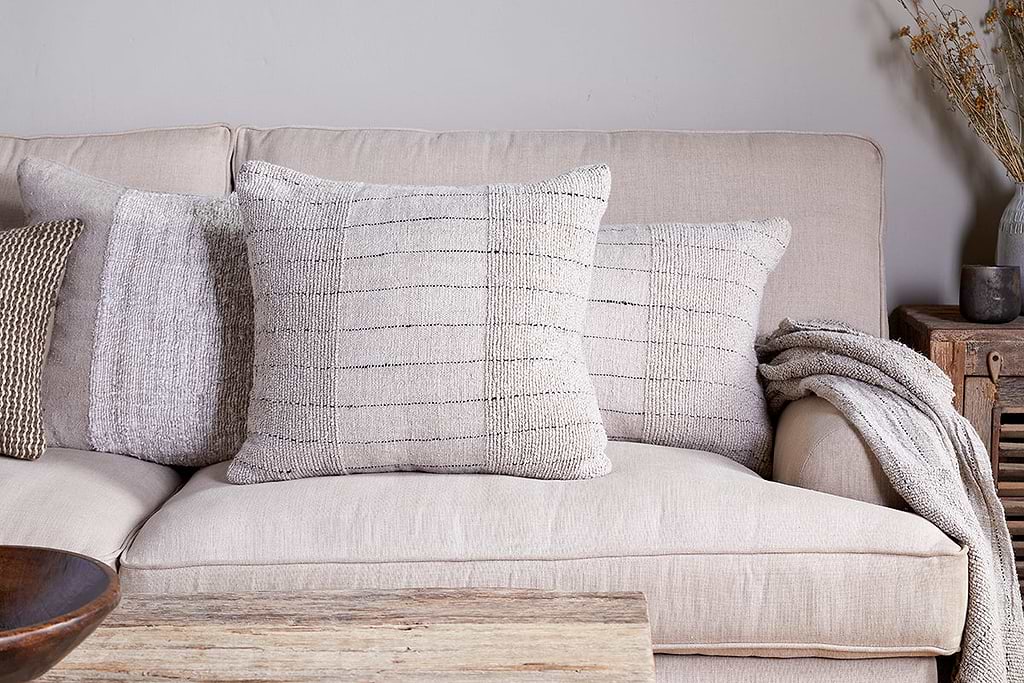
Mayla Cushion Cover
Soft hand-textured cover — instant warmth on linen sofas or chairs.
View at Nkuku →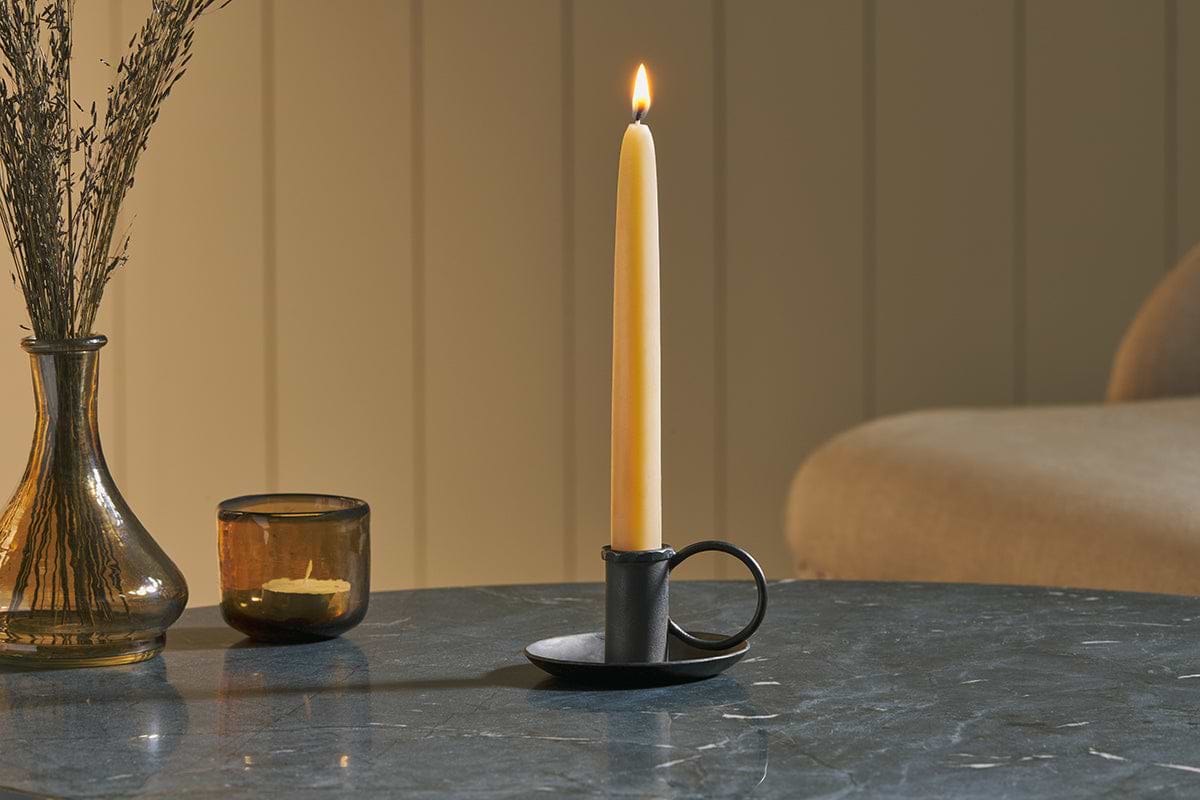
Amri Iron Candlestick
Slender iron with quiet presence — works alone or in clusters of three.
View at Nkuku →Some links above are affiliate links. If you buy through them we may earn a small commission at no extra cost to you. We only suggest pieces we think fit a calm, lived-in home.
Free guide
The Calm Shelf
12 styling ideas to help you compose calm, balanced shelves in natural texture homes.