

Standard plastic bedroom blinds often feel out of place in a bedroom meant for calm. Too many bedrooms with freshly painted walls and natural bedding still rely on stiff plastic blinds, leaving the room looking cold and low-budget.
Today, the difference starts with swapping out those hard-edged window coverings for something softer and more natural. This works especially well in small bedrooms when there’s little built-in texture because fabric blinds and woven shades add a quiet layer that absorbs light instead of bouncing it.
The short version: Bedroom blinds in natural fabrics soften daylight and help bedrooms feel warm, calm, and private. Swapping out plastic for linen, cotton, or rattan makes your space look and feel more grown up, especially in low-light rooms or those with plain walls.
Key takeaways
- Linen roman blinds are the best way to filter bedroom light softly without adding weight or stiffness.
- Cotton blinds offer subtle texture for bedrooms needing warmth but not heavy blackout.
- Rattan and bamboo blinds bring gentle structure and natural warmth to plain or all-white rooms.
- Layering natural fibre blinds with curtains works well in rentals when you can’t drill into walls.
- Most fabric blinds can be surface-cleaned easily, keeping their look fresh for years.
- Why do plastic roller blinds make bedrooms feel colder?
- Linen roman blinds: the softest way to filter morning light
- How do cotton blinds add warmth without bulk?
- Rattan and bamboo blinds: what to know before choosing
- Where this works best
- How to get real blackout and still use natural fabrics
- Styling and placement

Why do plastic roller blinds make bedrooms feel colder?
Plastic roller blinds reflect daylight sharply and make bedrooms feel unfinished, even against soft bedding or wood furniture. Using natural materials instead helps the room absorb and scatter light, giving it a softer, gentler look.
In many bedrooms, plastic roller blinds are still the default, usually because they’re cheap, easy to install, and wipe clean. But the straight white surface bounces sunlight across the room, making everything look starker. A bedroom dressed in pale linens and wood feels unfinished when a shiny plastic blind sits over the window.
Natural fabrics are better at absorbing and scattering light, so the space looks gentle even on cloudy days. Linen or cotton blinds dampen harsh edges and dull the outlines of a window, especially next to a simple bed setup. Most people notice the shift right away, plain plastic looks cold, while a loose-woven fabric catches the light and feels much calmer to live with.
A bare window frame with roller blinds always looks colder than one dressed with linen, cotton, or a woven material. Compared to hard plastic, these fibres soften light and never look artificial. Swapping the blinds on just one window makes the whole room gentler, especially if you use warmer earth tones or off-white.
To bring warmth to a cool-white bedroom, fit a natural blind near the head of the bed or over a smaller window, these spots show the strongest contrast with plastic options.
Linen roman blinds: the softest way to filter morning light
Linen roman blinds filter daylight gently, letting light shift softly across the room as the sun moves. The slightly slubbed weave acts like a built-in diffuser, keeping the feel relaxed even with plain walls.
Bedrooms can feel flat when everything is smooth and uniform. Linen roman blinds instantly add friendly texture, especially where the rest of the room is pared back or painted in a single colour. As daylight passes through loosely woven linen, it softens and warms, never glowing harshly even on bright mornings.
Using linen also changes how shadows fall. The folds of a roman blind create shallow waves, adding movement to an otherwise blank window. In a small bedroom where the bed sits close to the window, the natural creasing of the fabric matters a lot, linen never stays perfectly rigid. This is the opposite of synthetic blackout lined shades, which often sag or crease in sharp, unnatural lines.
If your room tends to feel stark, a linen roman blind in oatmeal or flax brings out warmth in the walls and picks up light through the day. A plastic roller blind looks solid-white and blocks all detail; a natural-fibre roman looks softer, even half-open, and creates a gentle start to the day.
Linen roman blinds suit bedrooms with fewer decorative elements, hang one against a flat wall for best effect.
How do cotton blinds add warmth without bulk?
Cotton blinds introduce texture and a gentle pattern, letting the window look dressed but not heavy. They work well where pure linen reads too loose or where thicker blinds would crowd a room.
Some bedrooms feel heavy with too many layers but flat if you strip them back. Cotton blinds split the difference, they hang close to the glass but soften the edges around a window. Both plain-weave and subtle patterned cotton blinds give a gentle, relaxed look and are often less costly than linen options.
Unlike plastic or vinyl, cotton absorbs more sound, too. The result is a quieter room with less tangling of stray dust, especially compared to synthetics that attract static. Many find cotton blinds easiest to keep clean, dust or pollen brushes off without much effort, and a gentle hand wash is usually all it takes if they yellow over time.
Compared to lined blackout blinds, plain cotton keeps the window from dominating the wall. This is a good fit for smaller bedrooms or rental flats with plain furniture. Cotton blinds don’t block light fully but instead mellow the glare at midday and settle strong sunlight on busy mornings.
For best effect, use a cream or faded earth-tone cotton blind above a low bedside table or dresser, this grounds the window and makes the whole corner feel less cold.
Rattan and bamboo blinds: what to know before choosing
Rattan and bamboo blinds add clear definition and warmth but stay light, never heavy. Their woven structure means some sunlight patterns through, making walls feel alive instead of flat.
Where plain fabric blinds are too soft or too casual, rattan and bamboo step in with more shape. These blinds work best against white or neutral walls, where their natural shades stand out and provide gentle contrast. Kids’ rooms and guest bedrooms with simple décor often get an instant lift just by swapping in bamboo over stiff polyester.
Unlike faux-wood blinds, which can feel heavy and look painted on, real rattan and bamboo are thin, flexible, and catch light in changing ways. Some models include thin linings for privacy, while others let dappled light through, making afternoon sun look more interesting. If you want more privacy (for example, in a street-facing bedroom), look for woven bamboo with a tighter weave or a simple drop-in lining behind.
Fitting rattan or bamboo blinds works even in rental bedrooms, as long as you use surface mounts or no-drill kits, the weight stays manageable and the look feels natural instead of temporary. Compared to a roller blind, a rattan or bamboo shade is much more forgiving in a bedroom that relies on subtle, layered texture to feel finished.
For those wanting tactile detail without the full “beach house” look, use a woven blind above a radiator or under a deep window ledge. The structure gives the room definition but avoids the heaviness of painted slats or thick lined shades.

Where this works best
Natural bedroom blinds work best in simple, calm rooms where harsh materials make the space feel incomplete. Bedrooms with few patterns and pale walls see the biggest benefit.
Main bedrooms with pale carpets, low beds and little colour look different once you swap out hard-edged window coverings for textured ones. Soft-blend linens, mid-weight cotton, or woven grasses suit these spaces, especially when paired with light rugs and neutral bedding. In rooms with limited built-in storage or no window seat, the right blind brings subtle detail that stops the room from feeling empty.
Small guest bedrooms or attic spaces with awkward windows also do well with natural blinds. In these cases, heavy blackout shades or wooden blinds can choke a tiny window. Here, a slim bamboo or cotton blind fits closely, adding interest without competing for attention.
Avoid using thick, dark wooden blinds in bedrooms with low light or north-facing exposure. Unlike lighter fabrics, dark blinds pull down the room and cast heavier shadows. Instead, stick with something that adds structure but won’t overtake the walls, like a rattan blind or a thin cotton roman.
To see a calm shift, start in the smallest bedroom or anywhere open plastic blinds spoil the overall look, focused upgrades matter more than swapping every window at once.
How to get real blackout and still use natural fabrics
To block out light at night but keep a soft daytime look, use blackout linings behind natural-fabric blinds. This keeps the bedroom warm and private without the stiff feel of coated synthetics.
Many people want blackout at night but can’t stand the way blackout vinyl blinds look during the day. The fix is to use a natural-fibre roman blind, linen or cotton, lined with a blockout fabric sewn at the back. Bedrooms on busier streets or facing bright security lights benefit most, since privacy and morning rest both matter here.
Compared to UV-coated roller blinds or extruded slatted plastic, a lined linen roman remains soft to the touch and never looks synthetic. The effect at sunrise: light filters in only around the edges, so the main body of the blind still reads as fabric. Some shops, like Blinds Direct, let you choose linings at order and send fabric samples first, which helps match colour and texture to the rest of your room. A fabric blind with blackout lining works best when you still want daylight during the day but undisturbed sleep at night.
Pleated blackout blinds exist too, but they often come in synthetic or shiny finishes. If your room needs extra insulation (for example, a window above a radiator or in an older house), a double-layered natural blind helps regulate temperature more gently than a coated shade.
To balance blackout and texture, fit a lined roman or pleated blind in a master bedroom. Place it full-width above the frame so it stacks cleanly but stays inviting in daylight.
Styling and placement
Bedroom blinds look best when they’re fitted wider and higher than the window, drawing the eye up. Layered with curtains or left alone, they help the bedroom feel finished without fuss.
The key to making natural blinds work is picking placement and layering with care. In a bedroom with low ceilings, hang the blind slightly above the window, this avoids crowding the glass and makes the room feel taller. In small or rental bedrooms, no-drill mount blinds are practical and leave fewer marks.
For layered looks, combine a cotton or linen blind inside the frame with a lightweight curtain pulled far to the sides. This stops the window looking boxy. If the bed sits against the window wall, push the blind slightly wider so light can still reach the corners, especially on grey days.
Unlike ornate curtains or chunky wood blinds, plain fabric or rattan blinds work well with simple bedding and natural baskets. Anchoring a woven basket like the Nkomi near the window ties the area together and stops a nightstand from feeling lost.
Quick calm checklist:
- Pick soft or midweight natural fabrics, linen, cotton, bamboo, or woven grass
- Hang blinds slightly higher and wider than the window for best effect
- Limit colours in this corner to three at most, one window covering, one wall shade, one accent
- Balance the window with a single woven basket, clay bowl, or simple lamp nearby
- Leave about two-thirds of the sill clear, using the rest for one textural detail
To create a finished corner, keep the blind neat, add a single tactile object, and resist crowding the area with small decor.
There’s a moment when even a clean, well-organized bedroom feels off, maybe it’s the way sunlight hits the plastic blind in the morning, or how plain the window looks compared with your bedding. Some keep rearranging small objects or swapping pillow covers, but the hard-edged blind remains the thing that never matches the rest.
Switching to a single, well-made natural blind settles the whole wall. Suddenly the window feels intentional, and nothing fights the softness you set with your bedding or rug.
Save this idea for later.

What tends to hold up with natural bedroom blinds
Reviewers and designers often point out that switching to natural-fibre blinds is the single fastest way to take a bedroom from unfinished to calm. Matte, loose-woven fabrics stand up better to everyday light changes than slick synthetics, and don’t show dust as quickly. Matte finishes get recommended again and again near windows, because they don’t glare the way a plastic blind does.
The biggest obstacle tends to be cost, especially for true made-to-measure solutions, but sources like Blinds-2go and IKEA give options at different price points, each with their own tradeoffs in softness, fitting, and colour. Always weigh up daily use and ease of cleaning as much as look.
, Mara, Loom & Glow
Common questions
What type of blind is best for a bedroom?
The best type of blind for a bedroom is a natural-fabric roman or roller blind that filters light softly while keeping privacy. Linen and cotton are popular for their texture and warmth, and blackout linings can be added for complete darkness. Avoid blinds with shiny finishes to keep the space feeling relaxed.
What are popular blinds for bedrooms?
The most popular blinds for bedrooms are linen roman blinds, cotton or bamboo roller blinds, and blackout blinds with a natural finish. These options balance privacy with light filtering and suit a calm, natural look. Many homeowners combine a fabric blind with a lightweight curtain for extra softness.
What is the current trend for bedroom window coverings?
The current trend for bedroom window coverings is using natural materials like linen, cotton, bamboo, or rattan in calm, pale colours. Layering a roman or roller blind with curtains is popular for both visual softness and flexible light control. No-drill and made-to-measure solutions fit best in modern rentals and small bedrooms.
Should bedrooms have curtains or blinds?
Bedrooms can have either curtains or blinds, but blinds in natural fabrics offer strong light control and a gentle look. Adding simple curtains to frame a blind gives extra warmth and privacy. Both work together in most bedrooms, especially when colour and texture are kept simple.
Explore more calm combinations inside our Shop The Look .
Shop the Look
A mirror and lantern that work alongside soft natural light and calm window dressing.
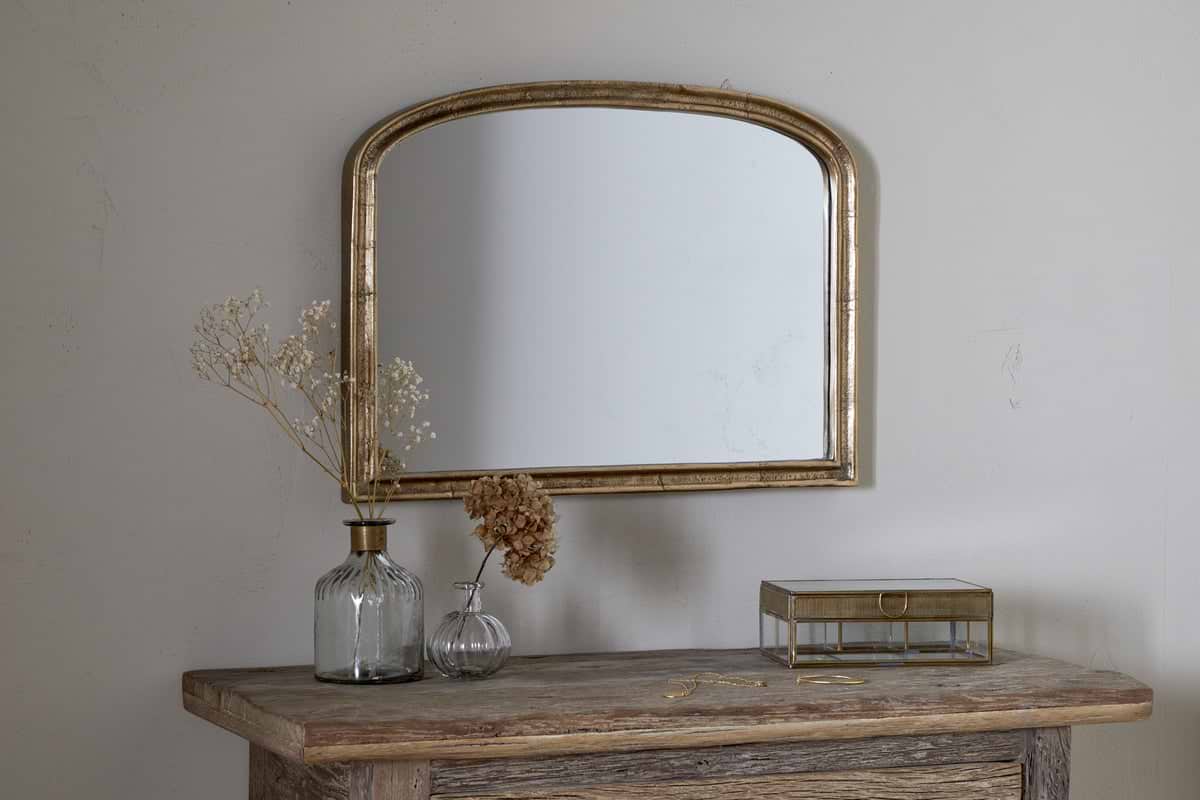
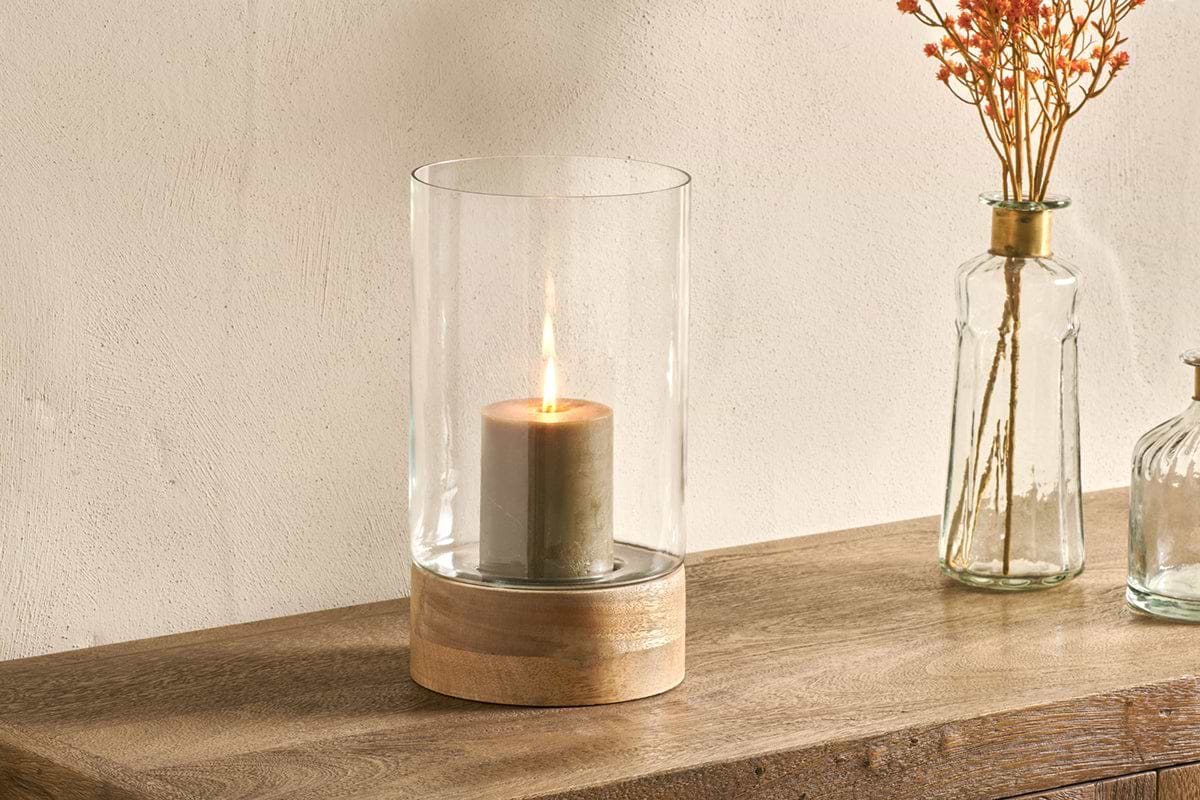
Idha Hurricane Lantern
Straight-sided glass, for candles indoors or sheltered patios.
View at Nkuku →Some links above are affiliate links. If you buy through them we may earn a small commission at no extra cost to you. We only suggest pieces we think fit a calm, lived-in home.
Free guide
The Calm Shelf
12 styling ideas to help you compose calm, balanced shelves in natural texture homes.