

Clutter shows up fast in a small room. When every shelf, cushion, or vase sits in full view, even one too many or a harsh plastic finish can make room decor look random or unfinished. For people tight on space and budget, most “easy upgrade” tips end up feeling too busy instead of calm.
Today, focus shifts. You learn how to create a calm and finished look for small spaces, using natural textures that don’t need a big spend or permanent changes. This works especially well in bedroom corners with little wall space when you keep the palette tight and start with the one surface you use every day, because it keeps the room feeling open while still looking purposeful.
The short version: The simplest way to style small-space room decor is to start with fewer pieces in natural textures and repeat them on visible surfaces. Neutral tones, single-material accents, and clear floor areas help any tight room feel calm and finished, even with a small budget.
Key takeaways
- Room decor in a small space stands out more, so each object and finish needs to work together.
- Natural textures like linen, jute, and clay give depth without adding clutter or glare.
- A floating shelf works best when no more than two-thirds is filled, leaving room helps the eye rest.
- IKEA and Dunelm organise decor shopping by colour, while neutral materials stay a minority choice in bigger catalogues.
- Why most room decor advice does not work in a small room
- Pick one focal point before you buy anything else
- Building a natural texture palette that still feels finished
- Bedroom wall decor ideas that do not need drilling
- Window sill decor: styling the surface everyone skips
- Aesthetic room decor vs cute room decor: different rules
- Styling and placement

Why most room decor advice does not work in a small room
Room decor ideas for big spaces usually add too many layers or surfaces that feel crowded in a small room, so each object becomes a distraction instead of a detail.
A small bedroom or living area makes every piece count. The wrong lamp on a narrow window sill or a glossy tray on a short mantel shows up in every angle and quickly makes the room feel overfilled. Unlike open-plan layouts, there’s no hidden zone or long wall to spread color or texture quietly out of sight.
Most generic guides suggest layering throws, frames, and candles everywhere. In a tight space, one extra item makes dust collect faster and the room feel untidy instead of inviting. Keeping only what you touch most often, a woven tray by the bed or a linen pillow on a compact sofa, keeps the look soft and direct.
A bare bookshelf reads colder than one with a clay pot or jute basket, but heavy picture arrangements, as often seen in larger homes, quickly tip from cool room decor to plain busy here. Cutting options down helps the eye land on details that matter.
Pick one focal point before you buy anything else
A small room feels more collected when you choose one focal surface, like a shelf or window sill, and use natural textures to draw the eye there.
In a snug flat or a boxy rental, switching between too many focal points makes every corner compete for attention. Placing a single textured tray or a cluster of pale stacked books on the only open shelf means the whole room feels anchored, giving a sense of order and rest.
Selecting the main anchor first means that if a visitor glances in, they see purpose before stuff. The shift is especially real for anyone with a combined bed and living area, where the headboard shelf or window ledge does all the work. Compared to spreading framed prints or plants across every edge, this single choice keeps the room calm.
A mantelpiece or low shelf benefits most: a single woven or matte finish piece warms up the room, while several plastic or high-sheen items jar against quiet surfaces. Build out from that one focal surface before buying more accents.
Building a natural texture palette that still feels finished
A small space looks more complete when you echo one or two main textures, like linen or basket weave, on every visible surface, not just soft furnishings.
Repeating a texture helps even the simplest room decor fall into place. A linen lamp shade that matches the look of a folded throw, or a single terracotta bowl mirrored by a clay vase, pulls a scattered living room together without adding more items. According to IKEA’s decoration range, neutral, woven, and matte finishes are grouped together as a distinct offering.
Unlike covering walls in colour, echoing texture uses light and touch rather than pattern. Sticking with two or three surface types, linen for softness, clay for earthiness, and maybe a jute tray, keeps the space feeling easy to live in and not cold. Glossy plastics or metal frames can break this calm, so reserve them for the one surface that needs a small bit of shine.
What changes is the sense of purpose. Matching natural textures between a desk and a floating shelf means nothing stands out as random. Apply this to baskets under beds, open display trays, or even a bare chair in the corner for a room that feels tied together.
Bedroom wall decor ideas that do not need drilling
Rental-friendly rooms benefit from light wall pieces, like soft fabric banners or peel-and-stick mirrors, that can be swapped easily and moved without marks.
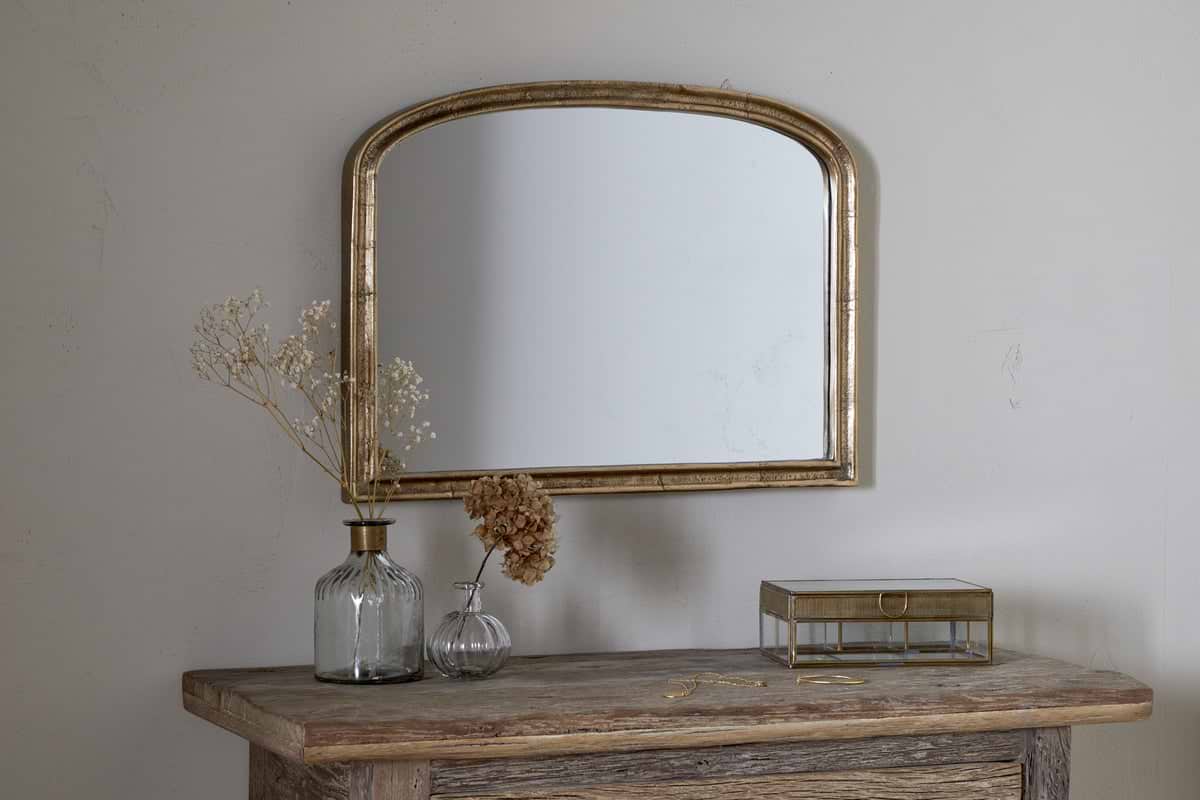
Tenants and short-term renters often skip wall decor, afraid of leaving holes or damaging paint. Frames that lean against the wall on top of a low shelf, adhesive hooks for dried flower bundles, or even a string of wooden beads keep decoration flexible. A wall mirror from a range like IKEA’s decoration collection becomes a decor piece itself, not just a utility object.
Adhesive-backed mirrors or soft wall hangings bounce light in a tight bedroom. Unlike the heavy drilling and hanging that a full gallery wall needs, these can move flats with you or be swapped quickly with the season. A single wall basket or a fabric banner gives subtle shape and warmth even where nothing can be attached permanently.
Most Oliver Bonas frames in the bedroom accessories guide are shown propped or balanced, proving this method suits small rooms without fuss.

Window sill decor: styling the surface everyone skips
A window sill works as a mini display zone for natural objects, just one bowl, plant, or candle group, that adds style and function without using up floor space.
For small homes, the window sill is often left unused or cluttered with odds and ends. Setting out a short stack of plain books, a clay mug, or a single upcycled vase in neutral shades makes it part of the decor. If a bright spot is needed for plant growth, even one small trailing plant softens the edge and draws attention up, away from busy floor space.
Compared to lining up plastic frames or trinkets, using repeating textures, like two linen-wrapped small boxes for keepsakes and a matte candle, gives the eye a quiet break. This placement is removable and rental-friendly, and works in any room where storage is slim but light is good.
A practical tip: avoid overloading the sill. One group of items or a single vase is enough to look styled, not crowded. For more ideas on working with natural light, you can read about styling around natural.
Aesthetic room decor vs cute room decor: different rules
Aesthetic room decor sticks to calm colours and simple shapes, while cute room decor leans on small objects, brighter hues, and playful details.
The two trends chase different moods. Aesthetic room decor, often seen on Pinterest boards, layers soft neutrals and natural fibres: think jute storage, creamy linen, or pale ceramics. Cute room decor, which peaks in YouTube DIY guides, features pop colours, novelty shapes, or playful sticker walls, like ones seen in the viral DIY room decor video that reached hundreds of thousands of views.
A bare shelf, with only pale jute-wrapped candles and a sanded wood bowl, looks different than the same shelf packed with pastel figurines or polka-dot mugs. Both can work, but a small room leans finished, not fussy, if you use the calm palette of the “aesthetic” style.
For more examples of natural looks, see the natural bedroom decor collection, which favors these simpler, tactile choices.
Styling and placement
A small room decor scheme works when items have enough clear space between them, neutral colors anchor the eye, and materials repeat from surface to surface.
Placement matters more than number. A group of objects, like a single jute basket, a linen pillow, and a ceramic mug, looks right when set apart, not overlapping, letting each item breathe. Light, texture, and space have as much impact as color.
Avoid running surfaces edge to edge with decorations. Shelves feel busy when packed; leaving clean space between objects makes everything look more considered. Compared to the packed look favored in some big-room inspiration shots, small rooms benefit from restraint.
Strong window light or a feature wall can throw too much weight on a single accent. Pull focus back by echoing tones in textiles or tableware. For more tightly focused layouts, see the small bedroom layout guide for practical setups.
Quick calm checklist:
- Stick to two main natural materials per room, linen and jute or clay and wood.
- Leave at least a third of each surface clear, so the eye can pause between objects.
- Limit the palette to three shades (for example: cream, soft grey, straw brown) to avoid overload.
- Group items by function, reading, storing, plant care, not by color or size.
- Anchor surfaces with the largest soft item, such as a folded throw or a big cushion.
What tends to hold up with room decor for small, natural-feel spaces
Most long-lasting looks in small rooms keep to a simple rhythm of repeat texture and lots of negative space. Reviewers and stylists recommend matte finishes, like unvarnished wood or clay, for shelves near sunlit windows, since gloss shows dust and glare fast. Many calm, soft palettes take more planning, since most store displays (according to the Oliver Bonas and IKEA ranges) group by colour.
Natural finishes outlast trend-driven choices, and those with the best reviews say their room feels more restful months later. The main shift that works: repeat key materials and anchor each surface before adding new decor.
, Mara, Loom & Glow
Common questions
What are the best room decor ideas for a small space?
The best room decor ideas for small spaces use natural materials, simple colors, and functional items that don’t crowd surfaces. Using baskets, floating shelves, and neutral textiles alongside key anchors, like a low table or window sill, keeps the space open while bringing in personal style.
What is the 3-5-7 rule in interior design?
The 3-5-7 rule in interior design means arranging objects in odd-numbered groupings, three, five, or seven, for a more natural, less rigid look. This rule applies to shelf decor, wall art, and even dining tables, preventing a lineup that feels forced or predictable.
How can I decorate my bedroom without spending a lot?
You can decorate your bedroom on a budget by mixing everyday items, books, clay or recycled glasses, a simple plant, with a few new textile accents. Try swapping pillowcases, painting old frames, or moving a small lamp onto a window sill. Rearranging surfaces alone makes a big impact without any shopping at all.
How can I beautify my room using things I already own?
You can beautify your room using things you already own by grouping them by texture or activity, such as reading, storage, or plant care. Edit surfaces so at least one-third stays clear, and repeat your favorite material more than once, a stack of textiles or a few ceramics in similar tones usually looks finished.
Explore more calm combinations inside our Shop The Look .
Shop the Look
A few Nkuku pieces that fit small rooms and pair well with natural textures on a calm budget.
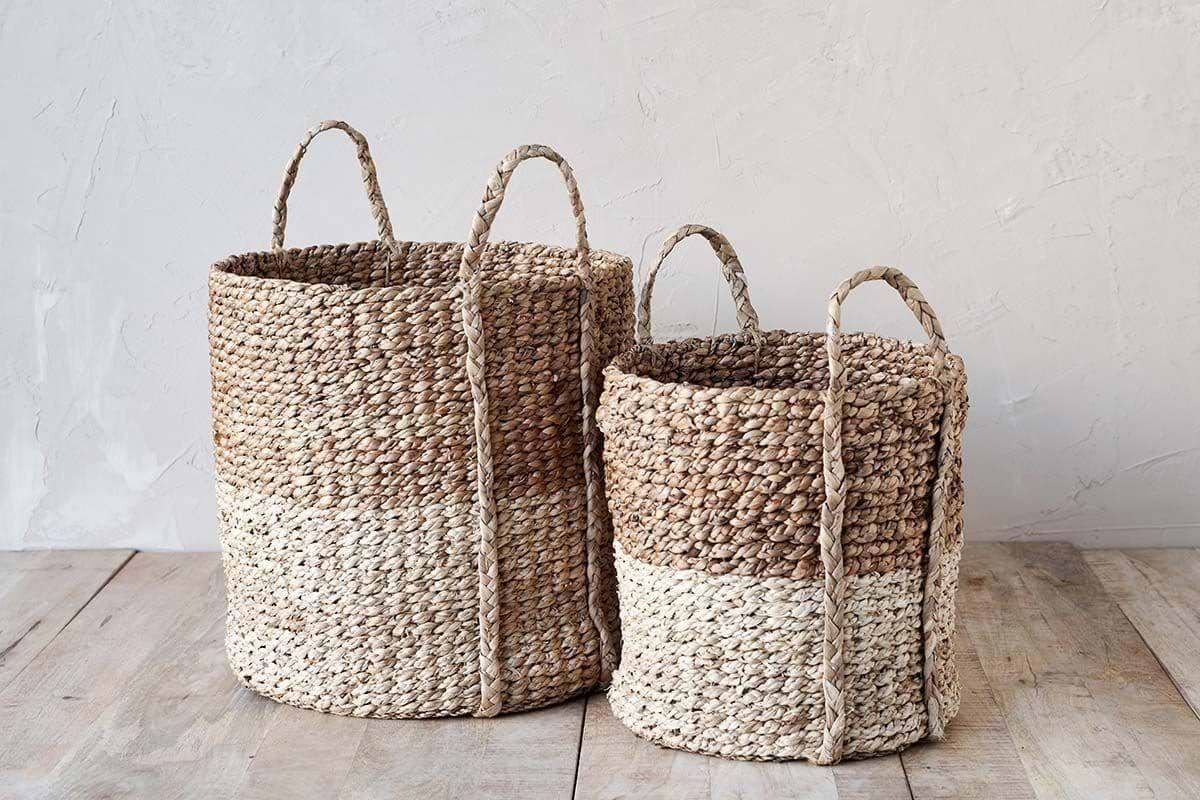
Nkomi Basket
Woven storage with a calm silhouette, works open or tucked under a console.
View at Nkuku →
Some links above are affiliate links. If you buy through them we may earn a small commission at no extra cost to you. We only suggest pieces we think fit a calm, lived-in home.
Free guide
The Calm Shelf
12 styling ideas to help you compose calm, balanced shelves in natural texture homes.