

Jute and sisal rugs differ mainly in texture and durability: jute feels soft and slightly cushioned underfoot, making it ideal for bedrooms and lounges, while sisal is much firmer and coarser, standing up longer to heavy foot traffic in hallways and kitchens. Seagrass is naturally water-resistant and best suited to moisture-prone areas. Choosing between them comes down to matching the fibre’s feel and wear resistance to how each room is actually used.
It’s easy to feel confused choosing between jute vs sisal rugs when your home has hard floors or an open layout. One feels scratchy, one might shed, and colour differences can clash with calm, neutral home decor ideas. Putting several natural materials in one room can make things look busy or uneven.
Here, you’ll see exactly what changes by removing guesswork. We’ll go room by room and surface by surface, mapping what to pick, where to place it, and which combination of natural fibre mats, baskets, or runners actually helps the space feel steady. This works especially well in a small apartment living room when you want warmth and texture but need every piece to settle visually because heavy layering makes the room look crowded.
The short version: Jute vs sisal rugs differ mainly in texture and toughness: jute feels softer underfoot, while sisal is much harder and wears longer in busy spaces. Swap guesswork for structure, using the best fibre for each room and mood. Visually, setting a clear material order keeps woven home decor calm instead of busy.
Key takeaways
- A jute rug feels soft and slightly cushioned, while sisal rugs feel firm and coarse underfoot.
- Sisal rugs stand up to hallway and kitchen foot traffic longer than jute or seagrass rugs do.
- Natural fibre rugs can shed or stain if not matched to the right room or use case.
- Seagrass is the best pick for areas prone to spills, as it’s naturally water-resistant.
- Most good-quality jute or sisal rugs in the UK start at a similar entry-level price per square foot, according to Sisal Rugs Direct.
- What are jute, sisal and seagrass rugs made from?
- Jute vs sisal: which rug feels softer underfoot?
- Where this works best
- How do you choose the right natural fibre rug for each room?
- Styling and placement
- Which sheds more: jute, sisal, or seagrass?
- How do jute, sisal, and seagrass rugs handle spills and humidity?

What are jute, sisal and seagrass rugs made from?
Jute comes from the stalks of the jute plant, sisal is made from agave leaves, and seagrass is woven from water-grown grasses. Each fibre has its own feel and colour.
In most UK homes, these materials turn up as area rugs, doormats, or stair runners. Jute fibres have a soft, thick, almost cottony texture with naturally flexible threads. Sisal, made from agave, is drier, stingier, and finished in a tighter, denser weave. Seagrass, often seen as a slightly greenish floor covering, feels slick and stands up to moisture well.
A natural material home decor approach relies on layering several textures, think a jute rug in the living room, a looser rattan tray on a coffee table, and a firmer sisal runner in a hallway. The main difference between these materials, according to Sisal Rugs Direct, is fibre structure and finish: jute is low-sheen and soft, sisal is tough and grainy, and seagrass is the most moisture-tolerant.
Compared to man-made fibres, all three show slight shade shifts and natural banding. Placing a jute mat beside an indoor-outdoor polypropylene rug highlights that difference, synthetic looks flat and uniform, while natural fibres vary and feel alive.
Place a broad jute mat in a lounge for warmth, a sisal runner underfoot in a boot room for durability, and a simple seagrass mat in a kitchen zone prone to splashes.
Jute vs sisal: which rug feels softer underfoot?
A jute rug has a soft, almost cushioned feel, while sisal rugs are coarser and firmer beneath bare feet. Both are woven, but jute is more forgiving in bedrooms.
The choice comes down to how you want your space to feel at ground level. A living room with a jute area rug welcomes you to sit directly on the floor, toes sinking into thick, slightly springy loops. In contrast, walking on sisal in bare feet feels crisp, dry, and rigid, a bit like straw, but sturdier and more structured overall.
Unlike jute, which flattens under furniture but keeps a gentle hand, sisal keeps its shape under weight but can feel scratchy if used in resting spots. That’s why the Fiji jute area rug (as shown here) is styled for soft landings by beds, while sisal is often found on stairs or other high-use surfaces.
For organic home decor in a sleeping space, the softness of jute encourages barefoot comfort day and night. Try laying it beside the bed, pulling furniture back so the edge stays clean, and notice how much less harsh the room feels first thing in the morning.
| Fibre | Underfoot Feel | Best For |
|---|---|---|
| Jute | Soft, cushioned, warm | Bedrooms, lounges |
| Sisal | Firm, crisp, dry | Halls, stairs, kitchens |
| Seagrass | Slick, springy, smooth | Eateries, garden rooms |
Where this works best
Natural fibre rugs shine in spaces where you want neutral colour and a bit of texture to ground other furnishings, especially busy paths and places you use most.
Bedrooms, living rooms, hallways and kitchens each ask for something different. In bedrooms, soft fibres like jute or a blended flatweave work best because people go barefoot and relax on the floor. Living rooms need a fibre that holds up under furniture and anchors seating without rolling up at the edges. Busy hallways or kitchens are better suited to the toughness of sisal or coir, which resist scuffs and are easier to brush clean than the fluffier finish of jute.
For most people with pets or children, using a seagrass mat in a breakfast nook means less worry about spills and marks. A natural fibre rug works best when chosen for the task: soft in places where you sit, hard-wearing where you walk most, and simple to move if the room’s layout changes.
Avoid pairing a thick jute rug under a kitchen table with rattan chairs, unless the palette is tightly controlled. Too many yellows, greens, or browns pull the eye in too many directions, which can make an open-plan dining space feel unsettled.
How do you choose the right natural fibre rug for each room?
Choose a jute rug for rooms with little direct sunlight and low foot traffic, sisal for hard-used paths, and seagrass for anywhere that sees moisture.
To match organic home decor with real-life needs, start by noticing which surfaces see dirt, spills or moving feet. In shared spaces with kids or muddy shoes, a tightly woven sisal runner stands up to heavy wear and vacuuming without looking worn out. In a reading nook, a chunky jute rug adds soft colour and feels warm, cushioning sound as well as footsteps, a practical choice for flats with downstairs neighbours.
For utility spaces or bathrooms, seagrass’s subtle sheen and water resistance make it easier to wipe clean compared to coir or abaca. In homes where pets drag in mud, matte sisal is usually the best bet for long-term calm because loose-textured rugs shed faster and become messy over time.
Rooms with lots of natural light keep these fibres looking their best, as each weave’s slight shade variation stands out. If you place a natural material rug in a windowless hallway, test a sample first, the colour can darken quickly compared with how it looks under skylight or open curtains.

Styling and placement
Layering only two visible natural fibres per room and keeping patterns small helps maintain calm and stops the eye from bouncing around.
A layered rug approach, say, a jute base with a small wool accent, works well in airy living rooms and rented apartments. Try to keep visual weight low by using just one large piece as an anchor, such as a plain woven jute area rug, then layering only one or two smaller accents in wood or linen. Placing multiple large woven objects (like two big baskets and a pouffe) can tip the balance and crowd the view.
The simplest styling move is to pick a single fibre as the main material and repeat its tone. A pale jute lamp shade, for example, echoes a basket but doesn’t steal attention from a flatweave hallway runner. A dark-textured sisal doormat reads heavier than a soft tan jute option, so in small entryways, the lighter tone often feels airier.
The rule of thumb: a natural fibre rug works best when its largest piece sets the palette and smaller accessories repeat, never clash or fight for the main spot. For more guidance, see more jute decor for ideas that don’t overwhelm neutral rooms.
Quick calm checklist:
- Keep to two natural fibres max per room: e.g., jute + rattan or sisal + wood.
- Set a single anchor rug and repeat its colour in baskets or lampshades nearby.
- Limit bold pattern to one area (under table, at entry).
- Allow open space between woven accents; don’t group too closely.
- Stick to one to three neutral shades for a steady look.
Place your anchor rug first, then set out accents with plenty of breathing room around them for a calm result.
Which sheds more: jute, sisal, or seagrass?
Jute rugs tend to shed the most in their early months, while sisal and seagrass rugs shed far less overall. Routine vacuuming helps reduce visible fibres.
Homes with rough floorboards or lots of moving feet will notice stray threads from a jute rug faster than from sisal. A new jute mat in a living or bedroom might fuzz up in the first few weeks, but light vacuuming reduces this quickly. Sisal, being a tougher, dryer fibre, barely sheds but can fray on the edges if placed under a chair that’s dragged back and forth.
Unlike jute and sisal, seagrass doesn’t drop visible threads but may catch dirt in its grooves. This surface can often be swept clean with a stiff brush, making it practical for mudrooms and patios. If you notice constant shedding, check if the rug is placed in direct sunlight, fibre breakdown happens faster where strong light hits every day.
In nurseries or snug corners, try a blended option, a wool-topped, jute-bottom rug holds shape but softens the floor. For more strategies on textural layering and limiting shed, see layering natural textures for calm, slow living decor.
The decision moment comes quietly: you realise, sitting down for a tea, that the room looks restless or heavy. Maybe the rug’s colour is off, or the layering just never feels quite right. It’s a subtle but familiar frustration. Most homes struggle here because it’s tempting to pile up whatever “looks natural” without asking what actually makes the space peaceful. Without an ordering principle, woven home decor starts to feel crowded fast.
A single shift, picking a main fibre and repeating its tone, can steady the feeling at ground level. Rugs, baskets, and lampshades echo each other and the clutter eases.
Save this idea for later.
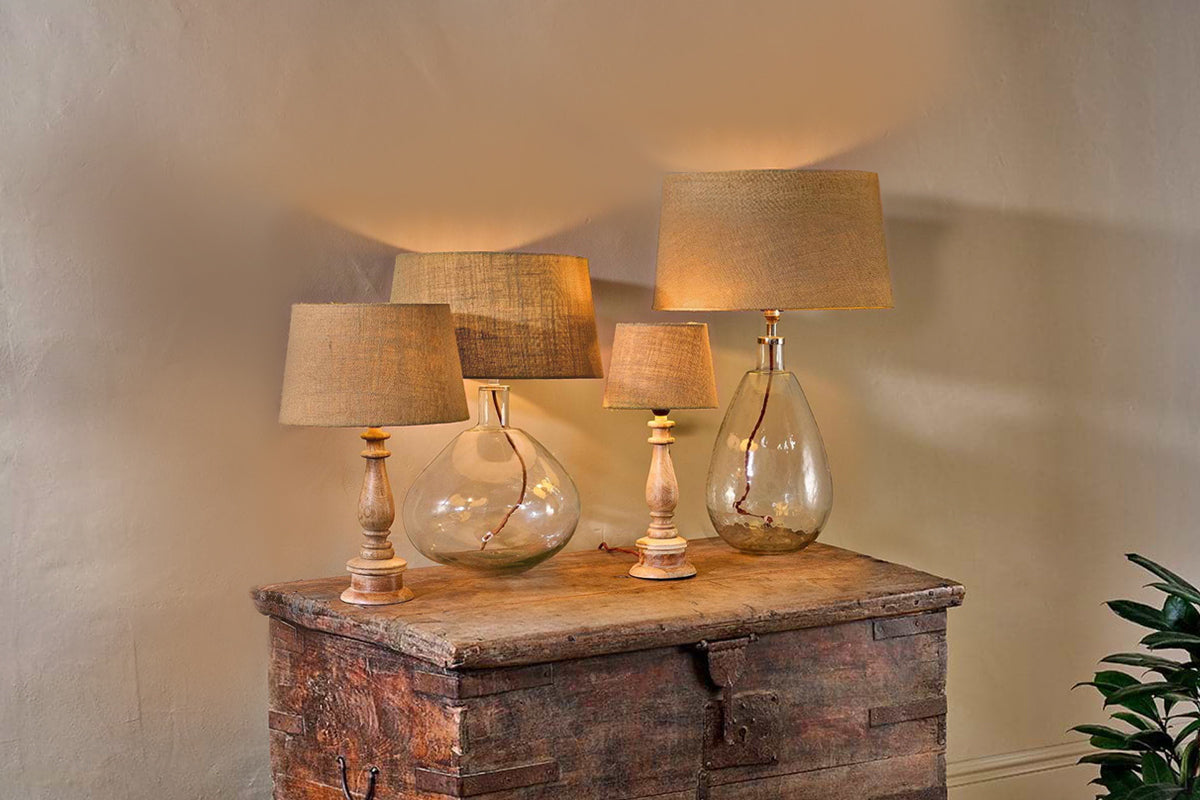
Dia Jute Lampshade – Natural
adds quiet structure and warmth while keeping the room balanced.
How do jute, sisal, and seagrass rugs handle spills and humidity?
Seagrass resists stains and water more than jute or sisal, making it best for kitchens and eating spots. Jute and sisal can mark if soaked or left damp.
For anyone with small children or open-plan dining, a spilled drink is almost routine. Placing a seagrass rug under a breakfast table shrugs off splashes thanks to its slick surface, according to Sisal Carpet Blog. Jute, while soft, absorbs water fast and stains quickly, so it’s better kept away from sinks and doors that open to the garden.
Sisal fibres resist grubbiness better than jute in regular use, but both dislike standing water. Unlike a washable rug, you can’t hose these off, dry brush as needed and blot spills quickly with a towel. Seagrass mats, in contrast, can often be wiped with a damp cloth and dry out quicker.
A rule of thumb: use seagrass mats near pet bowls, and keep jute in dry, aired corners. If you need the easiest-care option, see washable rug alternatives for spill-prone homes.
What tends to hold up with working with natural textures
Looking at what works across different homes, two patterns stand out. Reviewers consistently praise matte, low-sheen jute for bedrooms because it doesn’t reflect harsh light or show fluff the way some synthetic flatweaves do. Decorators often recommend anchoring a room with just one big, neutral rug; crowded, multi-texture groupings rarely last the year.
Sisal continues to be the fibre of choice for busy entryways and walk paths, since its edges rarely curl and dirt falls through the weave instead of sitting on top. What matters most is picking the fibre that suits the use, not just the colour or current look.
, Mara, Loom & Glow
How long do jute and sisal rugs last in different rooms?
Sisal rugs wear significantly longer than jute in high-traffic spaces because their denser, tighter weave resists scuffing and vacuuming damage. A sisal runner in a busy hallway or boot room will maintain its appearance for years with routine care, while a jute rug in the same spot may flatten and show wear sooner. Jute performs best in low-traffic zones like bedrooms or reading nooks where its softness is valued. Seagrass sits between the two: it’s more durable than jute but less hard-wearing than sisal, though its water resistance makes it the practical choice for kitchens and dining areas where spills are common.
Common questions
Which sheds more, sisal or jute?
Jute rugs shed more than sisal rugs, especially when new or placed in high-traffic zones. Sisal fibres are stiffer and stay put, while jute can lose small threads over time. Frequent vacuuming limits this, and most shed drops noticeably after the first month.
What are the drawbacks of jute?
Jute rugs absorb moisture easily, stain quickly, and tend to shed more than other natural fibres. They are not ideal for damp or high-traffic areas. Jute’s softness and warmth are best in dry bedrooms or living spaces where footfall is light.
What happens to jute when it gets wet?
Jute soaks up water quickly, which can cause it to darken, stain, or even shrink as it dries. Prolonged moisture weakens its fibres and leaves lasting marks. It’s safest to use jute well away from bathrooms, kitchens, or doors that bring in rain.
What are the disadvantages of sisal?
Sisal rugs feel coarse and hard beneath bare feet, and can show fraying near the edges over years of use. They also stain easily from spills. Sisal works well for busy hallways and stairs, but isn’t a match for soft resting spots or homes with messy pets.
Explore more calm combinations inside our Shop The Look .
Shop the Look
Two woven baskets in natural fibres that echo the textures you are considering underfoot.
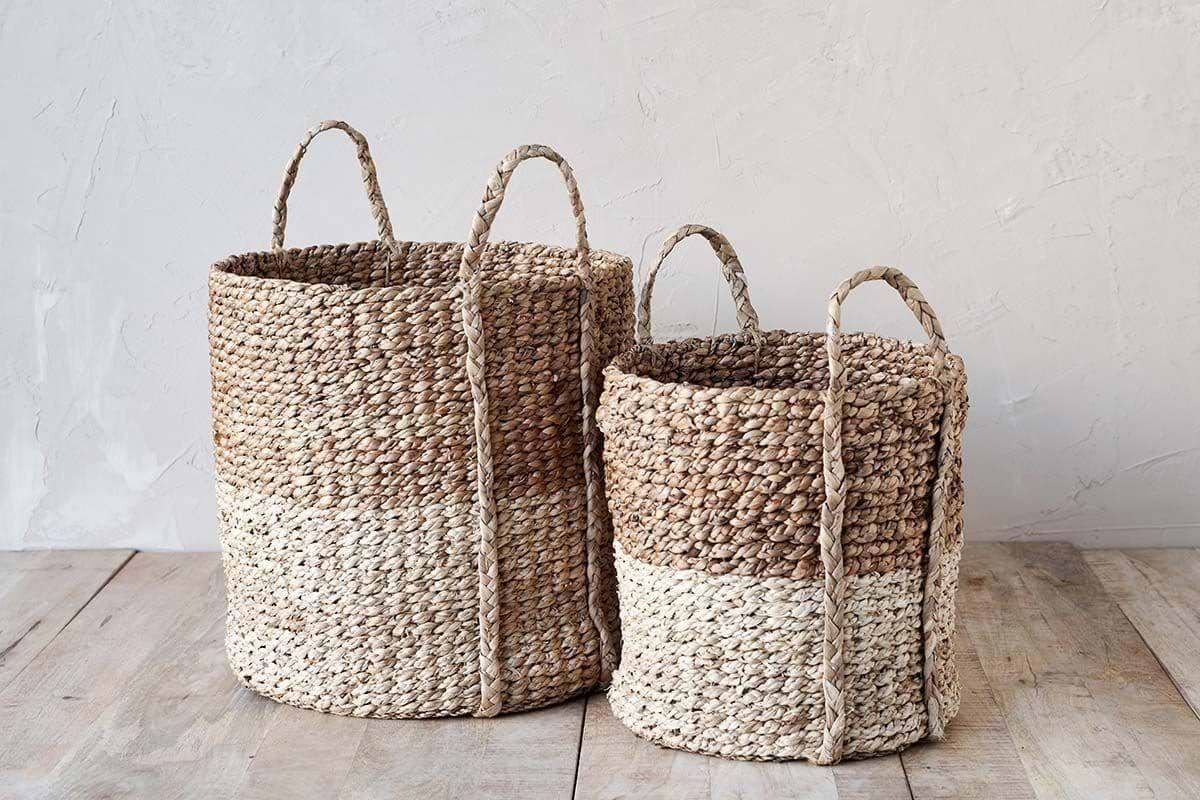
Nkomi Basket
Woven storage with a calm silhouette, works open or tucked under a console.
View at Nkuku →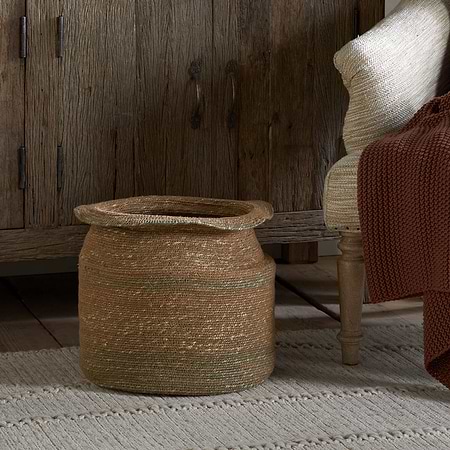
Some links above are affiliate links. If you buy through them we may earn a small commission at no extra cost to you. We only suggest pieces we think fit a calm, lived-in home.
Free guide
The Calm Leaf
12 quiet ways to bring dried botanicals, stems, and natural textures into calm spaces.