

If you’ve shopped for woven furniture or baskets, you’ve probably faced the “rattan vs wicker” question. Most labels blur the line; you’re left picking by texture, guessing which one fits. Small rooms fill up fast with natural pieces, but layering wood, jute, and rattan without chaos is harder than it sounds.
Today you’ll see the clear difference between rattan and wicker, how each behaves, and what to choose when you want rooms that feel relaxed—not cluttered. This works especially well in apartments with limited floor space when you want a natural look because each piece has a clear, calm function.
The short version: Rattan vs wicker comes down to rattan being a plant material and wicker being the way it’s woven, not the material itself. Learning this lets you pick pieces that layer quietly, avoid mismatched textures, and create rooms that feel clear, not crowded.
Key takeaways
- Rattan is a sturdy palm, while wicker is a weaving technique used on many materials.
- Wicker furniture may be made from rattan, reed, bamboo, or synthetic resin.
- All-weather wicker uses plastic or PE rattan to handle moisture and sun better outdoors.
- A small room benefits when you anchor one area with rattan and let wicker fill the gaps.
- There are over 600 different species of rattan, according to BillyOh.

Rattan vs wicker: the one-sentence answer
Rattan is a natural vine used for making furniture, while wicker is the method of weaving, no matter the material. Most shops use the words together, but one means the plant and the other means the construction.
If you’re sitting on a light chair with a woven seat, you’re probably touching both a rattan frame and a wicker weave. The terms get swapped around because “wicker” is how the rattan, reed, or synthetic strands are woven into patterns—think loops, tight lines, or open grids. The confusion comes from shops labelling anything basket-woven as “rattan wicker.”
Where this matters most is when you’re trying to match the feel across a room. A cane-backed chair paired with a wide-woven rattan basket looks gentle side by side, but a glossy synthetic wicker can clash in tone and finish. Unlike solid wood, woven pieces act like fabric—adding pattern and shadow wherever they’re used.
A dining nook with one rattan bench and a pale wicker pendant pulls together different corners, letting you repeat the woven look without doubling up on one material. Using rattan one place and lighter wicker elsewhere helps break up big areas of wood, so every spot feels softer and less boxy.
What is rattan, really?
Rattan is a climbing palm with long, flexible stems that grows mainly in tropical forests. The solid core and natural outer skin make it durable and easy to bend without splitting.
There are over 600 different species of rattan, according to BillyOh, and most come from Southeast Asia. Rattan vines are stripped into thinner canes for weaving and left thicker for furniture frames. The outer layer feels smooth, not sticky, and can show pale streaks and warm honey color in natural light.
In living rooms, rattan adds a subtle warmth that works quietly with jute or linen. Flexible by nature, it bends smoothly to form curved arms on chairs or open round mirrors. Rattan wears well in dry, shaded rooms, unlike bamboo, which can crack. Lighter than wood, rattan makes moving a daybed or a shelving unit less of an effort.
Bare rattan sometimes feels rougher than painted versions. A rattan side table beside a low linen sofa brings in a gentle line and stops the room looking stiff. Avoid using dark-stained rattan in low-light rooms; pale rattan reflects more sun and looks lighter.
What is wicker, really?
Wicker is a weaving method, not a plant or material, used to create furniture, baskets, and storage pieces in many styles. Wicker works with natural fibres or synthetics, sometimes even metal.
Unlike rattan, which is always a plant, wicker refers only to the way materials are looped and interlocked. In shops, “wicker” can mean anything from tightly woven reeds to loose, chunky synthetic strands that look almost plastic. The process needs patience: a chair seat or a tall laundry basket can take hours of handwork or be pressed by a machine for mass markets.
| Feature | Rattan | Wicker |
|---|---|---|
| What it is | Plant vine (natural material) | Weaving method (not a material) |
| Common use | Furniture frames, mirror trim, baskets | Any woven decor, on many materials |
| Able to go outside | Sometimes, if sealed | Often, if synthetic |
| Color | Honey, pale brown, grey wash | Varied; painted, synthetic hues |
| Texture | Smooth, lightly ribbed | Tight or open weave, textured |
Wicker baskets on open shelves can soften the look of hard plywood, while a solid wood storage bin feels boxy by comparison. In bedrooms, a pair of matching wicker nightstands offers closed storage that hides phone cords and wires. Glass-topped wicker tables reflect more light than solid rattan, which reads heavier under direct sun.
Instead of filling a corner with several small wicker baskets, try one large trunk to keep clutter from making the room feel jumpy. Compared to glass or painted wood, woven wicker pieces create more air flow visually, so a small bedroom stays open and less cramped.
Where this works best
Rattan and wicker suit living rooms, kitchens, and shaded patios where you want texture without heaviness. Both soften sharp corners and help rooms feel gentler, especially in small spaces.
Compact apartments often feel crowded with heavy wood or glossy surfaces. Rattan works well for coffee tables, chairs, or baskets near windows since it picks up sunlight and looks pale even on cloudy days. Wicker trays keep kitchen counters clear, while a large woven mirror frame adds movement above a console table in a hallway.
Moving between rattan and wicker lets you layer natural material home decor gently—placing a rattan chair and a wicker hamper in the same room avoids matching every object, which can look stiff. For outdoor use, all-weather wicker is the safer bet: synthetic strands shed rain and sun, while natural rattan prefers a covered porch.
Avoid placing natural rattan on an open patio, as morning dew or sudden showers can leave water marks and warp the frame. A bare wooden deck paired with a pale wicker basket, instead of a sealed rattan seat, stands up better to changeable weather and everyday use.

How to judge quality when the listing does not say
Quality rattan and wicker feel solid in hand, stand steady on uneven floors, and use smooth, tightly-looped ends—never unraveling or rough. Cheap finishes show glue, gaps, or uneven color shifts.
Picking online, you’ll see “PE rattan,” “natural rattan,” “wicker,” and “cane” used interchangeably; not every seller knows the difference. A good anchor point: natural rattan feels cool and dense, while synthetic strands feel slightly waxy or slick. Tapping the leg of a rattan chair should not sound hollow or creak loudly—solid rattan stays quiet.
Look at how the ends are tucked: a quality piece hides sharp cuts and uses finer canes around the rim. A woven tray that flexes under your hand or shows dark glue spots will likely unwind over time. By contrast, hand-tied baskets use tightly-wrapped handles, which spread the weight and last longer in daily use.
Smaller pieces like trays and organizers matter just as much as larger chairs here; one wobbly basket can make the whole shelf feel messy. Choosing a smooth, even weave prevents snags on delicate items like linen napkins or soft throws. A living room shelf with well-chosen baskets keeps clutter out of sight and doesn’t draw too much attention.
Styling and placement
Woven home decor sits best in clear zones with space around each piece. Grouping too many textures together can make calm interiors read busy or accidental.
No matter the room, limit to one or two types of natural texture in any view—say, a jute rug with a rattan ottoman. When both rattan and wicker appear, let one act as the “main event”—like a looped rattan headboard—while the other slips in as a supporting detail, like a slim wicker lamp shade.
If sunlight pours into your entryway, put a wide rattan basket close to the door for shoes and leave wicker pieces for shelving further away. The same goes for a narrow hallway—a rattan mirror stretches the space, while loose-woven baskets underneath avoid a blocky look. Pale finishes work with neutral home decor ideas, so nothing fights for attention.
Quick calm checklist:
- Mix one main woven texture with simpler support pieces (linen curtain, clay bowl, unvarnished wood).
- Keep areas near doors and windows clear with fewer, larger baskets or trays.
- Choose a natural palette—honey, sand, grey, soft white—and repeat one or two tones.
- Let woven objects breathe; avoid crowding with too many small items on a surface.
- Limit dark stains unless the room is already bright.
Group objects by both texture and use: a rattan bench for sitting under a window, a single wicker basket for mail, a soft rug beneath. Skipped details—like a stray synthetic tray next to natural baskets—stand out and break the calm, so keep plastics and natural pieces in separate spots for the best result.
Open shelves with a woven basket, a linen cloth, and a wood tray keep things soft and functional. In kitchens, hanging a slim rattan pot holder makes the room look less heavy than a steel rack.
How do you care for rattan and wicker so they last?
Rattan and wicker both last longer with gentle cleaning, dry storage, and occasional dusting by hand. Water and harsh sun weaken both, so cover or move pieces if the weather turns.
In a busy kitchen, rattan trays and baskets pick up crumbs and grease more than closed wood drawers. Regular dusting with a soft cloth or a vacuum brush prevents buildup in the weave. For deep cleaning, a barely damp sponge with mild soap is enough—never soak, as too much moisture can bend or loosen the joints.
For patios and balconies, switch natural rattan out when the forecast calls for rain or strong midday sun. All-weather wicker signs its usefulness with “UV-resistant” or “outdoor safe” tags; synthetic strands handle both water and heat but can fade with time. In laundry rooms, even inside, place rattan trays on dry shelves instead of damp floors.
Baskets that live in bathrooms or near dishwashers benefit from a quick air-out every week or so. Compared to metal or plastic storage, any woven home decor needs less heavy scrubbing but responds best to dry, calm conditions. Safeguard delicate edges by not overloading with wet towels or dense books.
Not every space feels right once new pieces are in place. The room might look crowded, with too many woven patterns in one view, or the textures might fight each other. Slow living decor begins to lose its effect when every surface carries a different basket or tray—making it tricky to see what to pare back or where to add softness. The shift comes from choosing one anchor piece, repeating a single palette, and letting gaps show.
A shelf or table opens up when you remove competing textures and give the main natural fibre piece space to breathe. The room becomes more restful, and you can finally see which items you use and which can go.
The point of natural material home decor is not to fill every spot, but to give each object a clear role.
Sometimes, it takes stepping back after arranging everything to realise the balance is missing. Maybe the rattan feels bulky against a washed-out rug, or the wicker is too busy alongside other patterned objects. Most homes end up chasing the “layered” look but forget the spaces between—the difference is felt, not just seen.
A soft balance shows up when the main piece draws your eye and others fade into the background. Removing two baskets and leaving just a single rattan tray can make the surface feel calmer. Letting woven materials lead in one spot, instead of scattered everywhere, pulls the room together and sets a slower pace for the whole space.
The problem most people run into comes from too much at once: three baskets on a shelf, a rattan mirror, a wicker chair, and a jute rug all crowded together. The intention was calm, but the effect feels quick and restless. Too many textures, too close, and not enough room.
When you clear out the extras and leave space around each woven piece, the whole room becomes softer without losing its function.
Save this idea for later.
What tends to hold up with mixing natural textures
Most reviewers and stylists agree: the rooms that feel settled usually stick to one main material for each zone. Matte finishes—on baskets, lamps, or trays—tend to look better near windows or bright spots, since they avoid harsh glare. According to BillyOh, rattan’s flexibility and light weight mean it holds up well in indoor rooms with normal humidity, but less so outside.
Open shelves in kitchens and living rooms work best when there’s just one textured anchor, like a rattan tray or a single woven hamper, while flat, hard objects fill in the remaining space. Big furniture in natural fibre risks feeling bulky if matched with too many other patterns, so it’s a safer call to let those pieces lead.
— Mara, Loom & Glow
Common questions
What lasts longer, wicker or rattan?
Wicker made from synthetic materials typically lasts longer outdoors than natural rattan. Indoors, rattan has a long lifespan if kept dry and out of direct sun. Synthetics resist moisture and fading, but can eventually crack or peel. For most homes, rattan holds up better as long as it stays protected.
Is wicker or rattan better?
Rattan is stronger for furniture frames, while wicker works better for baskets and small decor. Each has its role: rattan for structure, wicker for detail. The right choice depends on the use and where the piece will sit—choose rattan for seating, wicker for storage or indoor accents.
Is rattan out of style in 2026?
Rattan will not be out of style in 2026. Its natural finish and organic curves keep it in demand for earthy home decor and slow living spaces. Design cycles turn over, but rattan remains a staple for warmth and texture in modern interiors.
Can real rattan be left outside?
Real rattan should not be left outside without shelter. It absorbs moisture and can warp or split, especially after rain or in strong sun. All-weather wicker or synthetic rattan is better for exposed spaces, while natural rattan belongs under cover or indoors.
Explore more calm combinations inside our Shop The Look .
Shop the Look
Nkuku's woven pieces show how natural fibres bring texture without visual weight.
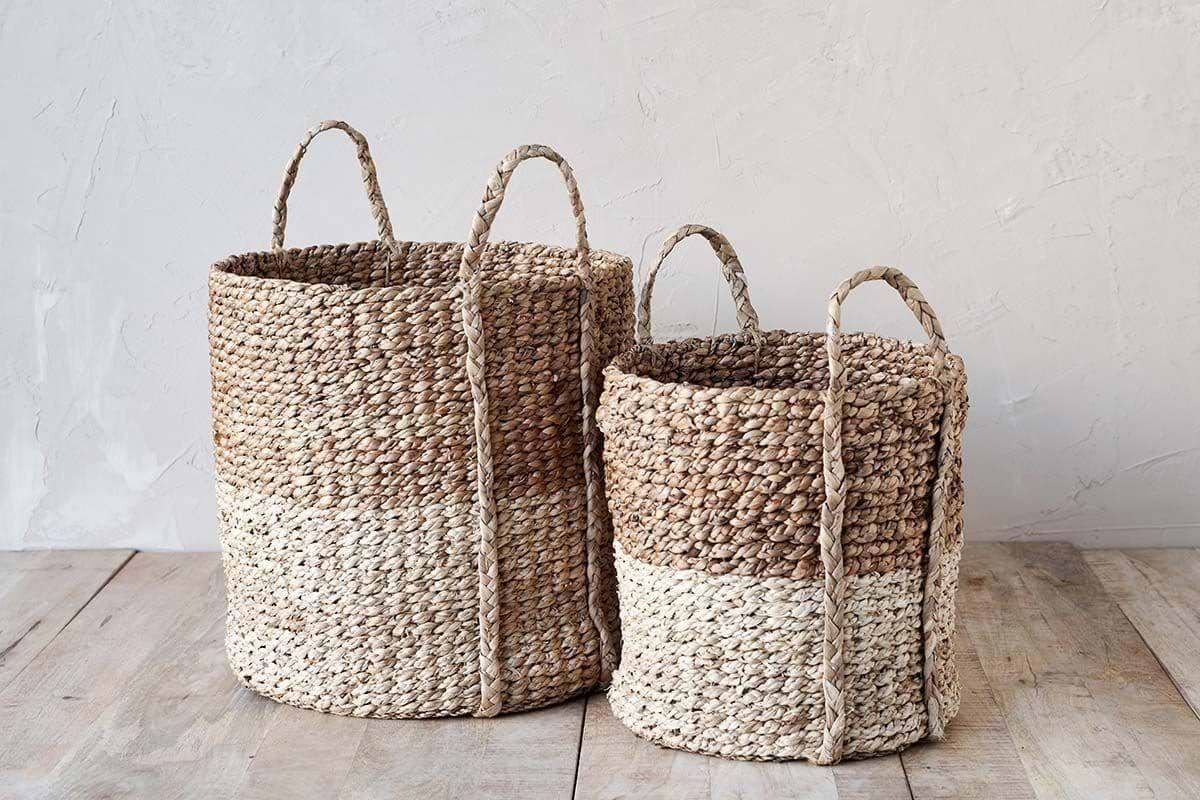
Nkomi Basket
Woven storage with a calm silhouette — works open or tucked under a console.
View at Nkuku →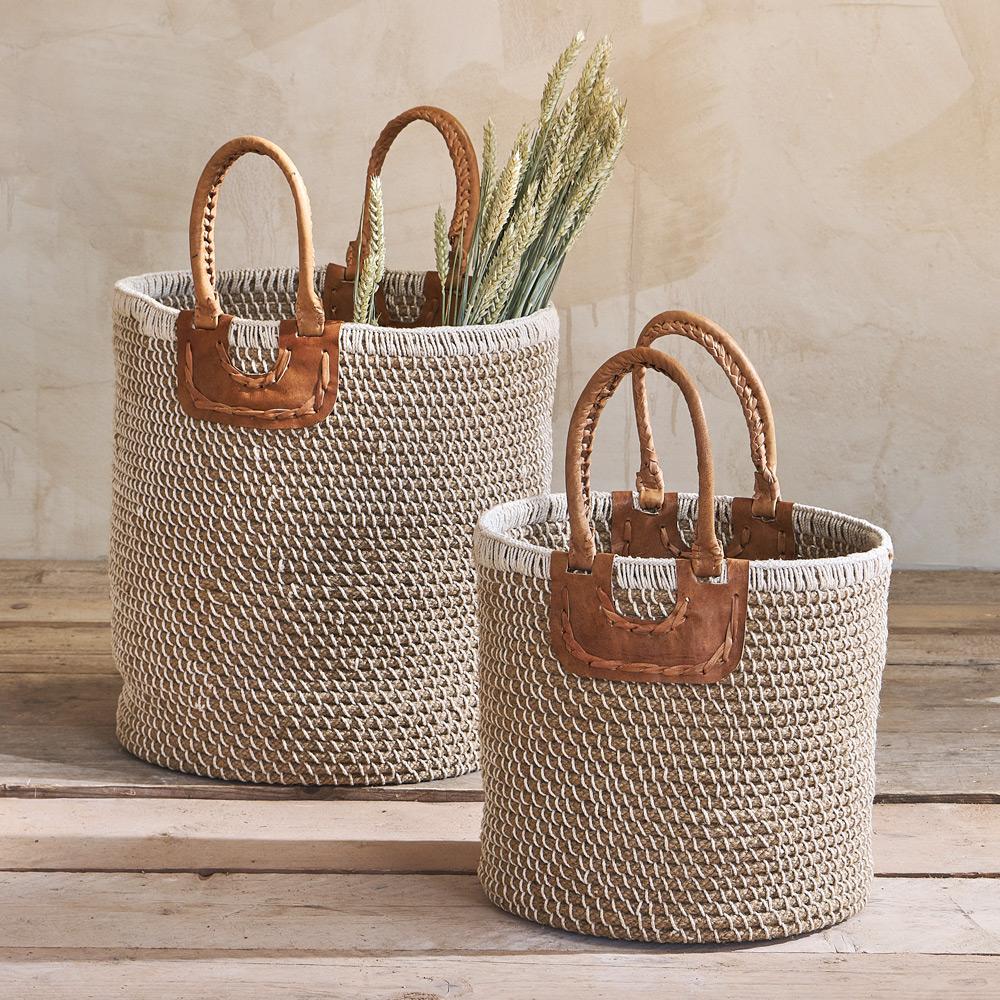
Indra Coil Basket
Natural coil weave — neat enough to leave out, large enough to hide clutter.
View at Nkuku →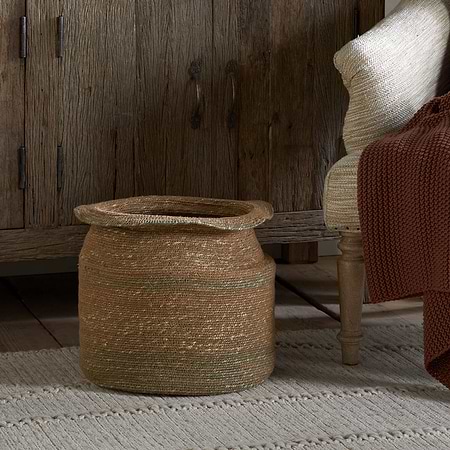
Some links above are affiliate links. If you buy through them we may earn a small commission at no extra cost to you. We only suggest pieces we think fit a calm, lived-in home.
Free guide
The Calm Leaf
12 quiet ways to bring dried botanicals, stems, and natural textures into calm spaces.